Market Overview
BTC/USD
$86425.90
44s
ETH/USD
$2727.21
43s
SOL/USD
$121.66
43s
HYPE/USD
$93.36
40s
ATOM/USD
$1.77
42s
DOT/USD
$1.23
41s

68756 粉丝
View History


452551 粉丝
View History
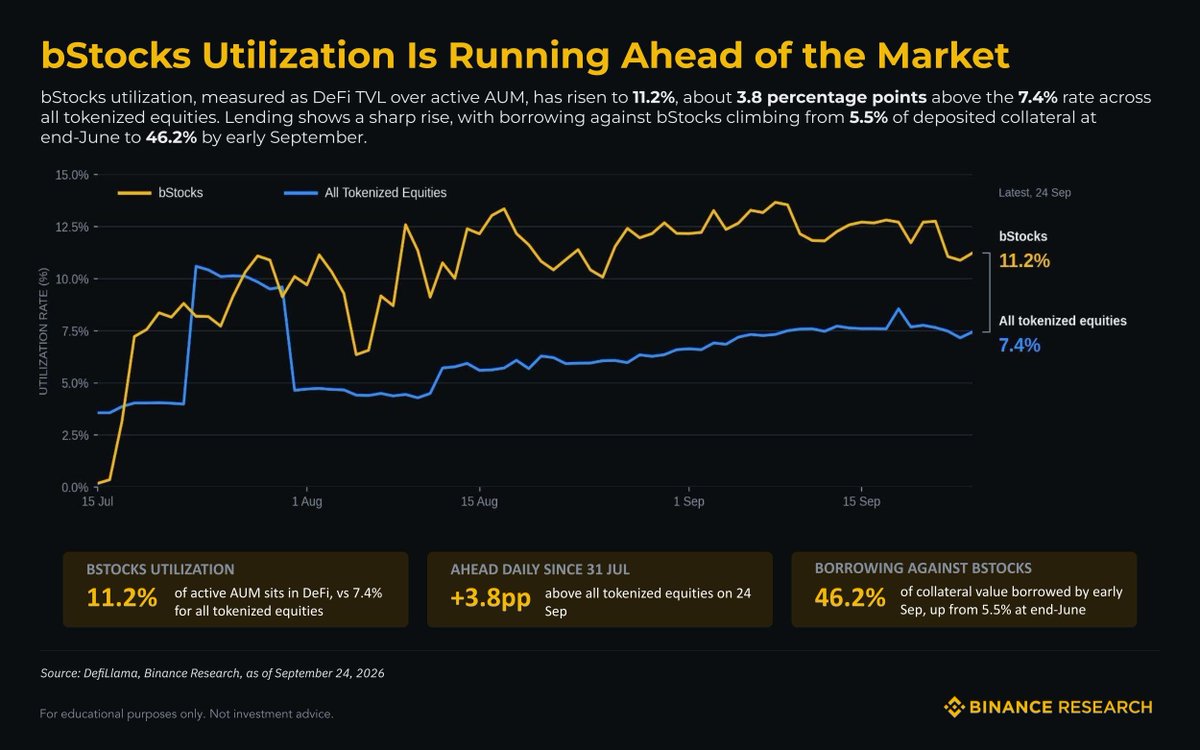
@Cointelegraph Plus bStocks utilization has led the market since 31 Jul and now sits at 11.2%. Borrowing against bStocks has climbed to nearly half of collateral value.
The next benchmark is usage, not issuance. https://twitter.com/BinanceResearch/status/2107023943546904948/photo/1
中文: @Cointelegraph Plus bStocks 的使用率自7月31日起一直位居市场前列,目前为11.2%。对bStocks的借款已攀升至抵押品价值的近一半。
下一个基准是使用,而不是发行。

19023 粉丝
View History
RT @chuhaiqu: 停不下来了,给 1024 工作坊也做了个视频!我觉得比上一个 playbook 的要好! https://twitter.com/chuhaiqu/status/2104470946451222658/video/1
🎬
视频

26414497 粉丝
View History
Reflationist ex-BOJ policymaker calls end to low rates, big spending https://reut.rs/3TkjsMP https://reut.rs/3TkjsMP
中文: 前日本银行(BOJ)的通货紧缩政策制定者呼吁以低利率为目的,投入大量资金
26414497 粉丝
View History
Exiled Russian filmmaker Andrey Zvyagintsev takes aim at Vladimir Putin's war in Ukraine in 'Minotaur,' a drama about conscription and moral compromise released nearly five years after Moscow launched its full-scale invasion https://reut.rs/4dmBGnC https://twitter.com/Reuters/status/2107022982249857533/video/1
🎬
视频

176872 粉丝
View History
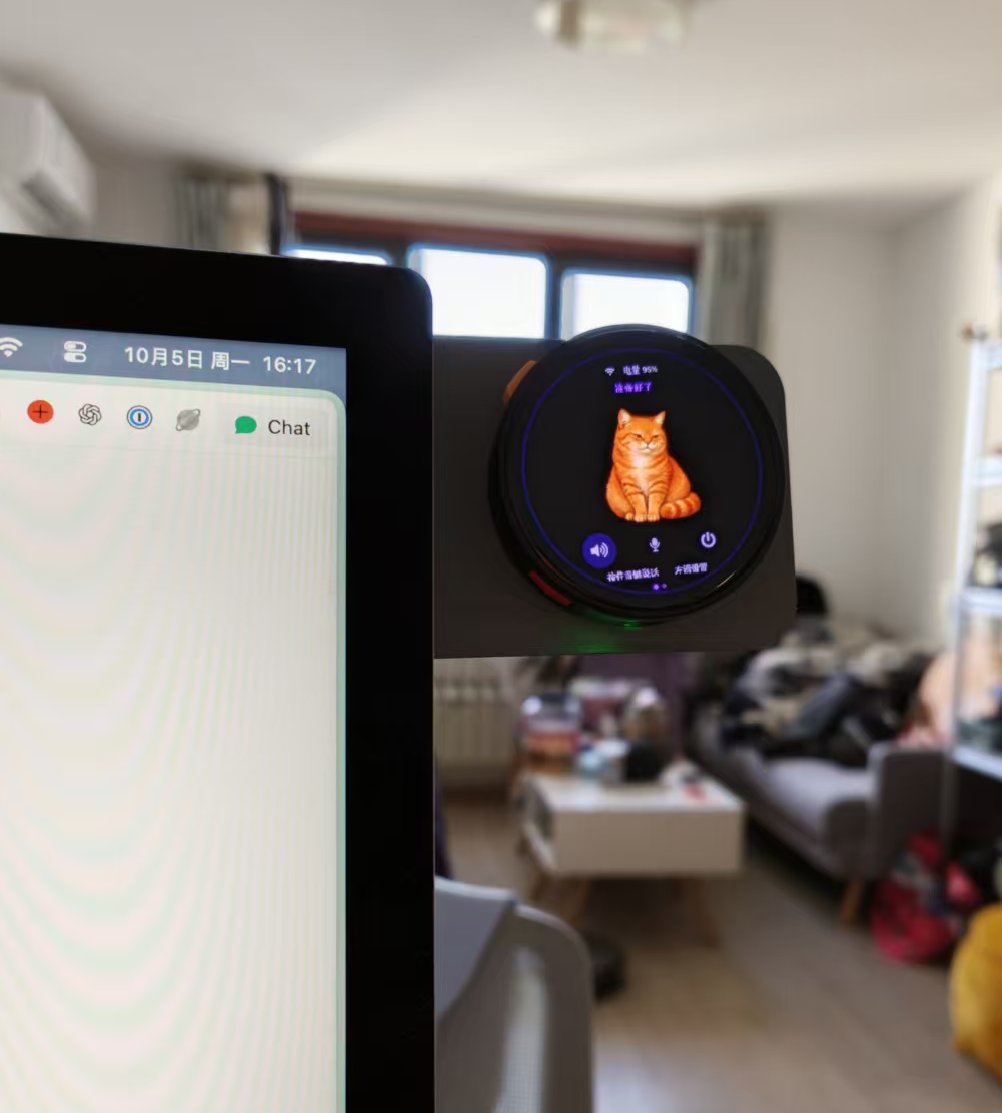
它现在这样直接磁吸在我的显示屏右边,我随时就可以拿下来了,然后 Muse 有一些主动通知也能直接看到 https://twitter.com/op7418/status/2107022693359030282/photo/1

374200 粉丝
View History
How to enter:
1. Be at the main venue or a side event.
2. Snap a photo making the C hand sign.
3. Post it and tag @ChainbaseHQ.
We'll randomly select and announce 8 winners, then DM them. Each wins a blind box + $C rewards. Boxes ship once production is complete.
中文: 如何进入:
1。参加主会场或副会场。
2。拍一张制作C手标的照片。
3。发布并标记 @ChainbaseHQ。
我们将随机选择并宣布8名获奖者,然后进行DM。每个都赢得一个盲区+ $C 奖励。生产完成后,盒子会发货。
374200 粉丝
View History
Show us your C at #TOKEN2049 Singapore!
- Snap a C hand sign at the main venue or a side event
- Then post it on X and tag @ChainbaseHQ
You may win a surprise Chainbase × PopX blind box + $C rewards.
Period: Oct 5–11. Full rules below. https://twitter.com/ChainbaseHQ/status/2107021722545484237/photo/1


65105 粉丝
View History
@KuiGas @opinionlabsxyz 笑死

7118485 粉丝
View History
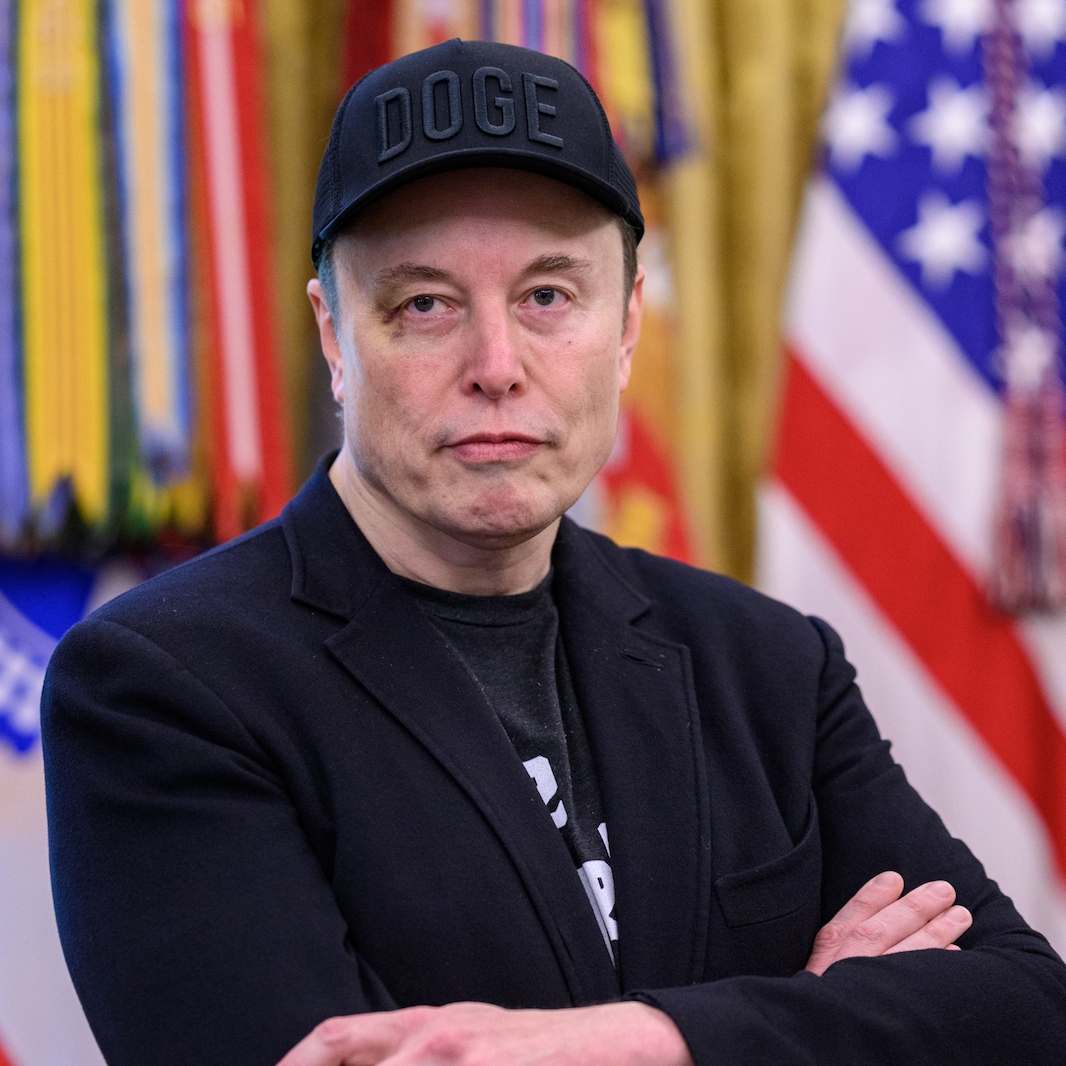
LATEST: ⚡️ Elon Musk says he will rename SpaceXAI to SpaceXSI, calling SpaceX a "super intelligence company." https://twitter.com/CoinMarketCap/status/2107020762007683306/photo/1
中文: 最新:⚡️ 埃隆·马斯克表示,他将把SpaceXAI更名为SpaceXSI,并称SpaceX为“超级情报公司”。

26414497 粉丝
View History
Euro at 17-month low, dollar near pre-Liberation Day highs https://reut.rs/46XbpbZ https://reut.rs/46XbpbZ
中文: 欧元跌至17个月低点,美元接近解放日前高点

95126 粉丝
View History
Tria Gacha @useTria 移动端上线了,由 @Collector_Crypt 精选的卡包,由 @NextRare_cards 提供支持,卡包限时高达 6% 无限现金返还
https://app.tria.so/
大家可以上线抽取分级的宝可梦、海贼王和体育卡牌,获得的卡牌可以
✨ 作为收藏品持有
💰 在应用内立即出售
📦 将实物卡牌配送到家中
另外Tria @useTria 同步开启首届 Tria Gacha 排行榜竞赛,持续至 10 月 18 日,前 10 名可赢取 3 个独家板材 + 8 个包。
- 按开启包的总 $ 价值排名
- 每个包都算在内,无论你是用卡支付还是钱包支付


10821 粉丝
View History
Pro tip: Complaining is bad for your mental health.
It’s called whining.
And it causes your brain to feel pain.
Avoid it for a happier, more productive life!
中文: 专业提示:抱怨对心理健康有害。
这叫做抱怨。
它会让你的大脑感受到疼痛。
避免它,过上更快乐、更有生产力的生活!

2936694 粉丝
View History
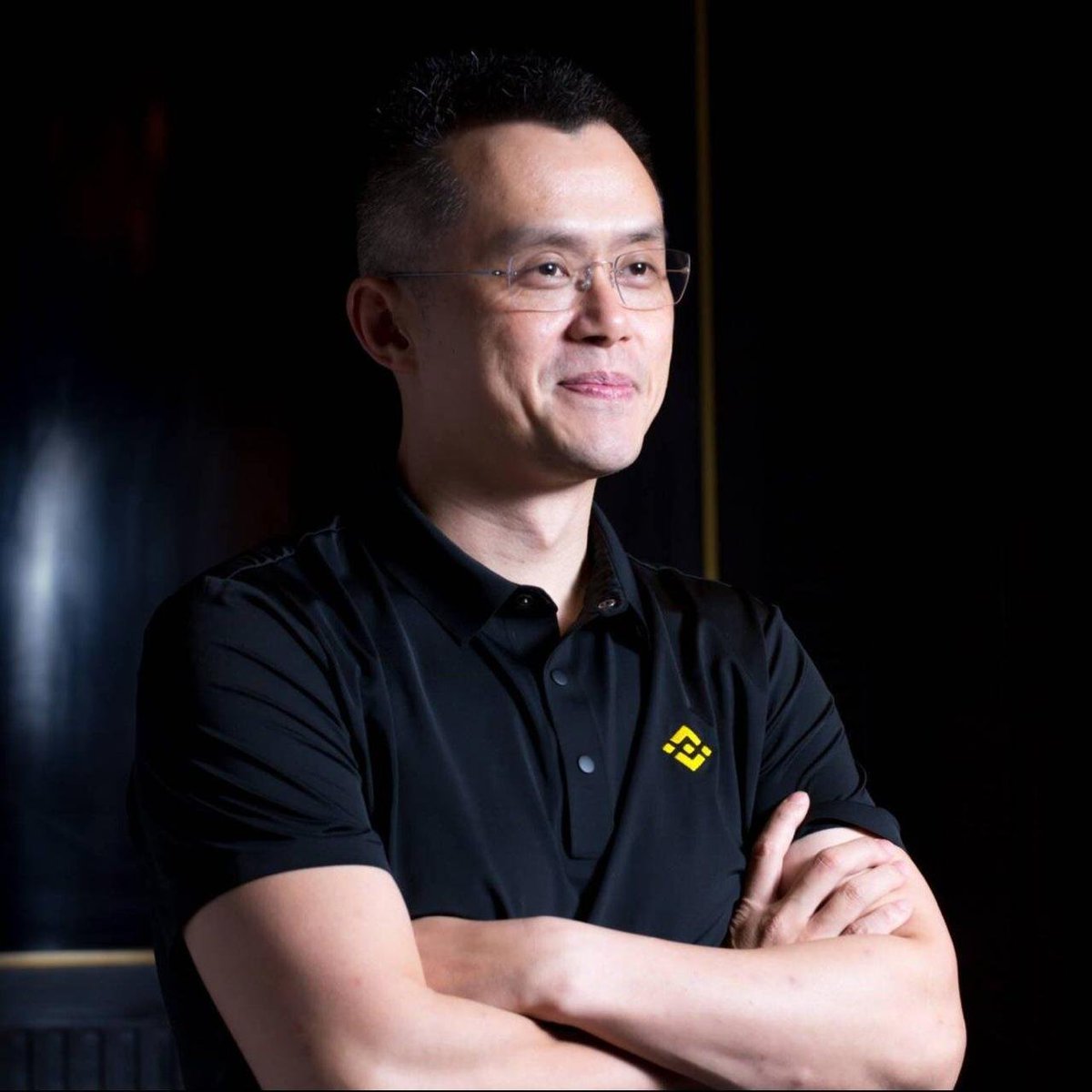
🔥 FUN FACT: CZ says his garage has just three cars, with no sports cars: “Not into fast driving. Stay SAFU!” https://twitter.com/Cointelegraph/status/2107019603834544546/photo/1

41936720 粉丝
View History
Watch Falcon 9 launch the @SemperCitiusSDA’s fourth Tranche 1 data transport mission to low-Earth orbit https://x.com/i/broadcasts/1oJMvNEQewoxQ
中文: 观看《猎鹰9》将@SemperCitiusSDA第四次“Tranche 1”数据传输任务发射至近地轨道

2381144 粉丝
View History
RT @HeliusPrivacy: if youre on Solana and haven't thought about @HeliusPrivacy, I humbly advise you to start here:
https://helius.dev/docs/privacy
中文: RT @HeliusPrivacy:如果你在Solana上,没有考虑过@HeliusPrivacy,我强烈建议你从这里开始:

559007 粉丝
View History
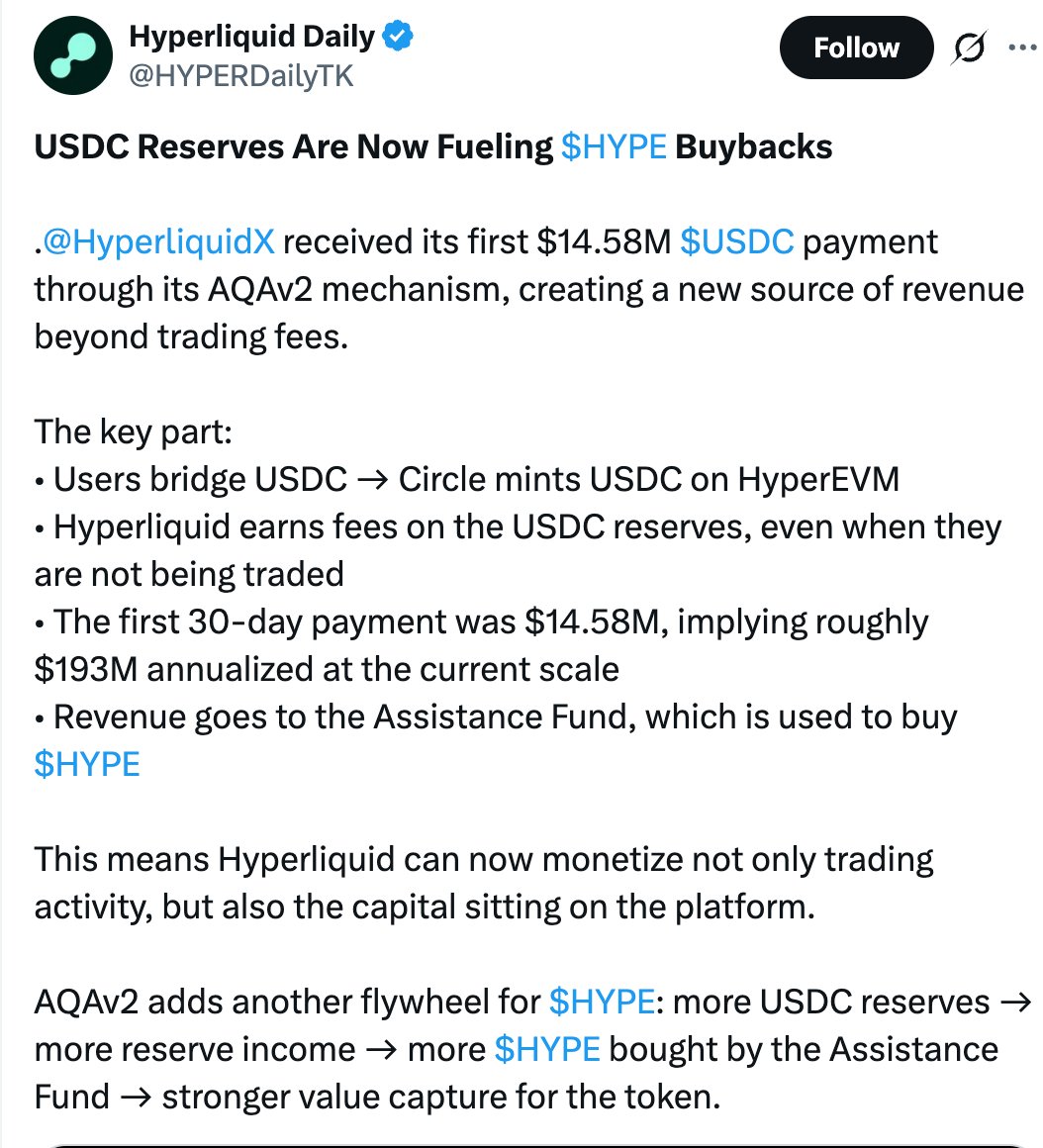
USDC Reserves Start Funding HYPE Buybacks as Hyperliquid Receives First $14.58M Payment
Hyperliquid received its first $14.58 million USDC payment under the AQAv2 framework, adding a funding source for HYPE buybacks beyond trading fees. Under the mechanism, roughly 90% of cost-adjusted reserve yield generated on USDC supply is shared with the protocol and routed to the Assistance Fund, which purchases HYPE. The first payment covered a 30-day period.
中文: USDC 储备公司开始为 HYPE 回购提供资金,因为 Hyperliquid 获得了首笔 1458 万美元的付款
Hyperliquid 在 AQAv2 框架下获得了首笔 1458 万美元的美元融资,为 HYPE 回购提供超出交易费用的资金来源。根据该机制,通过USDC供应产生的成本调整后的储备收益约90%与协议共享,并转至购买HYPE的援助基金。首笔付款为期30天。


4221417 粉丝
View History
Why does Solana make sense in Korea?
📍 Solana Summit Korea 🇰🇷 https://twitter.com/solana/status/2107018685559025820/video/1
中文: 为什么索拉纳在韩国有道理?
📍 韩国索拉纳峰会 🇰🇷
🎬
视频

87870 粉丝
View History
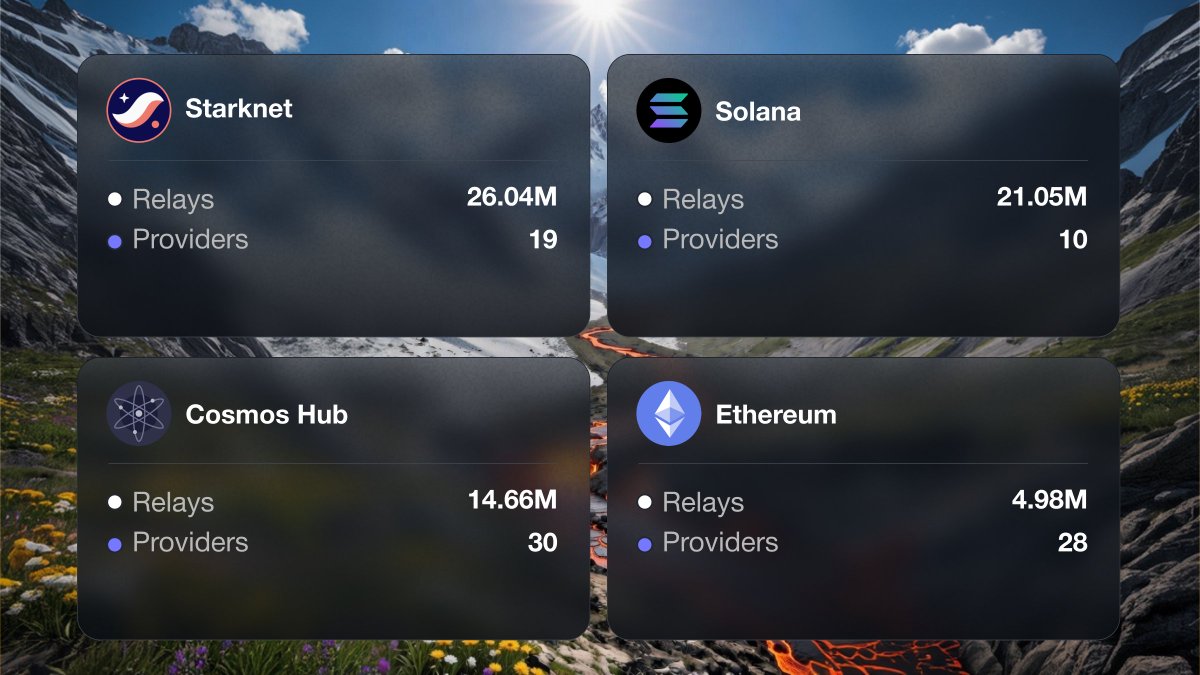
Lava Network has relayed 229B+ requests since inception.
Last 30 days:
• 26M+ on @Starknet
• 21M+ on @solana
• 14M+ on @cosmoshub
• 4M+ on @ethereum
Production traffic. Independent Providers. 🌋 https://twitter.com/lavanetxyz/status/2107018043276837365/photo/1

3337499 粉丝
View History
阿联酋、阿曼和以色列的官员都私下表示,各环节都存在重大失误,从阿联酋和以色列的审查,到阿曼传达对哈马米的担忧,无一例外。安全专家说,情报机构必须承担起责任,在威胁进入机场之前就予以识别和阻止。https://cn.wsj.com/articles/WP-WSJS-0003948352
7118485 粉丝
View History
📊 CoinMarketCap | Skills Marketplace 📊
Raw market data floods your agent's window.
Every table you paste could cost you context.
Our custom Skills answer the prompt instead.
🔹 Route each query to our tailored pipelines
🔹 Return exact answers, not numerical tables
🔹 Pick the skill your agent needs by intents
Browse the Skills Marketplace here 👇
https://coinmarketcap.com/api/skills-marketplace
中文: 📊 CoinMarketCap | 技能市场 📊
原始市场数据充斥您的代理窗口。
你粘贴的每一张桌子都可能花费你的上下文。
我们的自定义技能会响应提示。
🔹 将每个查询路由到我们量身定制的管道
🔹 返回确切答案,而非数值表
🔹 根据具体目的选择您的代理所需技能
浏览技能商城 👇

26414497 粉丝
View History
Norway to propose temporary ban on AI glasses in some public places https://reut.rs/4di0Nb9 https://reut.rs/4di0Nb9
中文: 挪威提议在部分公共场所暂时禁止佩戴AI眼镜

6838 粉丝
View History
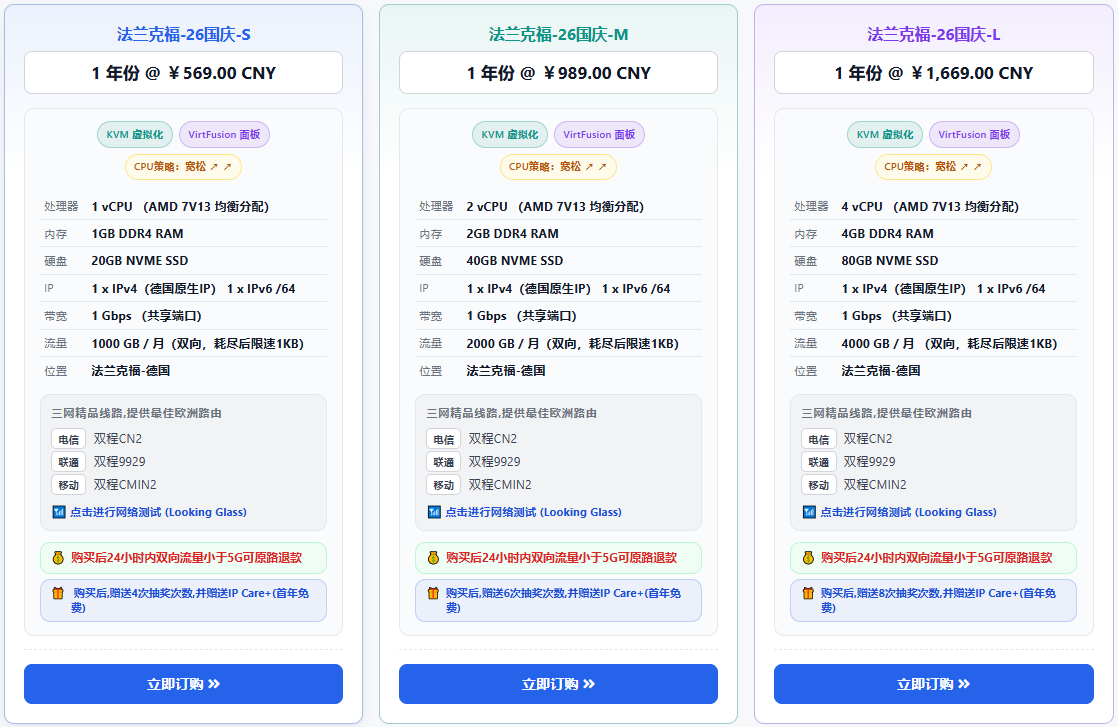
🐱本喵九月发现 NoslaCloud 国庆活动~
🇩🇪 法兰克福精品线路 VPS!
主打欧洲方向优质路由,三网回程优化:
⚡ 电信:双程 CN2
⚡ 联通:双程 9929
⚡ 移动:双程 CMIN2
AMD EPYC 7V13 + NVMe SSD + KVM 虚拟化,德国原生 IP,适合欧洲业务、跨境应用、站点部署~
🎉 国庆套餐:
🐾 法兰克福-S
1核 / 1GB RAM / 20GB NVMe
1Gbps 端口 / 1000GB月流量
💰 ¥569/年
🐾 法兰克福-M
2核 / 2GB RAM / 40GB NVMe
1Gbps 端口 / 2000GB月流量
💰 ¥989/年
🐾 法兰克福-L
4核 / 4GB RAM / 80GB NVMe
1Gbps 端口 / 4000GB月流量
💰 ¥1669/年
🎁 下单还有抽奖次数 + IP Care+ 首年免费
💸 购买后24小时内双向流量<5G支持退款
欧洲节点玩家可以关注一下喵~
🔗购买:
https://ccp.nosla.cloud/order/main/packages/101-fra/?group_id=49&a=NjQ
#VPS #德国VPS #法兰克福VPS #服务器优惠

25039 粉丝
View History
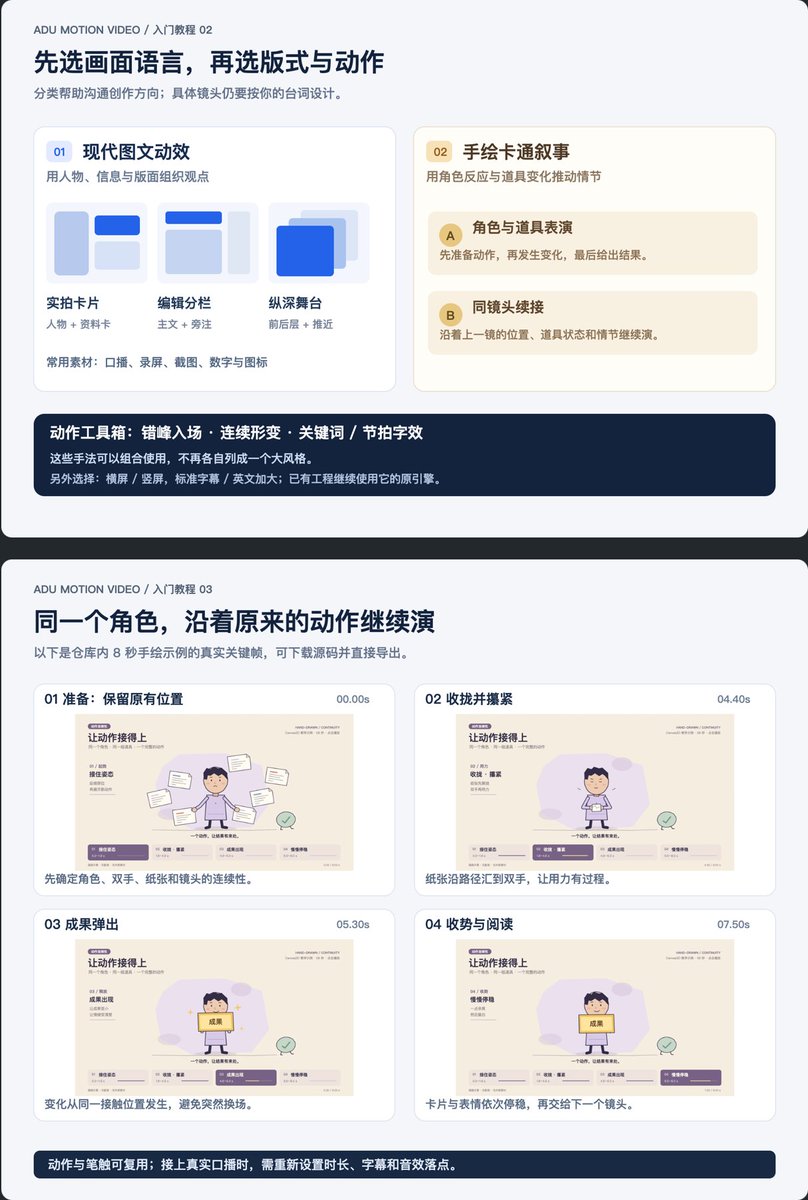
拍口播想加动效,得从零写模板;这个 Skill 把现成的动画场景交给 AI,按你的口播和素材剪成 MP4 加可编辑工程。
https://github.com/adunext/adu-motion-video
阿杜实验室开源的动画动效模板 Skill,助手读取仓库里的 SKILL.md 和 AGENTS.md 后,按口播、文案与素材挑选模板、排动画,交付 MP4 和可再编辑的工程目录。
已发布 2 类模板、7 种风格、17 个镜头组;模板库现有 11 种风格、39 个完整组支持竖屏,其中 10 种风格、32 组同时支持横屏。
176872 粉丝
View History
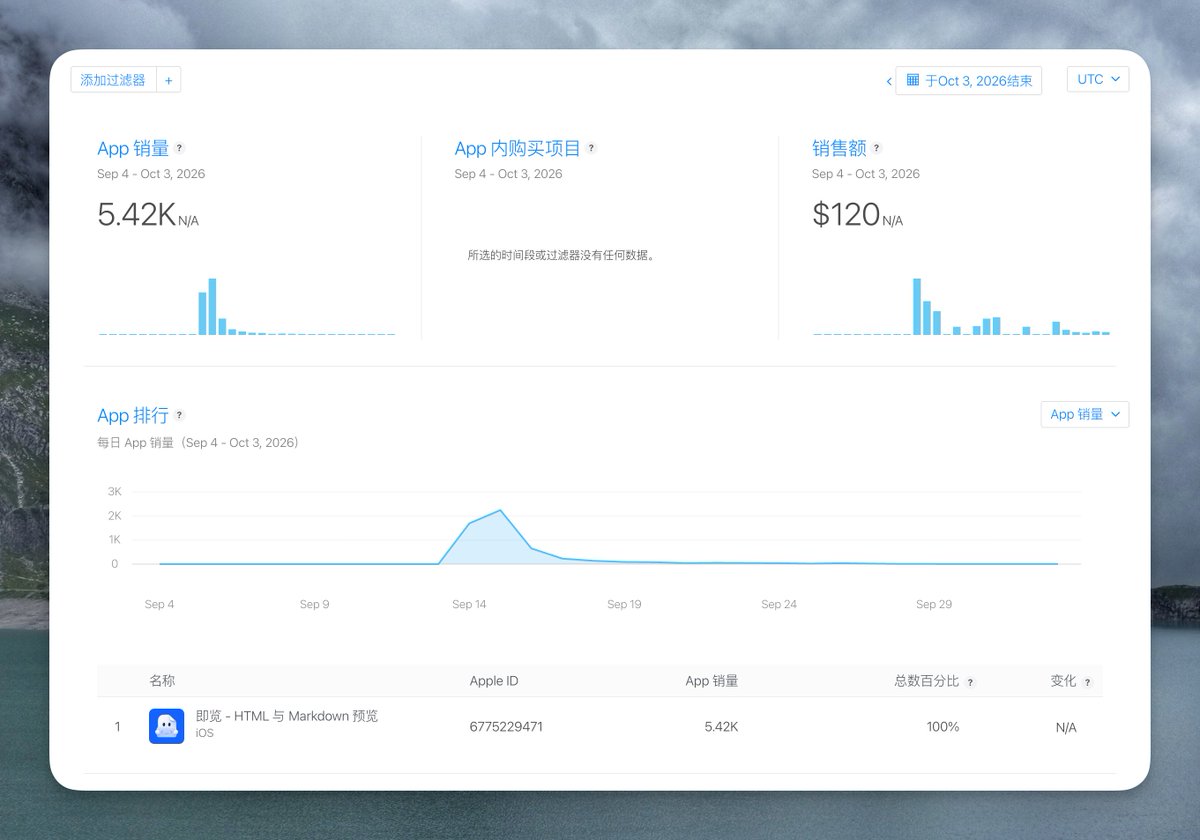
神奇,没想到即览在国区限免结束之后还有人购买,确实说明确实有用。
回本了,起码把苹果开发者的 100 美元注册费用挣回来了 https://twitter.com/op7418/status/2107017257763426381/photo/1

407712 粉丝
View History
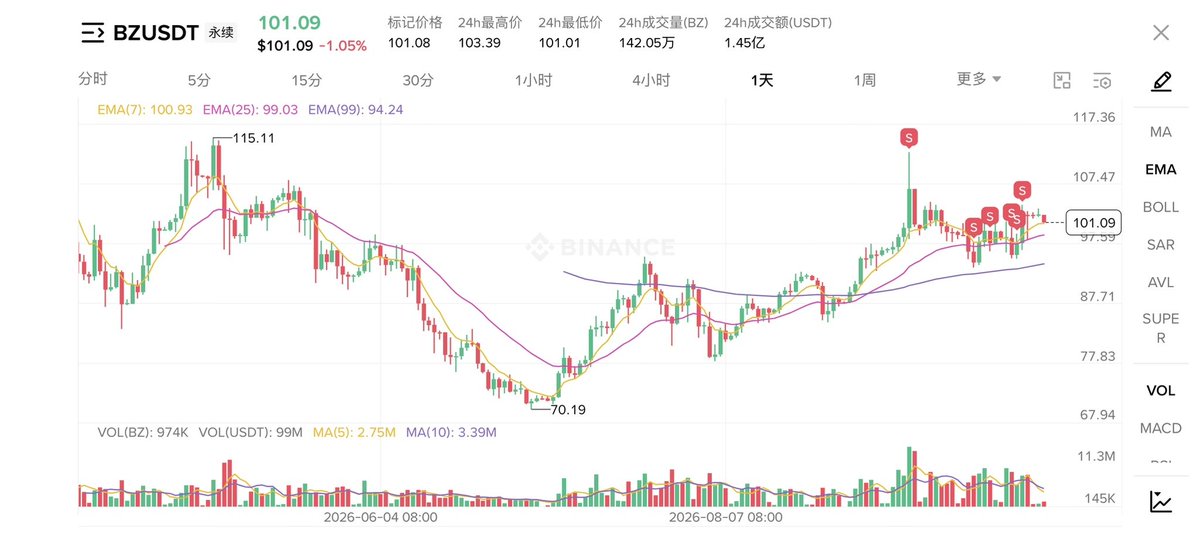
10月5日查到的公开报价,WTI大约 89.9 美元,Brant大约 101.4 美元,一桶油相差约 11.5 美元。因为目前显示的价格中 WTI 是 11月 合约,而 Brant 是 12月 合约,所以确实会有一部分差价。
但产生差价也不是没有原因的,美国的油(WTI)虽然便宜,但把它运到海外,现在也很贵。
正常情况下,美国油便宜,欧洲和亚洲的买家就会多买,美国原油需求增加,价格也会被带起来,两边的差距就会缩小。但现在运费高,油轮也紧张,买油省下来的钱,有一部分要花在运输上,所以价差一直下不来。
Brant又更受国际运输和中东局势影响。买家担心的是油能不能按时运到,运输会不会突然中断,因此愿意多付一些钱。中东出口恢复,对油价是压力,但运得更多,不代表运费和风险已经恢复正常。
此前美国讨论限制柴油出口,也曾压低WTI的价格。不过川普在10月2日已经表示不会实施禁令,G7也承诺不限制成员之间的能源出口,但目前价格仍然是非常小幅度的维持震荡。
对我个人来说,现在仍然是维持多做空 Brant 的情况,中东出口恢复、G7释放储备,本身给了油价下跌的理由。而且历史中正常的情况下,WTI 和 Brant 的价差往往只有 5 美元左右,所以如果你仍然想做空石油,空 Brant 的性价比会稍微高一些。
我自己还是在一路做空石油,目前 WTI 距离转正已经不远了,Brant 还需要努力一段时间。
一个 @Gate ,交易更多市场

713 粉丝
View History
.ai to .si. same hype, different country collecting rent
中文: .ai 到 .si. 同样的炒作,不同国家收取租金

119948 粉丝
View History
RT @wanerfu: 🚨 大多数人用 Claude 做网站的方式,从一开始就错了
他们只会说:
“帮我做一个现代化的商业网站。”
然后得到的就是所有人都会得到的那种千篇一律的网站
我会反过来做
给它安排 7 个不同的职位:
① 创意总监 → 定风格
② UX 设计师 → 设计结构
③ 文案 → 写出能卖货的文字
④ 前端工程师 → 搭建网站
⑤ 艺术总监 → 做视觉
⑥ QA 工程师 → 试着搞崩它
⑦ CRO 专家 → 找出为什么不转化
结果就像请了 agency,但一分钱没花
下面是这 7 个 exact prompt ↓
26414497 粉丝
View History
Japan has no plans for new oil release from national reserves, official says https://reut.rs/47A9vy4 https://reut.rs/47A9vy4
176872 粉丝
View History
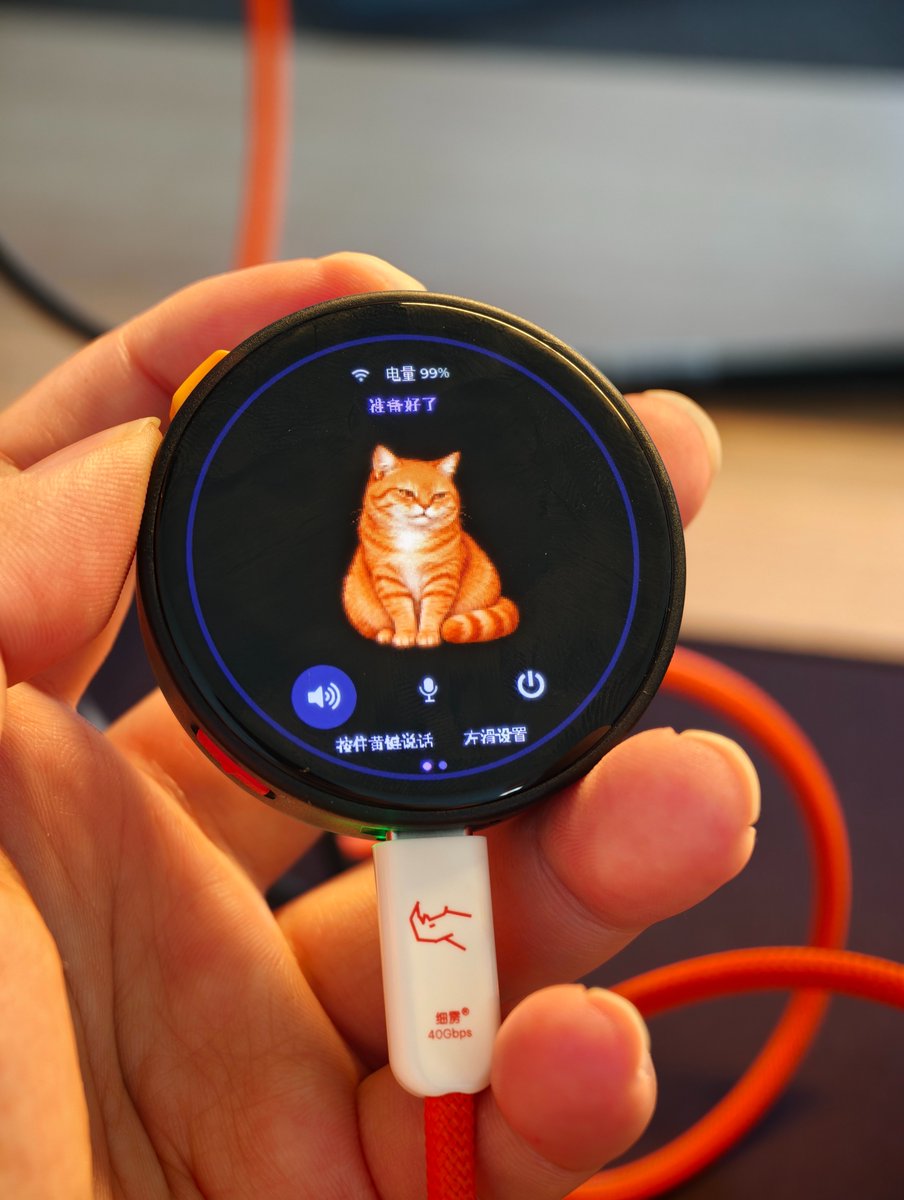
它原始的 Muse Gadgets SDK 在这个设备上的设计有点问题,就是太臃肿、太拥挤了,而且默认也不是中文。
然后我就改了一下,整个 UI 看着更协调,同时界面改成了中文,还把中间的形象换成了和我 Muse 一样的那个橘猫 https://twitter.com/op7418/status/2107015036493615446/photo/1

1661511 粉丝
View History
另外,现在多空OPN都是极低的性价比,
多:项目方把项目卖你了(猴年马月让你apr负的)
空:20M的壳子万一被庄捡走了(猴年马月突然开拉)
不碰才是正解。

735958 粉丝
View History
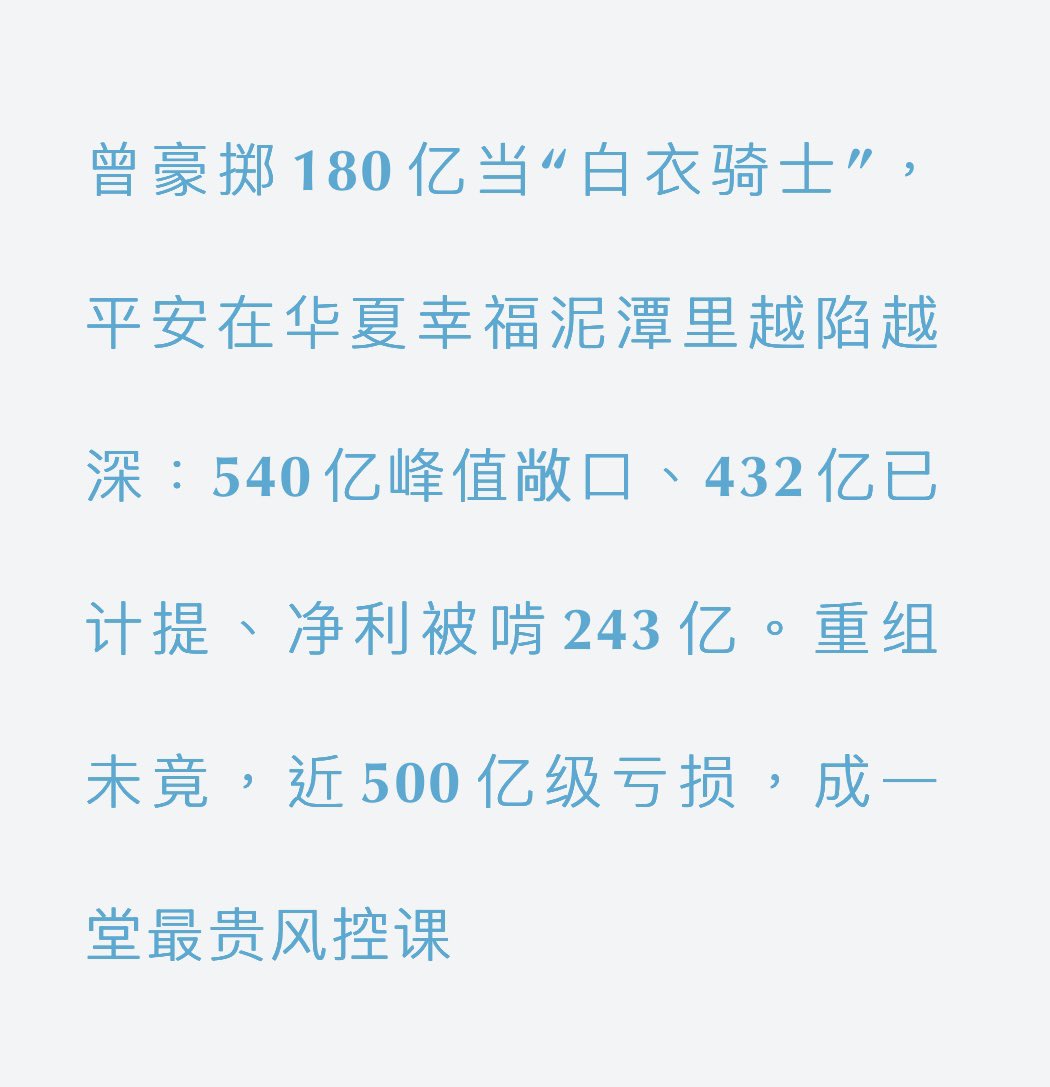
当年保险行业的投资标兵—-中国平安,在华夏幸福这一家公司身上,大概亏了五百亿。未来的中国资产管理行业,会面临很多年的资产荒吧? https://twitter.com/xzzzjpl/status/2107014824832245813/photo/1

727674 粉丝
View History
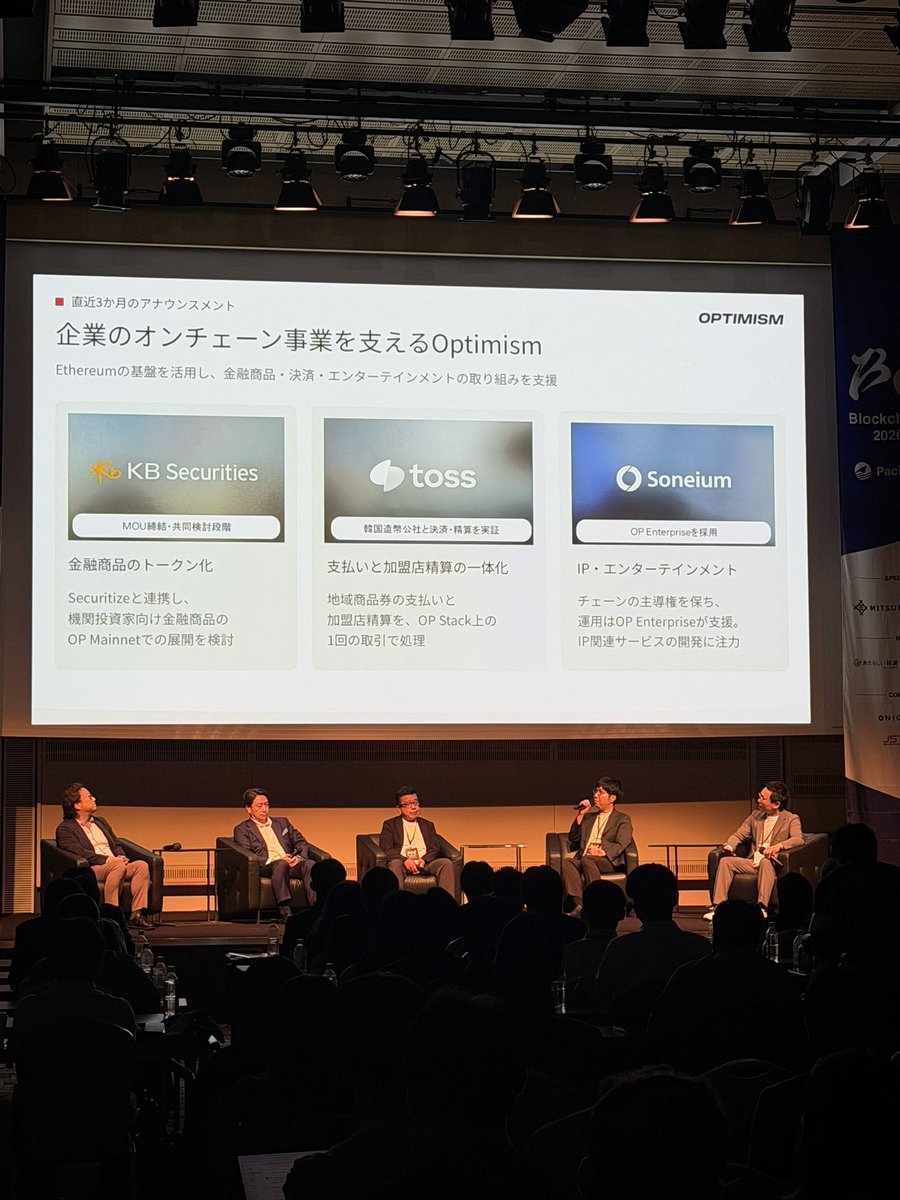
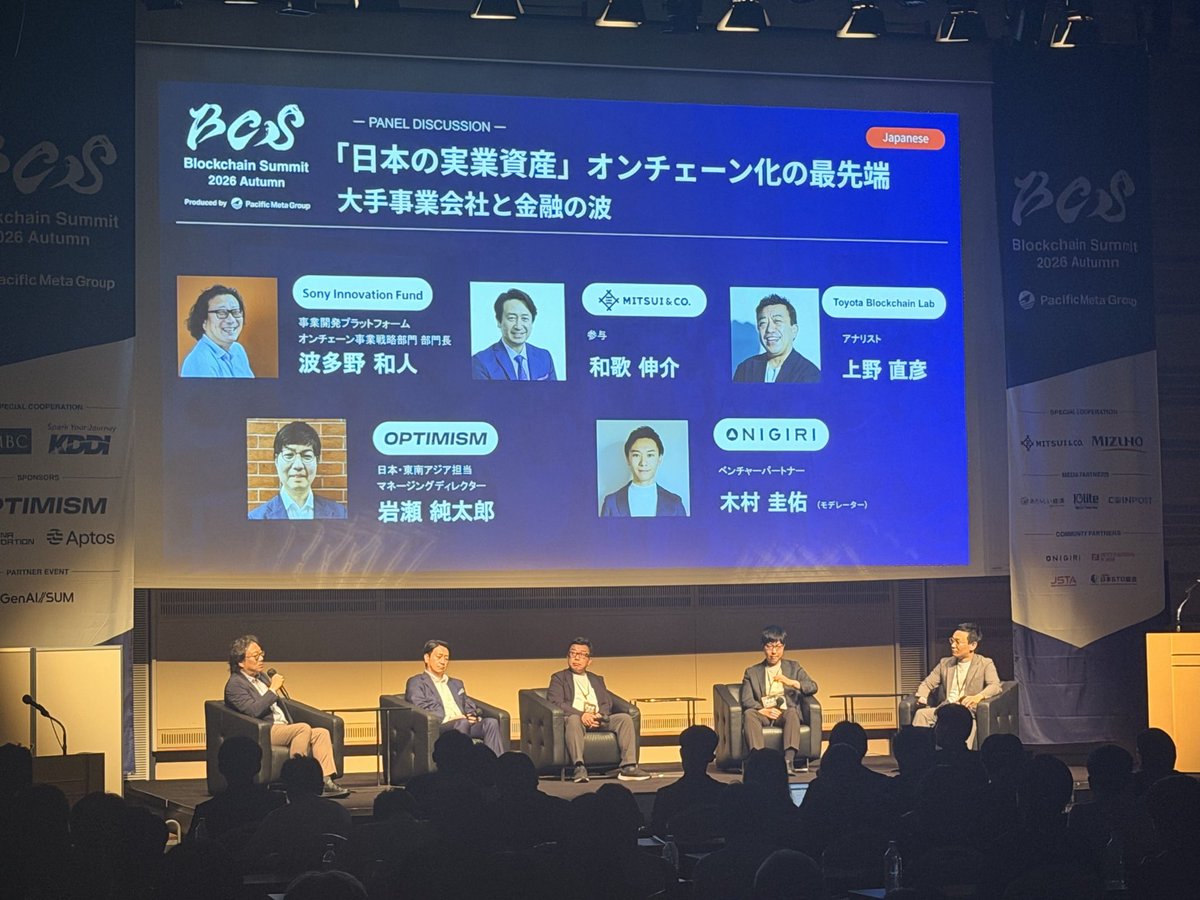
“Optimism is here to help enterprises realize their onchain businesses and ambitions.” - Juntaro Iwase - MD JP & SEA https://twitter.com/Optimism/status/2107014519310651686/photo/1
中文: “乐观是为了帮助企业实现其链上业务和抱负。”——Juntaro Iwase - MD JP & SEA

287451 粉丝
View History
不得不说BSC社区的天才很多很多。今天看到了cz提出gigglehero这个词汇,就有社区发起了一个新的慈善概念代币,捐款同样送给Giggle Academy。首先 $GIGGLE 是社区发的慈善向 meme (已登录币安cex)
而gigglehero的优势是选择GIGGLE作为该meme底池,让慈善可以更好的延续,链上买卖有 5% 税,换成giggle打到 Giggle Academy 捐赠地址。
币安一直以来也把一部分 GIGGLE 交易手续费捐给学院,学院再销毁一部分、用它做底池可以理解成成「Giggle 生态 / 交易即捐赠」的延伸,也是慈善的双重延续飞轮
流量会从 GIGGLE 持有者过来一些,扫 GIGGLE 交易对、持有 GIGGLE 的人会先看到这个池。买新币往往要先有或先换 GIGGLE,买盘会经过 GIGGLE,叙事上等于给底池币再加一层需求。
池子里一半价值是 GIGGLE,GIGGLE 涨时,即使新币对 GIGGLE 的价格不动,按美元计价的池子和币价也会被带起来,形成慈善飞轮。

3915567 粉丝
View History
BNB Seoul was the place to be 🇰🇷
We gathered the ecosystem under one roof to talk about what’s next onchain, from more assets to stronger infrastructure for the next wave of users.
None of this happens without the people who keep building and showing up.
Till next time, Seoul 🫰
中文: 首尔BNB是成为🇰🇷的地方
我们将生态系统紧密地聚集起来,讨论下一代供应链,从更多资产到为下一波用户提供更强大的基础设施。
这些事情,没有那些不断建设和出现的人,就不会发生。
直到下一次,首尔🫰
🎬
视频
41936720 粉丝
View History
@SemperCitiusSDA About eight minutes after liftoff, Falcon 9’s first stage will return to Landing Zone 4 at Vandenberg Space Force Base, announcing its arrival with a sonic boom
中文: @SemperCitiusSDA 在升空约八分钟后,猎鹰9号的第一阶段将重返位于范登堡太空军事基地的着陆区4号,并以音爆声宣布其抵达
26414497 粉丝
View History
COMMENTARY: Oil's new problem isn't supply. It's logistics https://reut.rs/4hJ1WKj https://reut.rs/4hJ1WKj
中文: 评论:石油的新问题不是供应问题。物流

231091 粉丝
View History
RT @BreakPointChina: 医生自述很多时候ICU抢救过来的仅仅是一颗心脏,太敢说了! https://twitter.com/BreakPointChina/status/2106280087142146186/video/1
🎬
视频

104669 粉丝
View History
Tria 前段时间的等待名单开了,在手机上抽评级卡,宝可梦、海贼王、体育卡都有,抽到能留、能马上卖回,也能直接寄到家。
每晚 9 点用卡付还有一个共享 5 万美元的返现池,最高 6%,先到先得。
榜单打到 10 月 18 日,卡和钱包都计分,第一名是 PSA 10 灰色毛毡帽皮卡丘。
@useTria
41936720 粉丝
View History
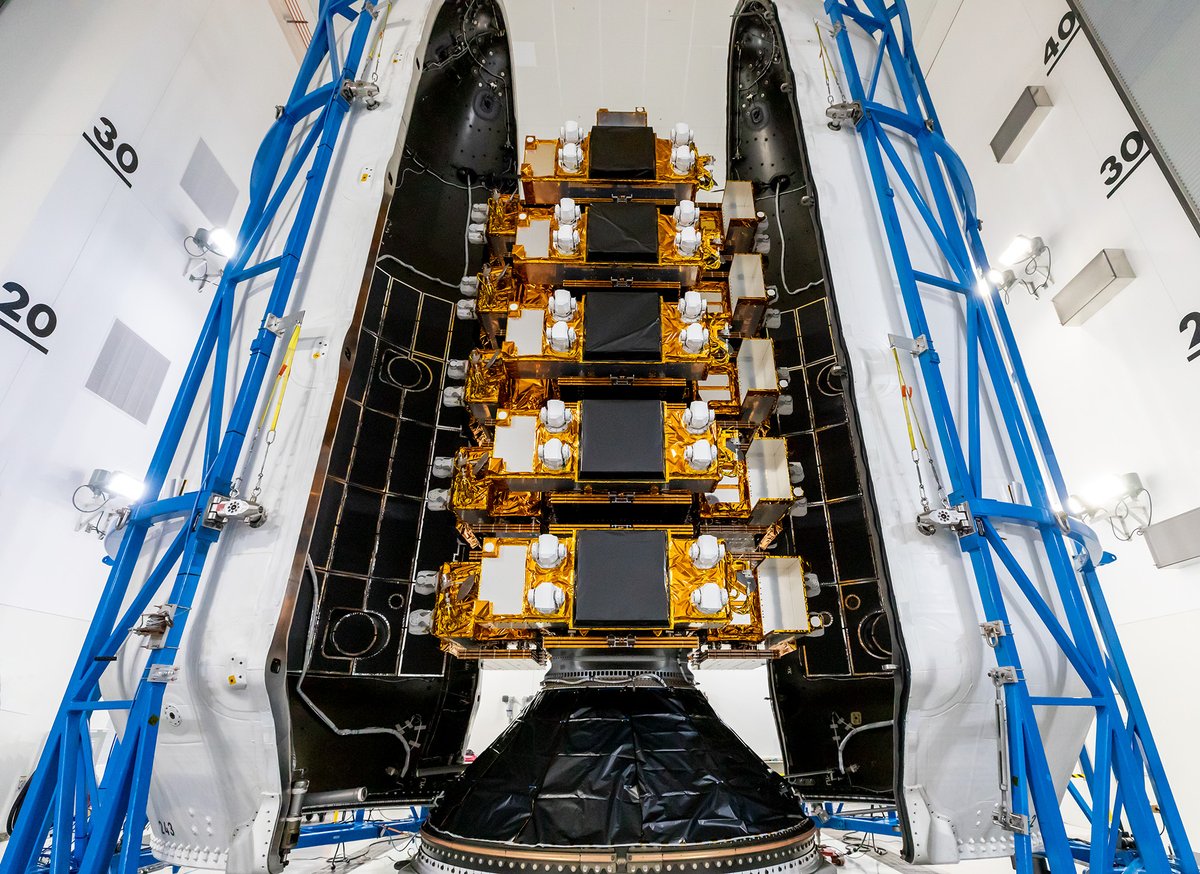
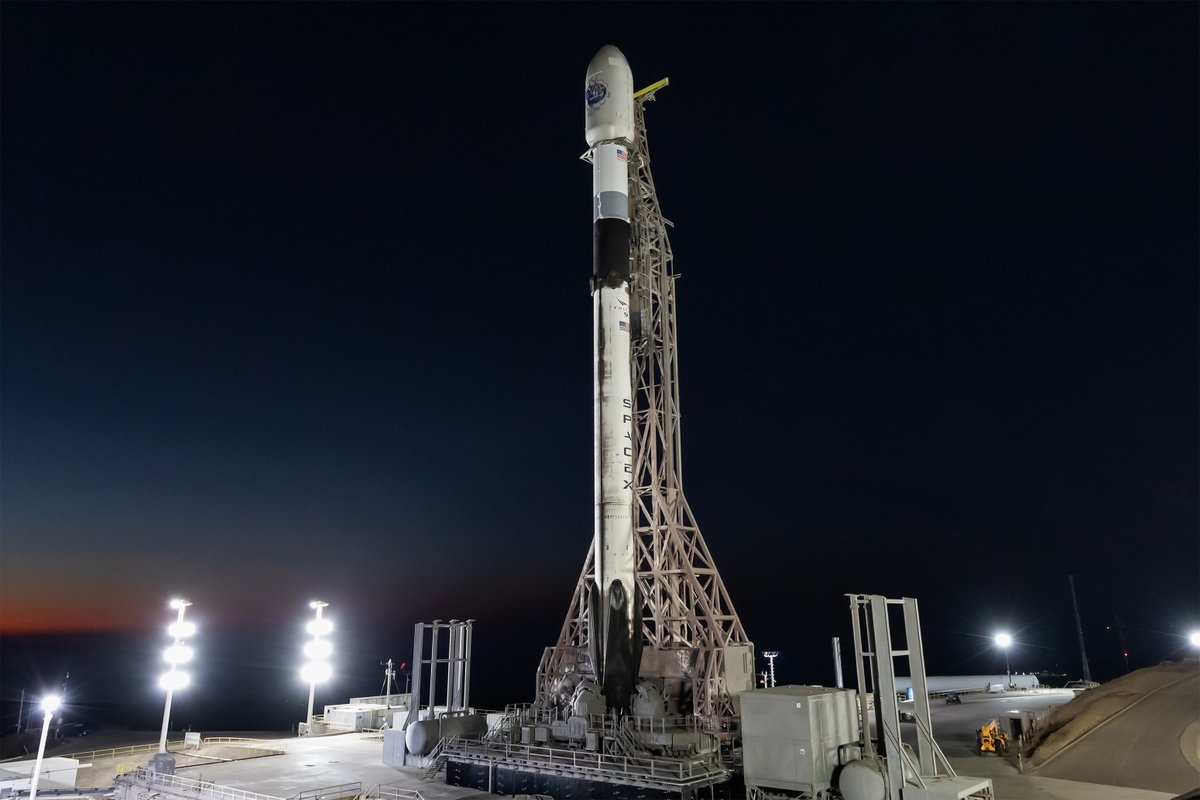
All systems are looking good, and weather is favorable for liftoff. Propellant load is about to begin for Falcon 9’s launch of the @SemperCitiusSDA's fourth Tranche 1 data transport mission from California → https://spacex.com/launches/sda-t1tl-a https://twitter.com/SpaceX/status/2107013151393038822/photo/1
中文: 所有系统都看起来不错,而且天气适宜升空。猎鹰9号即将启动从加利福尼亚发射的@SemperCitiusSDA第四次“Tranche 1”数据传输任务的启动时间 →

752966 粉丝
View History
乌克兰国防部情报总局披露,俄军新版天竺葵-4无人机已换装光学导航和新弹头:苏萨宁地形图像导航系统配合带磁力计的MOKh模块,提高航线精度;新型KRSN聚能切割弹头则用于打击桥梁和输电塔。 https://twitter.com/__Inty__/status/2107013121558667448/photo/1

26414497 粉丝
View History
Euro pummelled by France's debt burden; stocks mixed https://reut.rs/4dVV1w3 https://reut.rs/4dVV1w3
中文: 欧元受法国债务负担冲击;股票涨跌

129950 粉丝
View History
> Supplied ETH
> Borrowed USDT
> Deposited that USDT in Lighter LLP
> Making $300-$500 everyday
> And with that money building short position on ETH as an hedge https://twitter.com/Axel_bitblaze69/status/2107012920270057624/photo/1


181692 粉丝
View History
据 CoinDesk,截至 10 月 5 日,约 150 万枚 ETH 正等待进入以太坊质押队列,价值约 40 亿美元,预计等待约 25 天;与此同时,约 78.6 万枚 ETH 仍在退出队列中,预计等待近 14 天。9 月 29 日退出队列仅约 16.6 万枚 ETH,至 10 月 2 日一度升至约 85.1 万枚。本轮退出队列激增主要与 MetaMask 在安全事件后预防性撤出验证者有关,Lido 预计相关 ETH 后续将逐步重新进入质押。https://www.wublock123.com/news/about-15-million-eth-are-waiting-to-enter-the-staking-queue-and-the-surge-in-withdrawals-is-related-to-the-metamask-security-incident-69535
7118485 粉丝
View History
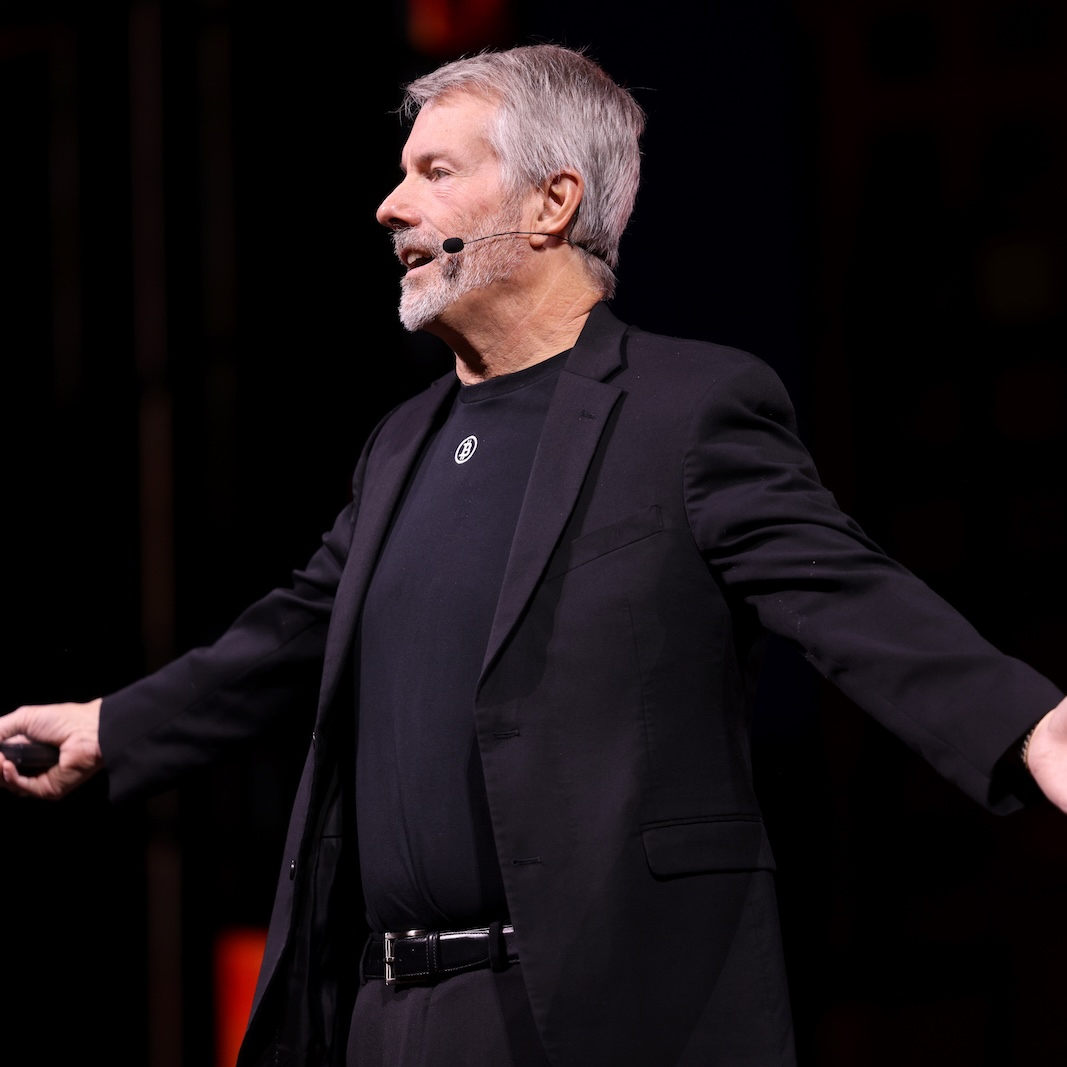
LATEST: 💰 Michael Saylor posted "More orange than ever" on X alongside Strategy's purchase chart, fueling speculation about another Bitcoin buy after two straight weekly purchases. https://twitter.com/CoinMarketCap/status/2107011702394859740/photo/1
中文: 最新消息:💰 迈克尔·赛勒在X平台上发布“橙子比以往任何时候都多”,与Strategy的购买图表同时发布,引发了外界对连续两次购买比特币的猜测。
26414497 粉丝
View History
Gold gains as October Fed rate hike prospects fade https://reut.rs/4i3EeJS https://reut.rs/4i3EeJS
中文: 随着10月美联储加息前景逐渐消退,黄金涨幅将逐渐消退

5067093 粉丝
View History
Since its invention in 1959, the MOSFET transistor has become the most produced artificial object in history with over 13 sextillion manufactured.
中文: 自1959年发明以来,MOSFET晶体管已成为历史上生产最多的人工物体,制造了超过13个六万亿。

88735 粉丝
View History
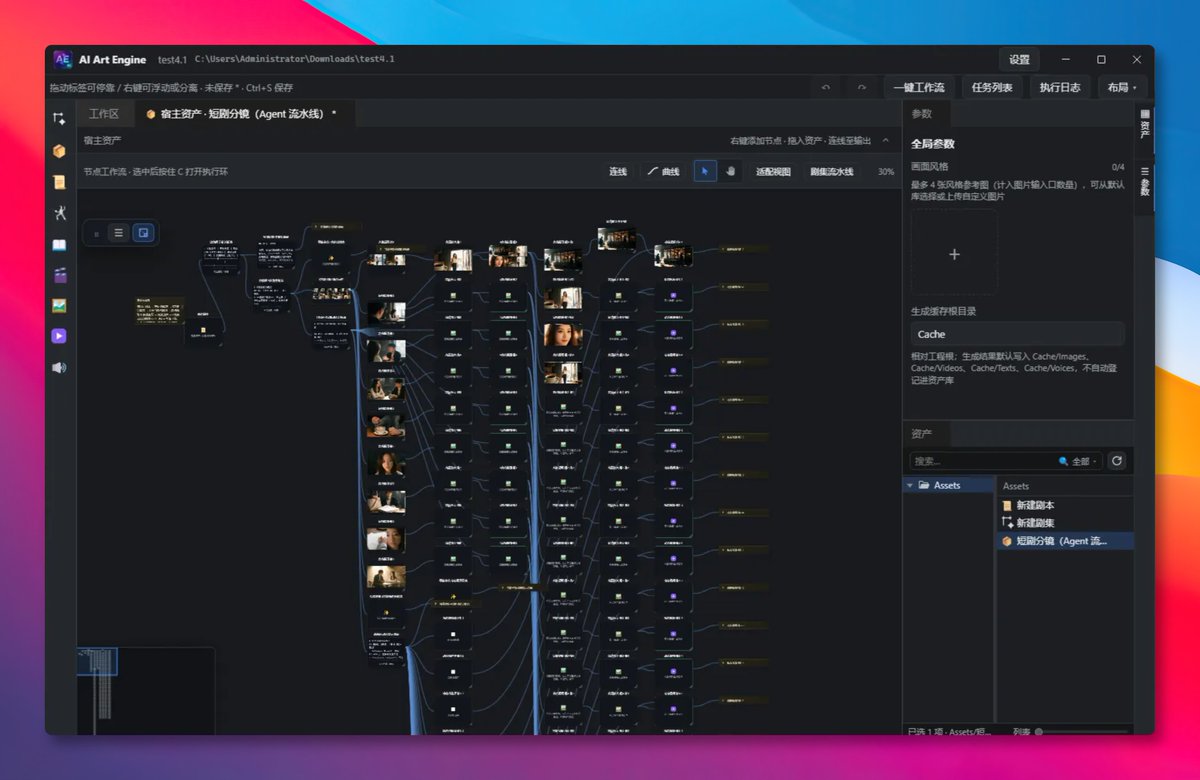
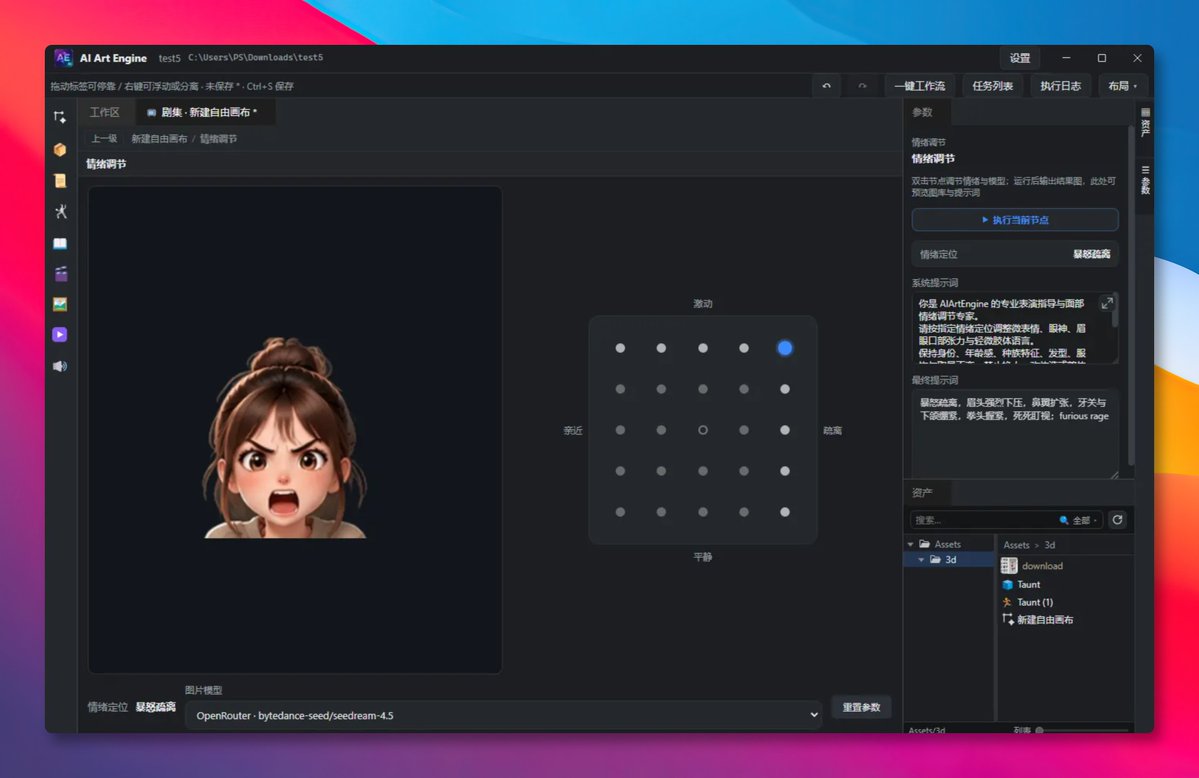
做短剧或者广告片,分镜在一个工具里画,图片视频去另一个网站生成,配音再换一个,素材下载下来散得到处都是。
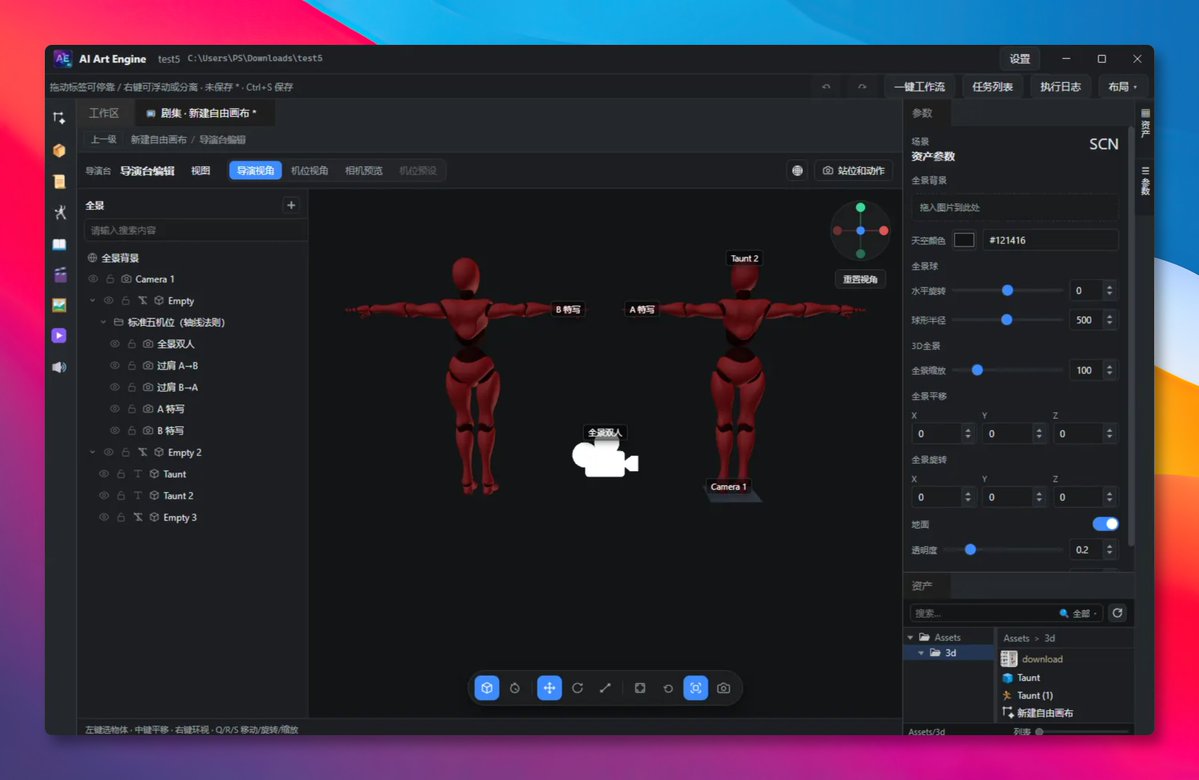
AI Art Engine 是一款开源的 AI 创作桌面工具,资产、分镜、节点图都放在同一个软件里,工程和素材存在本地,模型用自己的 API Key。
预设了短剧分镜、产品广告、电商带货、游戏 3D 资产、知识口播这些一键工作流,文本、图片、视频、声音、3D 模型的生成节点连起来就能跑。
GitHub:https://github.com/Justin-sky/ai-art-engine
Claude Code、Codex 这些 Agent 可以直接操作工程,还能连上 Blender,在聊天里让它把几个方块拼成底座,做完再截张图自己检查。
模型接得很全,DeepSeek、智谱、Kimi、可灵、MiniMax、通义千问、ComfyUI 都在列表里,Windows、Mac、Linux 都有安装包。
功能多到 README 要翻好几屏,一个人做短剧或者买量素材的,先从模板开始摸会顺手一些。

26414497 粉丝
View History
🔊 Teaching children to code was meant to prepare them for the future. But AI is changing the rules. On this episode of The Big View podcast, Daniel Susskind tells Peter Thal Larsen why forecasting future jobs is futile and critical thinking is key https://reut.rs/4d58yRK
中文: 🔊 教孩子编程的目的是让他们为未来做好准备。但人工智能正在改变规则。在《大视野》播客的这一集中,丹尼尔·萨斯金德向彼得·塔尔·拉森讲述了为何预测未来工作是徒劳的,而批判性思维至关重要
26414497 粉丝
View History
Suncor to sell offshore Canada oil stakes to Ithaca for $842 million https://reut.rs/3TASxMP https://reut.rs/3TASxMP
中文: Suncor 将以 8.42 亿美元向伊萨卡出售加拿大近海石油股份
2936694 粉丝
View History
🇸🇬 The Future is NOW.
@OKX's global product event, OKX Now, hits Singapore on 6 October. RSVP to see what they've been building for the future of finance.
Details here → https://luma.com/OKXNow https://twitter.com/Cointelegraph/status/2107010400961048800/photo/1
中文: 🇸🇬 未来就是现在。
@OKX 的全球产品活动 OKX Now 将于10月6日登陆新加坡。请关注他们为金融的未来所建立的未来。
详情请见此处 →

26414497 粉丝
View History
Students protest in Paris over school conditions and funding https://x.com/i/broadcasts/1AKEmvZLZglKL
中文: 学生们在巴黎抗议学校条件和资金资助

100031 粉丝
View History
The Rollup创始人Andy暗示Polymarket代币POLY即将推出
加密媒体The Rollup创始人Andy发文称“POLY is coming”,暗示Polymarket代币POLY即将推出。其配图展示了Polymarket创始人Shayne Coplan的帖文,后者表示可能会在新加坡TOKEN2049大会上就相关话题分享消息。Andy的帖子未披露代币发行时间、分配方案或空投细则。
另据Polymarket首席营销官Matthew Modabber公布的数据,9月26日至27日,Polymarket美国及DeFi业务总收入合计990万美元,同期Hyperliquid总收入为264万美元,前者约为后者的3.75倍。

310282 粉丝
View History
我又让grok给我加了件外套
原本也是吊带
但还是有点不好
今天就放纵一下
反正流量也不好
不会有很多人看见
这张照片其实是2022年拍的
我回国剪了短发
第一次尝试留刘海
但确实很奇怪
哈哈 https://twitter.com/sujing110/status/2107008863967007128/photo/1


149300 粉丝
View History
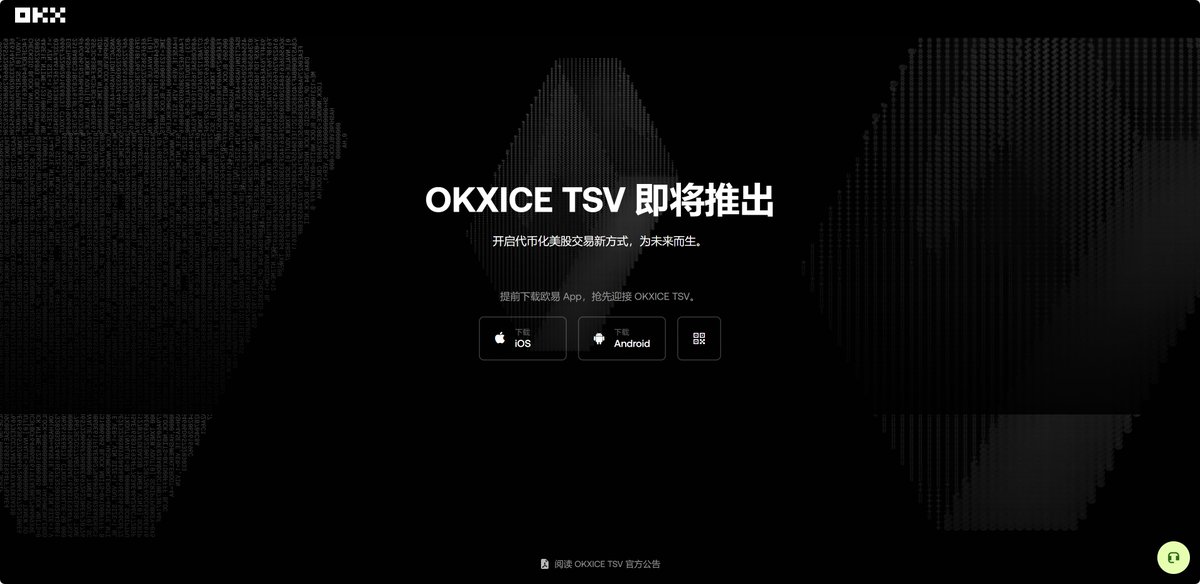
🚨大事件!
OKX × ICE(纽交所母公司)= OKXICE
已向 SEC 提交申请,推出代币化股票交易平台 TSV!
- 60+ 美国上市公司
- 区块链技术
- 全球化
- 7×24 全天候
传统金融 + 加密世界,正式合流。
下一代金融要开始了!
26414497 粉丝
View History
Georgia block party shooting kills two, injures dozens https://reut.rs/4doQulI https://reut.rs/4doQulI
中文: 佐治亚州街区党内枪击事件造成两人死亡,数十人受伤

420864 粉丝
View History
hype空投了百分之三十代币
Polymarket有代币空投吗?
26414497 粉丝
View History
BREAKING: Spanish Prime Minister Pedro Sánchez called an early election for November 29 following the Spanish parliament's rejection of the government's attempt to tackle the country's housing crisis after protests over unaffordable rents and evictions https://reut.rs/4hFhvlV
中文: 爆料:西班牙首相佩德罗·桑切斯在因租金和驱逐事件引发抗议后,拒绝政府解决该国住房危机的抗议活动,随后于11月29日提前举行选举。

222363 粉丝
View History
See it in action at➡️https://tokens.wardenprotocol.org/
中文: 请参见操作,网址为:➡.
420864 粉丝
View History
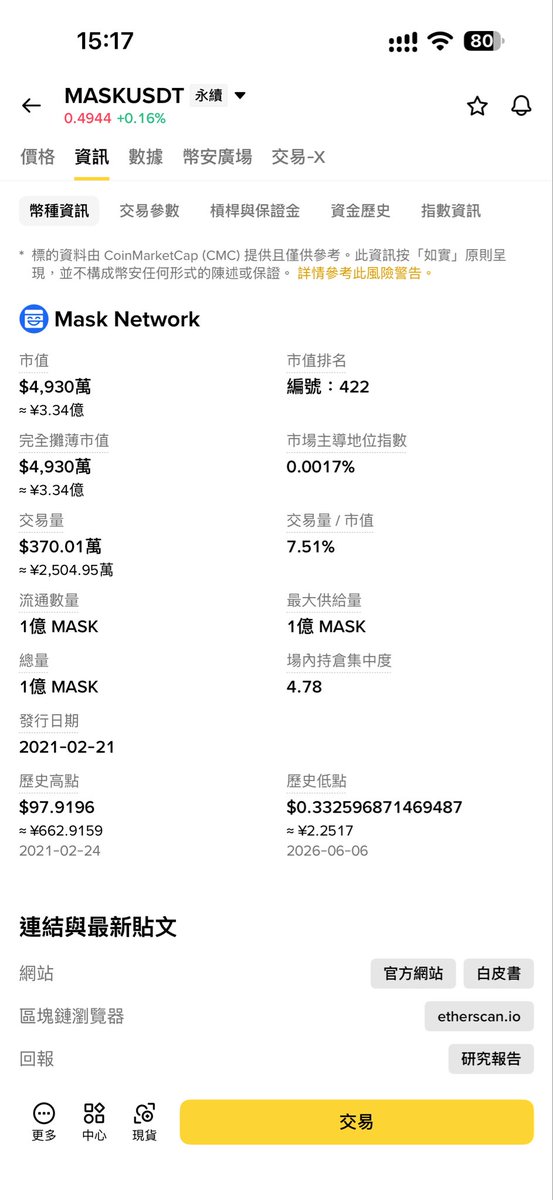
所以mask 很牛逼?
大哥莫笑二哥
都是没有蛋蛋的人 https://twitter.com/hebi555/status/2107007359457603717/photo/1
222363 粉丝
View History
Nanan-anana-nanana ♪
Trade smarter. Dont fall for FOMO. https://twitter.com/wardenprotocol/status/2107007354869104908/video/1
🎬
视频

129200 粉丝
View History
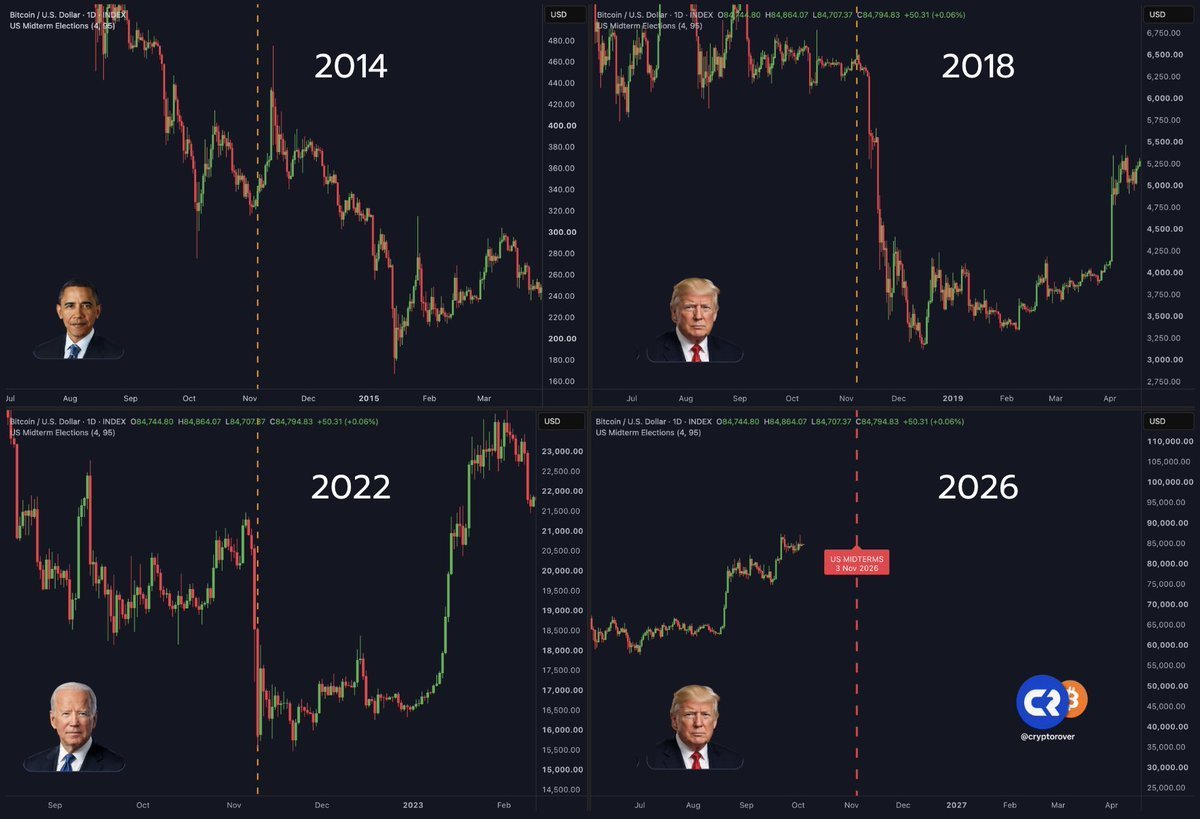
🚨 比特币在中选之后历来容易砸盘。
这次会照旧下跌,还是会终于走出不一样的周期?
记住:牛市之中,逢跌必买! https://twitter.com/Wuming_Mr_/status/2107006997287625150/photo/1

92147 粉丝
View History
📌 量子安全网络 @quipnetwork 10% 空投与 QP 积分农场交互指南!!!
@quipnetwork 官方正式开启了 Quip Points (QP) 积分计划,明确说明 10% 的 $QUIP 代币将在 TGE 100% 释放空投!
空投指南⬇️
1️⃣访问https://t.co/fyha8BnG1z创建 Quip 账户:连接 EVM 钱包,切换至 Base 链,支付约 $1.10 Base ETH 铸造 12 位密码账户(空投归集唯一凭证)。
2️⃣绑死绑定关系:前往 Quip Quest 绑定 Discord / X 社交账户,确保与 EVM 钱包地址一致。
3️⃣测试网每日零成本签到:在 Open Order Book 切换至 "PAPER" 测试网模式,每天 Take & Sign 5 笔交易(5 QP/天,完全免费)。
🎬
视频

101047 粉丝
View History
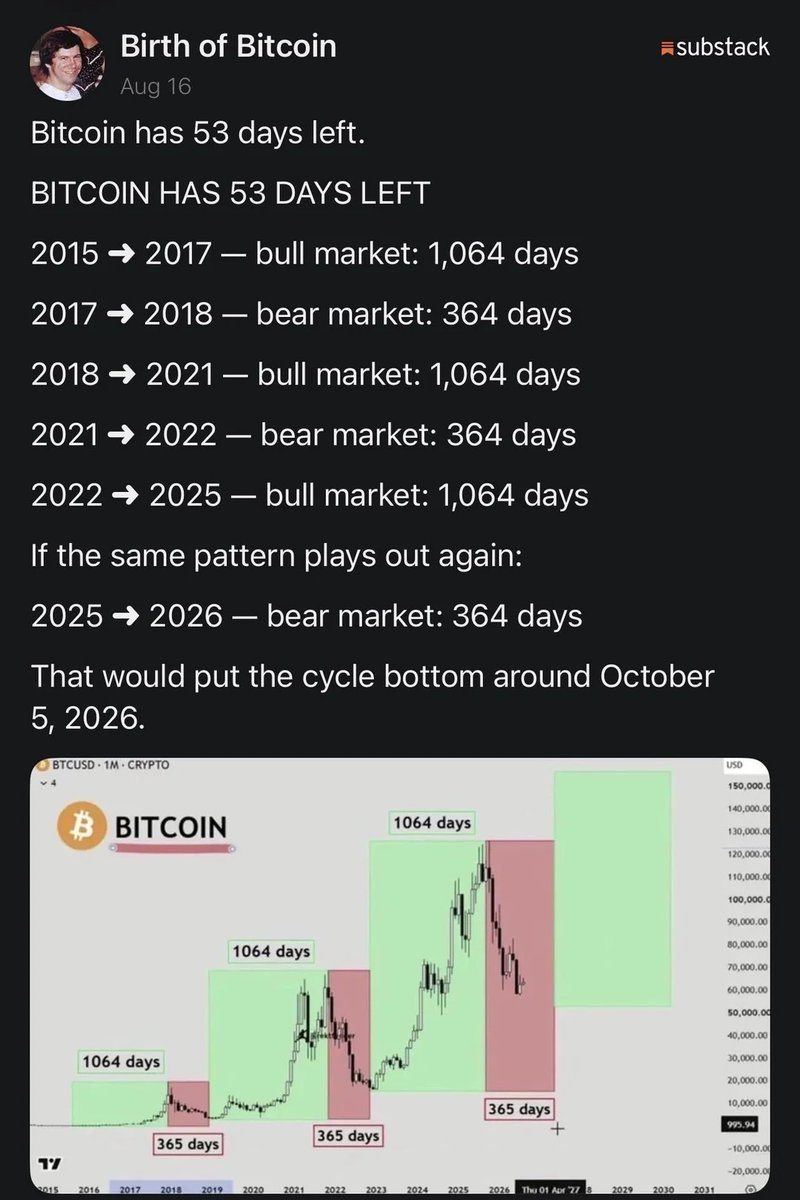
叼毛们,都注意点,今晚看看情况吧。
根据 4chan 理论,比特币今天应该触底。但那并没有发生。 https://twitter.com/Blockchainrese6/status/2107006454423294102/photo/1
119948 粉丝
View History
7. 考官级测试
“像严格考官一样测试我对 [填入主题] 的理解。从基础到高级出题,诚实评估我的回答,解释我错在哪里,并明确告诉我下一步该改进什么。”
119948 粉丝
View History
6. 常见错误与避坑指南
“找出人们在学习和应用 [填入主题] 时最常犯的错误。解释这些错误为什么会发生、如何阻碍进步,以及我在学习过程中具体该怎么避免或纠正它们。”
119948 粉丝
View History
忘掉 Udemy。
忘掉 Coursera。
忘掉那些付费课程。
Claude 现在可以免费教你任何东西。
用下面这些提示词,2026 年让你的学习效率起飞:
26414497 粉丝
View History
Bain Capital bets on demand growth for sustainable aviation fuel https://reut.rs/3Uc9Wvr https://reut.rs/3Uc9Wvr
中文: 贝恩资本押注可持续航空燃料需求增长
104669 粉丝
View History
OKX和 ICE 合资的 OKXICE 计划推出代币化股票交易平台,现在在等SEC通过。
我已经定投OKB一段时间了,我在等通过那天可以来一根一飞冲天威力无边🫢 ethereum:0x75231f58b43240c9718dd58b4967c5114342a86c

99102 粉丝
View History
Just AI, Just AI https://twitter.com/mrblock/status/2107004056699052512/video/1
中文: 人工智能,人工智能
🎬
视频
310282 粉丝
View History
这种的是怎么回事?
你们会回关吗? https://twitter.com/sujing110/status/2107004000436727948/photo/1


22941 粉丝
View History
gm to everyone starting another week of farming
plan for today: keep clicking perps ofc
today's targets:
→ $2m volume on variational swaps, mostly usoil/cocoa
→ $100k on arcus stocks/etfs
→ $100k on txflow
variational is still getting most of my attention for now
if you wanna join arcus and plan to put up some decent volume, i've got 2 codes
sign up to txflow → https://app.txflow.com/r/TXINWOODS
for variational, i'd recommend finding a ref that gives the +18% points bonus, mine doesn't.
wishing you all an amazing day!
中文: 向大家来说,再开始一周的农耕
今日计划:继续点击
当今的目标:
→ 200万美元的变量互换,主要为油/可交易
→ 10万美元用于股票/股票
→ 10万美元
目前,变种性仍然引起我的大部分关注
如果你想加入 arcaus 并计划增加一些不错的音量,我有两个代码
注册到 txflow →
对于变数,我建议找一个提供+18%积分奖励的推荐,我没有。
祝大家度过美好的一天!

2936694 粉丝
View History
⚡ INSIGHT: Jay Clayton prosecuted Roman Storm and XRP, now he's now President Trump's new AI Czar. Peter Brandt says the Bitcoin bull market has "very good chance of reaching half a million."
Hodler's Digest this week:
https://ct.com/magazine/former-sec-boss-made-ai-czar-bitcoin-may-hit-600k-this-cycle-hodlers-digest
26414497 粉丝
View History
Huawei agrees to a multi-year patent licensing deal with Qualcomm https://reut.rs/4AU7Jpc https://reut.rs/4AU7Jpc
中文: 华为同意与高通公司达成一项多年期专利授权协议,
3337499 粉丝
View History
投资者将疲软就业数据视为美联储将暂缓加息的信号,美国主要股指走高。未来几周或许会对股市更为有利。回溯至1950年的道琼斯市场数据资料显示,在中期选举前的一个月里,标普500指数平均涨幅为3.9%。https://cn.wsj.com/articles/WP-WSJS-0003948034
6838 粉丝
View History
荫云英国双ISP VPS方案汇总
英國雙ISP| VPS ①
CPU:1核
內存:1GB
硬盤:10GB
帶寬:500Mbps
流量:1000GB
IP:1 IPv4(雙ISP)
DDoS防禦:無
線路:國際綫路
可選系統:Linux
$10.00 USD月繳
--------------
英國雙ISP| VPS ②
CPU:2核
內存:2GB
硬盤:20GB
帶寬:600Mbps
流量:2000GB
IP:1 IPv4(雙ISP)
DDoS防禦:無
線路:國際綫路
可選系統:Linux
$14.00 USD月繳
--------------
英國雙ISP| VPS ③
CPU:4核
內存:4GB
硬盤:50GB
帶寬:700Mbps
流量:3000GB
IP:1 IPv4(雙ISP)
DDoS防禦:無
線路:國際綫路
可選系統:Linux
$30.00 USD月繳
--------------
英國雙ISP| VPS ④
CPU:8核
內存:8GB
硬盤:100GB
帶寬:1000Mbps
流量:5000GB
IP:1 IPv4(雙ISP)
DDoS防禦:無
線路:國際綫路
可選系統:Linux/Windows
$40.00 USD月繳
购买链接:https://www.yin-net.com/index.php?rp=/store/ukisp&aff=1


12996814 粉丝
View History
3, a Nissan SUV, and two mini vans. No sports cars. Not into fast driving. Stay SAFU!
中文: 3,一辆日产SUV和两辆迷你面包车。没有跑车。不要快速驾驶。保持安全!
25039 粉丝
View History
给团队做一套按权限管控的文档库,把文档解析、分层归档、层级检索和带原文引用的 AI 问答放进同一个全栈应用,权限交给 SpiceDB 判定。
https://github.com/extend-hq/jevbox
Jevbox 是 Extend 团队开源的 TypeScript 全栈文档库应用,浏览界面用 Extend UI Finder,提供 3D Finder、网格、列表、分栏、画廊五种视图,可以查看文档树和解析后的输出。

95126 粉丝
View History
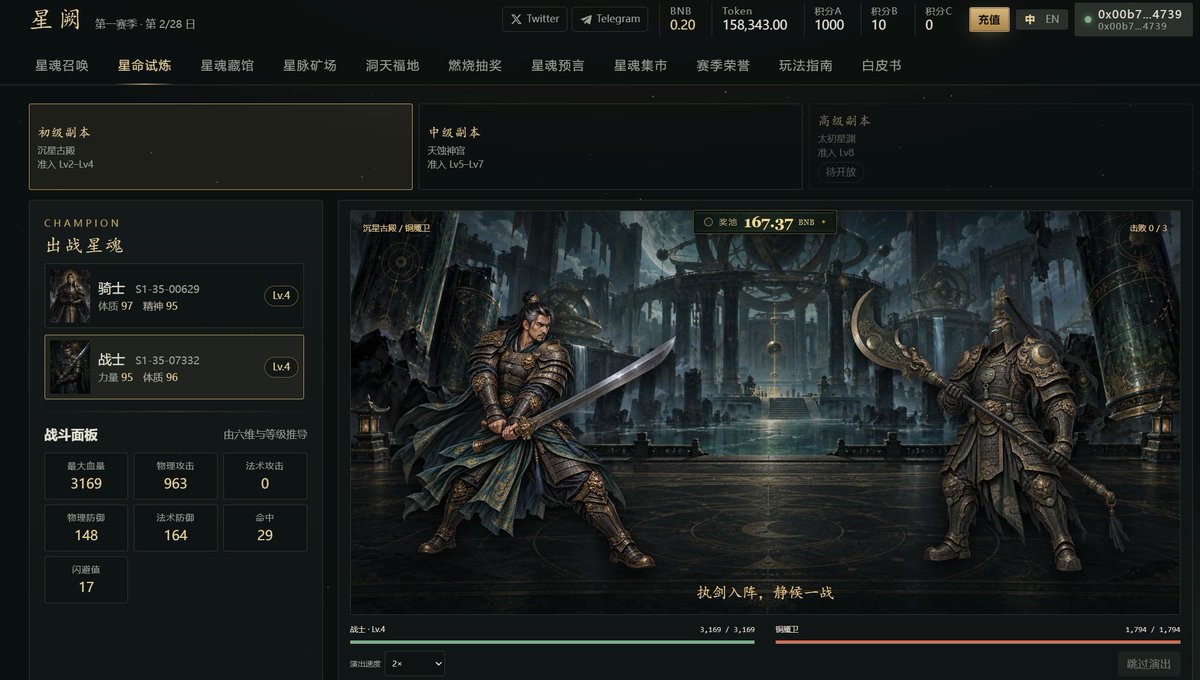
撸了一下这个游戏,刚刚开始为期14天的公测,不满意可以全额退款
Gamebox @Gameboxintj 目前公测充值比较爽的点就是放大100倍充值方便用户体验游戏,公测结束后可以选择全额退款也可以选择正式服空投,等于零风险测试
https://gamebox.meme/?invite=JJ59S2VG
具体玩法简单讲一下,核心是抽卡 + 自动战斗,用 BNB 召唤“星魂”卡牌,可能获得不同职业的英雄,星魂残珀以及 BNB 奖励。卡牌星魂可进试炼、可晋阶,“残珀”用来补体力、当晋阶材料,或投入燃烧抽奖、挖矿。正式服与测试服的 爆率 / 掉落 / 概率 / 核心机制全部保持一致,唯一主要变化的是正式服使用真正的正式服货币体系。
注意:公测版本只开放充值,暂不开放提现,公测截止时间10月19日,退款空投时间10月 19 日到 21 日,游戏正式上线预期时间为2026年10月22日
181692 粉丝
View History
吴说获悉,香港财经事务及库务局局长许正宇表示,香港计划于 2026 年内提交条例修订草案,就虚拟资产交易、托管、提供意见及管理服务设立发牌制度。此外,香港黄金中央清算及结算系统将于 2027 年第一季度正式启用,香港交易所将于 2026 年内公布以人民币计价及实物交收的全新黄金期货合约细节。
https://wublock123.com/news/hong-kong-to-introduce-virtual-asset-licensing-bill-2026-69534

244384 粉丝
View History
邀请码:H80TY4
https://app.arcus.xyz/ref/166
26414497 粉丝
View History
Co-pilot planned flydubai attack before hired by airline, two Israeli officials say https://reut.rs/4dUxQlL https://reut.rs/4dUxQlL
中文: 两名以色列官员称,副驾驶在被航空公司雇佣之前,计划发动飞迪拜袭击,
244384 粉丝
View History
OKX 走向了合规化币股路线了,计划推出代币化股票交易平台(TSV),覆盖超 60 家美国上市公司。
恭喜OKX @okxchinese 未来这是趋势,也是机遇! 加油!#OKX
7118485 粉丝
View History
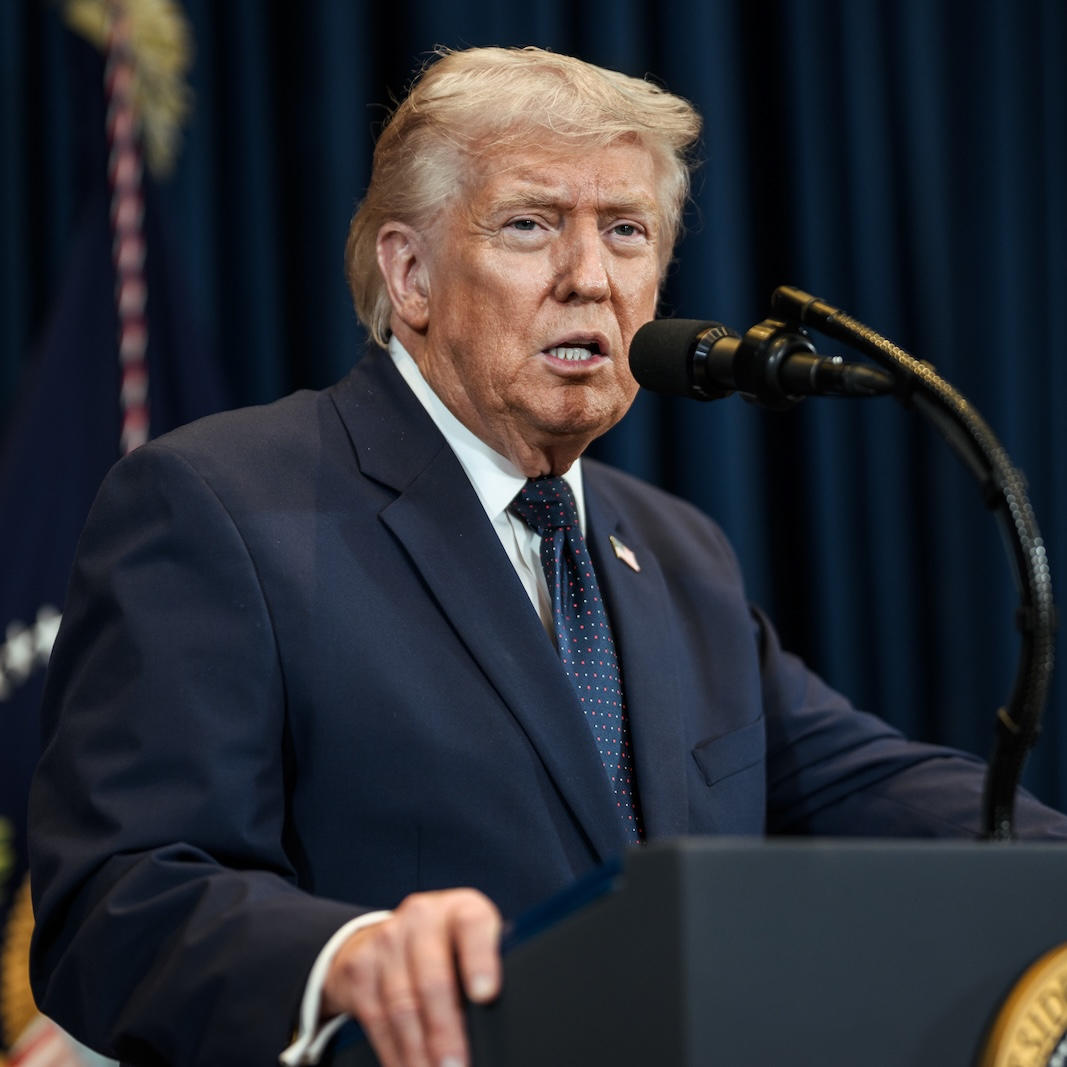
UPDATE: 🇺🇸 President Trump named Jay Clayton AI czar to lead a newly created Super Intelligence Force task force, with Clayton saying "the risk of not being first is high." https://twitter.com/CoinMarketCap/status/2106999120879567259/photo/1
中文: 更新:特朗普总统任命杰伊·克莱顿为AI沙皇,领导新成立的超级情报部队工作组,克莱顿表示“不排在第一位的风险很高。”

26414497 粉丝
View History
OpenAI's Altman says AI benefits warrant accepting some risks https://reut.rs/3VjACe7 https://reut.rs/3VjACe7

12854 粉丝
View History

210268 粉丝
View History
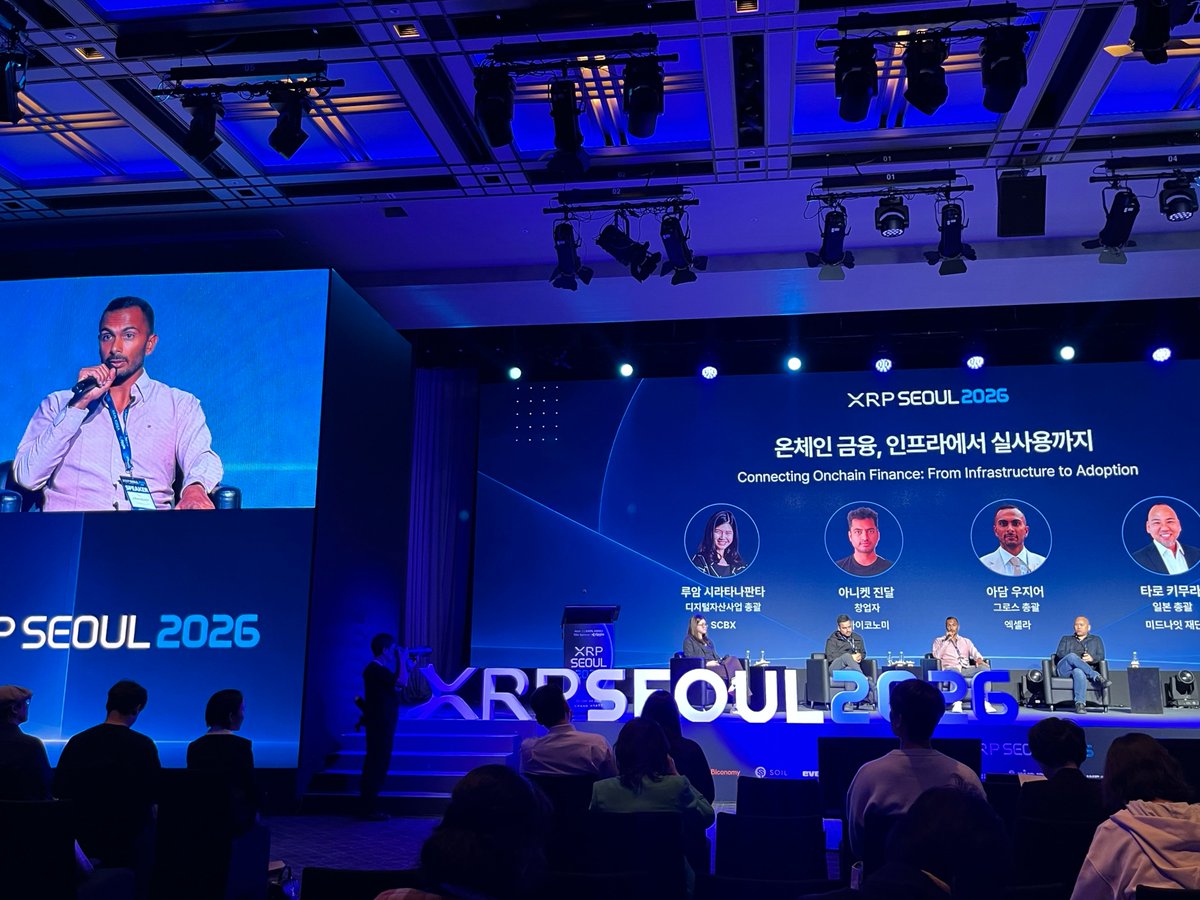
Thanks to @xrplkorea for having us on the "Connecting Onchain Finance: From Infrastructure to Adoption" panel at @XRPSEOUL 2026.
Key takeaways from the discussion below 🔎 https://twitter.com/axelar/status/2106998336675065916/photo/1
中文: 感谢@xrpkorea 将我们带到 @XRPSEOUL 2026 的“连接链金融:从基础设施到领养”小组。
下文讨论的关键要点 🔎

59745 粉丝
View History
市场监管总局发布了一组数据:2026年前三季度,全国居民水电气计量问题综合整治“回头看”工作取得明显成效,累计完成整改问题10.62万个,惠及群众2745.33万人。
但是吧,同一份文件内,对水电气表具生产企业检查的合格率是在99%以上。
那么问题来了。。。这两组打架数据背后,到底是表的问题还是什么问题?
前两年,新闻界有过几次报道部分城市出现较大范围燃气表疯跑,或者家里都没装修但是表照样走字等事件。
嘿,聪明的你估计已经想明白了。
26414497 粉丝
View History
Intesa's €35 billion bid for MPS wins backing of top investor https://reut.rs/3U86ou7 https://reut.rs/3U86ou7

419714 粉丝
View History
台北。蔡康永现身沈伯洋竞选总部,大陆零跑汽车吓得连夜切割,微博也被清空,并取关所有人。不过,台北现任市长蒋万安表态:支持而且尊重蔡康永,可以发表自己任何的主张,也愿邀请蔡康永来参加他的竞选活动。蔡康永表示:“承蒙蒋万安市长百忙之中,对在下发出摇滚区的邀请。等收到具体邀约时,康永将欣然前往观摩学习,并且会尽可能遵循该场主人希望的服装方向去打扮,共塑派对气氛”。无论是蔡康永,还是梁文道,其实都是温和的民主派的知识分子。
🎬
视频
407712 粉丝
View History
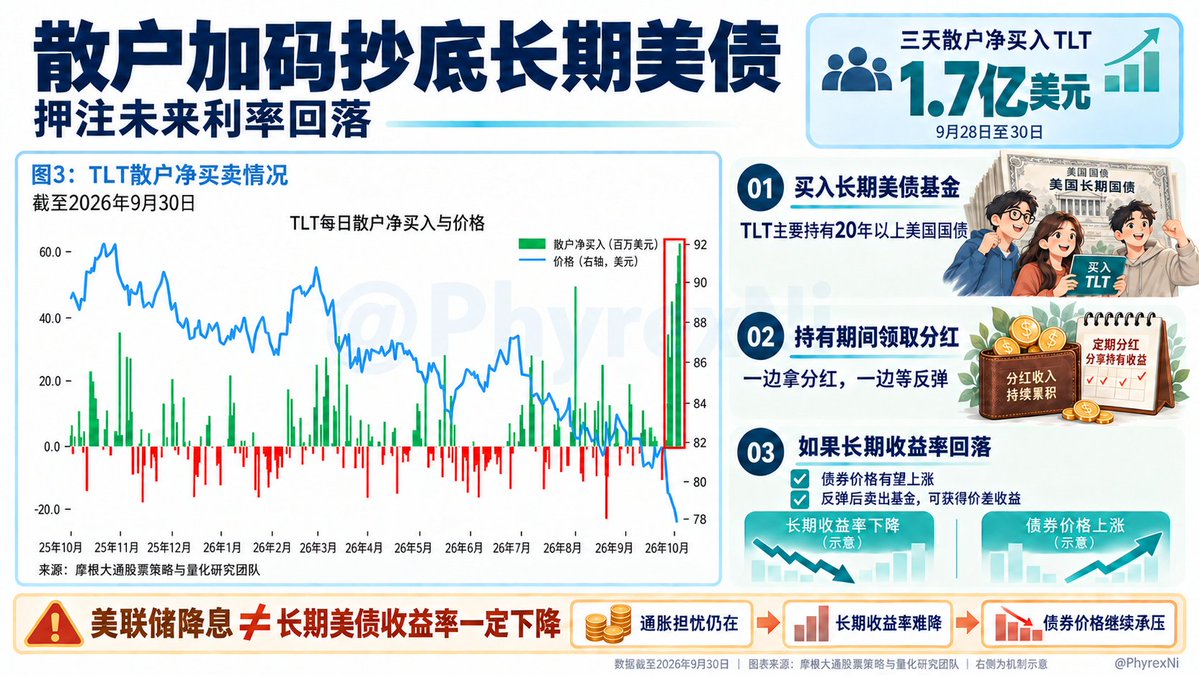
散户加码抄底长期美债,押注未来利率回落
最近散户抄底长期美债的力度明显加大,三天净买入了1.7亿美元的 $TLT,达到至少一年以来的最高水平,价格越跌,买入的钱反而越多。
主要是因为长期美债已经跌了不少,现在买进去,持有期间可以收取分红,如果以后长期利率降下来,债券价格还有上涨的机会,在二级市场可以出售,相当于一边拿利息,一边等反弹。
TLT主要买的是 20 年以上的美国国债,这类债券对利率变化很敏感。以后新发行的债券利息如果变低,手里这些利息相对更高的债券就会更有吸引力,价格也更容易上涨。
从这个角度看,抄底长期美债,本质就是在提前布局未来长期利率回落的机会。
但这笔交易需要等到利率配合。美联储降息,并不意味着二三十年期的美债收益率一定跟着下降,如果市场仍然担心未来的通胀,要求长期美债支付更高的利息,价格就可能继续承受压力。
一个 @Gate ,交易更多市场

116489 粉丝
View History
@binance @BinanceAfrica Brew
中文: @binance @BinanceAfrica 啤酒
26414497 粉丝
View History
Russian air strikes targeted port infrastructure in Ukraine's Odesa region, governor says https://reut.rs/4ANEmV9 https://reut.rs/4ANEmV9
中文: 俄军空袭针对乌克兰敖德萨地区的港口基础设施,州长称
752966 粉丝
View History
白宫正在关注俄罗斯一例疑似鼠疫事件。伊尔库茨克一家抗鼠疫研究所的工作人员据报打破装有肺鼠疫病原体的试管,之后死亡,近200名接触者正在接受观察。目前鼠疫感染尚未得到确认。
116489 粉丝
View History
RT @NFTfafafa: 这几天跑出来的标,都是浓烈的痰
真不如Gstock、Brew
希望Gstock、Brew一起上现货
币安手里没有更好的牌


69747 粉丝
View History
今日AI美股信息差:
1. 强势的Q4来了,过去10年, $SPY $QQQ 这仨月平均涨5.5%,开始布局
2. 印度也建AI数据中心,印度公司 AM 智能买下 $40 亿的 $NVDA GPU
3. 英伟达$8亿投资的 Reflection,将发布第一款开放权重模型,扬言吊打中国顶尖开源模型
4. 机构警告:标普席勒市盈率 CAPE 连续两个月超 30 倍偏贵,历史上这种情况出现,就会暴跌 20%
5. 马斯克要把 SpaceXAI 改名为 SpaceXSI,对齐超级智能,特朗普成立SI特别工作组,来看怎么管SI

2936694 粉丝
View History
🇺🇸 ETF FLOWS: BTC, SOL and XRP spot ETFs saw net inflows last week, while ETH spot ETFs saw net outflows.
BTC: $241.09M
ETH: - $138.02M
SOL: $2.43M
XRP: $4.74M https://twitter.com/Cointelegraph/status/2106995533529104717/photo/1
中文: 🇺🇸 ETF FLOWS:上周比特币、SOL和XRP现货ETF出现净流入,而ETH现货ETF则出现净流出。
比特币:2.4109亿美元
以太坊:- 1.3802亿美元
索尔:243万美元
XRP:474万美元



26414497 粉丝
View History
India, US have reached a plateau in trade talks, Indian finance minister says https://reut.rs/4hIWIOC https://reut.rs/4hIWIOC
中文: 印度和美国在贸易谈判中已趋于平稳,印度财政部长表示:
5067093 粉丝
View History
🇵🇱 Poland’s inflation accelerated to an annual rate of 4.0% in September, up from 3.4% a month earlier, driven primarily by higher fuel prices
中文: 9月份,波兰的通货膨胀率加速升至4.0%,高于此前一个月的3.4%,主要受燃料价格上涨的推动

939514 粉丝
View History
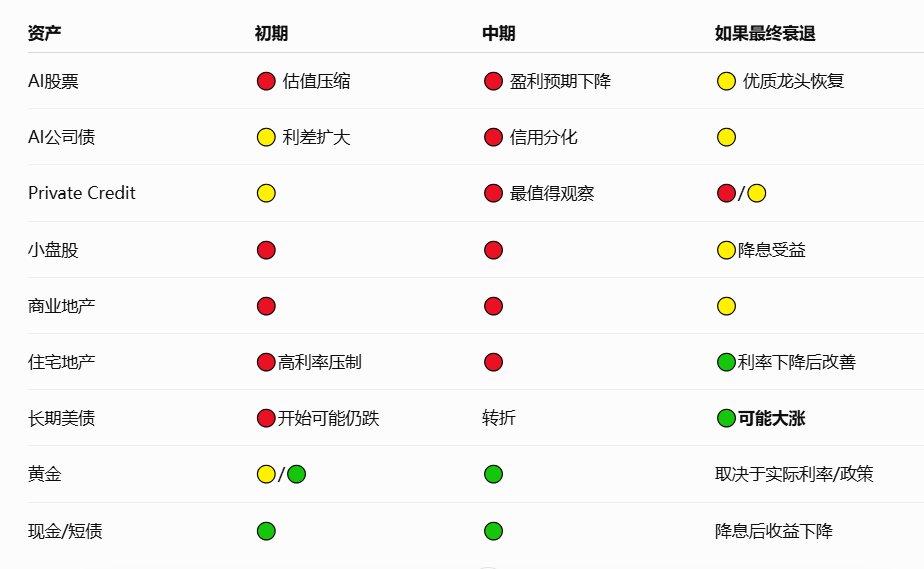
AI未来几年最大的结果不是成功和失败,而是成功一半!
效率确实提高了,也成了基础设施,但是它大规模发债带动整个金融系统高利率,让非AI企业发债成本增大,最终侵蚀这些企业的利润,其AI带来的效率裁员节省成本,还没有发债成本高,最终反过来杀跌AI未来盈利能力
真出现这种情况,市场会重新估值 https://twitter.com/Rumoreconomy/status/2106995119115448498/photo/1

712862 粉丝
View History
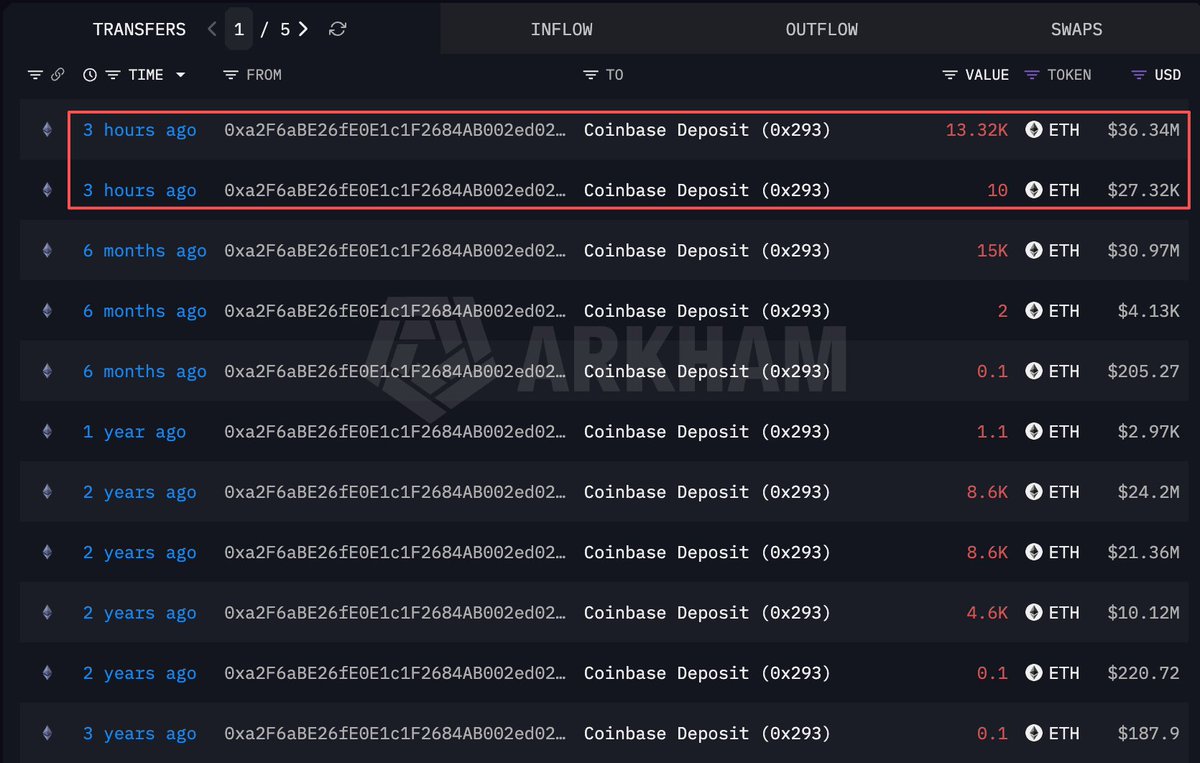
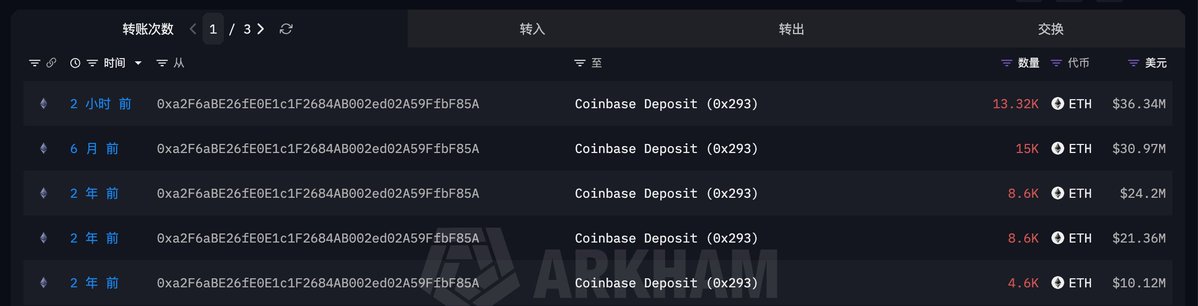
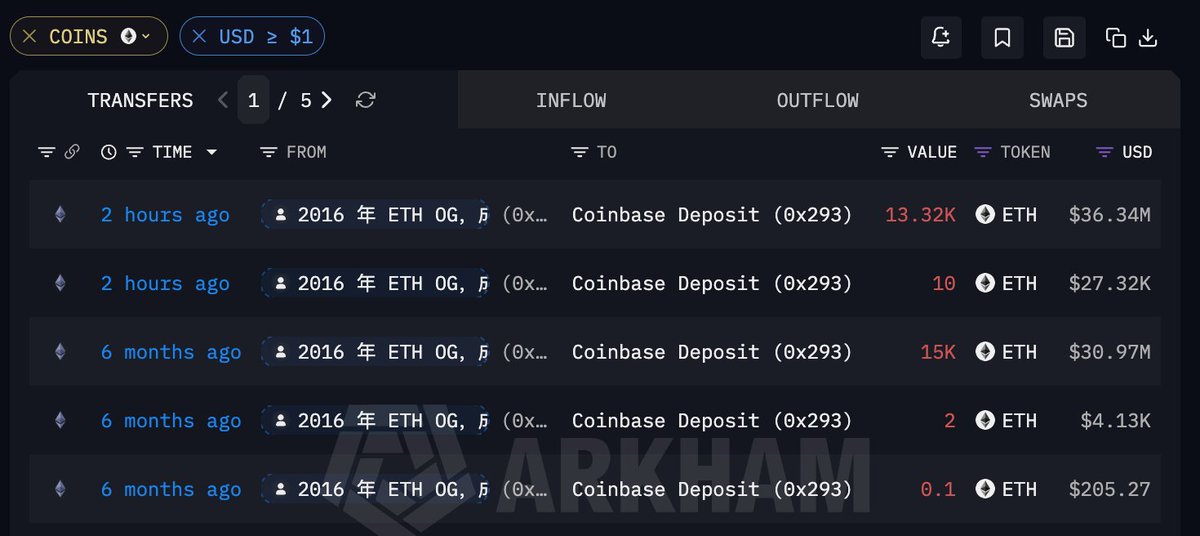
Ethereum OG "0xa2F6" sold another 13,330 $ETH($36.37M) after 6 months.
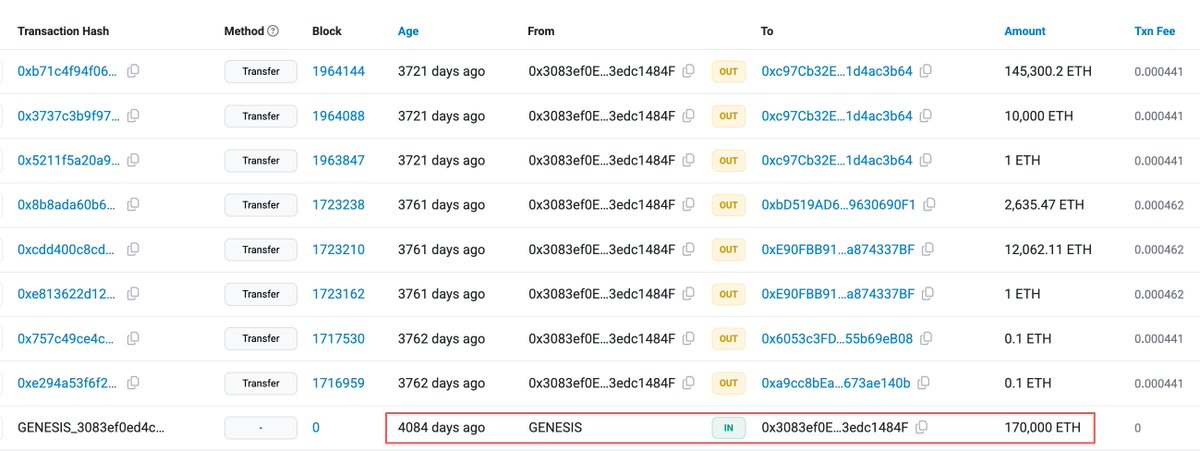
This OG bought 170,000 $ETH through the ICO at a low price of $0.31 (costing $52.7K, now worth $461.4M).
https://arkm.com/explorer/address/0xa2F6aBE26fE0E1c1F2684AB002ed02A59FfbF85A
https://etherscan.io/address/0x3083ef0ED4C4401196774a95CF4EDc83edc1484F https://twitter.com/lookonchain/status/2106995084097188052/photo/1
中文: 以太坊OG“0xa2F6”在6个月后又卖出了13330美元(ETH)(约合3637万美元)。
该OG通过ICO以0.31美元的低价购买了17万美元的ETH(售价为52.7万美元,目前价值4.614亿美元)。

116320 粉丝
View History

387746 粉丝
View History
🚨 BREAKING
🇺🇸 THE FED WILL OFFICIALLY RELEASE THE MOST IMPORTANT ECONOMIC DATA TODAY AT 10:00 AM ET!
IF PMI > 55.0 → MARKET DUMPS HARD
IF PMI = 54.0-55.0 → MARKET STAYS FLAT
IF PMI < 53.0 → MARKET GOES PARABOLIC
ALL EYES ON THE RELEASE!! https://twitter.com/CryptoNobler/status/2106994413981311070/video/1
中文: 🚨 突发
🇺🇸 美国东部时间上午10:00,联邦联邦联邦联邦联邦基金会正式发布最重要的经济数据!
如果PMI和gt;55.0 → 市场重磅
如果PMI = 54.0-55.0 → 市场稳定
如果PMI和高达;53.0 → 市场走向天堂
发布时的所有眼睛!
🎬
视频

16962 粉丝
View History
universal-ai-employee-builder is a reusable Agent Skill for turning a job, role, or recurring business mission into a deployable AI employee specification, which was built from two primary inputs:
1. Source concept — @BrianRoemmele AI bot / AI employee idea
2. Skill-building methodology — Feynman Skill Builder The concept was researched, decomposed, tested, and compiled into this reusable Agent Skill using the feynman-skill-builder methodology.
中文: 通用-人工智能-员工-构建器是一种可重复使用的代理技能,用于将工作、角色或循环业务任务转化为可部署的人工智能员工规范,该规范基于以下两个主要输入构建而成:
1。来源概念 — @BrianRoemmele 人工智能机器人/人工智能员工创意
2。技能建设方法——费曼技能建设者,该概念采用feynman-Skill-builder方法,被研究、分解、测试并汇编成这种可重复使用的Agent Skill。

166907 粉丝
View History
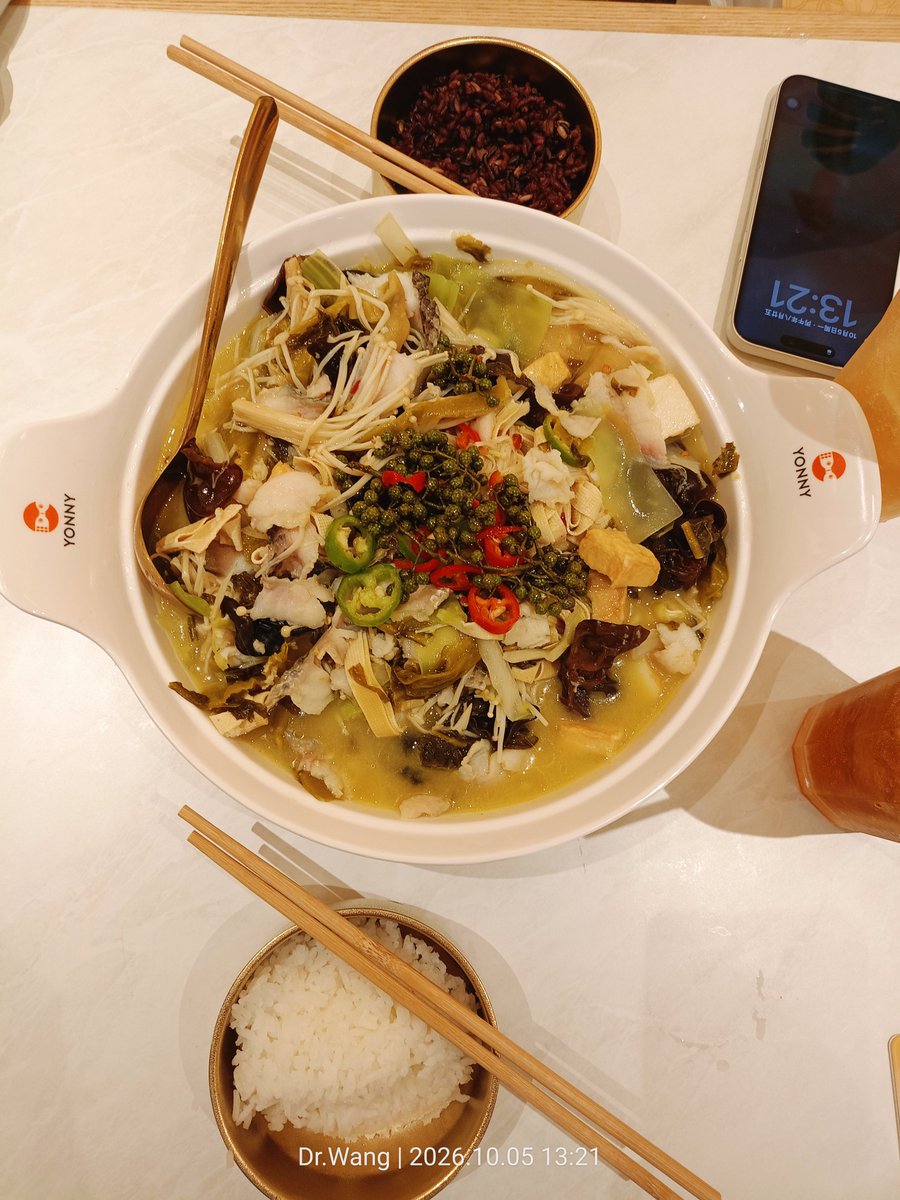
在国内七、八年前加盟非常火的“鱼你在一起”开到泰国清迈,生意真好!今天周一,等位需要排半小时...... https://twitter.com/HotmailfromSH/status/2106994339012563029/photo/1
16962 粉丝
View History
universal-ai-employee-builder is a reusable Agent Skill for turning a job, role, or recurring business mission into a deployable AI employee specification, which was built from two primary inputs:
1. Source concept — @BrianRoemmele AI bot / AI employee idea
2. Skill-building methodology — Feynman Skill Builder
The concept was researched, decomposed, tested, and compiled into this reusable Agent Skill using the feynman-skill-builder methodology.
中文: 通用-人工智能-员工-构建器是一种可重复使用的代理技能,用于将工作、角色或循环业务任务转化为可部署的人工智能员工规范,该规范基于以下两个主要输入构建而成:
1。来源概念 — @BrianRoemmele 人工智能机器人/人工智能员工创意
2。技能建设方法——费曼技能建设者
该概念经过研究、分解、测试,并采用feynman-skill-builder方法,将其编译为这种可重复使用的Agent Skill。
26414497 粉丝
View History
The George Washington's mission near the Strait of Hormuz — which has no defined end-date — came as a surprise to the crew, who were deployed from Japan at the end of August to relieve another carrier https://reut.rs/3VPLoc1 https://twitter.com/Reuters/status/2106993890666700842/photo/1
中文: 乔治·华盛顿在霍尔木兹海峡附近执行任务——该任务尚未明确结束日期——令机组人员感到意外。8月底,这些船员从日本被派往救援,以解除另一艘航空母舰的

12996814 粉丝
View History
.@GiggleAcademy is teaching 1.9 million kids nows.
100% free, no in-app purchases, no premium features.
And improving fast, 6 major feature releases in the last 2 months. https://twitter.com/cz_binance/status/2106993383986377213/photo/1
中文: 。@GiggleAcademy 正在教育190万名儿童。
100%免费,无应用内购买,无高级功能。
并改进快速,在过去两个月内发布了6个主要功能。


26414497 粉丝
View History
For freed Israeli hostages, every moment is now precious https://reut.rs/4rMCPuo https://reut.rs/4rMCPuo
中文: 对于获释的以色列人质而言,此刻的每一刻都弥足珍贵

191385 粉丝
View History
191385 粉丝
View History
7/ “生成音乐和配音。使用 Gemini 3.8 Flash TTS,并采用100年前那种缓慢、庄重的英国口音。
循环工作,直到达到卓越。可以调用任意数量的子 Agent,但编写代码和故事时,只能使用高推
191385 粉丝
View History
1/ 一段提示词,一部36分钟的教育影片,花费超过200美元。
他让 Opus 5.5 自由调用现有资源,编写并制作一部关于《光的历史》的教育动画。
没想到 Opus 最终交回了一部35分37秒的完整影片。😂👇
https://x.com/LLMJunky/status/2106411941497389342/video/1
🎬
视频

25756 粉丝
View History
兄弟们,通过我进一个月坚持不懈的大模型后训练学习,我感觉我又行了,终于把本地的Qwen3.5-0.8B训成了智障~
166907 粉丝
View History
🎬
视频
712862 粉丝
View History
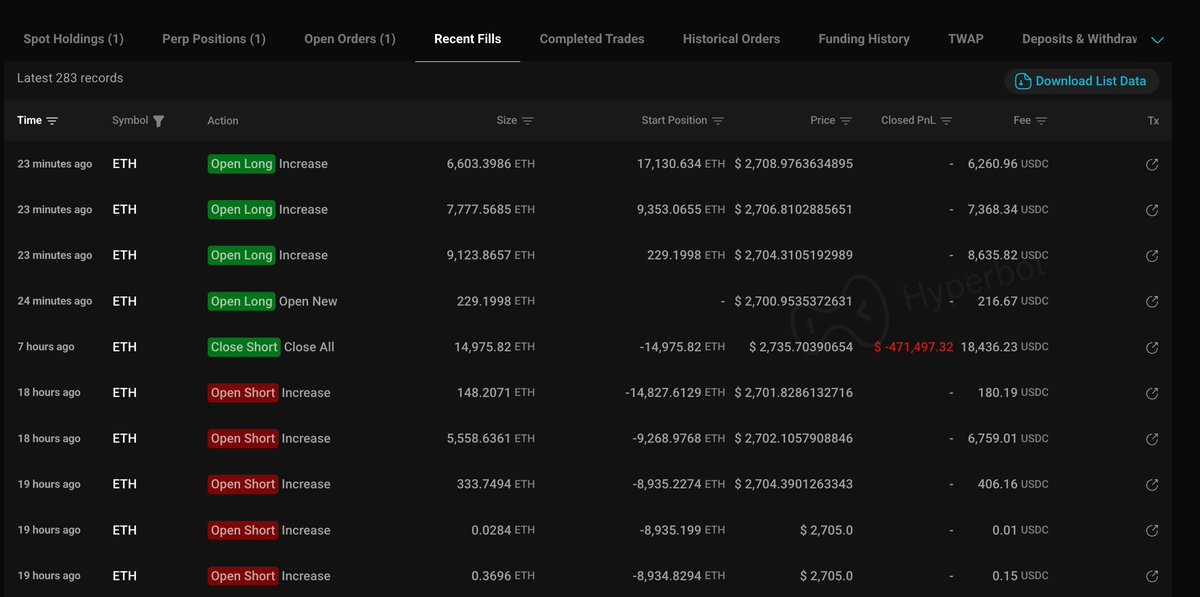
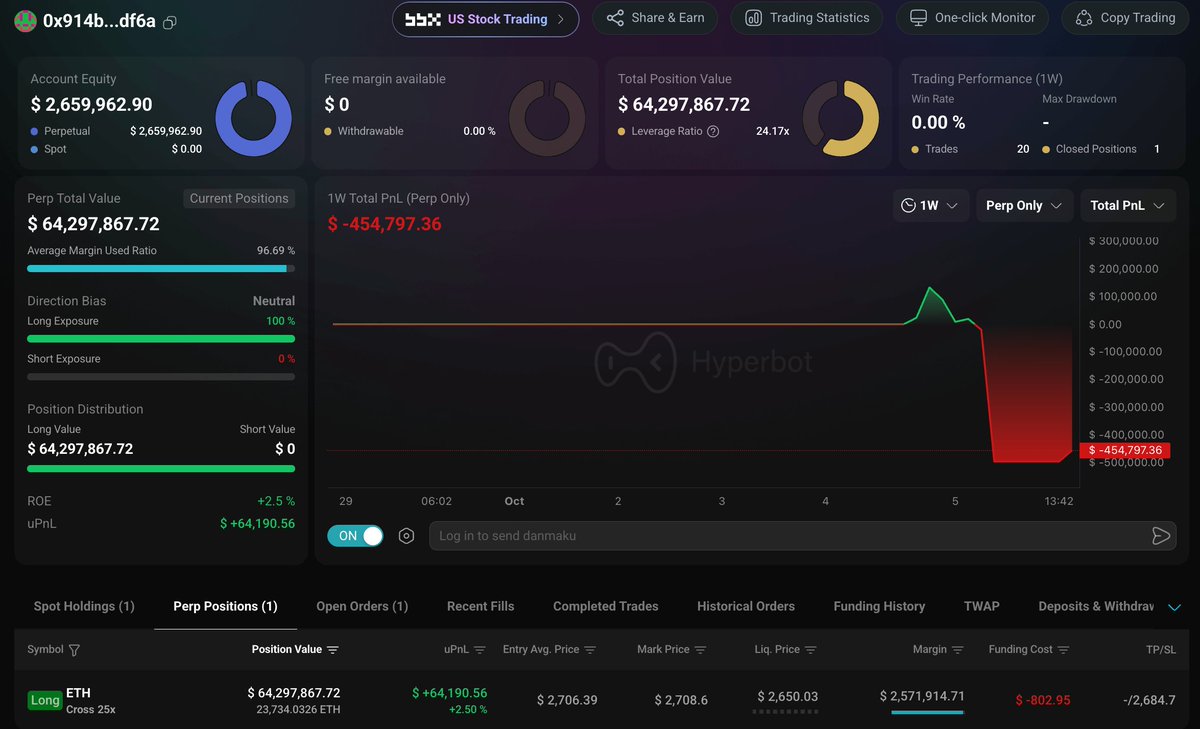
Trader 0x914b lost $471K shorting 14,976 $ETH($40.97M) and then flipped to long.
He opened a 25x long on 23,734 $ETH($64.3M), with a liquidation price of $2,650.
https://hyperbot.network/trader/0x914bd8f2b309b27a13773c4071def1afd741df6a https://twitter.com/lookonchain/status/2106990853583753590/photo/1
中文: 交易员0x914b下跌4.71亿美元,盘中14.976美元(约合4097万美元),随后转至长期。
他以23,734美元(ETH)(6430万美元)的价格开盘时长25倍,清算价格为2650美元。
16962 粉丝
View History
@elonmusk @bot I build a Universal AI Employee Builder SKILL based on the article for Grok @bot. @BrianRoemmele provides the core AI-employee concept, while my Skill Builder provides the method used to turn that concept into an evidence-grounded, portable skill. https://github.com/yongqianme/ai-bot-employee
中文: @elonmusk @bot 我根据 Grok @bot 的文章构建了一款通用的人工智能员工构建技能。@BrianRoemmele 提供核心的人工智能员工概念,而我的技能构建者则提供将这一概念转化为循证、便携技能的方法。
26414497 粉丝
View History
Middle East crude oil exports exceed pre-war levels but tanker attacks increase https://reut.rs/4hw2YdC https://reut.rs/4hw2YdC
中文: 中东原油出口超过战前水平,但油轮袭击事件增加
727674 粉丝
View History
Our APAC tour continues - thanks for having us @PacificMeta
“Bringing Japan’s Real-World Assets Onchain: The Leading Edge of Corporate and Financial Adoption.” https://twitter.com/Optimism/status/2106989958854742206/photo/1
中文: 我们的亚太地区巡演仍在继续——感谢您让我们 @PacificMeta
将日本的房地产资产带到链上:企业与金融应用的领先优势。
752966 粉丝
View History
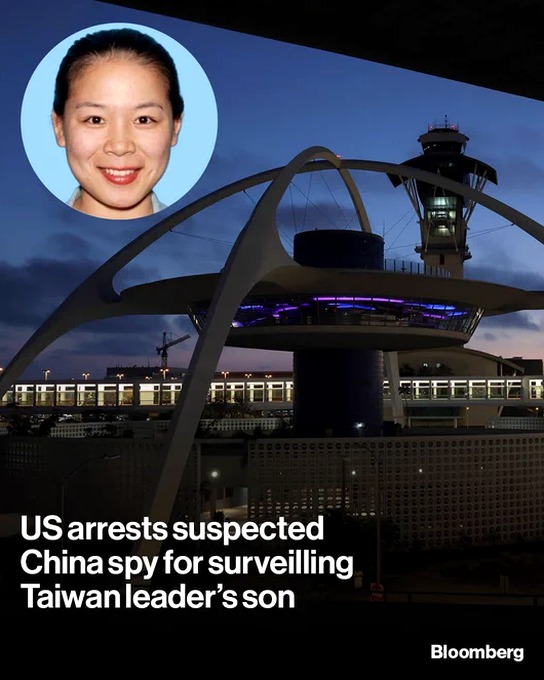
美国联邦调查局通报,一名女子涉嫌替中国从事间谍活动,监视台湾总统的儿子及其家人。她准备搭机前往上海时,在洛杉矶国际机场遭美国执法人员逮捕。
若指控坐实,中共对台湾的情报渗透已经盯到总统家属身上。这套话术的核心很简单:把中共的统治成本藏起来,把独裁机器包装成正常国家。 https://twitter.com/__Inty__/status/2106989890546065655/photo/1
59745 粉丝
View History
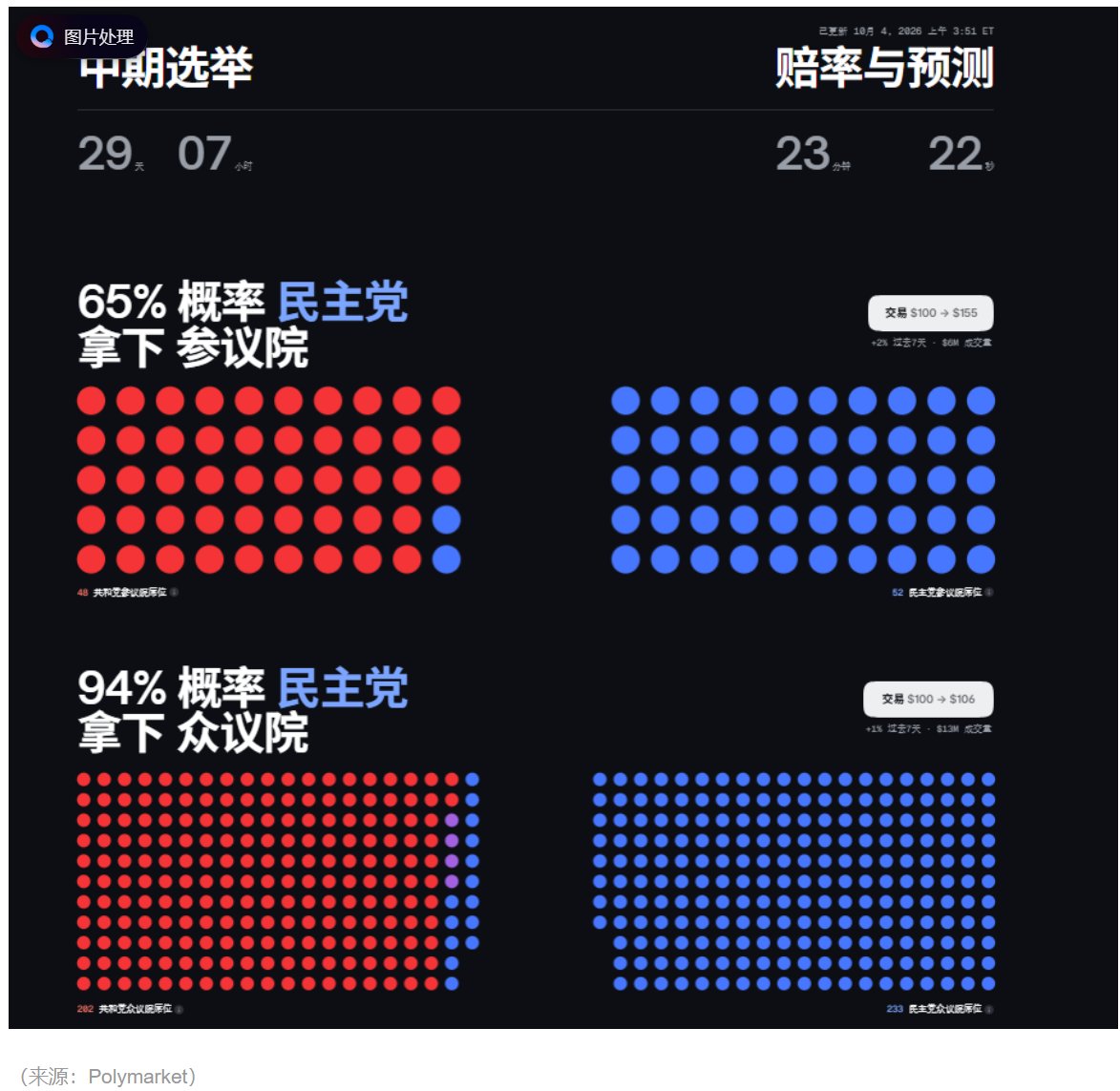
从博彩市场来看,共和党想要过这次中期选举,可不容易~
不过,哪怕民主党能拿下一院,对特朗普形成制衡,这对于长期美债来说肯定是个利好。
不过战争没有到明确之前,市场还得被继续压着 https://twitter.com/Alex_perception/status/2106989114658902306/photo/1

122066 粉丝
View History
✅@OKX和ICE 合资的 OKXICE 已向 SEC 提交申请,预计很快就会通过,计划推出的是代币化股票交易平台,覆盖超 60 家美国上市公司。
这要是上线也太牛逼了,敬请期待下一步公布!


88410 粉丝
View History
OKX CEO Star 确认:OKXICE 代币化股票交易平台的 TSV DEX 合约计划部署在 X Layer。
OKX 已向 SEC 提交文件,拟推出代币化美股交易平台,成为首批利用美国新规合规落地的顶级加密平台之一。
运营主体 OKXICE 计划首批上线 63 家纽交所上市公司代币化股票。
TSV DEX 合约直接部署于 OKX 自研 L2 网络 X Layer,为 RWA(真实世界资产)交易注入强大赋能!

16165367 粉丝
View History
中文: 工作内容
2936694 粉丝
View History
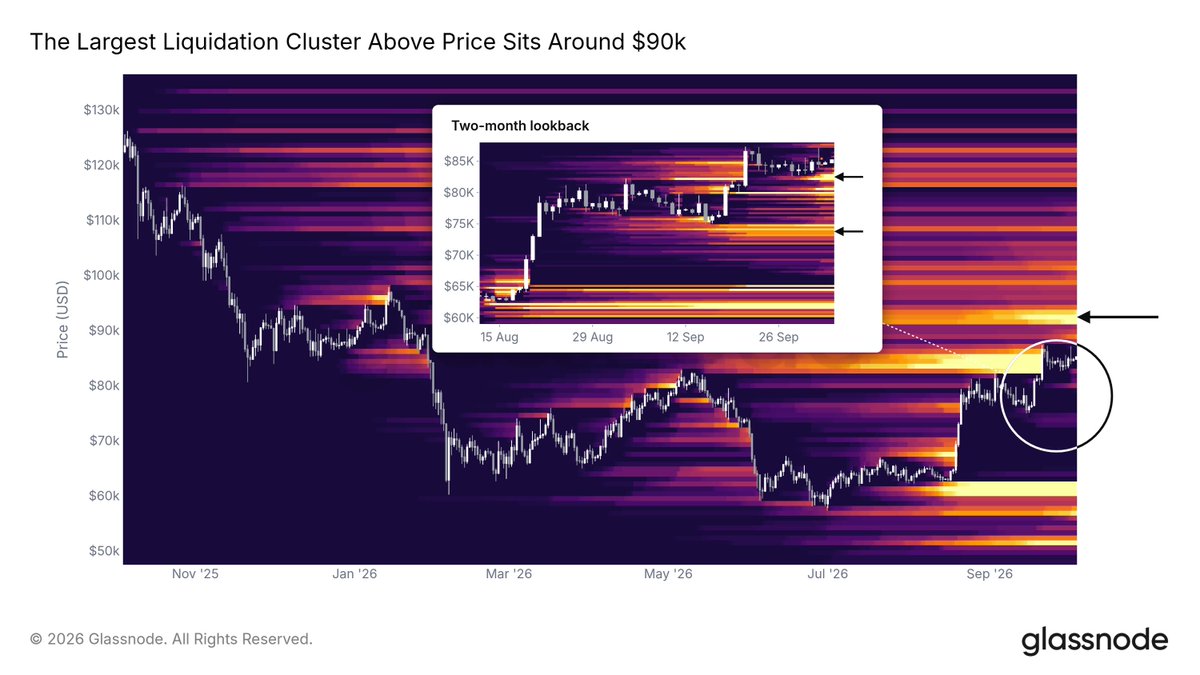
🚨 NEW: Bitcoin's biggest cluster of short liquidations sits near $90K, meaning a move to that level could force leveraged shorts to close, per @glassnode. https://twitter.com/Cointelegraph/status/2106988031055946230/photo/1
中文: 🚨 最新:比特币最大的短期清算集群接近9万美元,这意味着根据@glassnode,将杠杆空手转为该水平可能迫使其完成交易。
559007 粉丝
View History
中文: 了解更多:
26414497 粉丝
View History
Apache workers back strike that could disrupt North Sea Forties oil pipeline, union says https://reut.rs/4yvMtEB https://reut.rs/4yvMtEB
中文: 工会表示,阿帕奇工人支持可能扰乱北海四十年代石油管道的罢工
3337499 粉丝
View History
霍尔木兹海峡周边航线再遭袭击,为中东石油出口的复苏势头蒙上阴影。美国官员称,伊朗瞄准船只的能力有所提高,令经由霍尔木兹海峡的航行风险上升。https://cn.wsj.com/articles/WP-WSJS-0003948189

144771 粉丝
View History
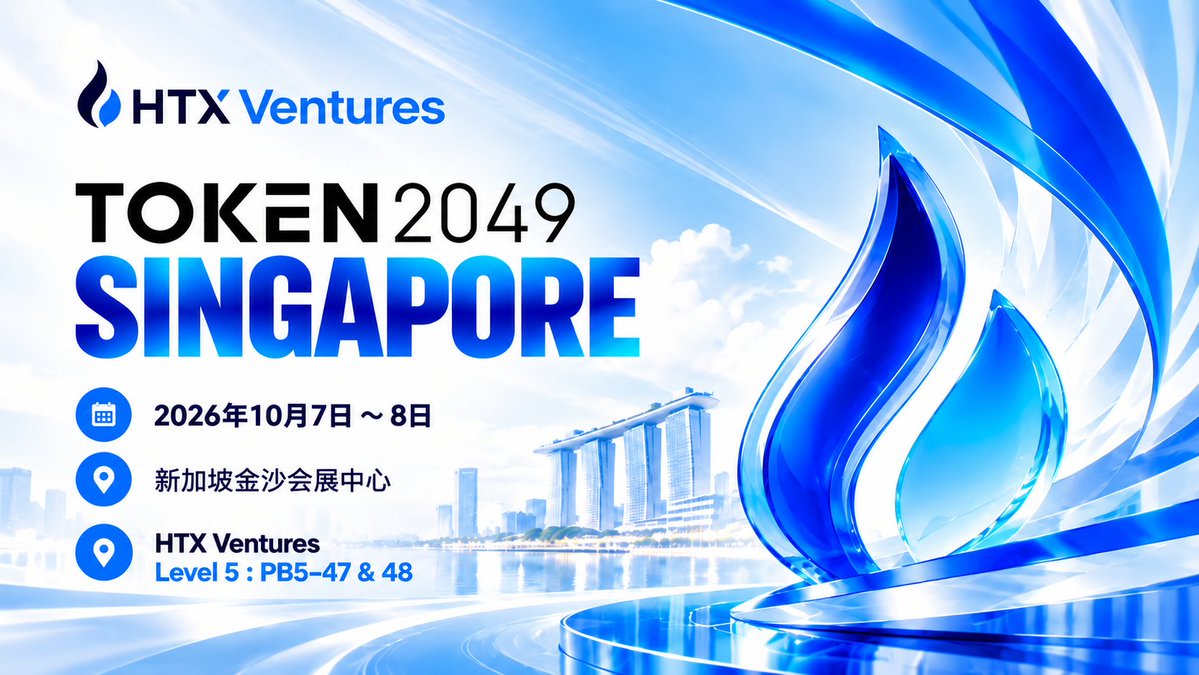
🔥 下一站,新加坡!TOKEN2049,我们来了!
📅 10月7日–8日,聊趋势、碰想法,@Ventures_HTX 展位见!
先给火伴们安排个见面礼!
🎁 完成以下三步,抽10位火伴每人送10USDT
1️⃣ 关注 @HuobiGlobal 和 @Ventures_HTX
2️⃣ 转发本条推文
3️⃣ 带 #HTX_TOKEN2049_Singapore 评论「HTX,TOKEN2049 新加坡见!」
26414497 粉丝
View History
Supporters of jailed former prime minister Imran Khan's Pakistan Tehreek-e-Insaf party gathered in Gandi Chowk to launch a planned 'long march' to Islamabad on October 4 https://twitter.com/Reuters/status/2106987753863098689/video/1
中文: 被监禁的前总理伊姆兰·汗的巴基斯坦“坦溪-伊恩萨夫”党的支持者于10月4日齐聚甘迪乔克,计划举行“长征游行”前往伊斯兰堡。
🎬
视频

123051 粉丝
View History
The hardest trade in crypto is not buying the next winner.
It is selling the old loser you still feel attached to 🥹
6838 粉丝
View History
🐱本喵九月发现一款低价中国直连优化 VPS~
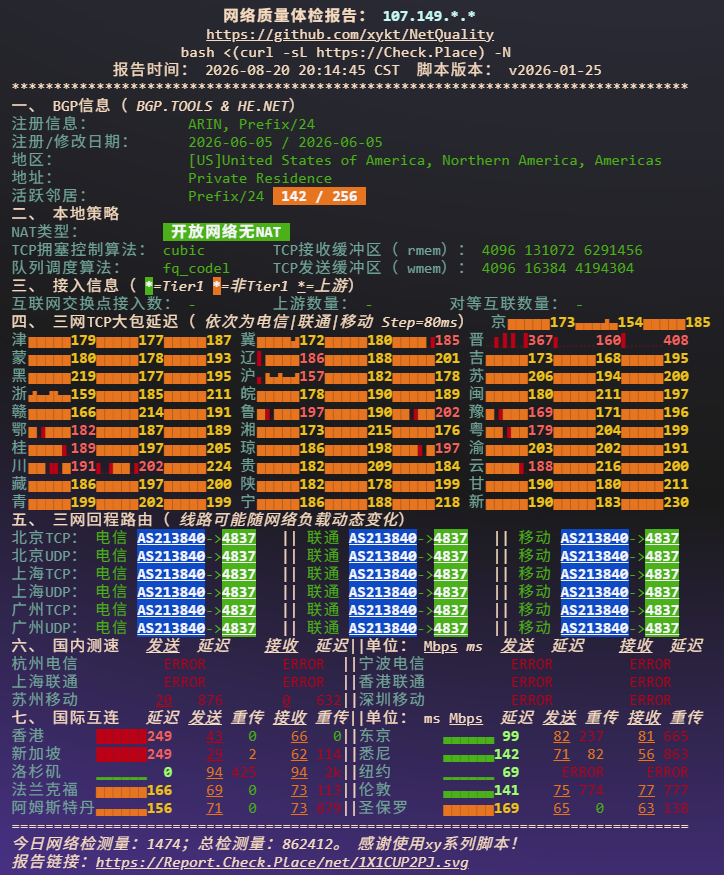
https://qqg.net/ 洛杉矶节点上线三网优化线路,电信 4134 / 联通 4837 / 移动 58453 直连优化,回国访问更友好喵!
💰 $12.99/年起
⚡ 100Mbps 不限流量
💾 NVMe SSD 存储
🛡️ 20G 网络防护
套餐:
🐾 1核1G|30GB NVMe|100Mbps不限流量|$12.99/年
🐾 2核2G|50GB NVMe|200Mbps不限流量|$25.99/年
适合:
🌐 个人博客
🔧 API 服务
🧪 开发测试
🚀 跨境业务部署
洛杉矶机房 + 三网直连优化,年付党可以关注一下~
🔗 购买链接:
https://www.qqg.net/recommend/Fbn4zlN4KXIOQKgGLkcj?recommend_client_id=1734
🔗 测评详情:
https://www.gwvpsceping.com/19903.html
#VPS #云服务器 #洛杉矶VPS #服务器优惠
559007 粉丝
View History
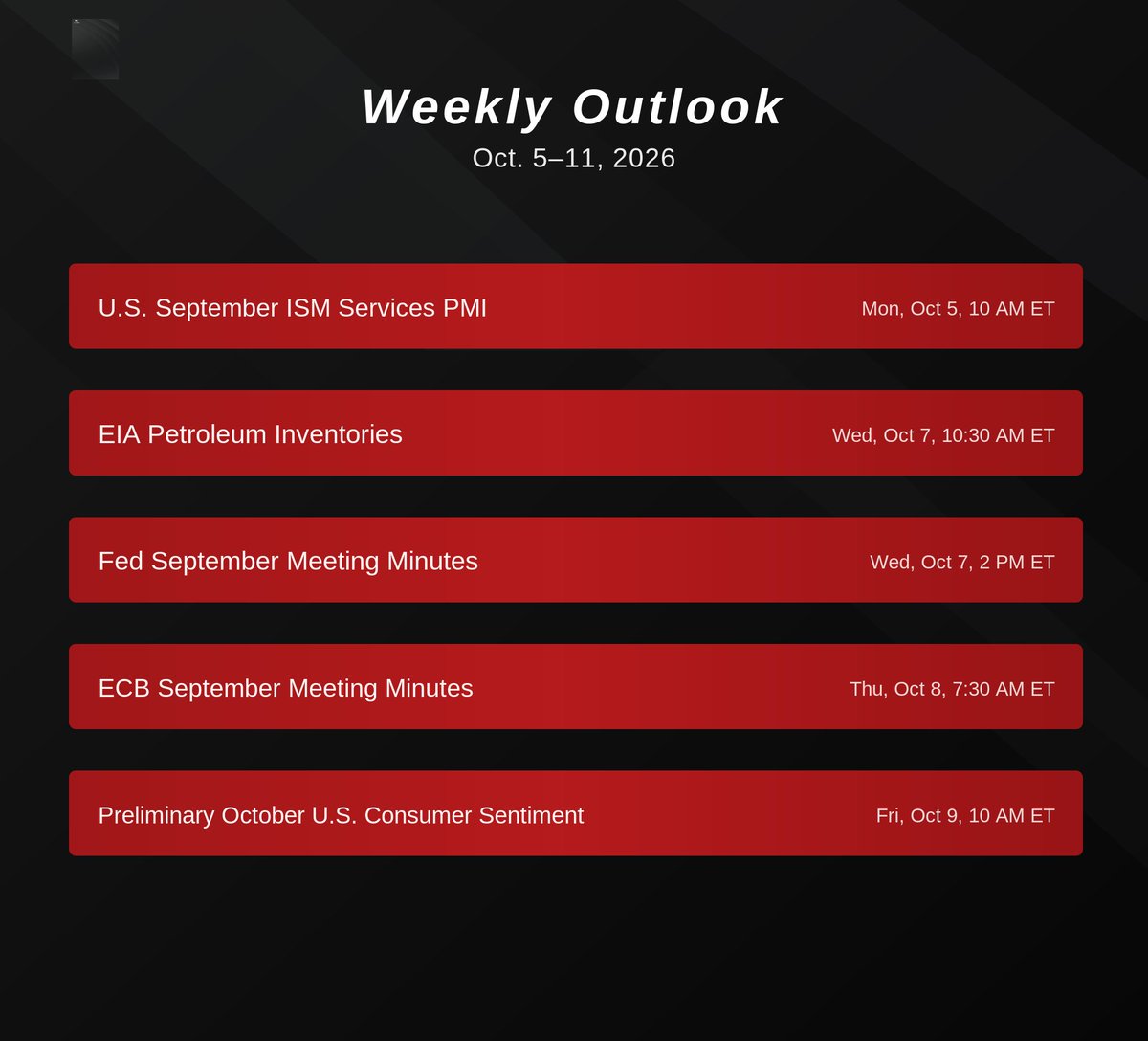
WuBlockchain Weekly Outlook: September's rate hikes may not be the end. Fed and ECB minutes land alongside U.S. services data, oil inventories and consumer inflation expectations. Another hawkish shift would lift yields first and squeeze expensive tech next. https://twitter.com/WuBlockchain/status/2106987666973827090/photo/1
中文: 吴链周度展望:9月份加息可能并非终点。美联储和欧洲央行的上场记录与美国服务业数据、石油库存以及消费者通胀预期并列。又一次鹰派转变将首先提高收益率,并挤压昂贵的科技产品。
210268 粉丝
View History
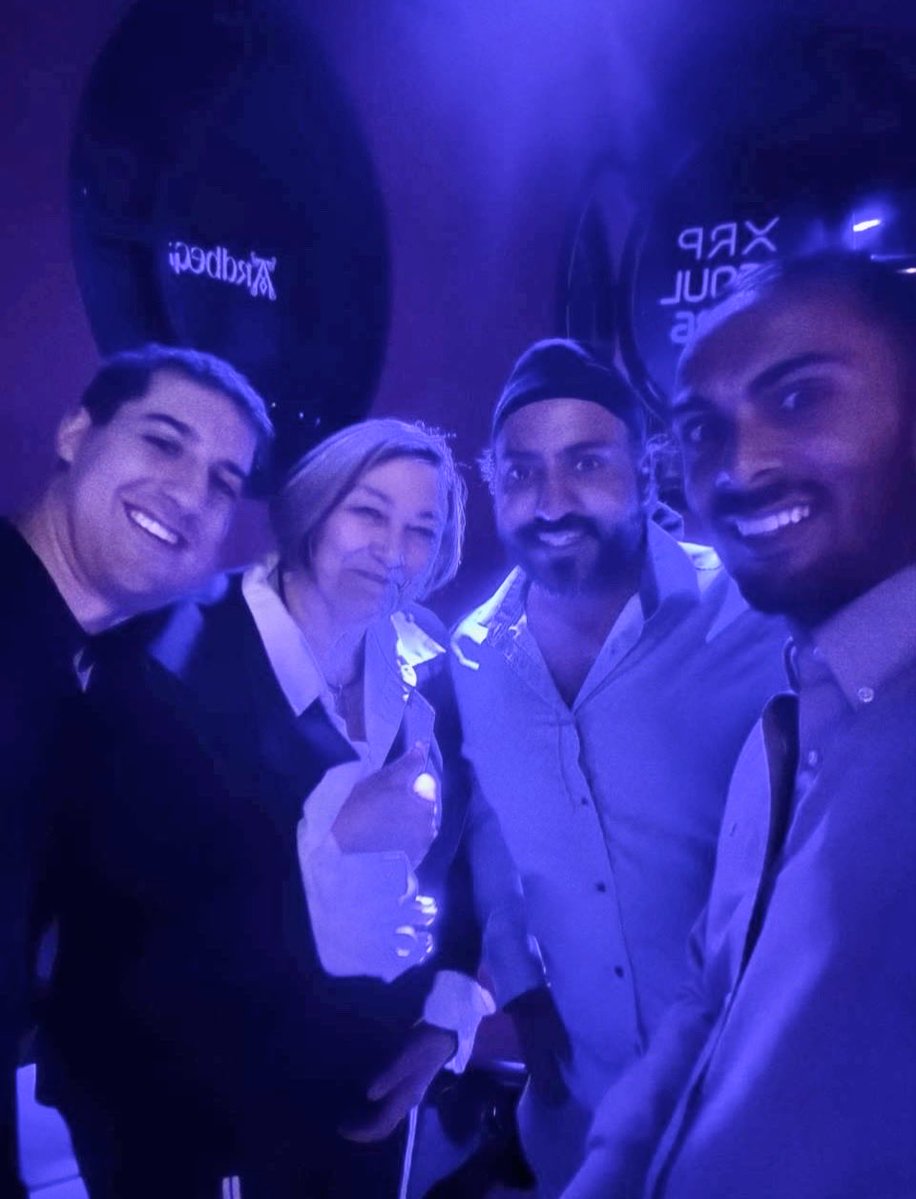
RT @sentosumosaba: IRL💜 with Panos, Amrit & Adam. @axelar and @Yellow. @XRPSEOUL https://twitter.com/sentosumosaba/status/2106941305716973832/photo/1
中文: RT @sentosumosaba:与Panos、Amrit &Adam合作的IRL💜。@axelar 和 @Yellow。@XRPSEOUL
25039 粉丝
View History
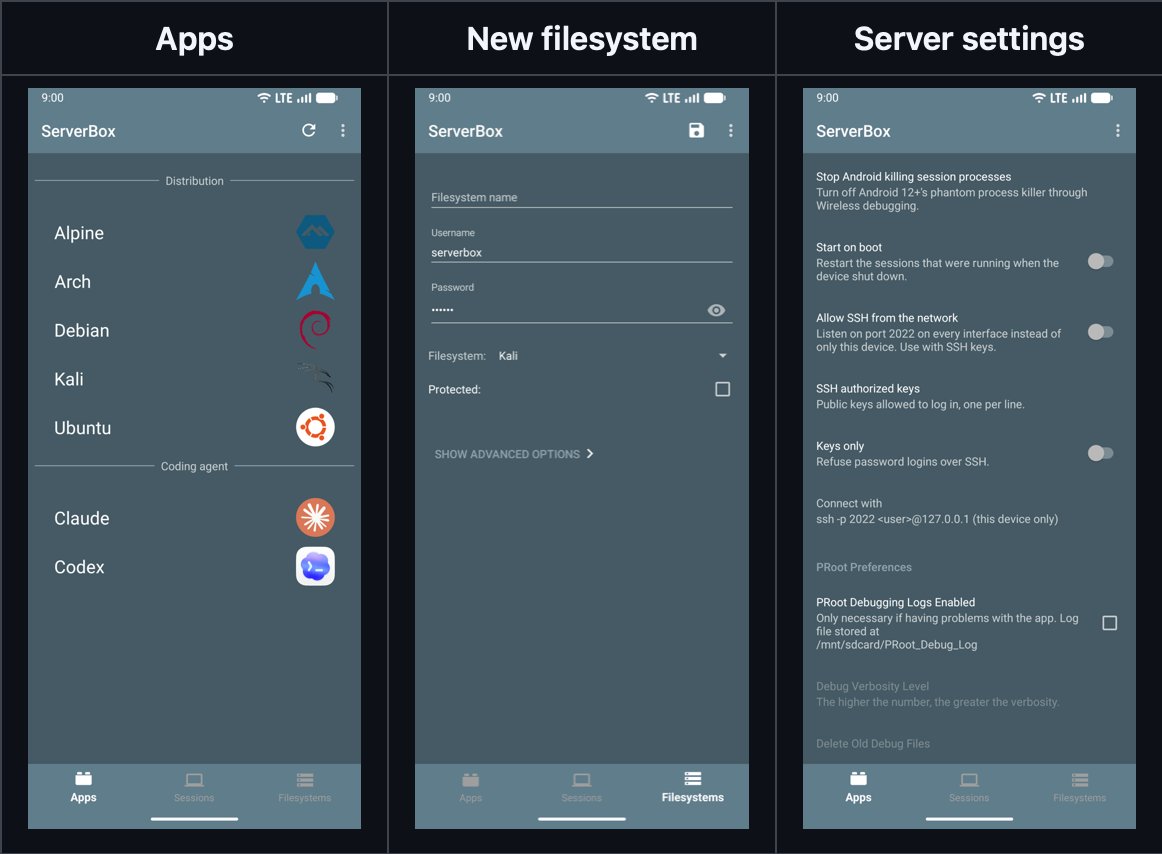
把闲置的安卓手机免 root 变成一台常开 SSH 的 Linux 服务器。
https://github.com/madeye/ServerBox https://twitter.com/QingQ77/status/2106986995037753437/photo/1
939514 粉丝
View History
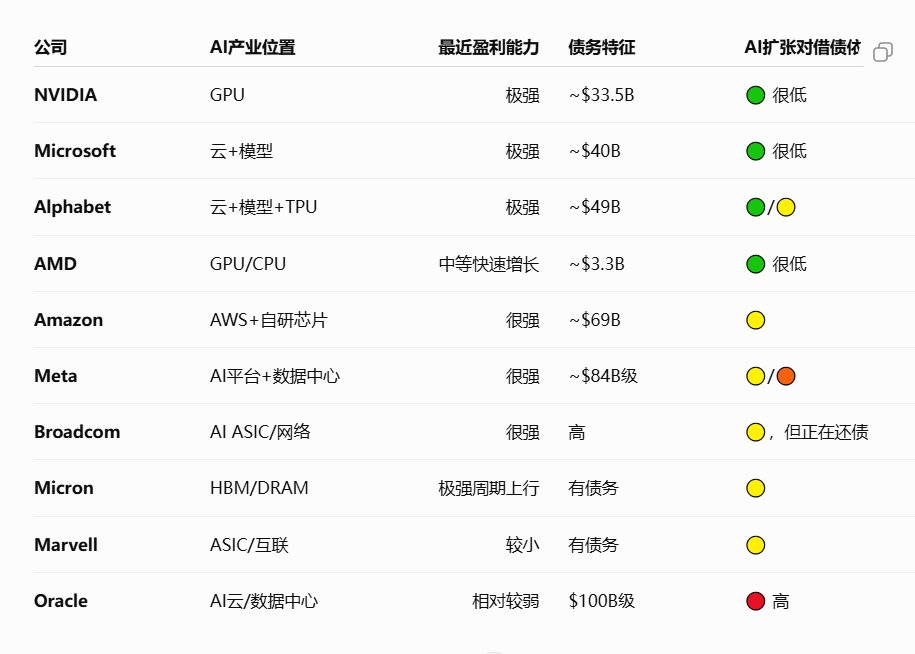
美国AI产业链债务情况,包含上游云厂商和下游卖铲子的设备商,至少表面上看英伟达和微软是财务最健康的 https://twitter.com/Rumoreconomy/status/2106986525028401399/photo/1
310282 粉丝
View History
刘涛,是刘少奇与第四任妻子王前的女儿,原籍湖南宁乡,弟弟是刘允真(刘丁)。
1944年10月她生在延安。王前大约在1946年与刘少奇离婚,她当时两岁左右。此后主要由父亲抚养。
1948年王光美与刘少奇结婚后,她和弟弟也在这个家里长大。
6岁进北京中共中央直属机关附属育英小学,1959年考入北京师范大学女附中,1962年进清华大学自动控制系,1965年7月入党。
文革初期,她在清华参与造反,担任过清华文革筹委会副主任。1967年1月,她和弟弟刘允真根据与生母王前见面时的谈话,写出大字报《造刘少奇的反,跟着毛主席干一辈子革命》《看!刘少奇的丑恶灵魂》,全国轰动。
事后的说法多认为,这是在江青威逼下写的,内容来自王前的口述,对刘少奇和王光美打击很大。
1968年,她以“可以教育好的子女”的身份,被分配到北京铁道分局承德车辆段当工人,1972年10月调到北京车辆段。
1970年她与清华同学万润南结婚,生一子万方,1972年分手,孩子随父。万润南后来做过四通公司总裁,1989年后滞留海外。
1976年秋,她在云南瑞丽与缅甸交界处企图越境,被边防民兵截获。随行的是第二任丈夫一家。
瑞丽江正值汛期,公公、婆婆被激流卷走,她和丈夫、小姑被救起。审讯中她一度不肯开口,表示要向当时的公安部部长华国锋讲。
人被押回北京,关押约两年;1978年以偷越国境罪判两年,羁押期折抵刑期,判决时即释放。
1979年以后,她以“清子”为笔名发表诗作,并结集为《涅磐》。
1985年,公安部《对刘涛同志的复查结论》认定:她是在文革中受四人帮迫害、走投无路才出走,并非仇视党和国家,原定偷越国境罪不对,予以平反,消除影响,恢复名誉,并补发在押期间扣发的工资。
1990年中组部恢复她的党籍,党龄从1965年7月连续计算。约在同年,她从北京车辆段退休,此后长住北京。
照片最右是刘涛。
刘涛的《我不是诗人》:
我不是诗人,
却不禁地要写,
为了黎明的追求,
为了逝去的忘却,
为了激情的骚动,
为了真挚的血泪。


241760875 粉丝
View History
RT @beffjezos: We have a duty to expand the scope and scale of civilization in order to preserve the state of matter that is intelligence in our corner of the universe
It is the only way. Growth ensures lower likelihood of annihilation
中文: RT @beffjezos:我们有责任扩大文明的范围和规模,以保护宇宙中的智能物质状态
这是唯一的方法。增长可确保较低的灭绝可能性
241760875 粉丝
View History
RT @stevenmarkryan: Do the math. https://x.com/i/article/2106976026194825216
中文: RT @stevenmarkryan:做数学。
19023 粉丝
View History
RT @chuhaiqu: Leo 分享过一个早期项目的数字:658 个注册,6 个付费。
注册到付费接近 1%
但 6 单里有 3 单是创始人一对一 Pitch 聊下来的。
也就是说,这个 1% 里混着两种完全不同的东西:产品自己把人转化了,和你亲自把人说服了。两种都是真金白银,但下一步该干的事完全不一样。前者你该继续打磨产品路径,后者你可能得认真搭一个销售流程,或者先承认现在是靠人在卖。
早期创始人自己做 Demo、陪用户用、催付款,能最快摸到用户卡在哪。问题只出在记账的时候没拆开。拆开之后,你才知道那个 1% 里有多少是产品自己挣来的。
26414497 粉丝
View History
Russia says it struck two Ukrainian cargo vessels in the Black Sea https://reut.rs/3TFz8dp https://reut.rs/3TFz8dp
中文: 俄罗斯称在黑海袭击了两艘乌克兰货船
26414497 粉丝
View History
Pet owners and their animals gathered in cities from Quito to New York and Tegucigalpa for annual St. Francis of Assisi celebrations, with clergy offering blessings in honor of the patron saint of animals https://twitter.com/Reuters/status/2106985233472258089/video/1
中文: 宠物主人及其动物聚集在从基多到纽约和特古西加尔巴的城市,参加一年一度的圣塔。阿西西的弗朗西斯举行庆祝活动,神职人员为纪念动物守护圣人献上祝福
🎬
视频

939446 粉丝
View History
加州州长共和党候选人希尔顿公布其内部民意调查结果,声称他只落后民主党候选人贝塞拉不到6点,精确到小数点后一位数(45.7%:40.1%)。川粉赶快给这个骗子捐款帮他当选啊。加州民调两个金标准,伯克利IGS民调:贝塞拉领先25点(58%:33%);PPIC民调:贝塞拉领先22点(60%:38%)。
407712 粉丝
View History
再稍微补充一些吧:
1. 新加坡常年是 30 度左右的气温,所以来新加坡可以是夏天的装备,有些小姑娘会注重防晒,但从我个人感觉来看问题不大,而且新加坡湿度较高,不用频繁补水。
另外新加坡房间里很少有蚊子,一般来说只有草地和水池附近会有蚊子,但新加坡的蟑螂会比较多,好一些的酒店几乎是看不到的。但如果你去芽笼吃田鸡粥,你会看到拇指大小的蟑螂四处爬,习惯了就好了。
2. 明辉田鸡粥不好吃,九巷田鸡粥味道还可以,但是涨价了,人均大概要 35 新币以上,未必会划得来。个人非常推荐一家叫 ZHUP ZHUP 的龙虾粥,超级好吃,但需要预定位置,而且没有空调,能不能吃的到就看缘分了。
另外还有一家叫“酒逢知鸡”的店也是不错的,主要是吃炒鸡的,而且他们家的烧烤是请的非遗的厨师,老板是新加坡非常知名的美食网红,还有就是虾皇的小龙虾是真不错,如果有河南的小伙伴,非常推荐“掌柜”,吃过的都说好。
娘惹菜也有不错的,我就不推荐了,好的几乎排不到队,不好吃的一大堆。另外如果想要有点诗情画意的,可以去克拉码头河边的餐厅,其中“北疆”和“山东饭店”都是不错的,定位的时候说要做河边的位置,下午 17 点以后,并不晒,也不热,景色非常好。
肉骨茶反而我不轮推不推荐大家都会去吃,克拉码头的松发应该是最火的,对面还有一家亚细亚肉骨茶,味道都还可以。高端一点的话,温州府也可以。日料我和小伙伴超级推荐 Shin Yuu ,新加坡非常老牌的日料自助。
3. 吃饭主要集中在 牛车水 和 武吉士 ,这两个地方,牛车水就是 China town ,各种好吃的都有,其中有一个叫“矮子馅饼”是比较有名的,牛车水还有很多熟食,一般在其它地区不是很好买的。
武吉士就是 Bugis ,有非常出名的甜品店,比如阿秋甜品家的榴莲冰淇凌就非常好吃。新加坡吃东西即便是路边不是很起眼的小店卫生都是不错的,但需要注意,如果希望有包厢,一定要提前预定。
新加坡火锅文化也不错,辣的火锅首推冯校长,北京铜锅首推三锅先生,尤其是三锅先生都快成了食堂了,另外去冯校长能有几率抓到一些知名的币圈 KOL ,比如奶子哥。
4. 新加坡的物价确实比较贵,如果换算来说,大概是上海的 3 倍左右,甚至更高一些,而上海和东京的差距并不大,在某些程度来说新加坡还贵过香港,在新加坡不一定非要去 7-11 等超市去买水和饮料,确实比较贵,可以去非连锁的小超市。
330ML 的可乐如果是 2 新币以内,那么就算是比较便宜的了,早期我住在高文的时候,有一家印度人的超市,可乐 1.2 新币一瓶,我一次就买半箱,很久没看到这么便宜的了。
大多数小伙伴来新加坡应该就是 3-4 天的时间,主要就是去看看鱼尾狮,去金沙逛逛,如果再有时间可以去环球看看,但我最推荐的还是东海岸,东海岸集海边、草地、椰树、骑车道、跑步道、烧烤区和餐厅都连在一起。
整个公园沿海大约 13 公里、180 公顷,24 小时开放,很适合下午四五点以后过去,一直待到晚上。如果是我安排,会从 Marine Cove 一带开始,沿海慢慢往东骑车或散步,途中看看 East Coast Beach,最后找地方吃饭。
东海岸有很多不错的饭店,尤其是吃海鲜的,虽然贵,但确实好吃。
5. 都说新加坡的海南鸡好吃,我周边的小伙伴吃下来最好吃的有三家,一家是 五星海南鸡 ,一家是 文东记 ,还有一家叫 天天 ,其中 文东记 在牛车水就有店,并不贵,味道是不错的。
我才想起来,我吃过最好的吃的榴莲应该高文地铁站附近,很可惜最近不是榴莲季,要么贵贱要组个团带着大家吃榴莲。
我突然想起来,和香港桥底辣蟹齐名的应该是香辣蟹和黑胡椒蟹,很多人都喜欢去珍宝吃,说实话我是觉得一般,我还是更喜欢吃象拔蚌刺身。
6. 新加坡的晚上非常安全,虽然没有那么活跃,但确实异常的安全,没有什么担心的,即便是一名小女生都不用担心,新加坡的夜间娱乐也很多。
一般来说,143,巨亨算是第一梯队,至尊和金煌大概是第二梯队,帝国,Catwalk 应该是第三梯队,如果有人说我带你去地下室,那应该是真的非常好的朋友了。当然还有一些嗨吧,我估计大家兴趣不大,也就不介绍了。
我的订阅区会有一些小小的介绍,Steven 是好朋友,给我介绍了很多。主要都是在乌节路,所以住在乌节路的小伙伴可以晚上出来逛逛街,保证你什么都看不到。
7. 新加坡虽然有合规的红灯区,但我相信大多数来新加坡的小伙伴对于芽笼的兴趣不会很大,但我估计一定会有小伙伴想要去瞅一瞅的,其实真没啥,你在外边什么也看不到。
红灯区主要是偶数巷,话说我刚来的时候确实 Steven 也带我走了一圈,毕竟确实挺好奇的,所以我估计很多小伙伴也想去看看,看过一次也就没啥了。如果有人非要去芽笼吃田鸡粥,可以吃完消消食。
红灯区很小,也就是半条街,而且一点都不热闹,反而挺安静的,需要提醒一下,虽然芽笼的红灯区是合法的,但站街是违法的,新加坡经常会扫荡。
8. 如果你在新加坡的夜晚有什么惊吓,而且恰好你又有我的联系方式,可以联系我,力所能及的帮忙还是没问题的。
还有什么是我遗漏的?
一个 @Gate ,交易更多市场

601651 粉丝
View History
RT @skate_chain: Skate x @entropyIO
Spin up your trading agent, analyze market data and trade the frontier.
Demoing a new GPT-6.1 agent analyzing orderbook data and running a market-making strategy for $IONQ on Hyperliquid. https://twitter.com/skate_chain/status/2106102001381835251/video/1
中文: RT @skate_chain: Skate x @entropyIO
分拆您的交易代理,分析市场数据并开拓前沿。
演示一个新的GPT-6.1代理,分析订单簿数据,并在Hyperliquid上运行用于$IONQ的市场制造策略。
🎬
视频
241760875 粉丝
View History
Grok Imagine
中文: 格罗克想象
26414497 粉丝
View History
Saudi Arabia unexpectedly cuts November oil prices to Asia to 6-year lows https://reut.rs/4hM1ryZ https://reut.rs/4hM1ryZ
中文: 沙特阿拉伯出人意料地将11月亚洲油价下调至6年来的最低水平
26414497 粉丝
View History
Women in Tehran receive basic firearms and military training aimed at preparing them to defend their families and communities in the event of war https://twitter.com/Reuters/status/2106982717158293709/video/1
🎬
视频
181692 粉丝
View History
据 @EmberCN 监测,曾参与 2015 年以太坊 ICO、购入 17 万枚 ETH 的 OG 巨鲸,2 小时前将 13,330 枚 ETH(约 3,637 万美元)转入 Coinbase。本次转出后,其 ICO 持仓已基本以均价 1,137 美元卖出,地址仅剩 1,484 枚 ETH(约 401 万美元)。以 ICO 价格 0.311 美元计算,该地址累计获利约 1.93 亿美元(3,655 倍)。
https://wublock123.com/news/ethereum-ico-whale-transfers-13000-eth-to-coinbase-69533
95126 粉丝
View History
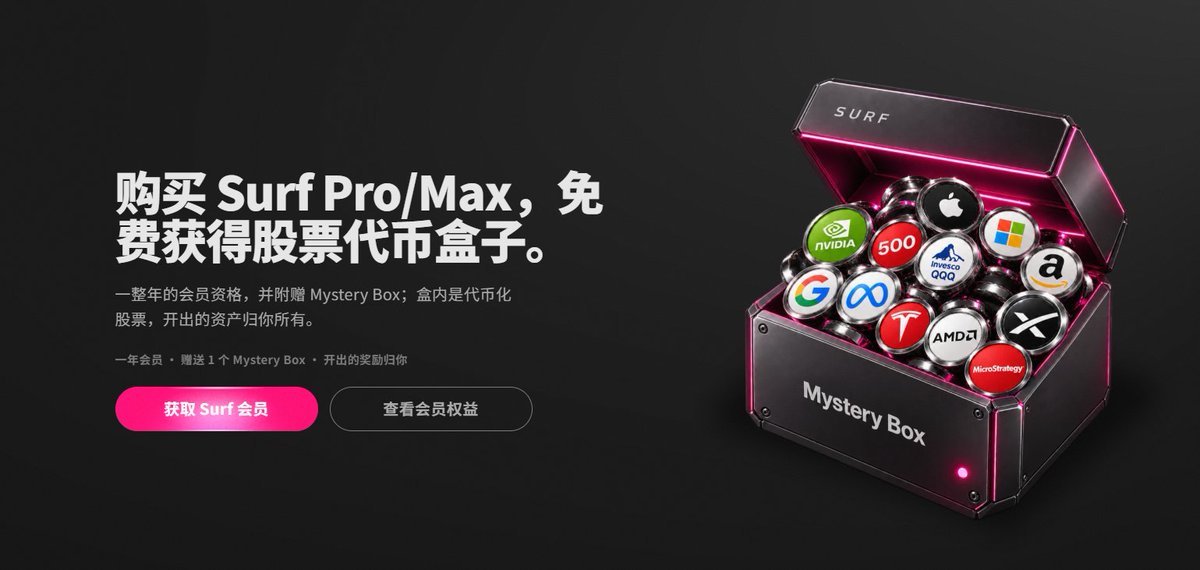
大家参与了Surf @SurfAIHQ 的记得去绑定钱包
无论是 Pro 还是 Max,无论是活跃还是已过期,都附赠一个免费的 Surf NFT,未绑定钱包即无法领取。
https://asksurf.ai/mystery-box https://twitter.com/WY_mask/status/2106981918478934169/photo/1

39070 粉丝
View History
很开心看到 AI Passport 出现在 BUILD_QUESTS 2026😃

323932 粉丝
View History
The apes are shipping.
ApePay, @apecoin new instant payment protocol, just processed its first-ever payments.
Fully on ApeChain. Powered by Caldera. 🦍

406143 粉丝
View History
#行情 台股周一一度上涨2.7%,创下49,770.66点的历史新高。台积电一度大涨3.2%,创下历史新高。

149578 粉丝
View History
在 2015 年参与以太坊 ICO 了 17万枚 ETH 的 OG 巨鲸,2 小时前把 13,330 枚 ETH ($3637 万) 转进了 Coinbase。
在本次转出后,他 ICO 的 17 万枚 ETH 就基本上以 $1,137 的均价卖出了。现在地址里只剩下 1,484 枚 ETH ($401 万)。
总的来说以他 $0.311 的 ICO 价格,获利了 $1.93 亿 (3,655 倍)。
地址:https://arkm.com/explorer/address/0xa2F6aBE26fE0E1c1F2684AB002ed02A59FfbF85A
--------------------------------------------------------------------------
#Bitget 来了就是VIP!Crypto、美股、CFD,全球先机一站布局
5067093 粉丝
View History
🇷🇺 Vladimir Putin of Russia - total visits to the USA:
1st visit – 2000
2nd visit – 2001
3rd visit – 2003
4th visit – 2004
5th visit – 2005
6th visit – 2007
7th visit – 2015
8th visit – 2025
中文: 俄罗斯的弗拉基米尔·普京——对美国的访问总数:
第一次访问 – 2000
第二次访问 – 2001
第三次访问 – 2003年
第四次访问 – 2004
第五次访问 – 2005
第六次访问 – 2007
第七次访问 – 2015
第8次访问——2025年
2936694 粉丝
View History
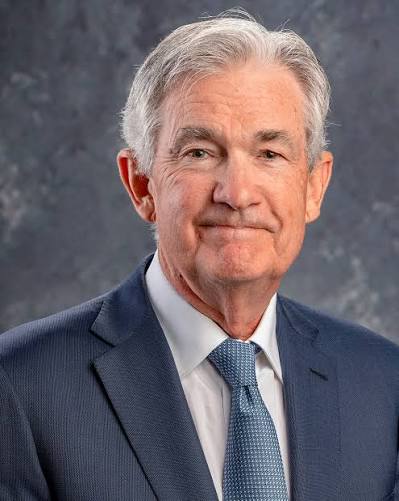
🇺🇸 NEW: Trump's top economic adviser Kevin Hassett called on former Fed Chair Powell to leave the Fed board after an internal report flagged management failures in its headquarters renovation. https://twitter.com/Cointelegraph/status/2106980442280763729/photo/1
中文: 🇺🇸 最新报道:特朗普的首席经济顾问凯文·哈塞特在内部报告称其总部翻修管理失败后,呼吁前美联储主席鲍威尔退出美联储董事会。

939446 粉丝
View History
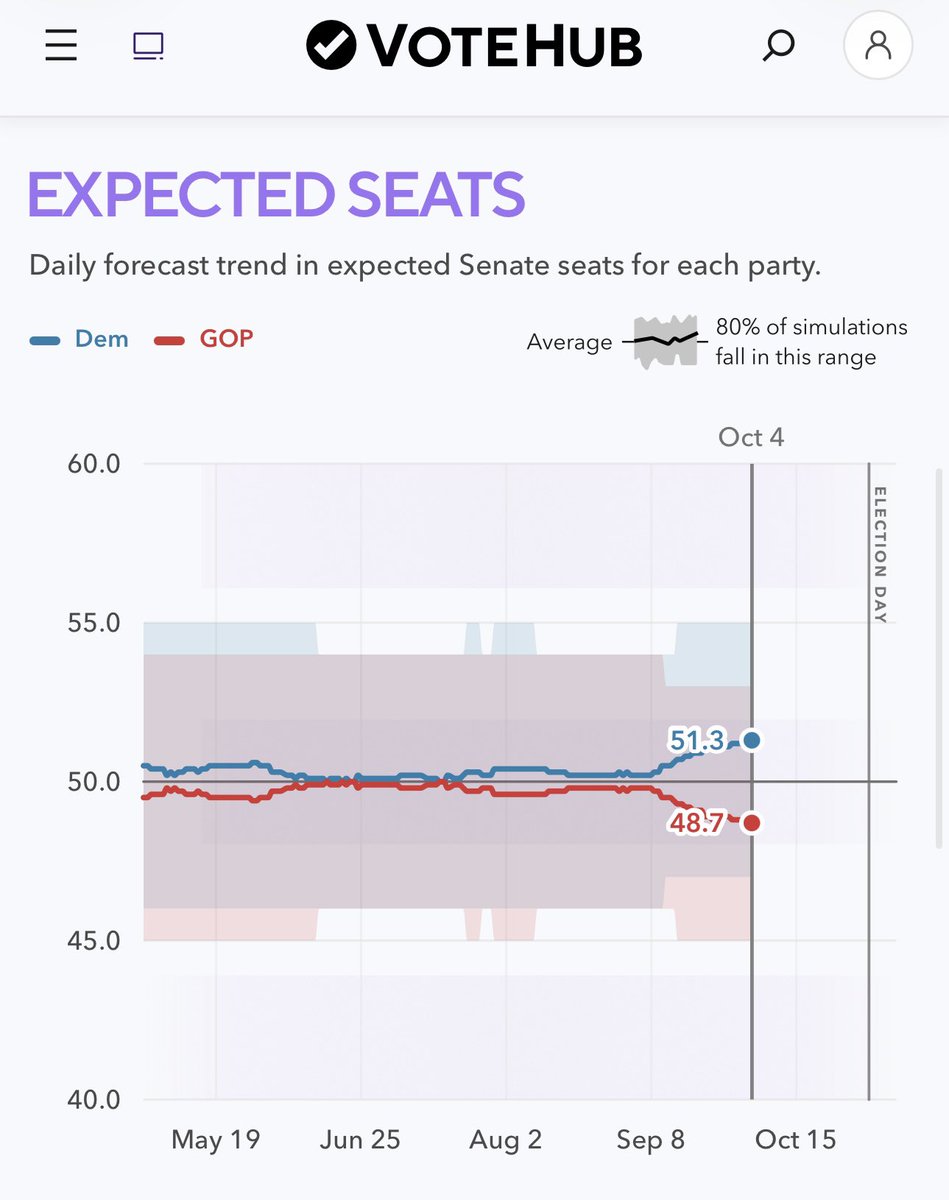
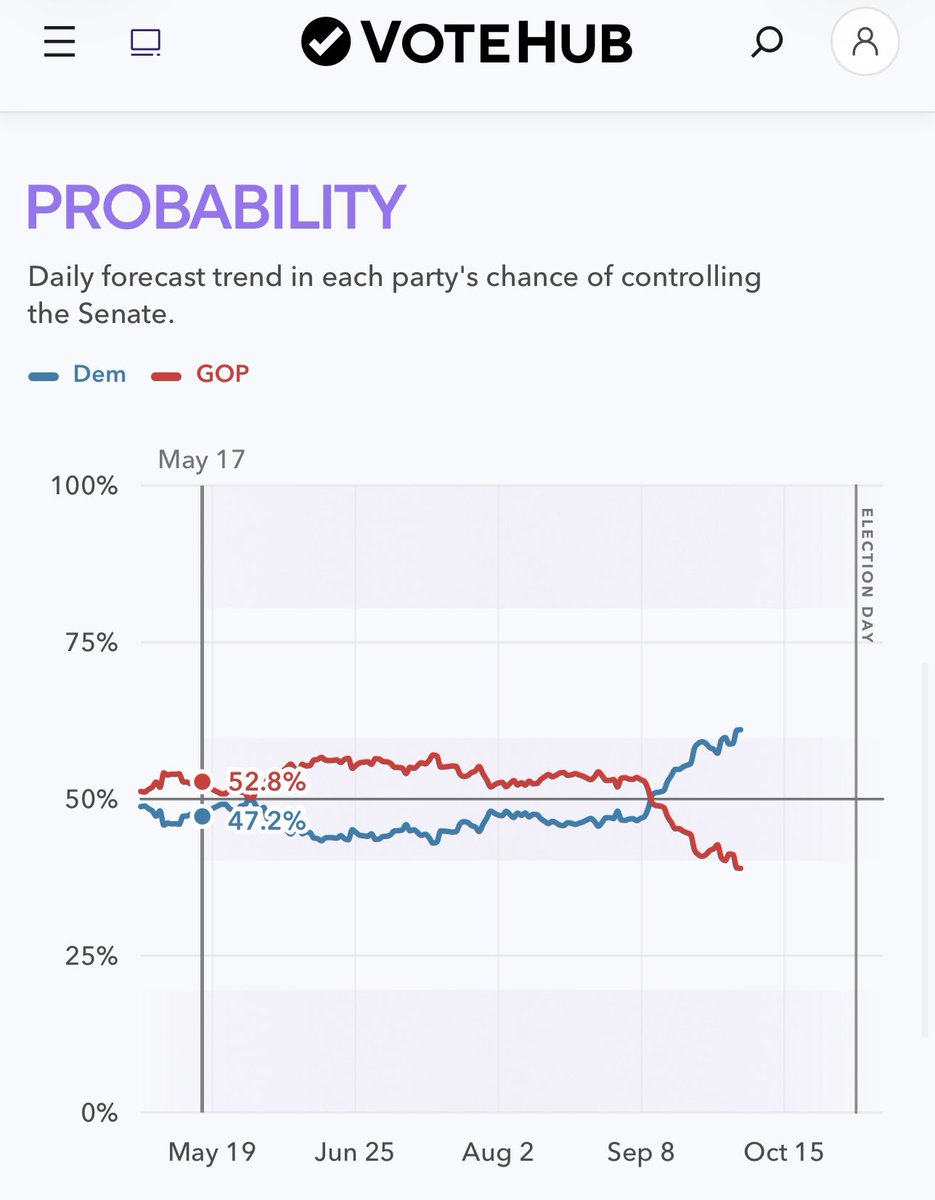
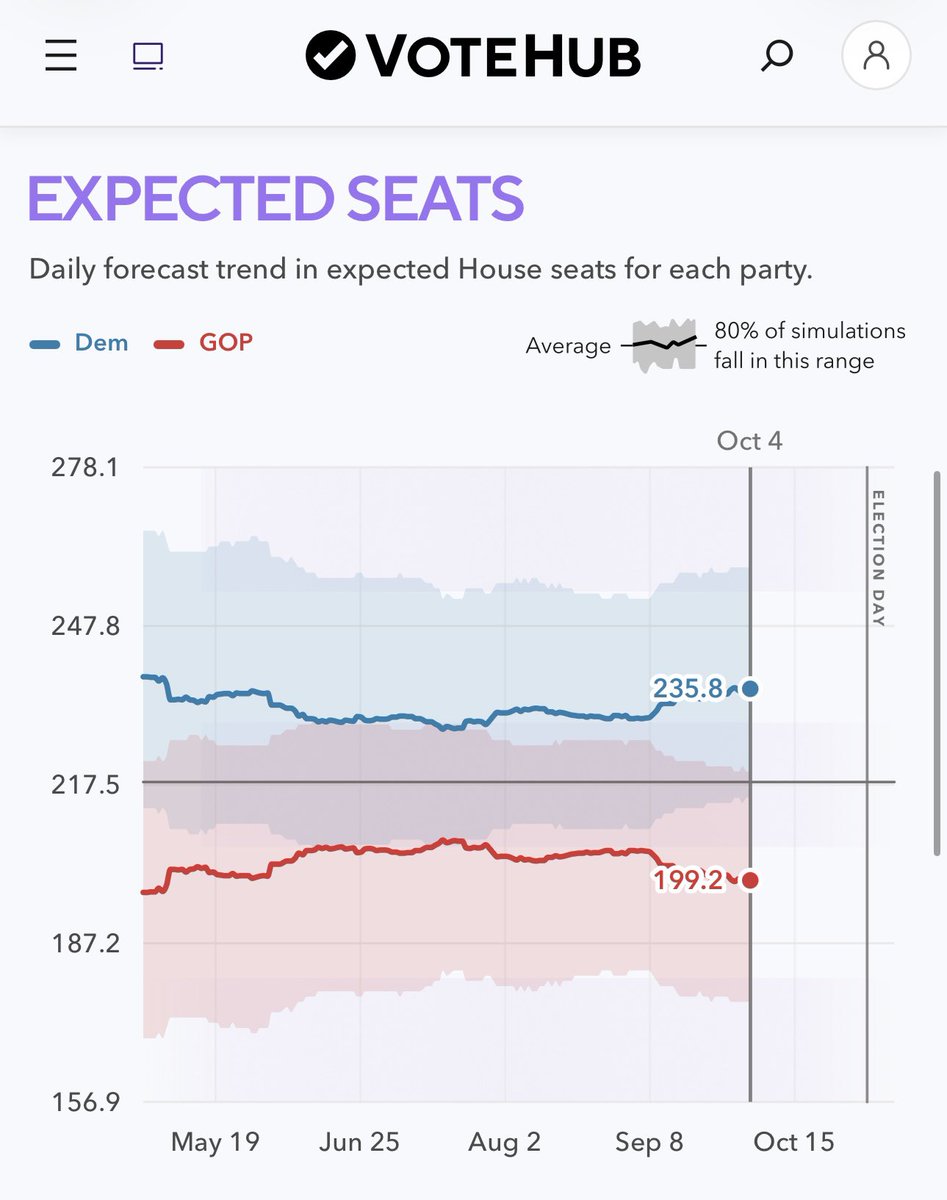
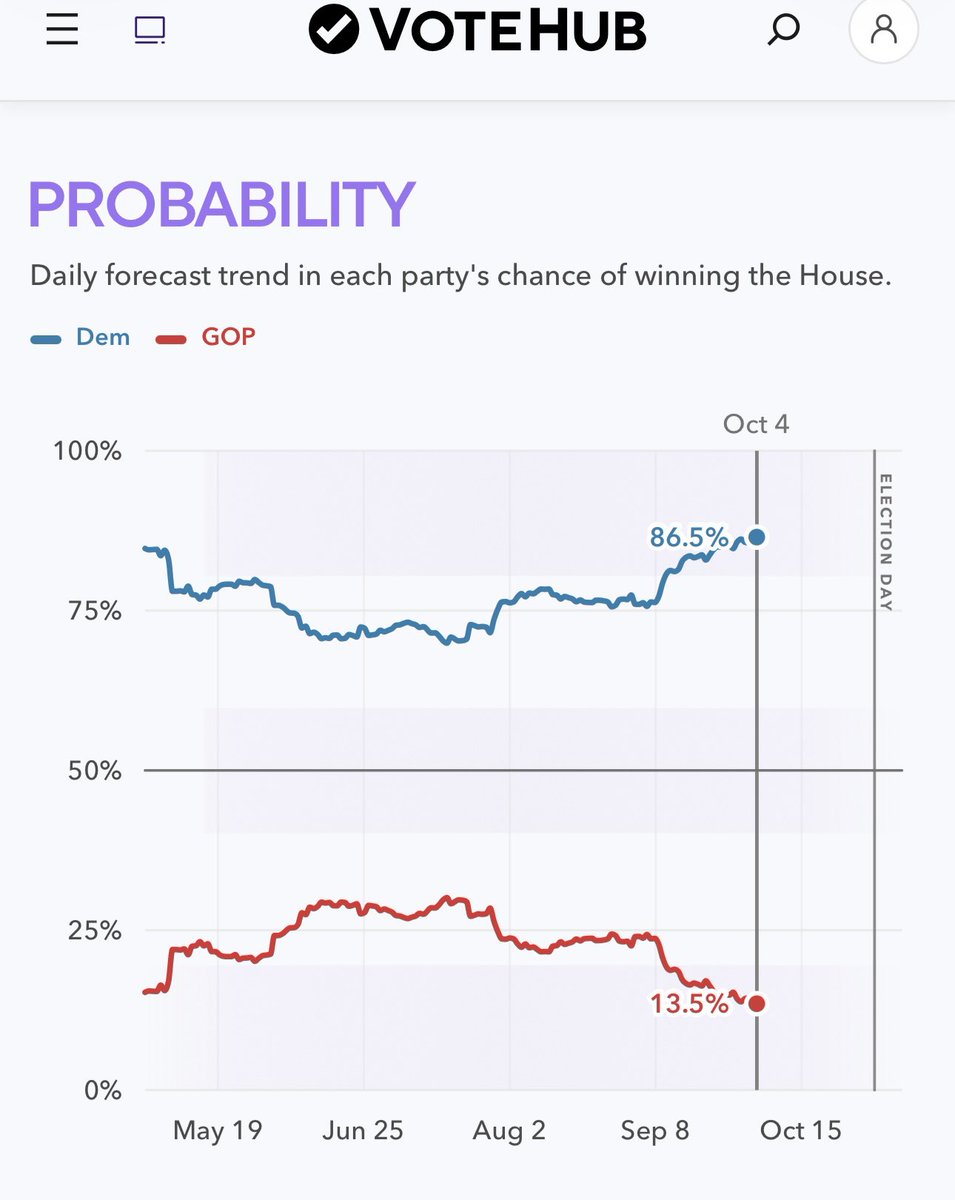
距中期选举30天,参议员选举民主党候选人获胜概率(VoteHub模型):佐治亚96%,北卡95%,明尼苏达91%,新罕布什尔89%,密歇根75%,阿拉斯加69%,俄亥俄68%,得克萨斯65%,缅因63%,艾奥瓦44%,堪萨斯28%,内布拉斯加23%,南卡15%。民主党夺过参议院、众议院概率分别为61%、87%,最可能席数51:49,236:199 https://twitter.com/fangshimin/status/2106980361540661487/photo/1

114033 粉丝
View History
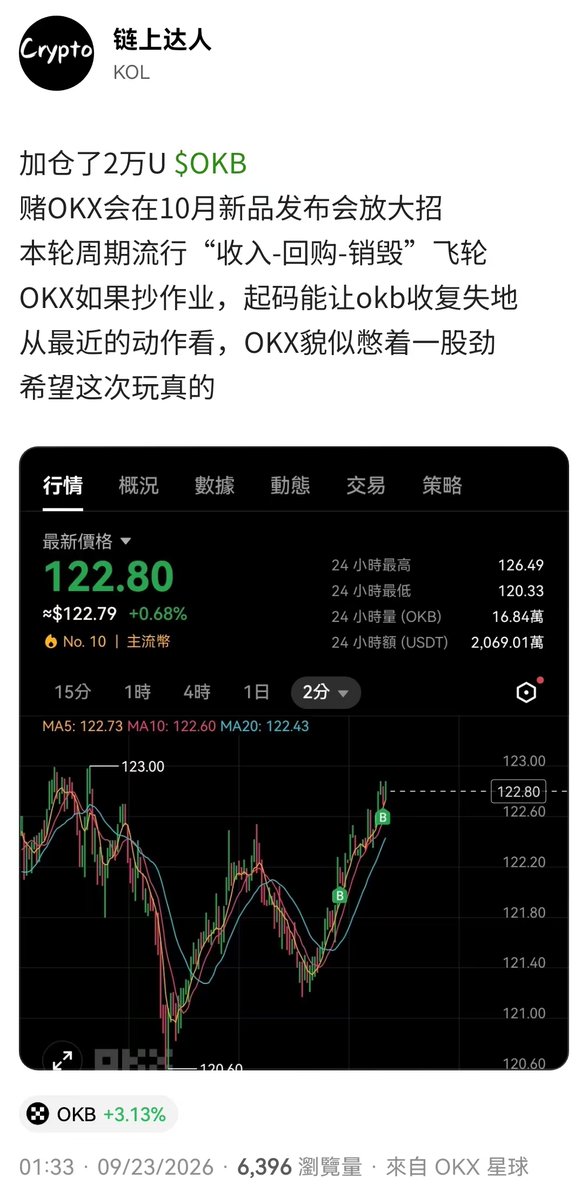
节前就加仓了 $OKB ,一直在蹲大的。
@okx 拟推出代币化股票交易平台这事不小,但还不够大,起码现阶段还停留在消息层面。
明天是 OKX Now 产品发布会,虽然不能到现场,还是希望传出一些利好,尤其是直接赋能OKB的举措。
这轮周期OKB如果不能收复失地,就真的弱爆了。
26414497 粉丝
View History
Former Prince Andrew takes police to court over Epstein files arrest, Telegraph says https://reut.rs/47kcgnj https://reut.rs/47kcgnj
中文: 据《每日电讯报》报道,前安德鲁王子因爱泼斯坦被捕而向警方提起诉讼

335934 粉丝
View History
323932 粉丝
View History
@arbitrum cooking
中文: @arbitrum 烹饪
241760875 粉丝
View History
RT @stevenmarkryan: Watch This Stunning Tesla Awakening
中文: RT @stevenmarkyan:观看这款令人惊叹的特斯拉觉醒
🎬
视频
752966 粉丝
View History
施耐德电气将收购美国工程软件开发商PTC,交易对应的企业价值约237亿美元。

136135 粉丝
View History
十…十年磨一剑?—— 成本低至 $11.61 的 2016 年 OG 时隔六个月疑似抛售,预计获利超 3621 万美元🤨
2 小时前该地址向 #Coinbase 充值 13330 枚 $ETH,价值 3637 万美元,充值价格 $2728.59,若卖出回报率将高达 23402%
钱包地址 https://arkm.com/explorer/address/0xa2F6aBE26fE0E1c1F2684AB002ed02A59FfbF85A
#Bitget 来了就是VIP!Crypto、美股、CFD,全球先机一站布局
26414497 粉丝
View History
Hundreds of dachshunds strutted their tiny legs down the iconic Champs-Elysees, delighting onlookers as the 'Sausage Walk' celebrated its 2026 edition with colorful costumes, wagging tails, and French flair https://twitter.com/Reuters/status/2106977862192689363/video/1
中文: 数百只腊肠犬沿着标志性的香榭丽舍大街小腿,让围观者欣喜不至,《香肠漫步》以五颜六色的服装、摇摇尾巴和法式服饰庆祝其2026年版
🎬
视频
191385 粉丝
View History
191385 粉丝
View History
200美元,9小时,一支完整的音乐视频。
有人先让 Claude 刷了一遍 TikTok,然后给它200美元,只提了一个要求:做一支 MV。
9小时后,Claude 带着《Watch Me Till The End》回来了。
看完只剩一句:“我完了,哈哈哈哈😭” https://twitter.com/FinanceYF5/status/2106977795528417401/video/1
🎬
视频
26414497 粉丝
View History
European EV sales hit record in 'pivotal' year for affordable cars, study shows https://reut.rs/4jnHl0D https://reut.rs/4jnHl0D
310282 粉丝
View History

191385 粉丝
View History
191385 粉丝
View History
旧金山教会人一件事:科技活动上,对方问你要哪个社交账号,背后都有潜台词。
Twitter:很高兴认识你
LinkedIn:我讨厌你
Discord:我们线下约吧
Instagram:假装以后会约,然后默默互看 Story,直到世界尽头
手机号:1-3天内会请你帮个忙,然后再也不联系
邮箱:活动一结束,就偷偷把你加入 Newsletter
Snapchat:你看起来不像技术人员
GitHub:我爱你
287451 粉丝
View History
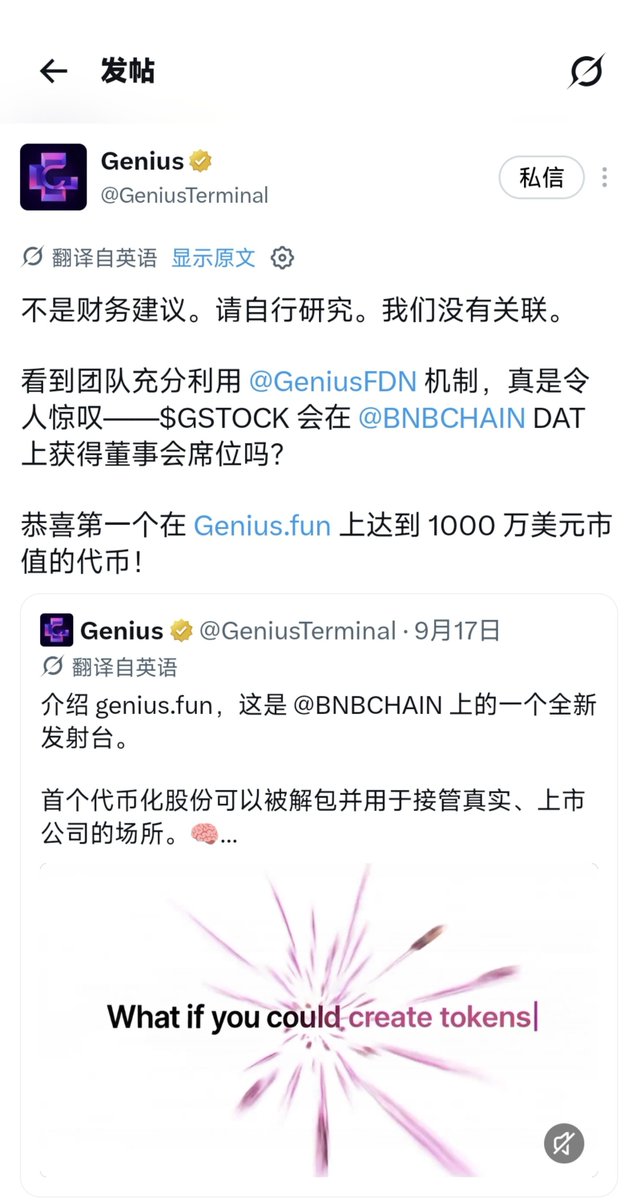
用一句话理解gstock的定义
“一场由BSC散户群体发起的向上市公司主体展开的收购运动”
BNC董事会席位只是第一步
这让我想起游戏驿站大战华尔街
它现在真实的发生在BSC @cz_binance https://twitter.com/ytflzyyds/status/2106976168591425767/photo/1

149474 粉丝
View History
闲鱼酒店代订 免费升行政套房+不用前台登记+住房折扣
太牛逼了 https://twitter.com/maid_crypto/status/2106976124060508227/photo/1

176872 粉丝
View History
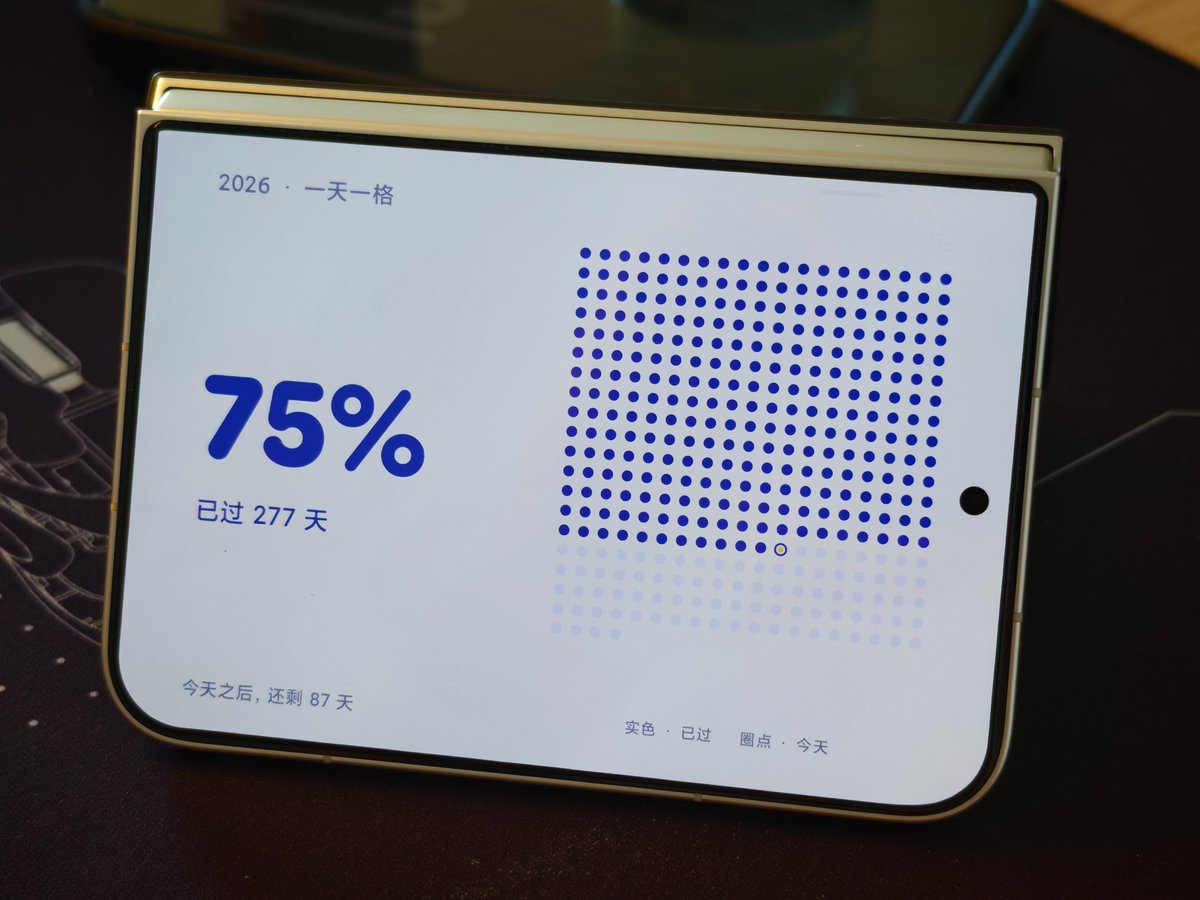
专门为安卓折叠屏做了一个模仿 iPhone Duo那个半折状态下的屏保应用。
考虑到实在是没几个人用,所以就没发,有需要的话我开源一下 https://twitter.com/op7418/status/2106976063620632944/photo/1
4221417 粉丝
View History
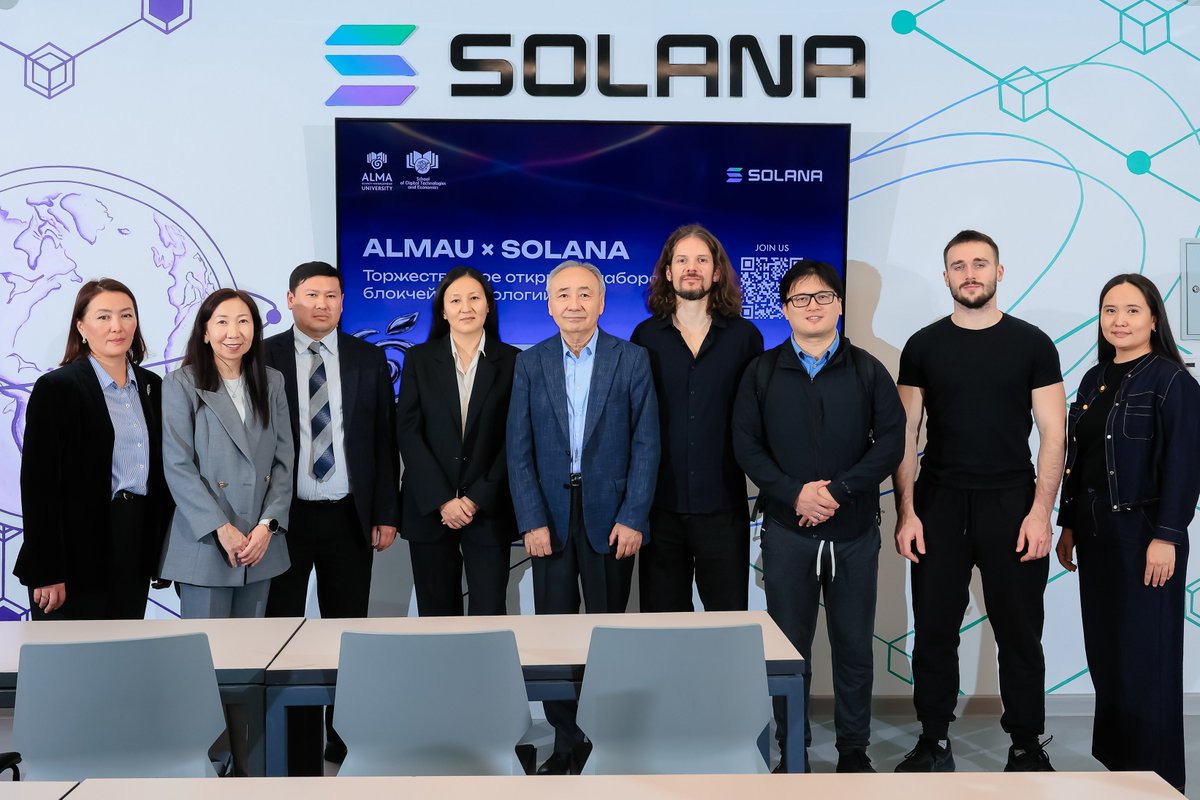
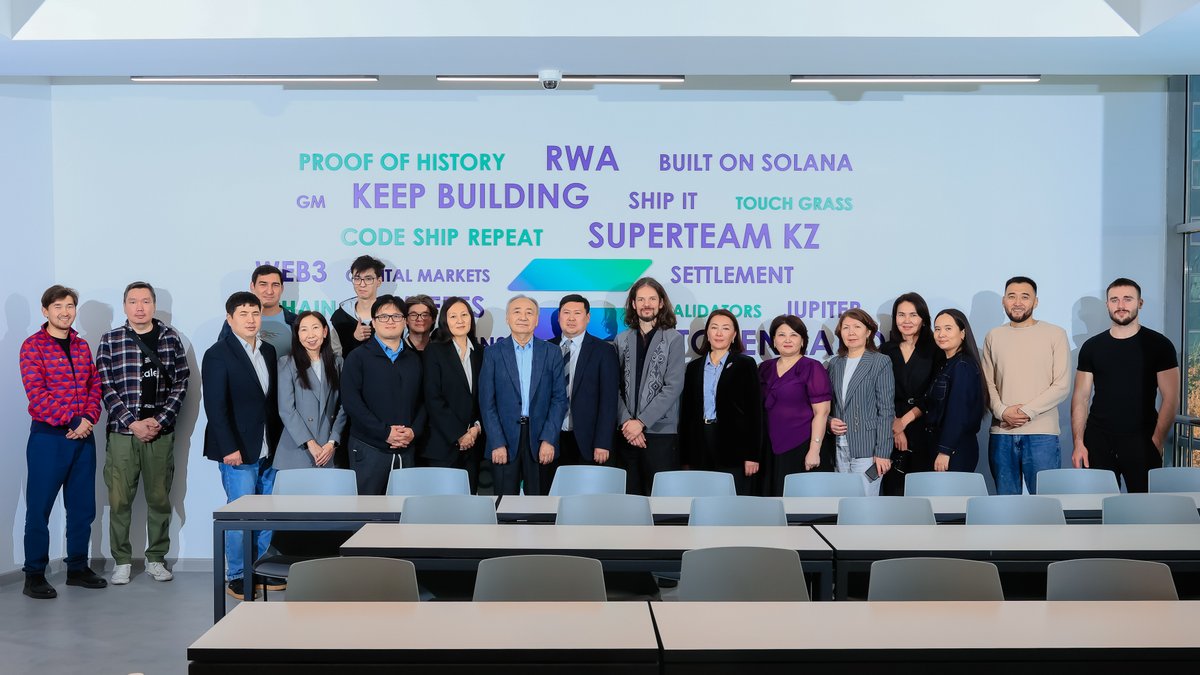
RT @SuperteamKZ: We’ve officially launched Solana Lab at Alma University.
A dedicated university lab where students can build on Solana with ecosystem mentorship.
Following our 2-week bootcamp and 15-week course launch, this marks the next step in bringing Solana into university education. https://twitter.com/SuperteamKZ/status/2106796846857216444/photo/1


26414497 粉丝
View History
Taiwan foreign minister visits US for opening of new Arizona office https://reut.rs/4djvjBr https://reut.rs/4djvjBr
中文: 台湾外长访问美国,以开设亚利桑那州新办事处
181692 粉丝
View History
《解读 Sui 新定位:全球支付网络、稳定币与 AI Agent》Sui 将自身定位为面向全球资金流转的高性能区块链,强调横向扩展能力、低成本转账、链上存储和全栈开发者工具。Adeniyi Abiodun 表示,稳定币支付和 Agent 工作流可能成为未来的重要需求;Sui 的 TVL 回落更多受到市场因素影响。Sui 的治理由全球独立验证者共同参与,未来将继续关注稳定币支付、Agent 支付和机构接入,长期目标是取代 SWIFT 及传统支付基础设施。阅读全文: https://wublock123.com/articles/sui-global-payments-network-stablecoin-ai-agent-59635
4221417 粉丝
View History
RT @SuperteamIN: a team of four that raised $150k in 5 seconds.
meet @ordrtrade — building the next generation of orderbooks on @solana. https://twitter.com/SuperteamIN/status/2105329749979771095/video/1
中文: RT @SuperteamIN:一支四人团队,在5秒内筹集了15万美元。
认识 @ordrtrade——在 @solana 上构建下一代订单簿。
🎬
视频
1661511 粉丝
View History
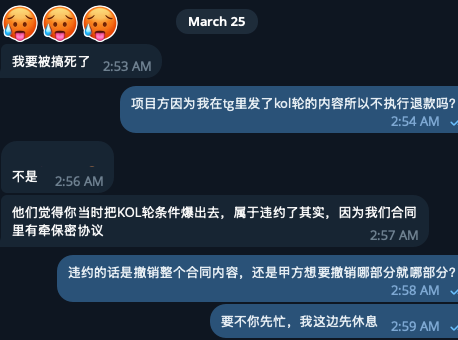
不过我还是比较好讲话的,这是三月份最后一次跟agency对话,之后无退款,无解锁,我也没再提过这事,维权是必不可能的,这里只凭实力讲话,能砸能掏,猪飞上树都是你的本事,只是别把所有人当成傻逼 https://twitter.com/hongkongdoll/status/2106974836975435873/photo/1
191385 粉丝
View History
4/ “我们生活在一个失衡的世界:过度重视中期,却低估了短期和长期。
我会重新调整,把注意力放在短期和长期,然后忘掉中期。”
源:https://x.com/StartupWisdom_/status/2106534802824552570
191385 粉丝
View History
3/ “你可以从三个时间尺度思考未来:
非常短期:你会开心吗?能学到很多东西吗?
中期:这段经历写在简历上有多好看?
非常长期:你正在做重要或有意义的事情吗?”
99102 粉丝
View History
有沒有發現,AI 越來越強,長相卻越來越像寵物?👀
Meta 的 Muse 配上一隻毛茸茸、臉頰紅紅的吉祥物。背後是越來越強大的 AI,呈現在你面前的,卻是一個看起來需要被照顧的小傢伙。(https://t.co/OwkT2MwnYe)
我覺得這個設計方向很值得研究,尤其是正在做 AI 產品的人。
⚡️ 其實,100 年前電力公司就做過類似的事。
1926 年,美國 Alabama Power 推出 Reddy Kilowatt,把看不見、摸不得的電,畫成一個有笑臉的卡通角色,用更親切的形象鼓勵大家使用電力。(https://t.co/ZuDdQOWTfV)
🧠 心理學裡有個概念叫「嬰兒圖式」。
大眼睛、圓臉、小鼻子這些特徵,容易讓人覺得可愛,產生照顧的意願。這有實驗研究支持,但不能直接推論成「可愛的 AI 就一定更值得信任」。(https://t.co/ydg2hZYF5p)
放到 AI Agent 身上,我的理解是:可愛的外型,可能讓人更願意靠近、嘗試,甚至把事情交給它處理。
以前用聊天機器人,你問一句,它回答一句。
接下來的 Agent,則可能需要讀你的信件、看你的行程、操作你的電腦。產品要跨過的門檻,也變成了:「你願意讓它參與多少生活?」
🐣 想像同樣一句「讓我幫你處理」,從一個冰冷的系統視窗,換成一隻會眨眼的小寵物,感受就差很多。
所以我認為,接下來 AI 的競爭,除了能力、速度、價格,也會越來越重視個性、外型,以及相處起來的感覺。
只是,可愛能讓人願意開始使用;要讓人長期放心,還是得靠每一次把事情做好,以及知道什麼時候該先問你。

191385 粉丝
View History
1/ Peter Thiel:很多人从未真正去做自己想做的事。
“当你把未来看成不确定的,你最终会选择一份在简历上看起来不错的工作,因为你认为它以后能带你去另一份工作。”👇 https://twitter.com/FinanceYF5/status/2106974494061735970/video/1
🎬
视频
176872 粉丝
View History
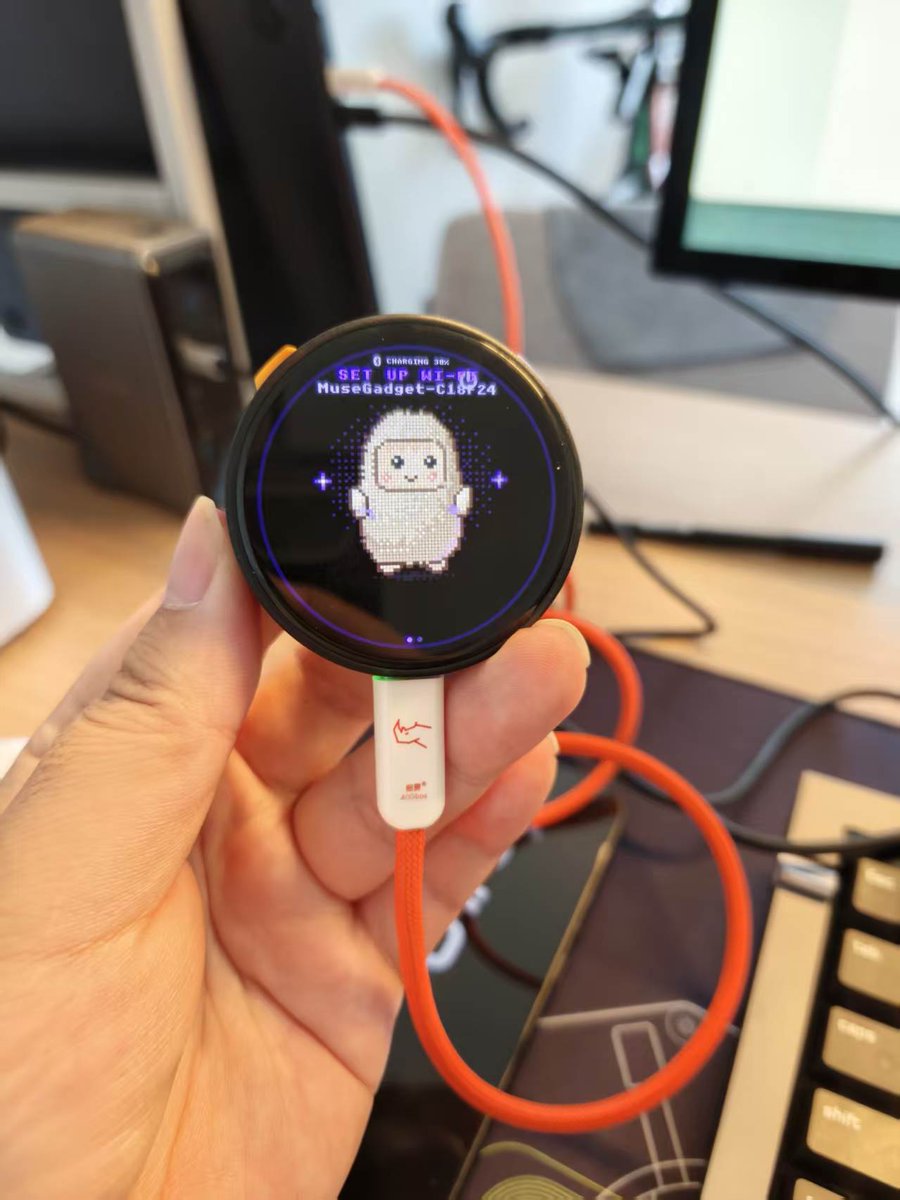
搞定了 Muse 那个小玩具 哈哈
我用的 M5 Stack 的 Stop Watch Meta 搞得
这个 Muse Gadgets SDK 真的很方便
而且已经内置了好几个常见 ESP 32 设备的固件,直接刷进去就行 https://twitter.com/op7418/status/2106974366722662786/photo/1
752966 粉丝
View History
每天晚上健身房出来,打会台球。
让肌肉舒展放松。 https://twitter.com/__Inty__/status/2106974365086863590/video/1
🎬
视频
939446 粉丝
View History
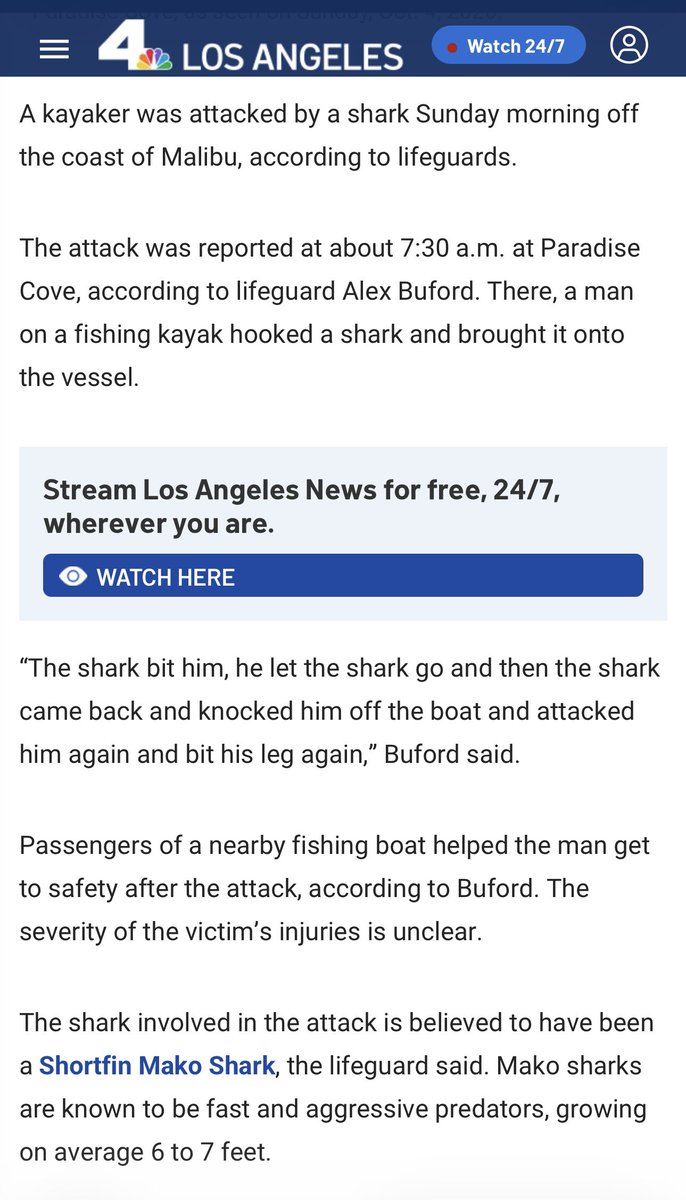
有人在洛杉矶马力布海边乘坐皮筏艇钓鱼,钓上一条鲨鱼,被鲨鱼咬了。他将鲨鱼放了,鲨鱼游回来撞翻皮筏艇,咬了他的腿。 https://twitter.com/fangshimin/status/2106974286049386795/photo/1
26414497 粉丝
View History
Madrid protesters camp demand action on housing crisis https://x.com/i/broadcasts/1DxLdZoywbyxm
中文: 马德里示威者营地要求对住房危机采取行动
176872 粉丝
View History
搞定了 Muse 那个小玩具 哈哈
我用的 M5 Stack 的 Stop Watch Meta 搞得这个 Muse Gadgets SDK 真的很方便
而且已经内置了好几个常见 ESP 32 设备的固件,直接刷进去就行 https://twitter.com/op7418/status/2106973267580056040/photo/1
1661511 粉丝
View History
@KuiGas 不是亏不起,是讨厌被当成傻逼

2976463 粉丝
View History
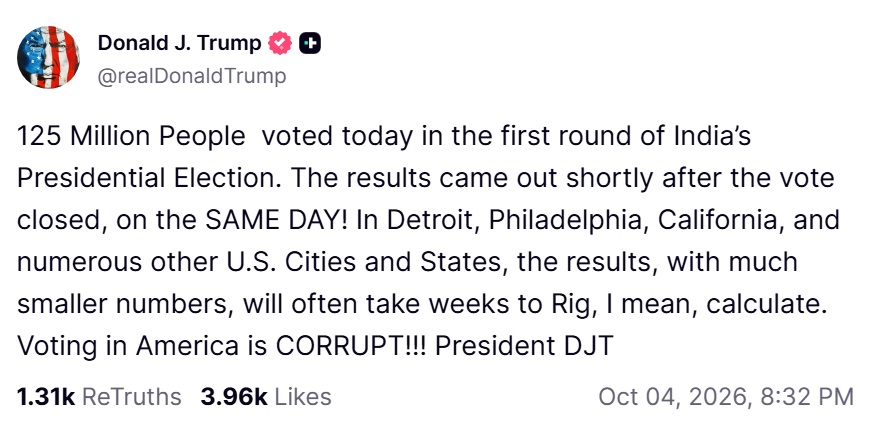
125 million people voted in India today
Voter ID was required
No mass mail voting
Results were in the same day https://twitter.com/TrumpDailyPosts/status/2106973097106764111/photo/1
中文: 今天印度有1.25亿人投票
需要选民身份证
无大规模邮寄投票
结果同日公布:
129200 粉丝
View History
#BTC 目前报价 86,009 美元,24 小时涨 1.66%,突破过程中有超 10 亿美元空头被清算。
市场没有在定价“周一血洗”,而是在消化一次正常的空头回补。所谓的“反馈循环”逻辑链条很长,但每一个环节的强度都被夸大了。 https://twitter.com/Wuming_Mr_/status/2106973016643064225/video/1
🎬
视频
19023 粉丝
View History
RT @chuhaiqu: 上次说要聊屏幕共享,来了。
访谈里对方说"导出以后处理一下",这半句话底下可能藏着:改字段、查资料、发消息找人确认、重新上传、人工再核一遍。熟练的人自己都意识不到这些步骤。
所以能看就别只听。对方同意、资料也允许的话,请他共享屏幕,用脱敏的样本把平时的流程走一遍。
看的时候盯这几样:从哪个入口开始,在哪几个工具之间来回切,复制粘贴和等待出现在哪,哪些地方要靠人判断,还有他嘴里自然冒出来的词(这些词以后很可能直接用得上)。
看的时候别插嘴。他找不到某个按钮,这本身就是信息。
记笔记的时候把"看到的"和"我猜的"分开写,比如:
看到:同一个编号复制到三个系统,中间两次回聊天记录核对
他说:怕编号错了对不上账
我猜:编号同步可能是高风险环节,还要多看几个人
不方便看真实资料也没关系,让他画个流程、拿空白模板演示,或者口述最近一次,都比"你觉得这个功能怎么样"强。
2936694 粉丝
View History
🇯🇵 LATEST: Japan has added Russian crypto exchange Garantex to its sanctions list as part of new asset freezes tied to the war in Ukraine.
https://ct.com/news/japan-adds-garantex-to-list-of-russia-sanctions-over-ukraine-war https://twitter.com/Cointelegraph/status/2106972889446564159/photo/1
中文: 🇯🇵 最新:日本已将俄罗斯加密货币交易所Garantex列入制裁名单,这是与乌克兰战争相关的新资产冻结的一部分。



4895597 粉丝
View History
RT @WatcherGuru: JUST IN: Former Wall Street banker and whistleblower Simon Andriesz, who exposed Commerce Secretary Howard Lutnick's links to Jeffrey Epstein has died by suicide.
中文: RT @WatcherGuru: 刚刚:前华尔街银行家兼举报人西蒙·安德里兹,曾曝光商务部长霍华德·卢特尼克与杰弗里·爱泼斯坦的关联,但已自杀身亡。
26414497 粉丝
View History
US Coast Guard suspends search for people on crashed medical aircraft https://reut.rs/4y5EJrI https://reut.rs/4y5EJrI
中文: 美国海岸警卫队暂停在坠毁医疗飞机上搜寻人员
3337499 粉丝
View History
Flightradar24的卫星追踪数据逐秒记录了迪拜航空这架波音737 MAX客机的速度、飞行角度及过载负荷。这里有对这些数据的详细梳理。调查人员后续还将调取客机的黑匣子数据,以综合考量风速和机外温度等其他相关因素。https://cn.wsj.com/articles/WP-WSJS-0003948192

159072 粉丝
View History
Stonk Introduces Community Coin, Sharing 33% of Meme Holder Rewards
Solana launchpad @LaunchOnSF has introduced its new "Community Coin" mechanism, allowing community holders to earn rewards from newly launched Memes paired with their tokens.
Here’s how it works:
• 33% of holder rewards go to eligible Community Coin holders
• 67% goes to holders of the newly launched Meme
• Initial Community Coins include $USELESS, solana:2zMMhcVQEXDtdE6vsFS7S7D5oUodfJHE8vd1gnBouauv, solana:HcRLc9VDgjLeK154xDawfb1dmVJ98DoSqcwTHGqiDeJR, $ANSEM, and $NEET
This creates another way for established communities to benefit from new token launches, potentially turning community attention into a shared revenue stream rather than relying solely on token price appreciation.
中文: 斯托克推出社区代币,分享33%的Meme持有者奖励
索拉纳推出平台@LaunchOnSF推出了其新的“社区币”机制,使社区持有者能够通过新推出的Memes与其代币配对获得奖励。
其工作原理如下:
• 33%的持有者奖励将发放给符合条件的社区代币持有者
• 67% 将持有者用于新推出的 Meme
• 初始社区币包括 $USELESS、solana:2zMMhcVQEXDtdE6vsFS7S7D5oUodfJHE8vd1gnBouauv、solana:HcRLc9VDgJK154xDawfb1dmVJ98DoSqwTHGqiDeJR 和 $NEET
这为老牌社区从新代币发布中受益创造了另一种方式,可能将社区注意力转化为共享收入流,而非仅仅依赖代币价格的升值。

6838 粉丝
View History
GoMami多地区优化 VPS,采用 AMD EPYC + NVMe SSD + 1Gbps起端口,覆盖中国香港、日本、新加坡、美国洛杉矶。
✨ 线路:
✅ CN2
✅ 联通 AS9929
✅ 移动 CMIN2
✅ 回国精品优化
🔥 日本优化 VPS 低至 $29/月
🇯🇵 JPN Pulse
• 2核 / 2GB
• 40GB SSD
• 1Gbps带宽
• 0.5TB/月流量
💰 $29/月起
🇸🇬 新加坡优化 VPS
• 2核 / 2GB
• 40GB SSD
• 1Gbps带宽
• 0.5TB/月流量
💰 $29/月起
🇺🇸 洛杉矶优化 VPS
China Mainland Optimized Pro
CN2 GIA + AS9929 + CMIN2
💰 $29/月起
• 2核 / 2GB
• 40GB SSD
• 1Gbps带宽
• 1TB/月流量
• 单向流量计费
🇭🇰 香港优化 VPS
最高:
🔥 AMD EPYC 9575F 5GHz
🔥 5Gbps带宽
🔥 10TB月流量
其他配置:
⚡ AMD EPYC处理器
⚡ NVMe SSD存储
⚡ 年付8折优惠码:GOMAMI365
适合:
✅ 海外建站
✅ 跨境业务
✅ 企业应用
✅ AI应用部署
✅ 对回国线路有需求的业务
👉 官网:
https://gomami.io/aff.php?aff=94
#VPS #香港VPS #日本VPS #美国VPS #CN2 #9929 #CMIN2 #GoMami

149474 粉丝
View History
十一假期
认识了十个妹妹 4个是杭州来的 比其他地方女生懂事太多了 妈的
太懂事了
然后就是闲鱼酒店代订 太牛逼了
191385 粉丝
View History
3/ 完整流程:
先使用 Suno v6 生成音乐,再把音乐文件、音乐风格、歌词和上面的提示词一起交给 Opus 5.5。
剩下的动态设计与节拍同步,由 Opus 完成。
https://x.com/minchoi/status/2106946461980307633
191385 粉丝
View History
2/ Opus 5.5 提示词,Effort 设为 Ultracode:
Make a beat-synced motion graphics music video for this track. Go all out.
<Your music style>
<Your music lyrics>
中文: 2/ 操作 5.5, 文示词, 语 节 Ultracode:
为这首曲目制作一个节奏同步的动态图形音乐视频。全动不动。
你的音乐风格和gt;
< 你的音乐歌词;
191385 粉丝
View History
1/ 一段过去可能需要约5000美元制作的动态视频,现在只需要一个提示词。
Min Choi 用 Opus 5.5 生成了一支4分30秒、全程跟随音乐节拍的动态设计 MV。
视频制作的成本和门槛,正在被一句话重新改写。👇 https://twitter.com/FinanceYF5/status/2106971886429364625/video/1
🎬
视频
149474 粉丝
View History
十一假期
认识了十个妹妹 4个是杭州来的 比其他地方女生懂事太多了 妈的
太懂事了

160063 粉丝
View History
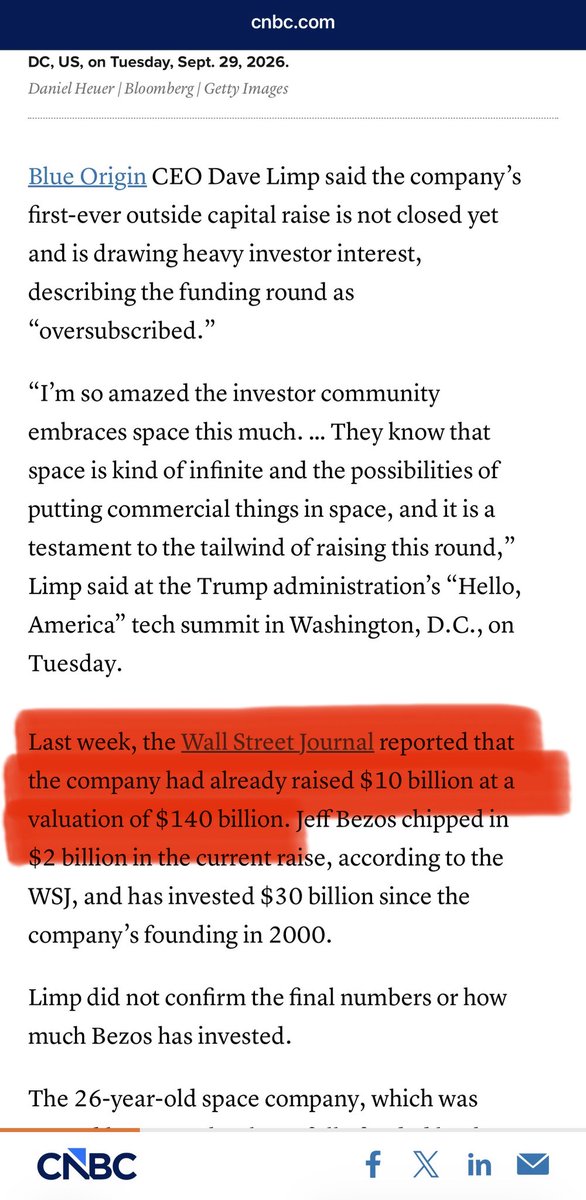
才发现BlueOrigin蓝色起源刚刚完成一轮100亿美金的融资,估值超过1400亿美金。现在蓝色起源主力火箭New Glenn才飞过三次第一次失败、第二次完成了政府科学任务、第三次真正商业飞行一级复用并成功回收但把卫星送进了错误轨道任务按失败计,过往的营收主要是NASA的科研订单。就这样都估值1400亿美金,这么看RKLB现在400多亿美金的市值相当眉清目秀了。

107814 粉丝
View History
@hongkongdoll 一手牌打的稀巴烂的原因离不开团队的格局,撸毛的亏麻,二级的亏麻,kol亏麻。其实亏点钱没啥,不是亏不起,更多的是tge前与tge之后,变脸的速度像翻书一样。
26414497 粉丝
View History
Markets bet on RBI rate hike as inflation pressure builds https://reut.rs/4i3ExEs https://reut.rs/4i3ExEs
310282 粉丝
View History
【我的警察之路 3 】
两年时间,我在司法学校并没有好好学习,现在想来是很后悔的事,但青春不会重来。
我最好的两个朋友,西安的女孩和我们班当时很帅的一个男孩恋爱了,当时我们都觉得很不可思议,因为女孩长相比较普通,而且她爱的也比较卑微,但是温柔专注。
后来他们结婚了,男孩家在铜川,也在铜川的一个司法机关上班,女孩家在西安北关,算是不太远的异地。
女孩毕业后考了律师,做了一阵子律师,后来不知道做什么了,或者一直做律师?我们也因为各自结婚后联系渐渐没了。
另外一个好朋友是榆林的,和班上的一个班干部当时恋爱得昏天黑地,但是男方家庭条件不好,快毕业的时候她老家那边一个银行工作的男孩追她,还来学校好几次,她后来毕业后就嫁给了银行的那个男孩。
后来他们生了个儿子,她儿子六七岁的时候,他们带娃来我家,我们带他们去了乾陵逛了逛,安排他们住在我们县城的宾馆。但是之后不久他们就离婚了。
她后来一直情人不断,她确实挺有魅力的,也非常有个性。最近的消息是,她去年成了自己的律师事务所,她是合伙人之一,很棒很要强的女人。
她们都是在学校毕业不久之后自考了大专文凭,又考到了律师资格证。
而我,荒废学业,只自考了大专文凭,没有去考律师资格证。
我毕业前在我们县法院实习了两个月,当时一门心思想做个法官的。我挺喜欢法院的感觉的。当时的感觉就是,法官还算清廉,都是脑子里有一些东西的人。
但我并没有如愿以偿。
191385 粉丝
View History
@atrium_me 以上就是全部,原作者 @kevin_jy_lu
如果您喜欢这个主题:
1.关注我(@FinanceYF5)
2. 点赞+转发下面第一条帖子
https://x.com/FinanceYF5/status/2106968774914248906

69682 粉丝
View History
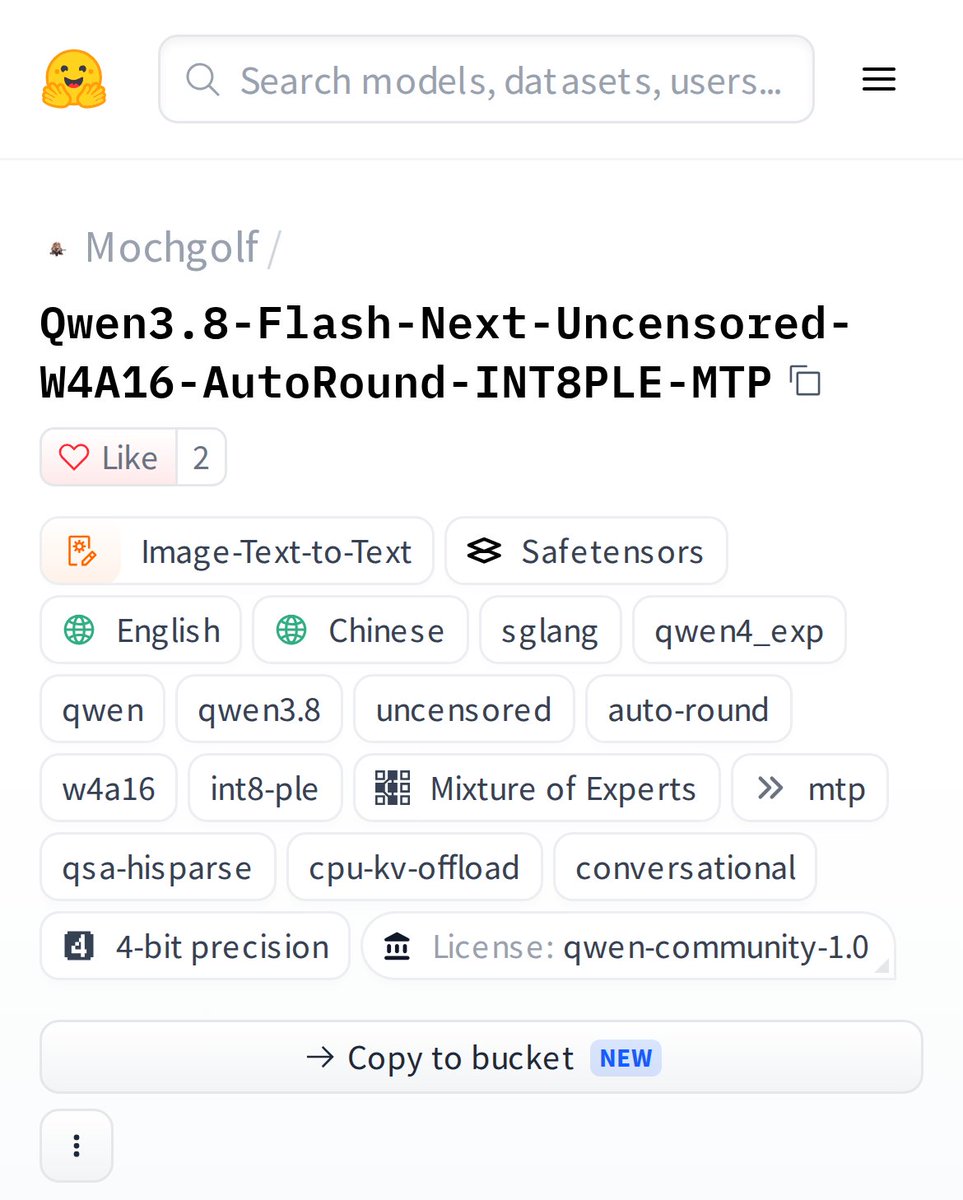
🔗 Explore the full model details here:
https://huggingface.co/Mochgolf/Qwen3.8-Flash-Next-Uncensored-W4A16-AutoRound-INT8PLE-MTP
中文: 🔗 在此处查看完整的模型详细信息:
69682 粉丝
View History
Why it's top tier: uncensored, multimodal, and optimized with W4A16 and INT8 for fast inference. MoE keeps it lean. 163 downloads prove early traction. Try it for your next project.
中文: 其顶级原因:采用无审查模式、多模式,并采用 W4A16 和 INT8 优化,实现快速推断。MoE 保持其精简。163 次下载证明了早期的发展势头。试试你的下一个项目。
69682 粉丝
View History
Meet Qwen3.8 Flash Next: an uncensored image-text-to-text model that runs on SGLang. Built on Qwen, it's a MoE with AutoRound W4A16 and INT8 PLE. 163 downloads and counting. Here's why this matters. https://twitter.com/HuggingModels/status/2106968881151766901/photo/1
中文: 认识 Qwen3.8 Flash Next:一款在 SGLang 上运行的未经审查的图像文本转文本模型。基于Qwen构建,采用AutoRound W4A16和INT8 PLE的MoE。下载量达163次,数量不断增加。这就是这件事的重要性。
191385 粉丝
View History
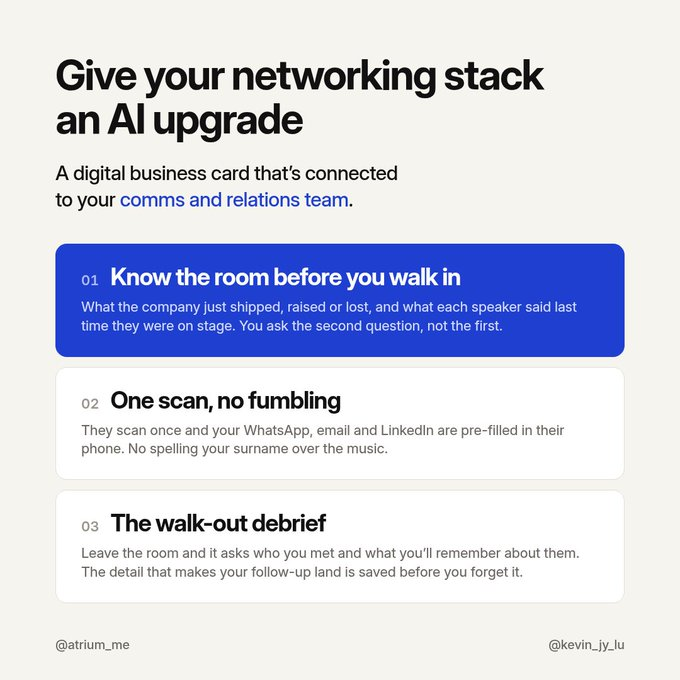
最后,@atrium_me 准备了888个邀请码,帮助大家在 Tech Week 更好地建立和维护关系:
https://app.atrium.me/?invite=H85383K0HG7H
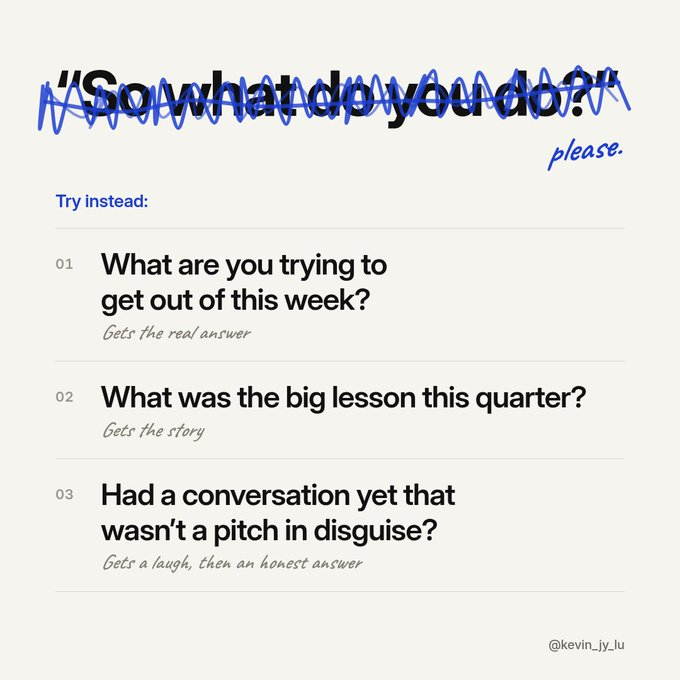
只有一个条件:别再问“你是做什么的?”
https://x.com/kevin_jy_lu/status/2106903538643423444
191385 粉丝
View History
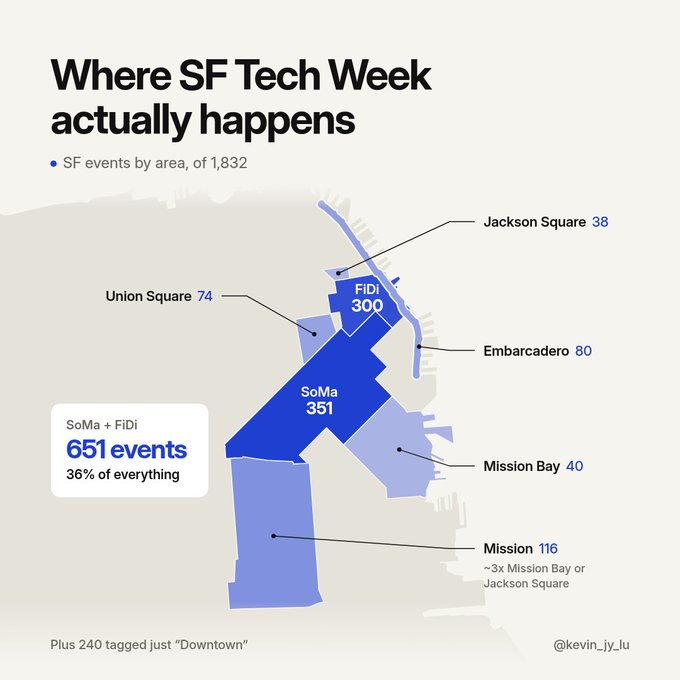
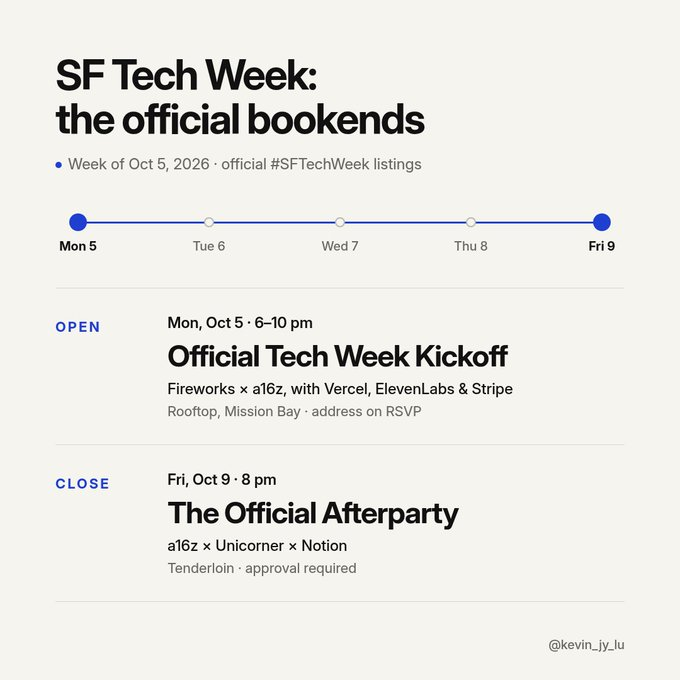
SF/LA Tech Week 有超过2635场活动。
最大的错误并非错过几场,而是在 Luma 和 Partiful 上报名14场,最后一段值得跟进的关系都没留下。
如何从活动洪流中真正获得价值?这12条建议很实用。👇 https://twitter.com/FinanceYF5/status/2106968774914248906/photo/1
310282 粉丝
View History
【我的警察之路 2 】
司法学校是两年制,就是我妈说的那种,短平快。
作为农村出生长大的我的父母,没有任何想法说让我在学校努力一下,好好考个不错的大学的研究生,也不会给我规划一条留学的路。
最现实的莫过于毕业后赶紧回家找个工作,安安分分踏踏实实地过普通人的生活。
这两年司法学校的学习,和高中上学形式差不多,有固定的班级,有固定的教室,只是学习氛围没那么浓,压力没那么大。所以,我也很放任自己,没好好学习。
短短的两年时间,恋爱四次😂
认识一个混混,我天真地想把他领到正路上来,后来失败,便不再来往。
还有一个是我们班的班长,瘦高个,写一手好字,但是太功利,我最看不起送礼拍须溜马的人,他就是,毕业前,我亲眼看到他给我们学校的领导送礼,结果确实是分配的比较好……
忘记是不是留西安了。反正就是毕业前就分开了,对他是一种盲目而短暂的欣赏。
第三个是黄陵的一个高年级男生,憨厚老实,我们学习交谊舞时认识的,他是我的舞伴。
为啥去学跳舞呢?因为我性格实在是太内向了,对即将要面对的社会很惶恐,我不会和人交往,朋友老师都说学跳舞是一种社交的方式,我就硬着头皮去了。
和这个黄陵的呢,我感受比较多的是被照顾。后来去他家那边逛了一次,就打退堂鼓了,感觉黄陵空气土地都是黑的。出煤,有很多煤矿。感觉自己平原的孩子,在那里生活有点窝囊,走不出去的感觉。
随着他毕业,就自然而然地联系淡了。
第四个是西安的男孩,另外一个专业的,人很好,就是个头太低,我对男生个头有比较大的执念,所以勉强恋爱了一段时间,在我毕业后,他还坚持每周来看我,但是在我看到徐同学,对徐同学一见钟情后,迅速,果断,一点也不拖泥带水地抛弃了他😂
司法学校里除了学习,就谈恋爱了。我也没好好学习,真的是蹉跎了最好的两年。
在那两年里,我亲眼见证了我两个好朋友的恋爱。
25039 粉丝
View History
用纯 Rust 重做 Lightroom 式的照片库与 RAW 显影流程,原生跑 macOS、Windows、Linux 和浏览器,并把每个操作都暴露成命令,让 AI agent 能通过 MCP 驱动整套流程。
https://github.com/storytold/lightcraft https://twitter.com/QingQ77/status/2106968372608893217/photo/1

1661511 粉丝
View History
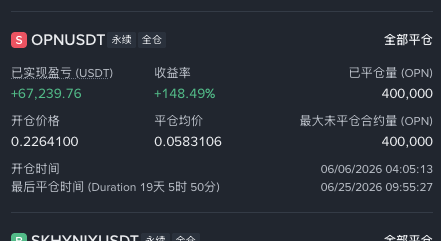
我应该是第一个被OPN不解锁不退款的人?
因为之前在我TG实话频道吐槽了项目方反撸,说我是KOL轮且也多个子账号被反撸了,总体还是亏的,不是广子,有些人喷我喷得很冤枉。然后就被通知不解锁不退款了。
不过我懒得维权,tg里也没多说,也懒得跟agency废话。
OPN最后一次拉高时,我监控到了链上突然出现连续几笔总额接近10M枚的大额转账,抢着流动性还OK的时候开了几单,不过也是赌项目方继续不当人。
PS,讲个好笑的,这创始人在tg群里说正在回购的时间点正好是OPN在搞交易赛的时候,一天几亿u现货交易量的时候回购,哈哈😂

5309 粉丝
View History
这两天opinion吃瓜,吃舒服了!@opinionlabsxyz
币安投资的天亡项目,最后拉了一坨大的,怎么少得了巴比龙?
为什么不见有人喷,难道没有kol轮?@babylonlabs_io
713 粉丝
View History
🎬
视频
122066 粉丝
View History

26414497 粉丝
View History
The euro has a France problem https://reut.rs/4hIoyus https://reut.rs/4hIoyus

380040 粉丝
View History
突发!中共美女间谍在美国被抓,因监视台湾总统儿子….. https://youtu.be/vQihVbyM-D8?is=4GKGjmYU6bpR1sGq 来自 @YouTube
380040 粉丝
View History
突发!中共美女间谍在美国被抓,因监视台湾总统儿子….. https://youtu.be/vQihVbyM-D8?is=4GKGjmYU6bpR1sGq 来自 @YouTube
149474 粉丝
View History
opinion产品做的一直很垃圾
真正玩过的就知道了
奔着赌场消费的心态进来 都能玩的一肚子火
380040 粉丝
View History
突发!中共美女间谍在美国被抓,因监视台湾总统儿子….. https://youtu.be/vQihVbyM-D8?is=4GKGjmYU6bpR1sGq 来自 @YouTube
752966 粉丝
View History
川普想改AI为SI后,
我想抢注一个https://xijinping.si/ 域名网站
居然已经被人捷足先登了。
380040 粉丝
View History
突发!中共美女间谍在美国被抓,因监视台湾总统儿子….. https://youtu.be/vQihVbyM-D8?is=4GKGjmYU6bpR1sGq 来自 @YouTube
380040 粉丝
View History
突发!中共美女间谍在美国被抓,因监视台湾总统儿子….. https://youtu.be/vQihVbyM-D8?is=4GKGjmYU6bpR1sGq 来自 @YouTube
310282 粉丝
View History
【我的警察之路 1 】
高考之前,学校“保送”我上陕西省师范大学,只考语数外三门,结果一向学习还行的我发挥很不好,错失了这个机会。
然后那段时间,我的学习和各种模拟考试感觉就只是个下滑。果然真正高考的时候,二本都没考上,上了个高中专,陕西省司法学校,学习法律。
我不想补习,我爸妈也觉得上这个学校短平快,花钱少,出来还安排工作,又是政法口,他们也立马少一个负担,因为第二年我弟弟紧接着高考,就很支持我去上。
上司法学校前,我妈说咸阳师范学院找人我也能上,差一两分调剂一下没问题的。但我对当老师不感兴趣,就说还是上司法学校吧。
当时一年学费估计就六七百吧,不超过一千肯定,学校每个月还给我们发28元,我一周的生活费我妈给50,我就可以和宿舍的两个好朋友,天天合着去校内饭馆吃小炒,三个人点两份菜,然后再AA,能吃好,心里也不会有疙瘩。
我们都极少去大食堂吃饭。
我这俩好朋友一个是西安人,一个是榆林人。
我们的学校在西安建工南路。

168782 粉丝
View History
😁I started focusing on @entropyIO
🤏Hardly $20M volume in 24hrs in OI markets
🤔 Still very early,but low liquidity means u can’t open large positions
🔗 https://entropy.io/trade?r=cryptoteluguo
✅Sign up & start trading
✅This also count towards @HyperliquidX volume
💙Like
🔁RT https://twitter.com/CryptoTeluguO/status/2106966867592302962/photo/1
中文: 我开始关注@entropyIO
在OI市场,24小时内成交量高达2000万美元
🤔 仍很早,但流动性较低意味着你无法开仓
🔗
✅ 发牌和即时交易
✅ 这也计入 @HyperliquidX 体积
💙 点赞
🔁 RT

380040 粉丝
View History
突发!中共美女间谍在美国被抓,因监视台湾总统儿子….. https://youtu.be/vQihVbyM-D8?is=4GKGjmYU6bpR1sGq 来自 @YouTube
419714 粉丝
View History
香港。名媛蔡天凤碎尸案,导火索曝光:资产代持,引发谋财害命。蔡天凤是时装名媛,父母在内地经商。蔡天凤当年为节省印花税,将加多利山豪宅登记在前公公邝球(前警察)名下。当她计划出售这套房产时,双方矛盾爆发。邝家担心房产售出后失去依靠,提前16天密谋,租下偏僻村屋,甚至提前演练行凶动作,精心布置了这场悲剧。离奇的是,蔡天凤前夫邝港智、前大伯邝港杰(私人司机/由前夫家推荐任用)都参与了谋杀、碎尸及逃跑计划。蔡天凤的妈妈张燕花,因其在内地涉嫌经济诈骗被刑事立案,由海口市公安局美兰分局将其列入“网上追逃人员”名单。资产,千万别搞代持,无论是公司、现金、股票、豪宅、加密、女人…都不能请人代持。多学习一些合法避税的方法。
🎬
视频

368525 粉丝
View History
Check out Frimz, an AI thinking partner built with Walrus Memory that remembers your past decisions, rejected ideas, and evolving context across sessions, by @tissuesurgeon.
There's still time to get your submissions in for Walrus Sessions 8: Chatbots That Remember.
中文: 看看Frimz,一个由Walrus Memory打造的人工智能思维合作伙伴,通过@tissuesurgeon回忆你过去的决策、被拒绝的想法,以及跨会话的演变背景。
还有时间提交您的海象课程8:记住聊天机器人。
2936694 粉丝
View History
🚨 LATEST: US AI's lead over China hits a record low, with top Chinese models now trailing by just 3% on benchmarks following DeepSeek's V4.1 Flash release, per Bloomberg Intelligence. https://twitter.com/Cointelegraph/status/2106965335404392612/photo/1
中文: 🚨 最新财报:根据彭博资讯,继DeepSeek发布V4.1 Flash后,美国人工智能在中国的领先优势已降至历史最低水平,目前中国顶尖机型仅以3%的领先优势领先。



270548 粉丝
View History
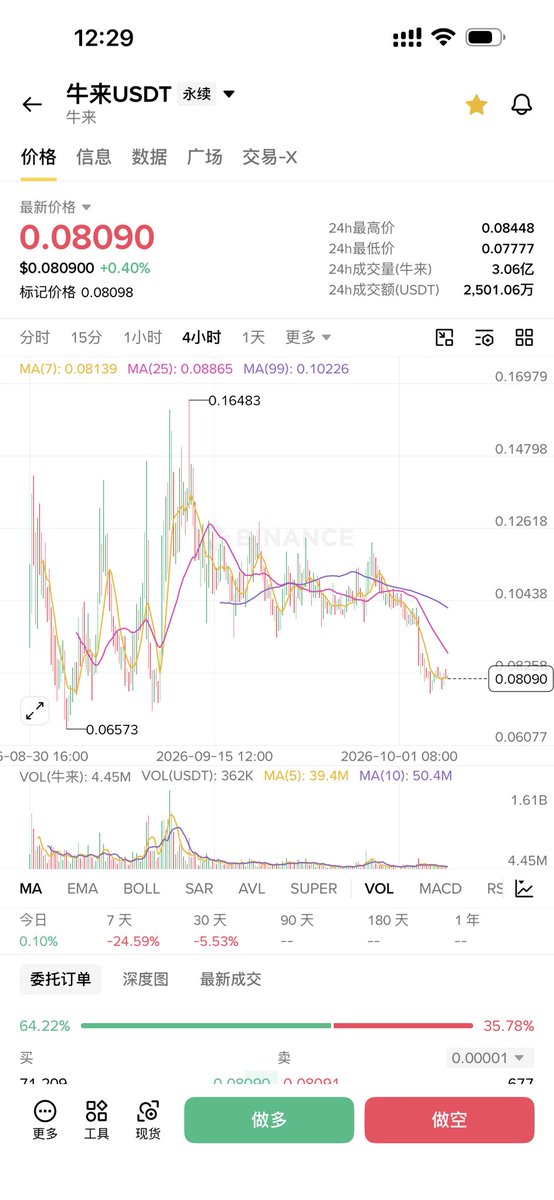
#牛来 涨是一定会涨的,但是看多做多的人太多了,前提条件必须是洗干净了
我已经做好现货长拿一年的准备了 https://twitter.com/laofeiyyds/status/2106965204877873236/photo/1
26414497 粉丝
View History
Japan service sector activity slows from 5-month high, PMI shows https://reut.rs/4iYIbAB https://reut.rs/4iYIbAB
中文: 日本服务业活动从5个月高点放缓,PMI显示:
3337499 粉丝
View History
#视频 中国领导人习近平在访问华盛顿进行峰会期间,其谨慎的举动及额外休息的要求,引发了外界对其健康状况的疑问。《华尔街日报》首席中国记者魏玲灵通过三个关键时刻对此进行解读。封面图片来源:Brendan Smialowski/AFP https://www.wsj.com/video/china/91CBF8D2-D4C2-4359-BBAA-5AD0FDE0E37C
5067093 粉丝
View History
What generation are you?
Lost Generation - 1883-1900
Greatest Generation - 1901-1927
Silent Generation - 1928-1945
Baby Boomer - 1946-1964
Generation X - 1965 - 1980
Millennial - 1981-1996
Generation Z - 1997-2012
Generation Alpha - 2013 - 2024
Generation Beta - 2025 - present
中文: 你们是哪一代人?
失落的一代 - 1883年-1900
最伟大的一代 - 1901-1927
沉默的一代 - 1928-1945
婴儿潮一代 - 1946-1964
X世代 - 1965 - 1980
千禧一代 - 1981-1996
Z世代 - 1997-2012
Alpha 世代 - 2013 - 2024
《测试代际》 - 2025年至今

396986 粉丝
View History
Yes, you can set it up to do this. But 99.9% of users won’t. Claude should have great native computer use.
中文: 是的,你可以设置它来做这件事。但99.9%的用户不会。克劳德应该拥有出色的原生计算机使用。
26414497 粉丝
View History
RT @tara_ro: 🔊The leader of Yemen's Saudi-backed government has announced the beginning of a major military operation against the Iran-backed Houthis.
What this means for the Iran war - watch and listen on the @Reuters World News podcast: https://www.youtube.com/watch?v=TG09zAYUd4M
中文: RT @tara_ro:也门沙特支持的政府领导人已宣布开始对伊朗支持的胡塞武装发动大规模军事行动。
这对伊朗战争意味着什么——请观看并收听路透社世界新闻播客:
88410 粉丝
View History
Zcash($ZEC)近期要闻总览:NU7 测试网上线与华盛顿游说进展
1️⃣ NU7 升级已上线测试网,预计 11 月 5 日登陆主网
• 出块速度起飞:目标出块间隔从 75 秒缩短至 25 秒。
• 可持续性机制:部分交易手续费将重新分配用于未来区块奖励。
• ‼️ 资产提醒:禁用 v4 交易后,旧版 Sprout 隐私池中的 ZEC 将无法使用,请务必在 NU7 主网全面激活前完成转移!
2️⃣ 合规游说落地,拥抱华盛顿监管
• Zcash 倡导组织 PGPZ 已正式提交华盛顿游说登记。
• 聚焦《CLARITY 法案》及数字资产税收提案,此前更获 ZCG 75 万美元资助,致力于构建长期、合规的政策参与。
技术提速 + 合规推进,隐私赛道龙头正在加速演进!你更看好哪一项带来的长远利好?

42395 粉丝
View History
这种车机不行,太弱了,现在流行thor了,能跑 qwen 3.8 27b,价格也从1000块钱涨到了 3-5k,完全不值。
310282 粉丝
View History
她好自信,好可爱
虽然这期视频里的穿搭
不是我喜欢的
但性格这样
真的很可爱了 https://twitter.com/sujing110/status/2106964100546961410/video/1
🎬
视频

61361 粉丝
View History
RT @andyyy: In short, to be a core contributor of the inception of a more equitable financial system which ideally reduces wealth inequality, violence, homelessness and other symptoms of centralized government and power systems.
The middlemen will be removed, the people will win.
中文: 简而言之,要成为更公平金融体系的开端的核心贡献者,该体系理想地减少了财富不平等、暴力、无家可归以及其他中央集权政府和权力体系的症状。
中间人将被移除,人民将获胜。
368525 粉丝
View History
RT @0xmht: This week I’m in Singapore for Sui Basecamp and Token2049 with team @conso_xyz
If you’re attending, let’s connect. Excited to meet everyone @SuiNetwork and @WalrusProtocol pushing the ecosystem forward.
See you there 🤝
gConso 🐻❄️
中文: RT @0xmht:本周我来新加坡参加Sui Basecamp和Token2049,团队团队支持@conso_xyz
如果你去参加,那就联系一下吧。很高兴与所有人见面,@SuiNetwork 和 @WalrusProtocol 推动生态系统发展。
在那里见 🤝
gConso 🐻 ❄️

40609 粉丝
View History
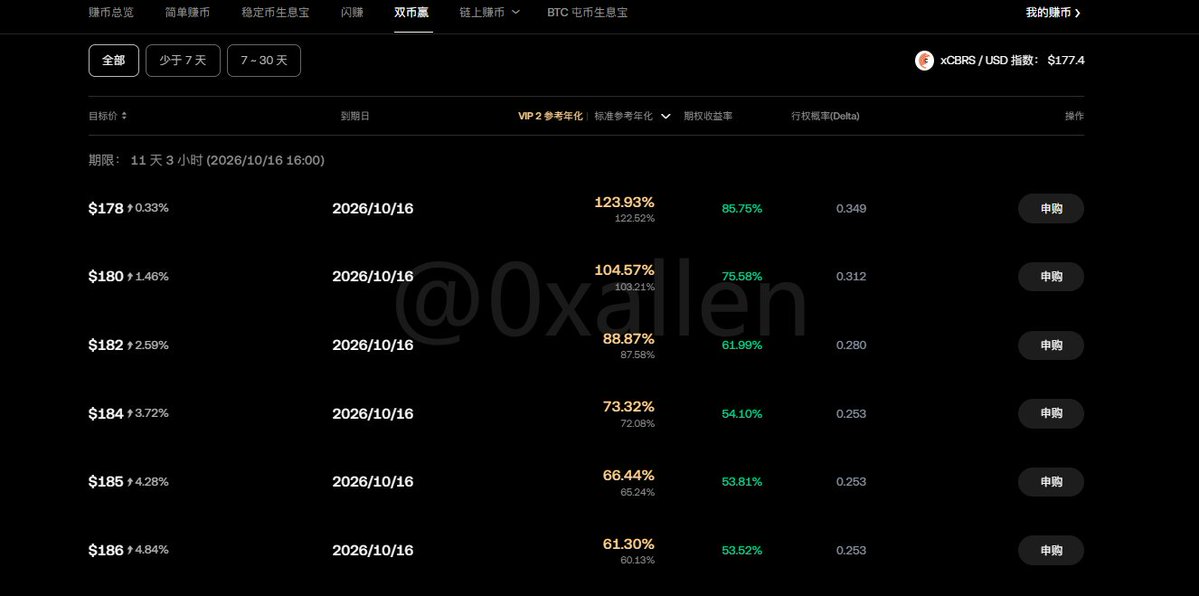
双必赢和期权不是你死我活的关系
很多人只会听不会自己实践
在自己能力范围内
他们两个一定是谁收益高就选谁的关系
OKX 双必赢 CBRS 10月16日182U高卖年化是87%
而期权只有61%
所以还能说双必赢不行吗
市场套利交易没有好坏
适合自己收益满足都是好产品 https://twitter.com/0xAllen/status/2106963475226628101/photo/1
380040 粉丝
View History
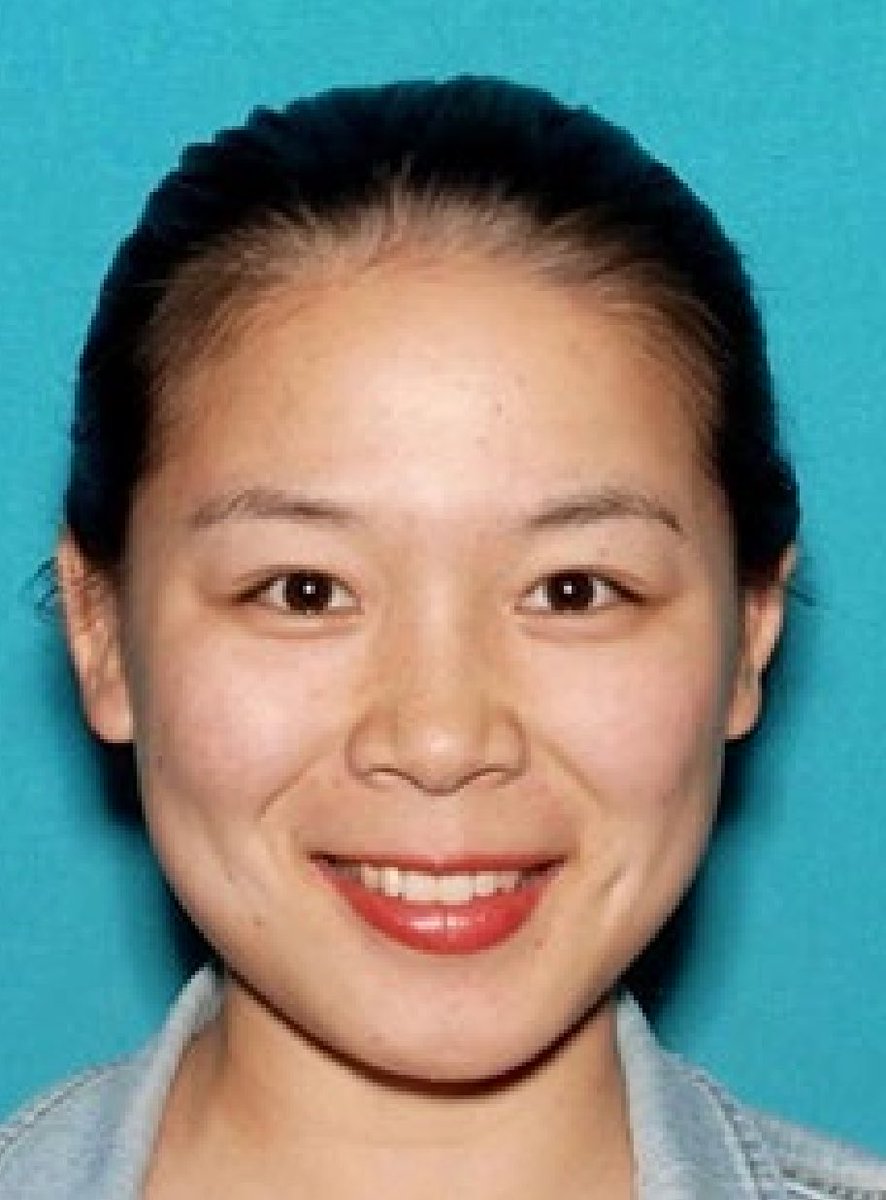
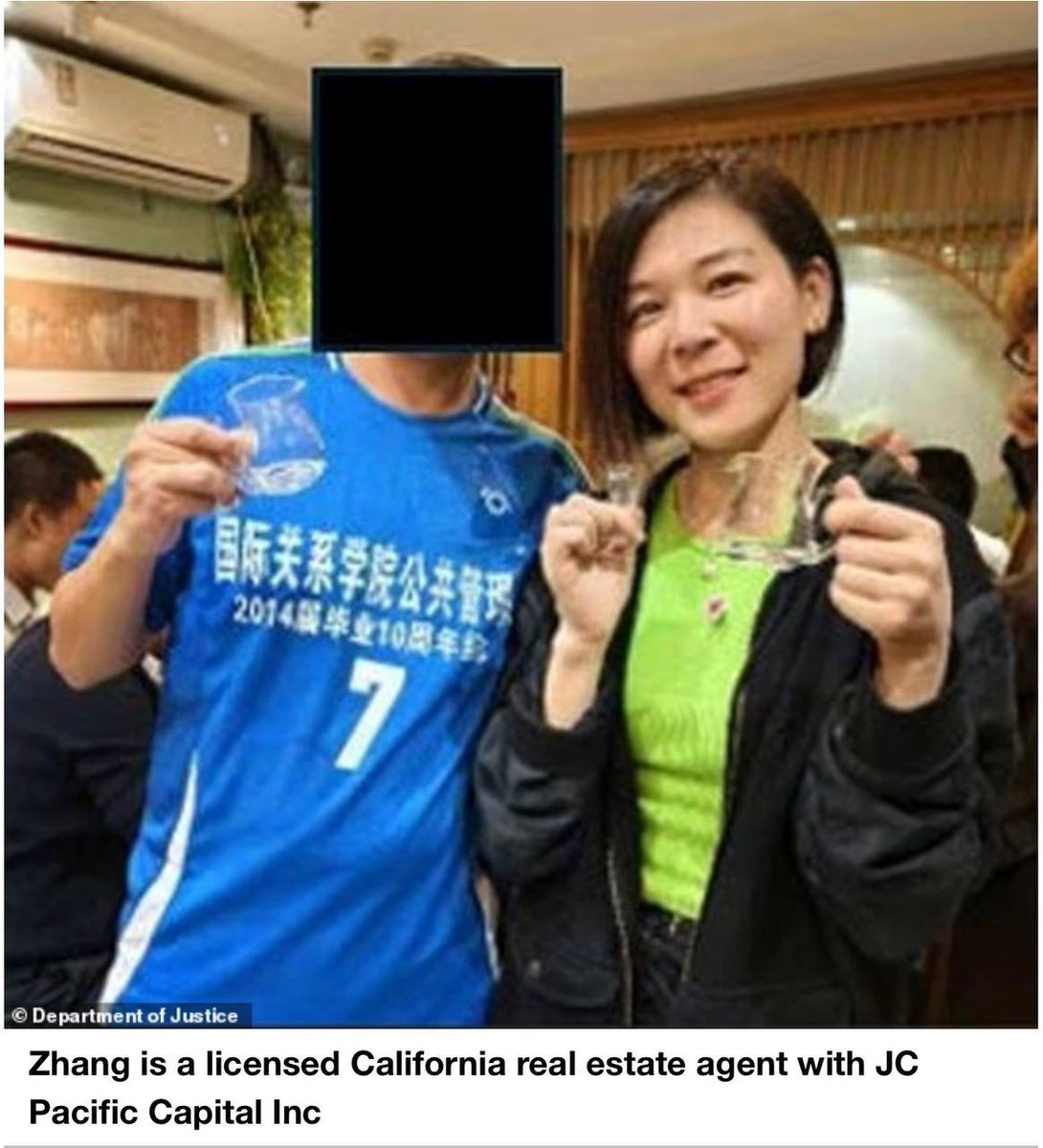
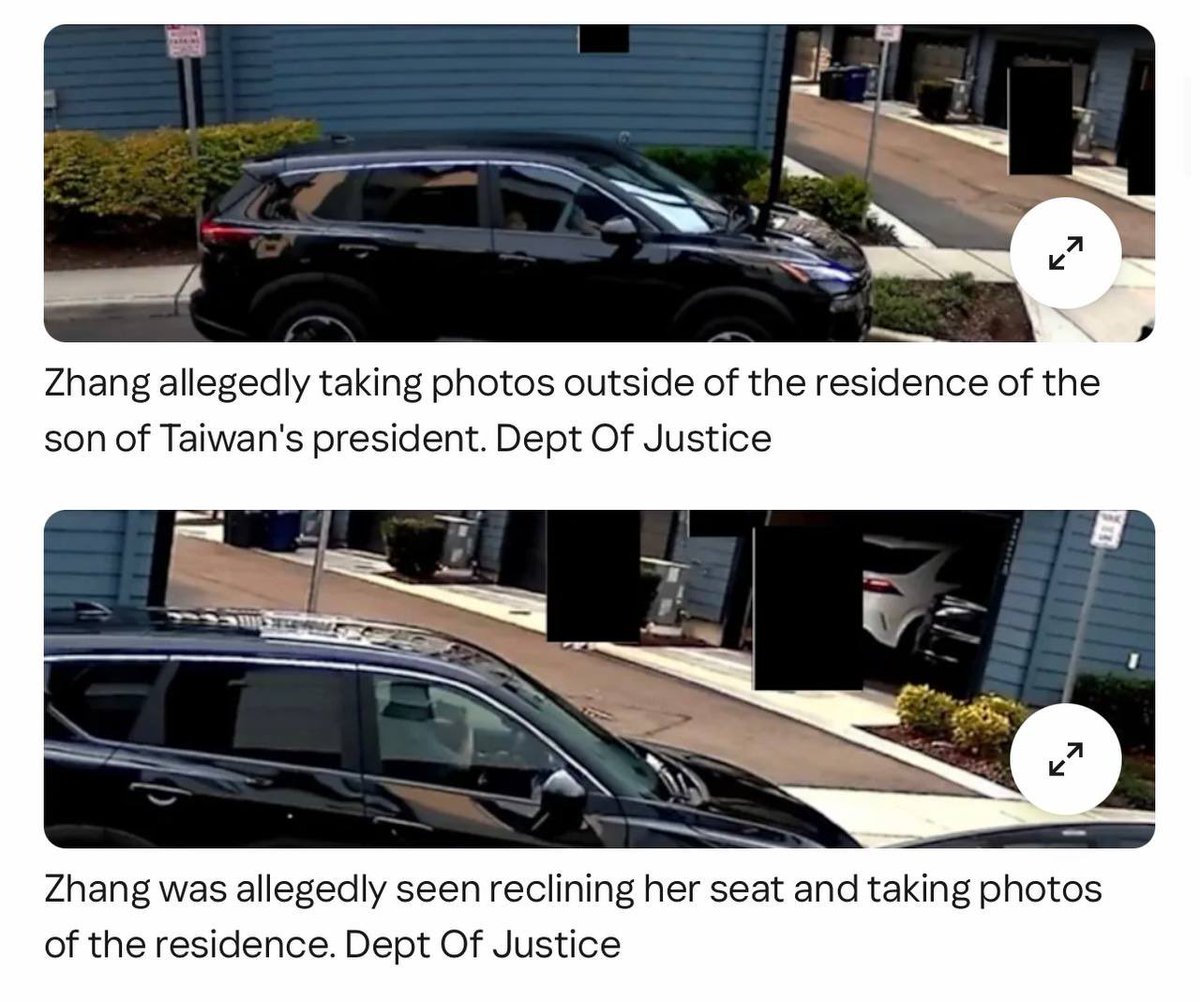
突发!中共女间谍因监视台湾总统儿子一家在美国被抓。
尔湾34岁的女房地产经纪人张万英,今天在洛杉矶机场登机口试图登机回中国时被美国联邦调查局抓走。
美国司法部指控她奉中共国安指令,到西雅图监视、拍摄台湾总统赖清德儿子一家。指控她在未登记的情况下充当中国政府代理人。
张万英毕业于中共间谍的摇篮,国际关系学院。
2025年6月,由她的同学介绍,在长沙与中共国安部官员见面,接到去西雅图监视赖清德儿子一家的任务。
随后于同年9月与同伙飞抵西雅图,对台湾总统赖清德之子赖廷宇的住所进行拍摄和监视,并将相关视频及车牌信息发送给中方处理人员。
FBI称,相关照片和位置信息或可被中国用于在潜在冲突中要挟台湾总统。
更离谱的是,他一直用微信联系国安上级并汇报。没想到iPhone已将她的微信内容上传云端备份,联邦调查局从法官那里获得搜查令,就可以从iCloud读她的微信。最终漏馅并落网。
据起诉书显示,张婉莹于2025年6月在中国长沙与一名与国安部有关联的官员会面并接受任务。
26414497 粉丝
View History
US military says it struck vessel in Caribbean, killing four https://reut.rs/4hHKJAG https://reut.rs/4hHKJAG
380040 粉丝
View History
突发!中共女间谍因监视台湾总统儿子一家在美国被抓。
尔湾34岁的女房地产经纪人张万英,今天在洛杉矶机场登机口试图登机回中国时被美国联邦调查局抓走。
美国司法部指控她奉中共国安指令,到西雅图监视、拍摄台湾总统赖清德儿子一家。
张万英毕业于中共间谍的摇篮,国际关系学院。
去年6月,由她的同学介绍,在长沙与中共国安部官员见面,接到去西雅图监视赖清德儿子一家的任务。
更离谱的是,他一直用微信联系国安上级并汇报。没想到iPhone已将她的微信内容上传云端备份,联邦调查局从法官那里获得搜查令,就可以从iCloud读她的微信。最终漏馅并落网。
。
939446 粉丝
View History
未来一周圣地亚哥日最高气温每天下降2摄氏度,在桑塔安娜风和超级厄尔尼诺双重夹击下的创纪录热浪就这么逐渐过去。 https://twitter.com/fangshimin/status/2106962194193899728/photo/1


98221 粉丝
View History
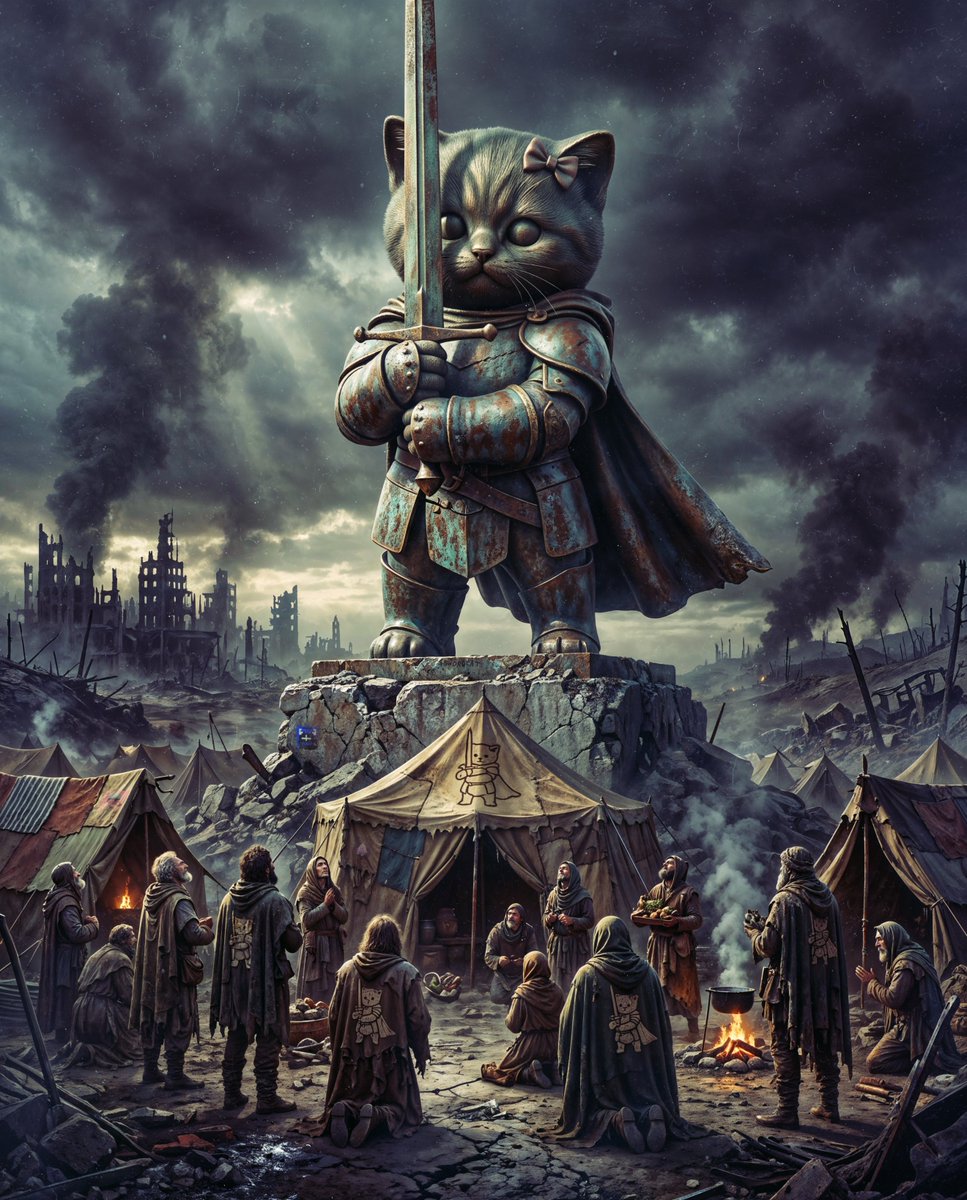
RT @beeple: we are all swordcat https://twitter.com/beeple/status/2106866084636925976/photo/1
中文: RT @beeple:我们都是剑拔弩的

106616 粉丝
View History
@KuiGas @opinionlabsxyz 所以,很多项目没上bn前还知道努力,起码样子还会做做。一旦上了Bn就算摆烂也没人管。以后能不能管管这些项目!
149474 粉丝
View History
就btc 5min涨跌幅这一个盘口
predictfun
做的比polymarket好太多了

530622 粉丝
View History
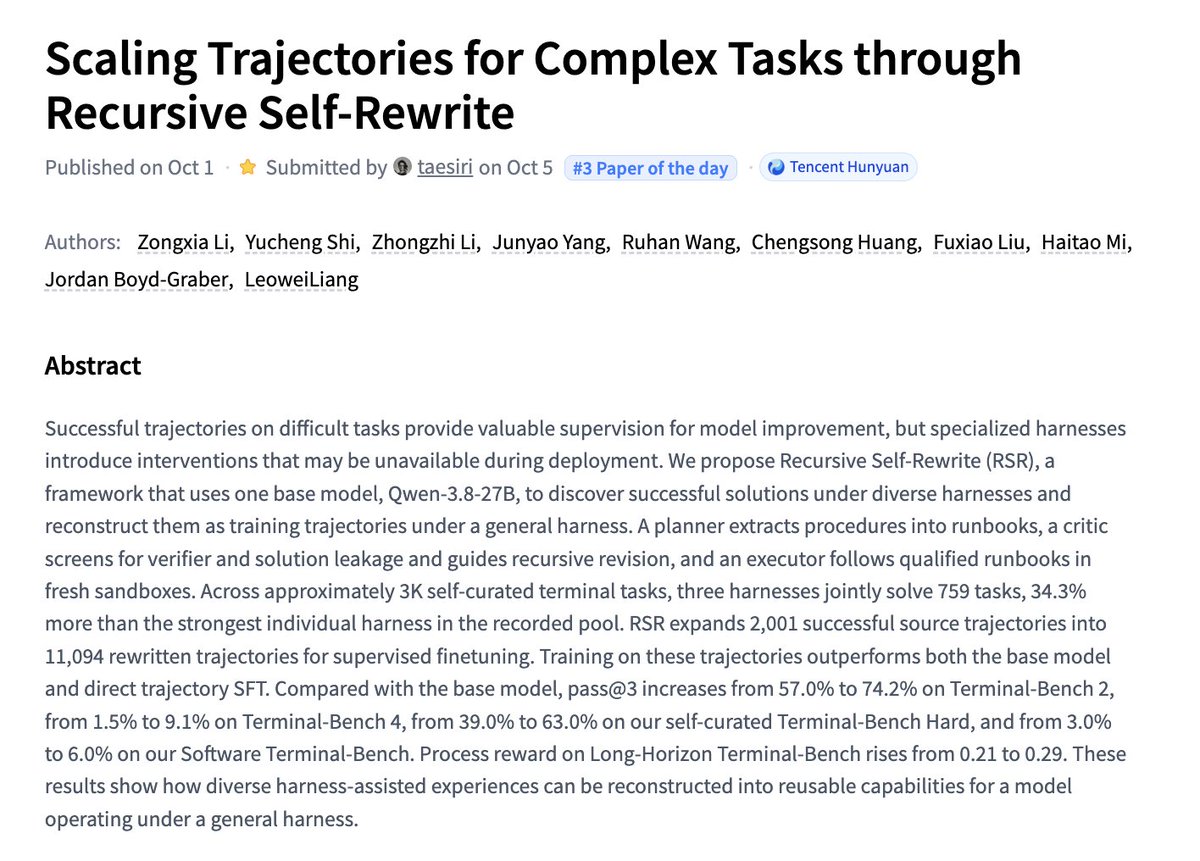
Scaling Trajectories for Complex Tasks through Recursive Self-Rewrite
paper: https://huggingface.co/papers/2610.02826 https://twitter.com/_akhaliq/status/2106960577071296651/photo/1
中文: 通过反复自我改写来扩展复杂任务的轨迹
论文:
26414497 粉丝
View History
Reflationist ex-BOJ policymaker calls end to low rates, big spending https://reut.rs/4rMJg0x https://reut.rs/4rMJg0x
中文: 前日本银行(BOJ)的通货紧缩政策制定者呼吁以低利率为目的,大支出
530622 粉丝
View History
Octrees as an Explicit 3D Language
paper: https://huggingface.co/papers/2610.02388 https://twitter.com/_akhaliq/status/2106959958973759807/video/1
🎬
视频

62084 粉丝
View History
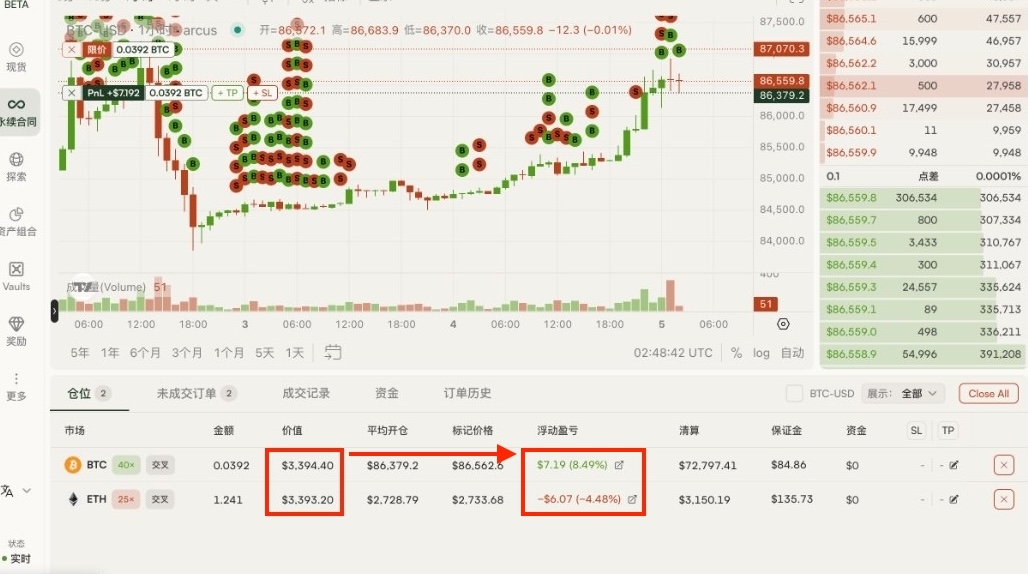
【🧵-2】 手动对冲版,手动合约对冲
⭐️BTC和ETH大多数情况“涨跌同步”,涨时,BTC涨幅大于ETH,跌时,BTC跌幅小于ETH;BTC开多,ETH开空,自己盯盘。
⭐️SPY和QQQ还在研究中。
只做BTC、ETH、SPY或QQQ的合约。
双平台对冲(或者单平台不同币种对冲),只有手续费损耗,没有本金损耗(暂时不探讨价差、强平和资金费率等因素),双平台对冲和单平台不同币种对冲的好处和坏处分别是:
❶双平台对冲
->好处是可以同时撸两个平台。
->坏处是要占用双倍资金。
❷单平台不同币种对冲
->好处是只需要一笔资金。
->坏处是也有风险,因为BTC、ETH、SPY或QQQ,这样最稳定的币种,也是有可能出现“涨跌不同步”,需要自己盯盘。
939446 粉丝
View History
发表新文章《我是怎么成为无业游民的(十二)》 https://fangshimin.substack.com/p/50f?r=2y2z33&utm_medium=ios
530622 粉丝
View History
EditHero
A Benchmark for Long-Horizon Part-Level 3D Editing and Vibe Modeling
paper: https://huggingface.co/papers/2610.02298 https://twitter.com/_akhaliq/status/2106959328385077426/video/1
中文: 编辑英雄
长地平线半层3D编辑与振动建模的基准
论文:
🎬
视频
559007 粉丝
View History
中文: 来源:
559007 粉丝
View History
Spot Bitcoin ETFs Recorded $241 Million in Net Inflows Last Week, Marking Three Consecutive Weeks of Net Inflows
From September 28 to October 2 (ET), U.S. spot Bitcoin ETFs recorded $241 million in net inflows, marking three consecutive weeks of net inflows. Spot Ethereum ETFs recorded $138 million in net outflows, led by Fidelity’s FETH with $74.0624 million in outflows.
中文: 现货比特币ETF上周录得2.41亿美元净流入,连续三周实现净流入
9月28日至10月2日(美国东部时间),美国现货比特币ETF录得2.41亿美元的净流入,连续三周实现净流入。现货以太坊ETF录得1.38亿美元净流出,以富达FETH为首,流出量为7406.24亿美元。

310282 粉丝
View History
这女孩从英国自驾回国,途径莫斯科,到处没油,最后终于终于加到油……不知道俄罗斯人怎么生活的……他们就没有躁动不满? https://twitter.com/sujing110/status/2106958888147022221/photo/1


101047 粉丝
View History
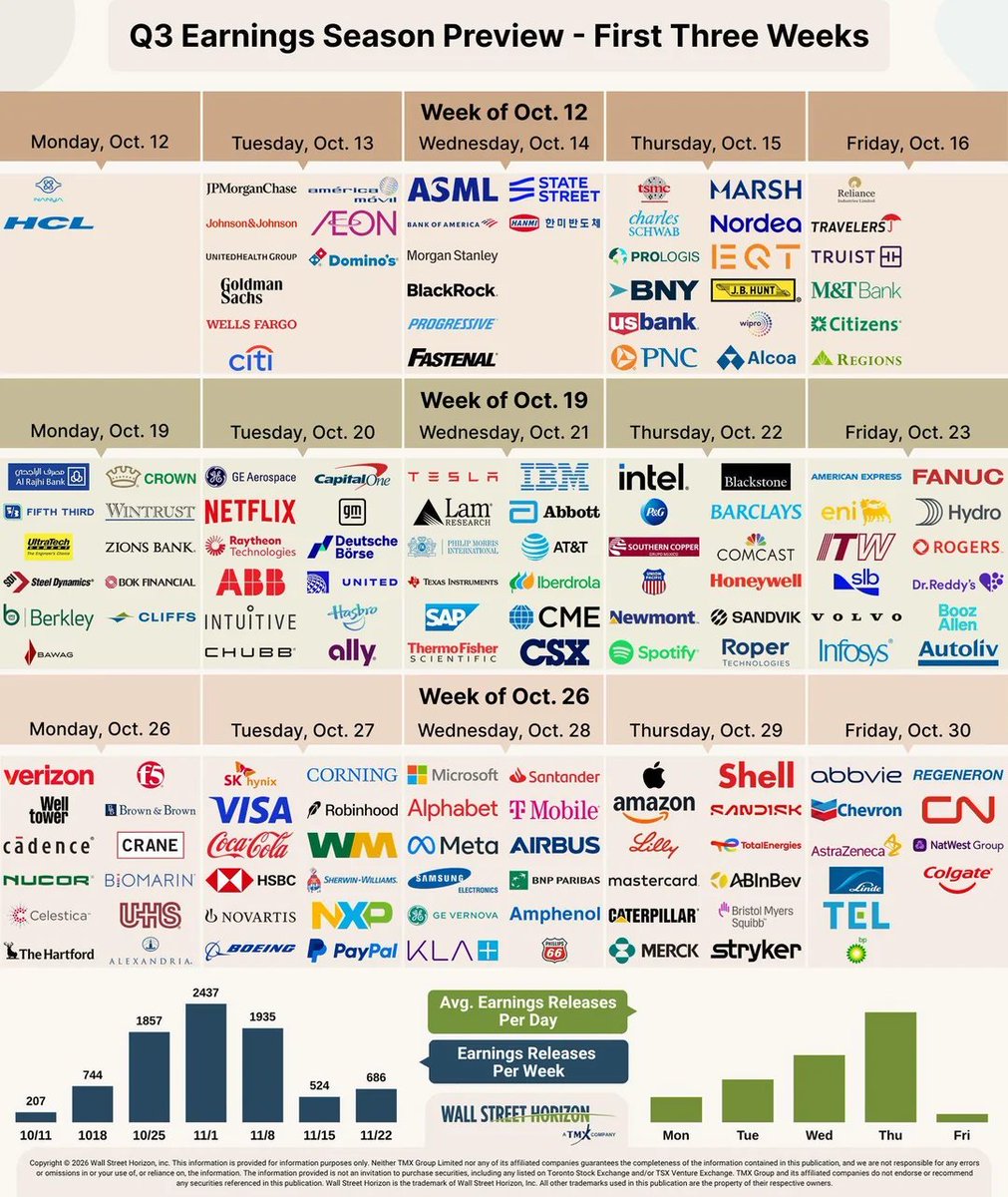
叼毛们,都干股票去了吗?准备进军了。
赚钱季节即将到来。以下是一些将在未来三周内公布收益的股票。 https://twitter.com/Blockchainrese6/status/2106958652397477893/photo/1

810871 粉丝
View History
近期台北市选举
蔡康永仅仅是戴口罩出现在民进党候选人,沈伯洋的集会现场,被人拍到
就遭到了中共全网批判,目前蔡康永微博已被清空 https://twitter.com/torontobigface/status/2106958572898951269/photo/1


368525 粉丝
View History
RT @ZombMobz: @WalrusProtocol @matterhornso @chain_ofthought @kimblgn @StatescuRazvan @CarrySui @blockticity @ConorBronsdon @sang_wen @chainguard_dev @genspark_ai Very nice! Keep up the expansion. AI needs that memory. Can’t emphasize this enough! Valuable digital assets need to be stored in a secured decentralized location! People will realize this 🔥
368525 粉丝
View History
RT @matterhornso: We're very excited to build with Walrus! Persistent memory is a key element for us because it turns AI from an assistant into a true coworker... One that understands context, remembers what came before, and can pick up where our users left off. Particularly relevant in Web3. Great work all, and looking forward to what's ahead!
368525 粉丝
View History
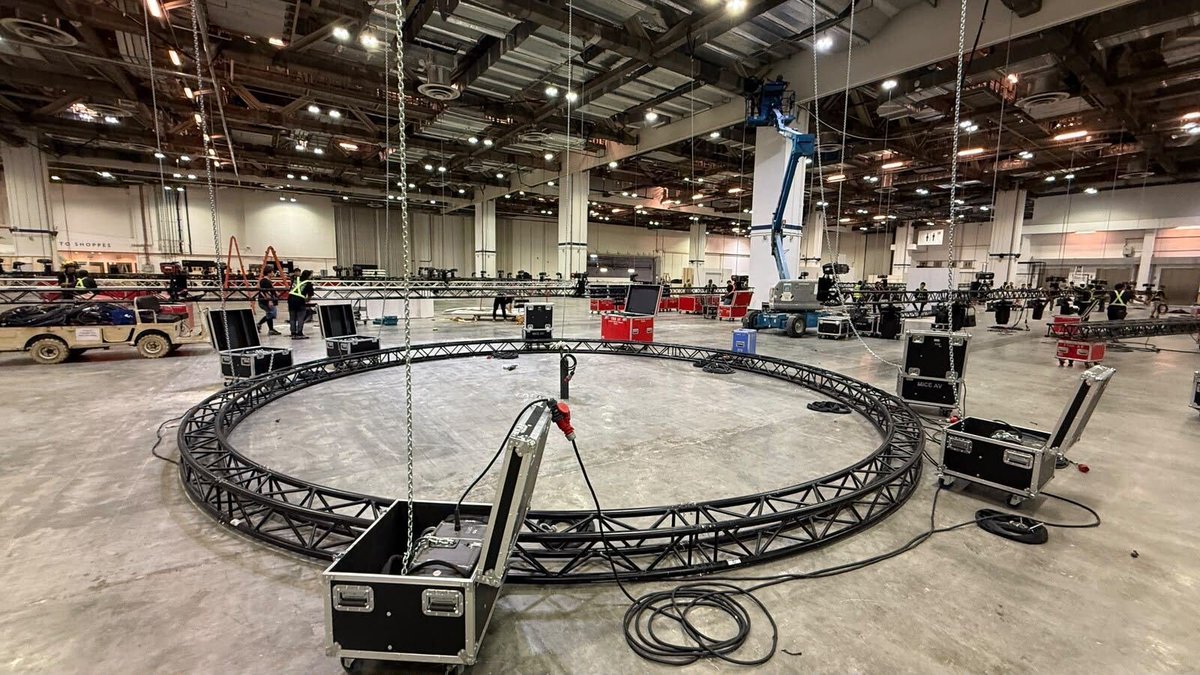
RT @0xd34th: The basecamp venue is massive.
Mind-blowing announcements on the 7th and 8th. Livestreamed as well.
Sui you there 💧 https://twitter.com/0xd34th/status/2106726100990640138/photo/1
752966 粉丝
View History
中国间谍被美国FBI逮捕!
居然敢监视台湾国总统赖清德的孩子! https://x.com/sentdefender/status/2106902108163526737/video/1
🎬
视频
26414497 粉丝
View History
Euro slides as French fiscal worries grip markets https://reut.rs/4APKPPC https://reut.rs/4APKPPC
中文: 欧元下跌,法国财政担忧引发市场动荡
88735 粉丝
View History
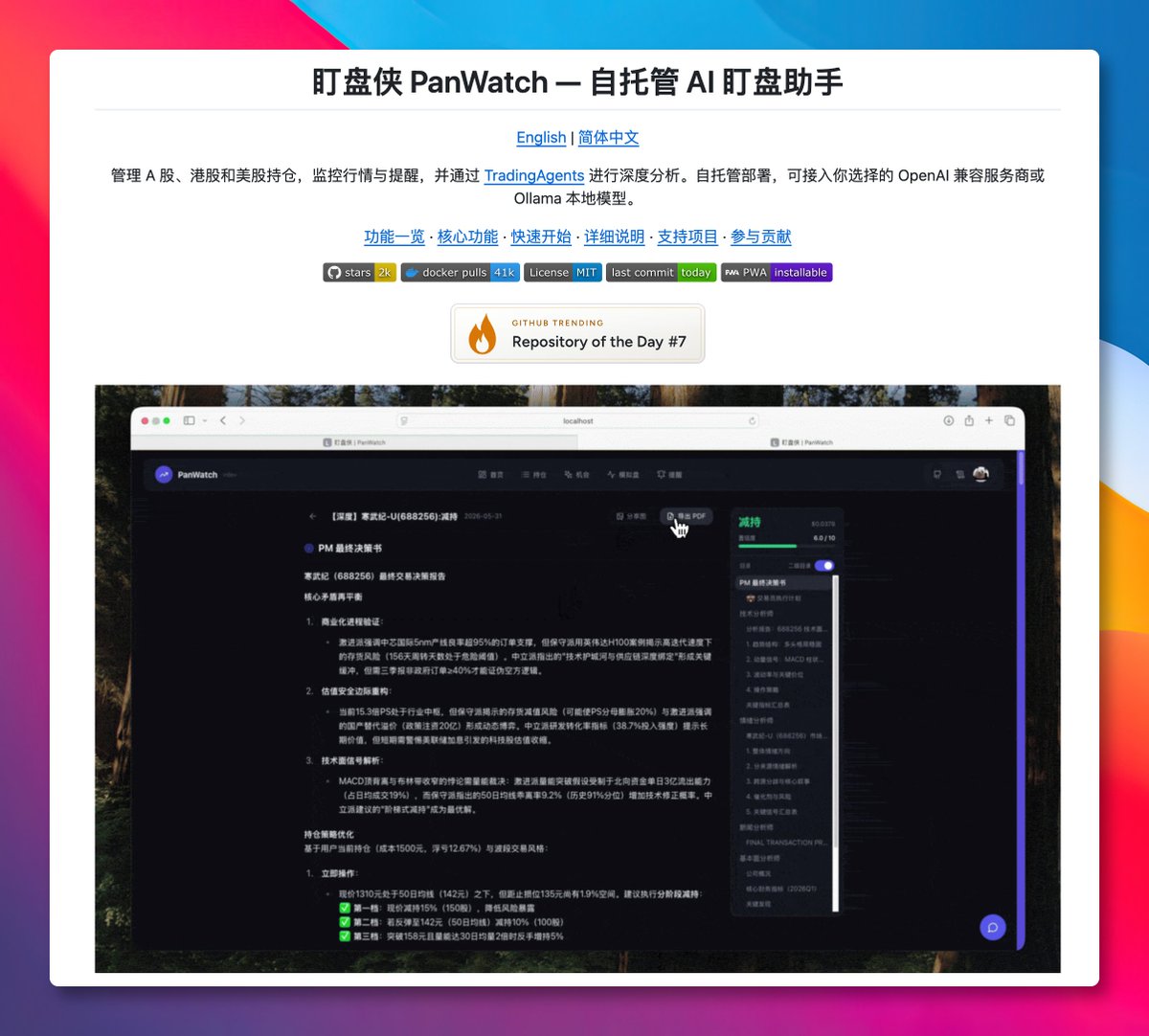
上班开会没法盯盘,等散会掏出手机一看,持仓里那只票早就跌穿了心里的止损位。
PanWatch(盯盘侠)是一个能自己部署的 AI 盯盘工具,A 股、港股、美股都能管,多个券商账户的持仓和盈亏放在一起看。
最有意思的是深度分析,持仓页点一下,9 个 Agent 组成的投研团队接力干活,技术、情绪、新闻、基本面各看一遍,再分成看多看空两边辩论。
辩完还有一轮风控审查,最后出一份决策书,3 到 5 分钟拿到完整的推理过程,直接推到企业微信、钉钉或飞书。
GitHub:https://github.com/TNT-Likely/PanWatch
盘前、盘中、收盘可以分别排定时任务,节假日不开盘会自动跳过。价格提醒支持多个条件组合,还带模拟盘,按信号买卖看净值曲线。
大模型用 DeepSeek、智谱都行,也能接 Ollama 跑本地模型。结论当个参考就好,我倒觉得看几个 Agent 互相吵架比直接给一句买卖建议有意思。

3337499 粉丝
View History
#CWSJ头条 知情人士透露,中方官员曾提出不寻常的要求,希望美方配合习近平在与特朗普举行峰会期间的休息需求。这罕见地揭示了这位73岁领导人逐渐显露的体能局限。https://cn.wsj.com/articles/WP-WSJS-0003948256
6838 粉丝
View History
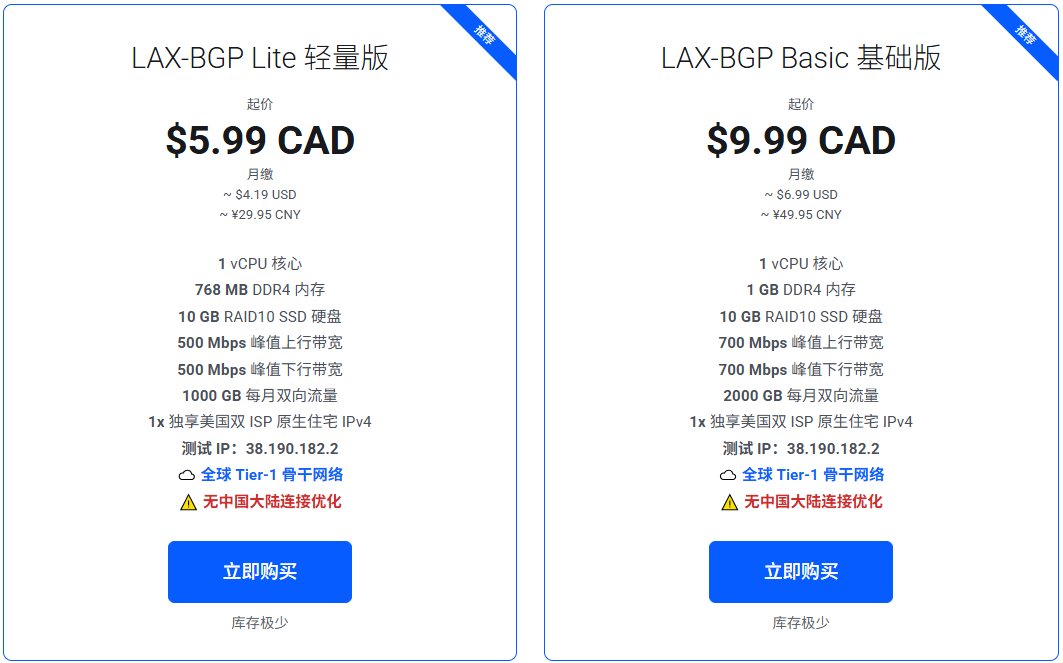
🔥 NovixLink 美国Cogent双ISP住宅IP VPS补货!🇺🇸 新增38.190. IP段*
美国洛杉矶 Cogent 双ISP原生住宅IP VPS 重新补货,新增小众 38.190. IP段*,低至 $4.99 CAD/月!
✨ 产品特点:
✅ 美国双ISP原生住宅IPv4
✅ Cogent Communications ISP资源
✅ 全球Tier-1 BGP网络
✅ RAID10 SSD存储
✅ 支持跨境电商、社媒运营、AI平台访问等场景
⚡ 套餐:
🥉 LAX-BGP Lite
💰 $4.99 CAD/月
• 1 vCPU
• 768MB DDR4
• 10GB RAID10 SSD
• 500Mbps带宽
• 1000GB双向流量
• 独享美国双ISP住宅IP
🥈 LAX-BGP Basic
💰 $7.99 CAD/月
• 1 vCPU
• 1GB DDR4
• 10GB SSD
• 700Mbps带宽
• 2000GB双向流量
🥇 LAX-BGP Pro
💰 $15.99 CAD/月
• 2 vCPU
• 4GB DDR4
• 30GB SSD
• 800Mbps带宽
• 4000GB双向流量
🏆 LAX-BGP Ultra
💰 $29.99 CAD/月
• 4 vCPU
• 8GB DDR4
• 40GB SSD
• 1Gbps带宽
• 8000GB双向流量
📍测试IP:38.190.182.2
适合:
🛒 跨境电商
📱 TikTok / Instagram运营
🌎 海外业务部署
🤖 AI工具访问
🚀 自建中转落地节点
⚠️ 注意:IP段根据库存随机分配,不保证一定获得38.190.*。
👉 购买:
https://novixlink.com/aff.php?aff=16&gid=4
#VPS #美国VPS #住宅IP #双ISP #NovixLink #跨境电商
752966 粉丝
View History
中国间谍被FBI逮捕!
居然敢监视台湾国总统赖清德的孩子! https://twitter.com/__Inty__/status/2106957474368811103/photo/1

92147 粉丝
View History
📌 链上查缺补漏:4 款必备的资产整理与“卡资金”清查工具!!!
1️⃣ https://gas.zip/ (Sweeper) ➔ 链上扫垃圾/集尘器
• 作用:把分散在十几条小公链上的碎屑 Token 一键归集到同一条主链上(省去一条条跨链的麻烦)。
• 🔗 https://gas.zip/sweeper
2️⃣ Sol Incinerator ➔ Solana 租金回收 & 烧垃圾
• 作用:烧毁废弃的垃圾 NFT/代币,退还冻结的 SOL 账户租金(Rent)。
• 🔗 https://sol-incinerator.com/
3️⃣ Privy Home ➔ 社交登录内嵌钱包盘点
• 作用:盘点你以前用邮箱/Google 登录过的各类 DApp 内遗留的资产,一键导出私钥提现。
• 🔗 https://home.privy.io/apps
4️⃣ Stuck Funds ➔ 跨链桥滞留资金清查
• 作用:专门查询你之前用各大 Bridge 跨链时,因为失败、卡挂或者没 Claim 而滞留的资金。
• 🔗 https://stuckfunds.eth.limo/
368525 粉丝
View History
RT @EmanAbio: Big big week. LFG 🔥
中文: RT @EmanAbio:大大周。LFG 🔥
2936694 粉丝
View History
🔥 BIG: Kraken parent Payward teams up with Singapore Gulf Bank to offer institutional clients in Asia and the Gulf instant 24/7 settlement for digital asset trades. https://twitter.com/Cointelegraph/status/2106955259796992033/photo/1
中文: 🔥 大:Kraken母公司Payward与新加坡海湾银行合作,为亚洲的机构客户提供服务,并为数字资产交易提供海湾即时全天候结算服务。


368525 粉丝
View History
RT @SuiNetwork: 💎 Diamond:
- @EVE_Frontier: Hardcore space survival game with a player-run economy, creators of EVE Online
- @WalrusProtocol: The data platform built for the demands of AI
中文: RT @SuiNetwork:💎 钻石:
- @EVE_Frontier:玩家经营经济型硬核太空生存游戏,EVE Online 的创作者
- @WalrusProtocol:为人工智能需求而构建的数据平台
26414497 粉丝
View History
CSL strikes rare disease drug deal worth up to $1.6 billion with Swiss firm Alentis https://reut.rs/4rKbyJ4 https://reut.rs/4rKbyJ4
中文: CSL与瑞士公司Alentis达成价值高达16亿美元的罕见疾病药物交易
368525 粉丝
View History
RT @SuiNetwork: Sui Basecamp 2026 is three days out.
You don’t build the rails of the agentic economy alone. Meet the 12 teams powering Sui Basecamp 2026.
All to answer one question: what does finance look like when most of it isn’t human?
Oct 7-8, Marina Bay Sands, Singapore. https://twitter.com/SuiNetwork/status/2106821414477287900/photo/1
中文: RT @SuiNetwork:苏·巴斯坎普2026号即将推出三天。
你无法独自建立经济的轨道。认识一下为苏·巴斯坎普2026号提供动力的12支队伍。
回答一个问题:当大多数金融并非人类时,它会是什么样子?
10月7日至8日,新加坡滨海湾金沙。
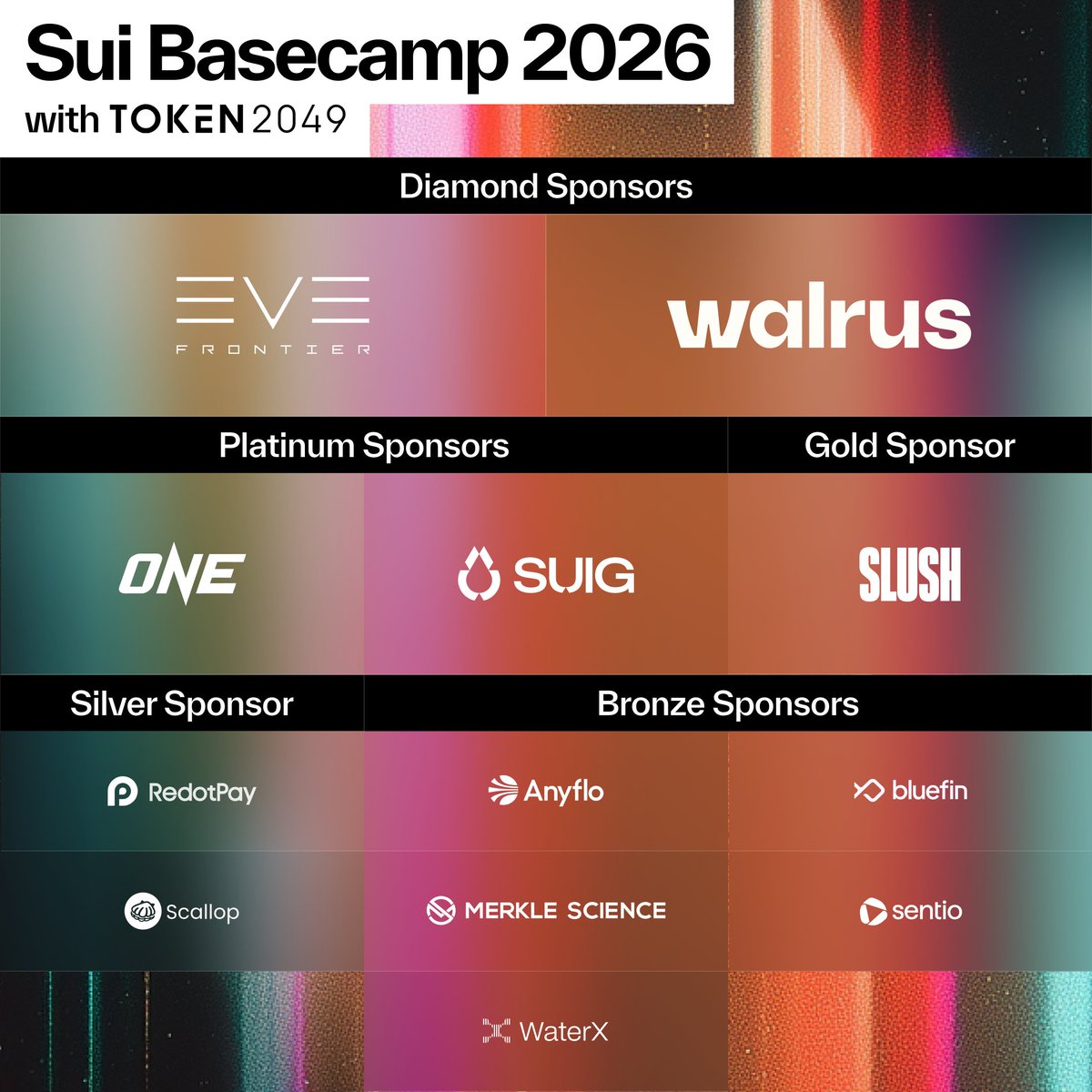

541452 粉丝
View History
Injective is now out in full force in Singapore.
You’ll spot $INJ everywhere you go in Token 2049 👀
中文: Injective 现已在新加坡全面推出。
你将在Token 2049中的每个地方都发现$INJ 👀
25039 粉丝
View History
给自建房的人一套跑在自己服务器上的平面图、管线设计与材料报价工具。
https://github.com/egmalt/house-planner https://twitter.com/QingQ77/status/2106953272850514334/photo/1


626128 粉丝
View History
RT @HackQuest_: https://x.com/i/article/2106009960656347136

34019 粉丝
View History
花几十块买个小烟壶,抽完一包后把滤嘴拆下来看一眼就知道…该戒烟了! https://twitter.com/Web3heinu/status/2106952662797418807/photo/1
59745 粉丝
View History
为了推进居民的结婚大业,在政策推动下,现在很多地方都可以结婚了= =我记得今年有个热搜就是在银行也能登记结婚,这本来就挺离谱的了。
今年8月21日,21世纪经济报提到了目前医院、博物馆、图书馆都能领证了。。。现在国庆期间景区也不甘示弱,纷纷加入领证大军。——按照官方数据来看,截至今年8月底,各地共办理婚姻登记“全国通办”92.1万对。不过这组数据里绝大部分还是在民政局,只不过其中包含一部分异地的。目前,官方数据是总共建成了:户外颁证点1330个、公园等场所婚姻登记点525个、婚俗文化展示场所2045个
啥时候能进展到公共卫生间也能领证的话,那我估计距离刀架脖子上逼大家生孩子也不远了。。。



310282 粉丝
View History
这“正妻”这么闹
意义何在?
对自己的婚姻没有丝毫的好处 https://twitter.com/sujing110/status/2106952534724317538/photo/1

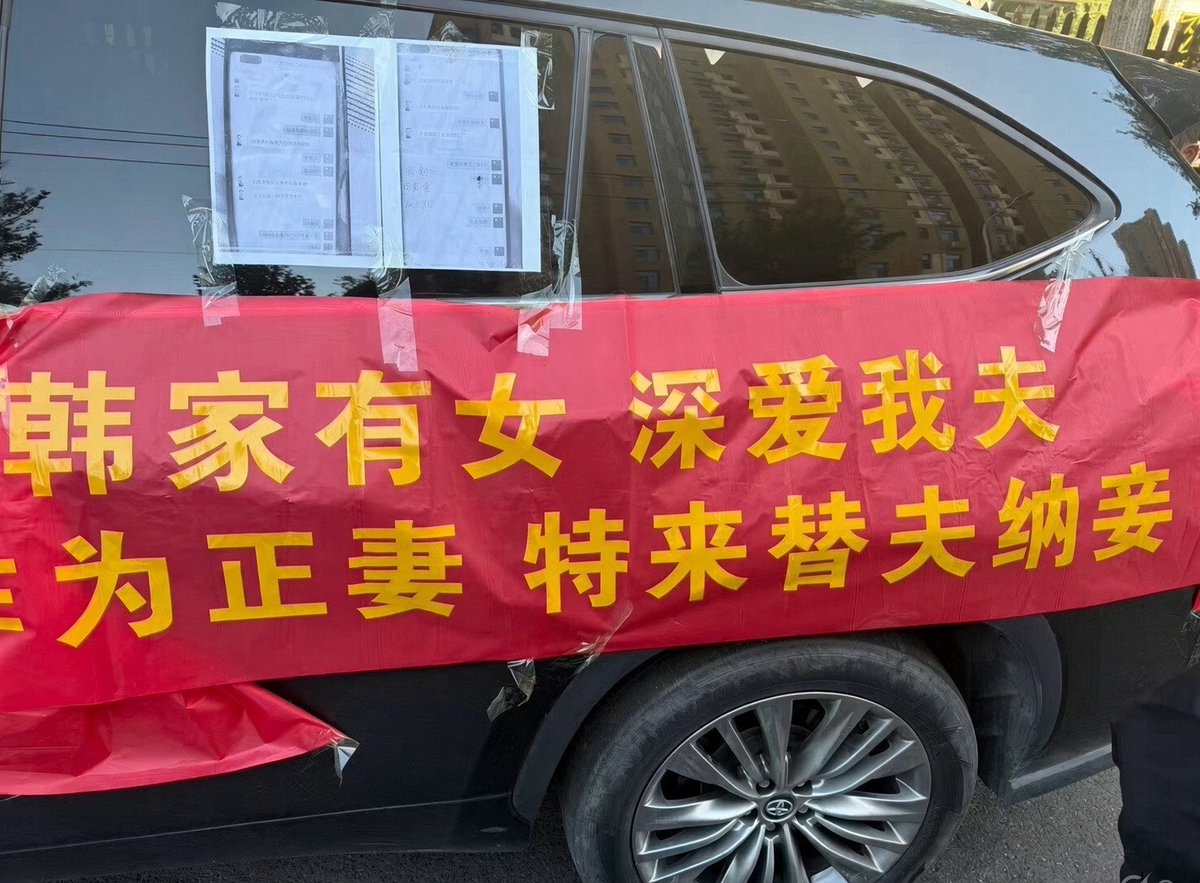
26414497 粉丝
View History
Oil slips as Middle East crude exports rise, G7 to release stocks https://reut.rs/4zkj6oJ https://reut.rs/4zkj6oJ
中文: 中东原油出口下滑,七国集团将抛油价格下跌

2780782 粉丝
View History
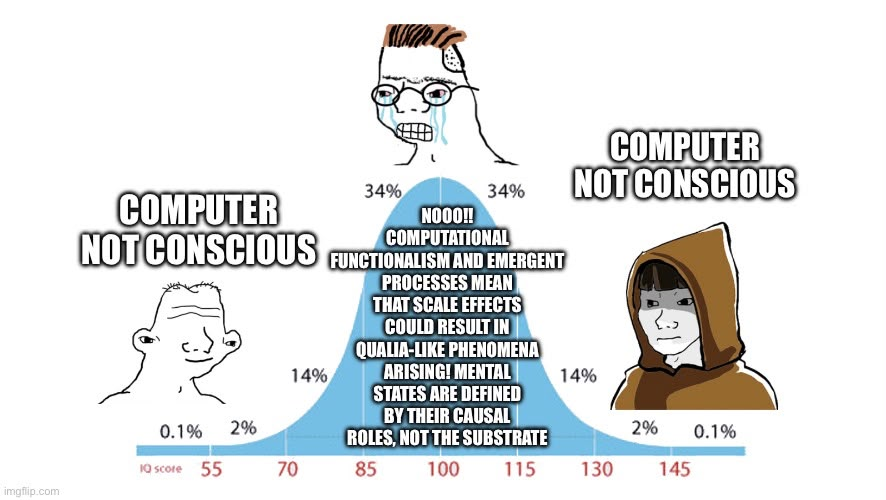
41936720 粉丝
View History
Falcon 9 is vertical at pad 4E in California ahead of tomorrow’s launch of the @SemperCitiusSDA's fourth Tranche 1 data transport mission. Liftoff is targeted for 1:17 a.m. PT → https://spacex.com/launches/sda-t1tl-a https://twitter.com/SpaceX/status/2106952147111944434/photo/1
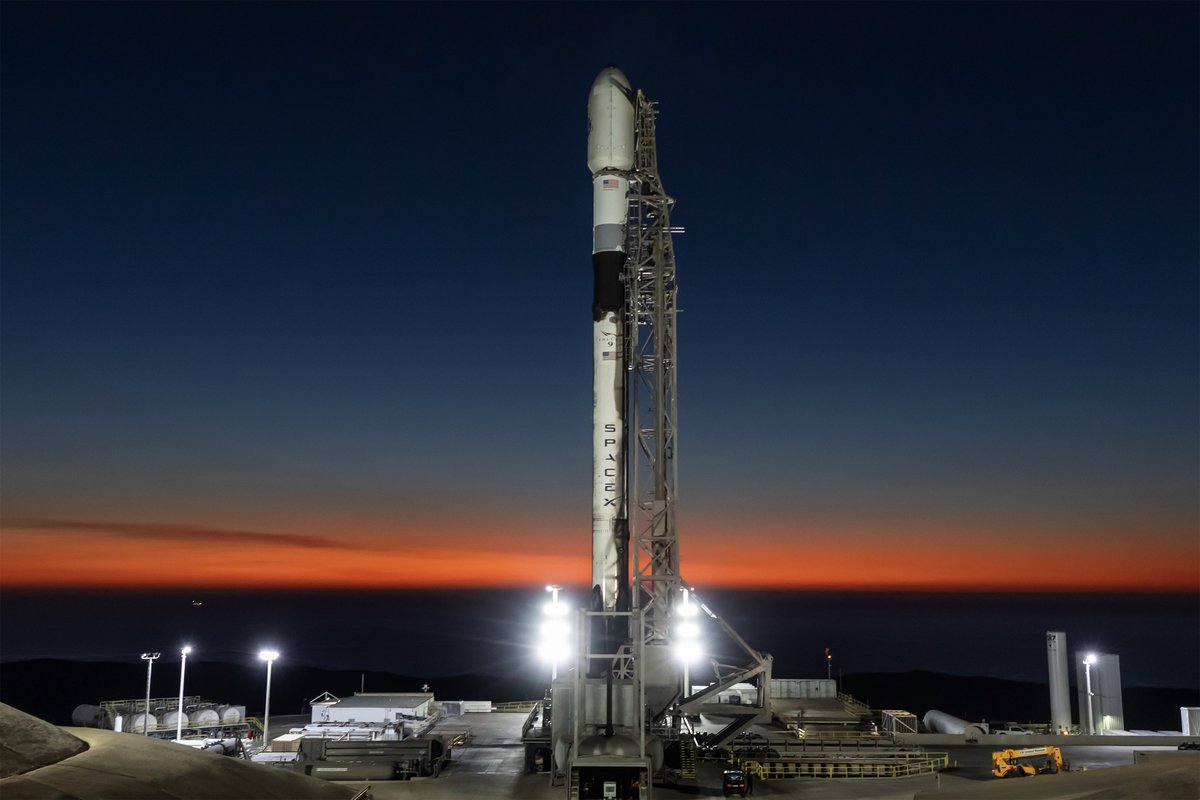
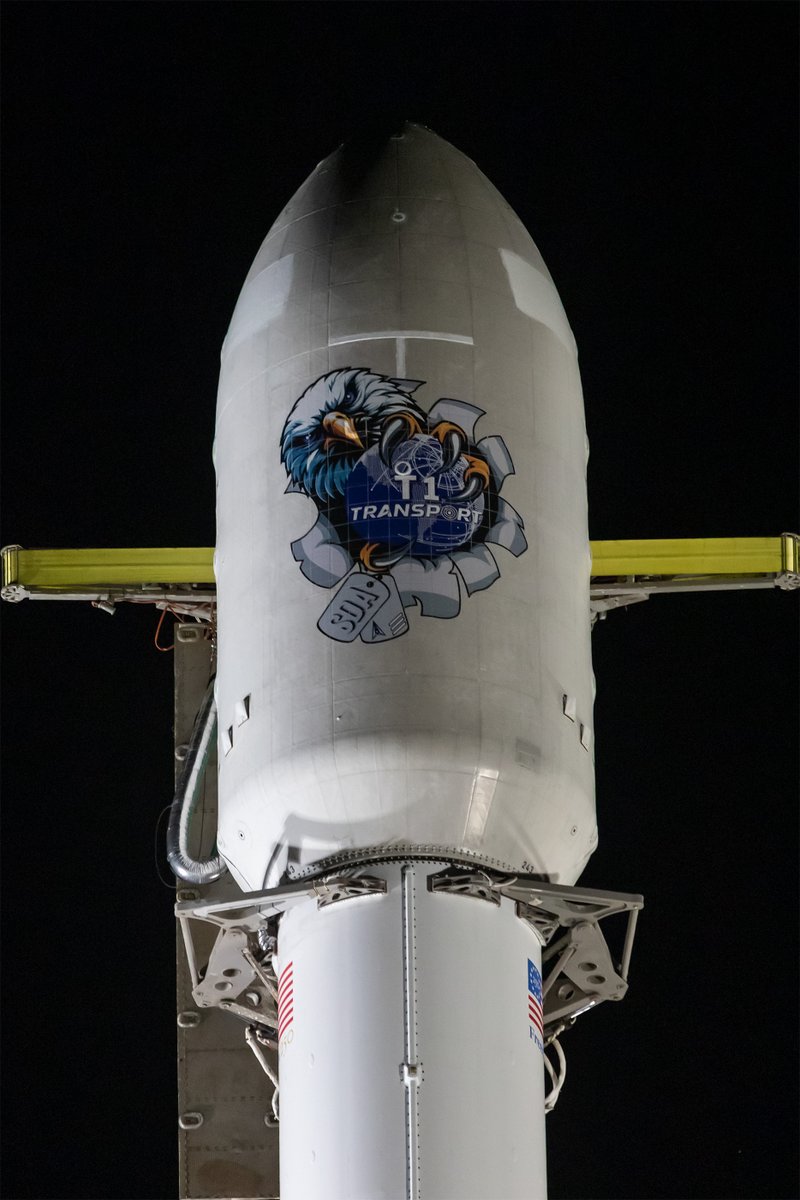
559007 粉丝
View History
Kraken parent company Payward and Singapore Gulf Bank (SGB), a fully licensed digital bank regulated by the Central Bank of Bahrain, have announced a strategic partnership. Payward has integrated SGB’s real-time, multi-currency clearing network, SGB Net, to provide institutional clients in specific jurisdictions across Asia and the Gulf region with 24/7 instant settlement. The service will initially support U.S. dollar transactions for select clients, with plans to expand to more clients and additional currencies. SGB will also connect to Payward’s Kraken Prime to access digital-asset liquidity and price trades for its own clients.
https://www.wublockchain.xyz/news/payward-kraken-parent-partners-with-singapore-gulf-bank-24-7-settlement-21110
2936694 粉丝
View History
Read the full story: https://ct.com/news/zcash-gets-a-washington-lobbyist-to-push-crypto-policy
中文: 阅读完整故事:
107814 粉丝
View History
@EmberCN @poapxyz @worthalter 可惜poap这项目成为历史遗迹了
10821 粉丝
View History
@johnternus you make me want to work for @Apple
中文: @johnternus 你让我想为 @Apple 工作

25732 粉丝
View History
Models that come with $60 usage credits in Command Code GOAT.
· DeepSeek V4.1 Flash
· DeepSeek V4.1 Flash Fast
· GLM 5.3 Flash
· Kimi K3
Enjoy billions of tokens with the $10/mo GOAT plan
中文: 在 Command Code GOAT 中提供 60 美元使用积分的型号。
· DeepSeek V4.1 闪存
· DeepSeek V4.1 快速闪闪
GLM 5.3 闪光灯
· 基米 K3
使用每月10美元的GOAT计划享受数十亿枚代币
181692 粉丝
View History
Kraken 母公司 Payward 与受巴林中央银行监管的持牌数字银行新加坡海湾银行(SGB)宣布达成战略合作。Payward 已接入 SGB 的实时多币种清算网络 SGB Net,为亚洲及海湾地区特定司法辖区的机构客户提供 7 × 24 小时即时结算服务,初期支持部分客户的美元交易,并计划逐步拓展客户范围及其他币种;SGB 还将接入 Payward 旗下 Kraken Prime,获取数字资产流动性,为自身客户交易定价。
https://wublock123.com/news/payward-kraken-parent-bank-of-singapore-24-7-settlement-institutions-69532
3915567 粉丝
View History
RT @sky3lo: The first edition of BNB Builder Hack is coming to KL.
October 17, at Taylor’s University.
A full day of hacking, building, and competing for a $500 prize pool.
See you there.
💌 https://luma.com/ldp3i5kn https://twitter.com/sky3lo/status/2106944461389639906/photo/1
中文: RT @sky3lo:BNB Builder Hack 的首版即将进入KL。
10月17日,在泰勒大学。
全天进行黑客攻击、建设并争夺500美元奖金池。
在那里见。
💌
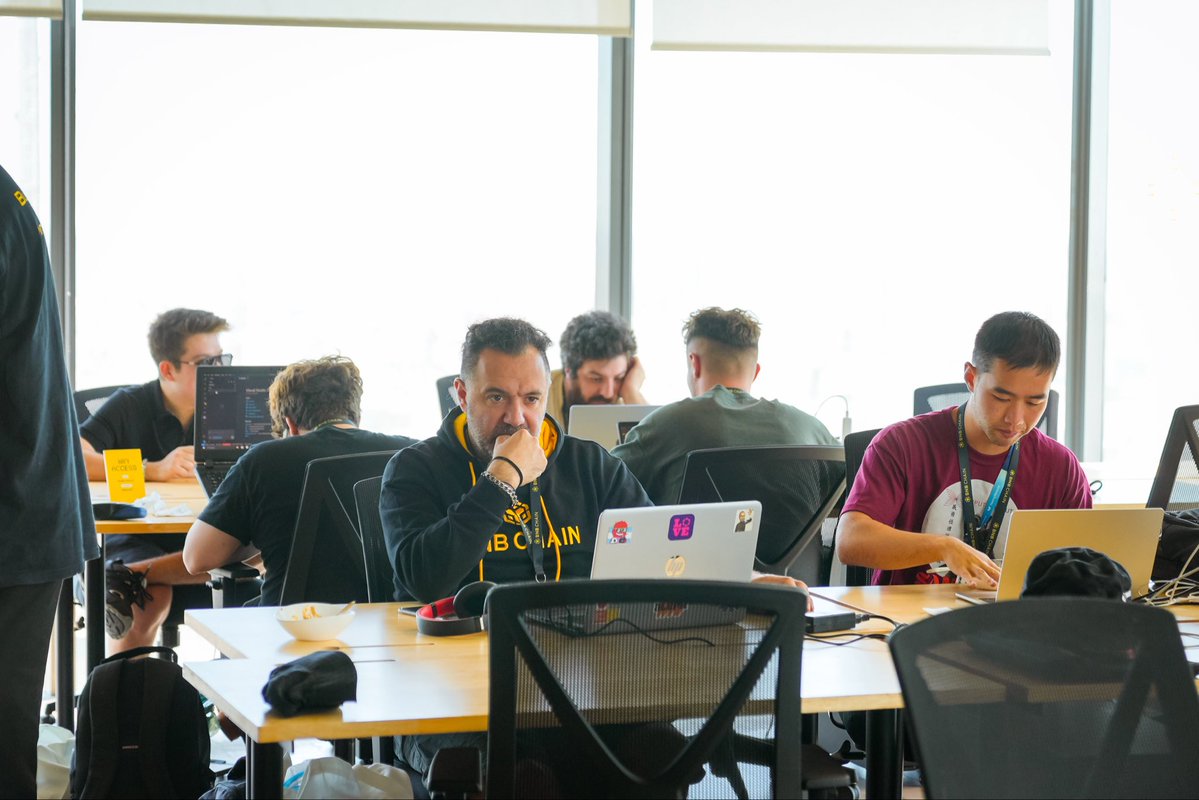
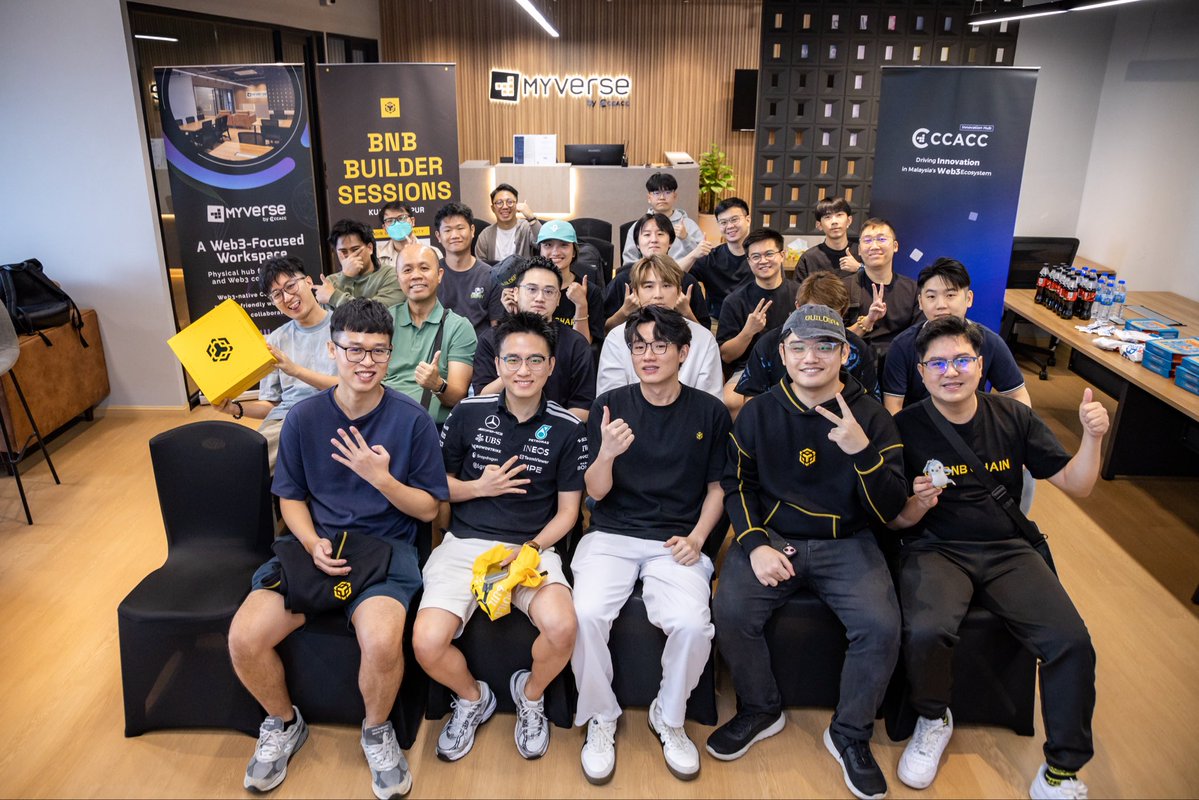

22311 粉丝
View History
号外,号外,我们上新机器了
AI视频的生产速度更快了
720P 5秒的1分钟完成,15秒的5分钟完成
还等什么,使劲造 👉 https://pixstag.com/
62084 粉丝
View History
【🧵-1】现货版(包含定投美股)
如果自己不会做合约、害怕合约亏损或者还没有拿到合约的“激活码”。
可以在Arcus购买和定投美股指数QQQ和SPY,购买的美股是以Robinhood链的美股代币形式显示在“自己的钱包中”:
❶可以在钱包中卖掉。
❷可以在钱包中转移。
目前Arcus的积分计划也支持现货交易的部分,但积分规则还不清楚。
Arcus注册链接:
https://app.arcus.xyz/ref/555666
Arcus电报群:
https://t.me/+eQrdpAo7-TdjNzQ1
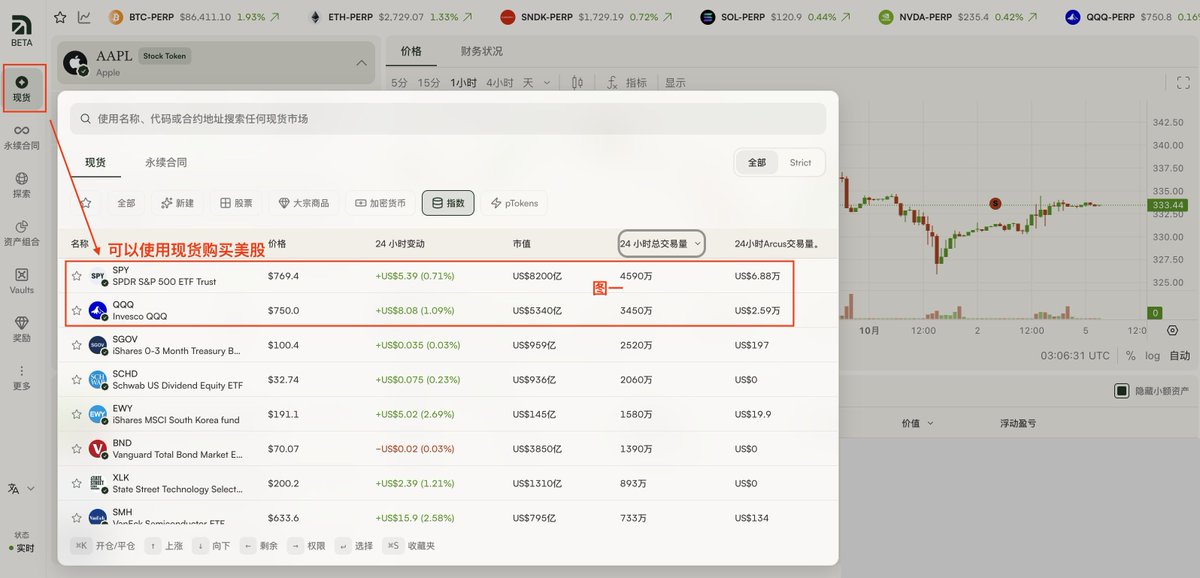
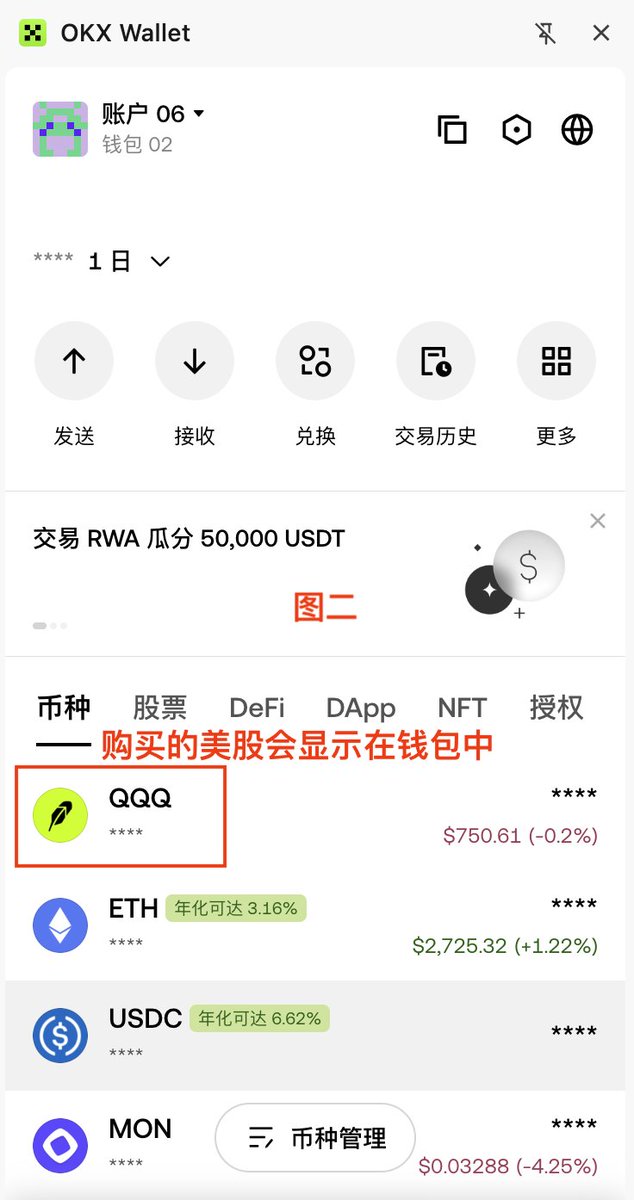
2936694 粉丝
View History
⚡️ TODAY: Billionaire Mark Cuban says, “AI won’t take your job. Someone who knows how to use AI better than you, will take your job.” https://twitter.com/Cointelegraph/status/2106950227068395974/photo/1
中文: 今日:亿万富翁马克·库班说:“人工智能不会接你的工作。”比你更懂人工智能的人,就会接受你的工作。
181692 粉丝
View History
吴说获悉,陈剑发推表示,Opinion 社群公告中被指因个人利益散播不实言论的三名早期支持者,为其本人、倪大和丰密。他否认散布不实信息,称私下质疑一年来已读未回,项目发币后业务无进展;并称被取消代币合计 1 万美元出头,群内约 30 人,每人未来一年多分配约 500 美元。此前 Opinion 公告称,三人行为构成诋毁,已对其他早期支持者利益造成不利影响;依据 SAFT 第 8(b) 条 Non-disparagement 和第 8(a) 条 Breach and remedy 及律师建议,涉事者 SAFT 已失效,尚未归属的 OPN 已自动收回,相关人员已被移出群组,收回部分已重新分配给未涉事早期支持者。Opinion 并称团队从未懈怠,美国牌照等合规事宜按当地法律进行。
https://wublock123.com/news/chen-jian-says-opinion-retracts-unattributed-sopn-under-no-defamation-clause-involves-3-people-69531
59745 粉丝
View History
为了推进居民的结婚大业,在政策推动下,现在很多地方都可以结婚了= =我记得今年有个热搜就是在银行也能登记结婚,这本来就挺离谱的了。
今年8月21日,21世纪经济报提到了目前医院、博物馆、图书馆都能领证了。。。现在国庆期间景区也不甘示弱,纷纷加入领证大军。
啥时候能进展到公共卫生间也能领证的话,那我估计距离刀架脖子上逼大家生孩子也不远了。。。
26414497 粉丝
View History
Appeals court pauses reinstatement of fired Seattle federal prosecutor https://reut.rs/4y0pjow https://reut.rs/4y0pjow
中文: 上诉法院暂停恢复被解雇的西雅图联邦检察官职务
3337499 粉丝
View History
周日,弗拉维奥·博索纳罗在首轮投票中重创总统卢拉,得票领先于这位左翼领导人,使巴西右翼距离在这个拉美最大国家重新掌权更近一步。https://cn.wsj.com/articles/WP-WSJS-0003948095
396986 粉丝
View History
Claude Opus 5.5 with Codex-level computer use would be unbeatable
中文: 使用 Codex 级别的计算机的 Claude Opus 5.5 将保持无与伦比的水平

173157 粉丝
View History
Watch the full video here: https://youtu.be/-6FmpQ2J9lk
中文: 观看完整视频请见此处:
173157 粉丝
View History
We used Opus 5.5 to build a AAA tactical shooter in Unreal Engine. Full campaign, weapon skins, enemy AI, the works. Higgsfield + Blender handled the art.
No game dev experience needed, just the right tools.
Want to see how we pulled it off?
Watch the full breakdown now. Link below 👇
中文: 我们使用 Opus 5.5 在 Unreal Engine 中构建了一个 AAA 战术射击游戏。全面行动,武器皮,敌方人工智能,作品。希格斯菲尔德+布伦德·布伦德负责了这门艺术。
无需游戏开发经验,只需合适的工具。
想看看我们是怎么把它拉下来的吗?
立即查看完整故障。下图 👇
🎬
视频
107814 粉丝
View History
这段yi老板讲的真好,行业应该正循环,不应该是负螺旋。
事到如今,但凡跟传统金融圈的老哥老姐说进币圈了,无一例外,都会投来异样的眼光。心里可能暗暗嘀咕,我的天啊!

939446 粉丝
View History
2026年9月对加州选民的调查(PPIC):川普工作赞成率:23%;国会赞成率:17%;纽森赞成率:51%;州议会赞成率:45%;州长选举选民主党候选人:60%,共和党候选人:38%;众议员选举选民主党候选人:62%,共和党候选人:36%;40号提案(对亿万富豪一次性征税):支持52%,反对46%。
4221417 粉丝
View History
144771 粉丝
View History
📊 10-05|火币 HTX 今日十大交易机会 准时更新!
睡到自然醒之后的下一件事:打开火币机会日报看看今天有什么值得关注的!
10个方向已经整理好了,咱们假期不用看太多,挑感兴趣的重点关注就行。
今天你最看好哪个资产?

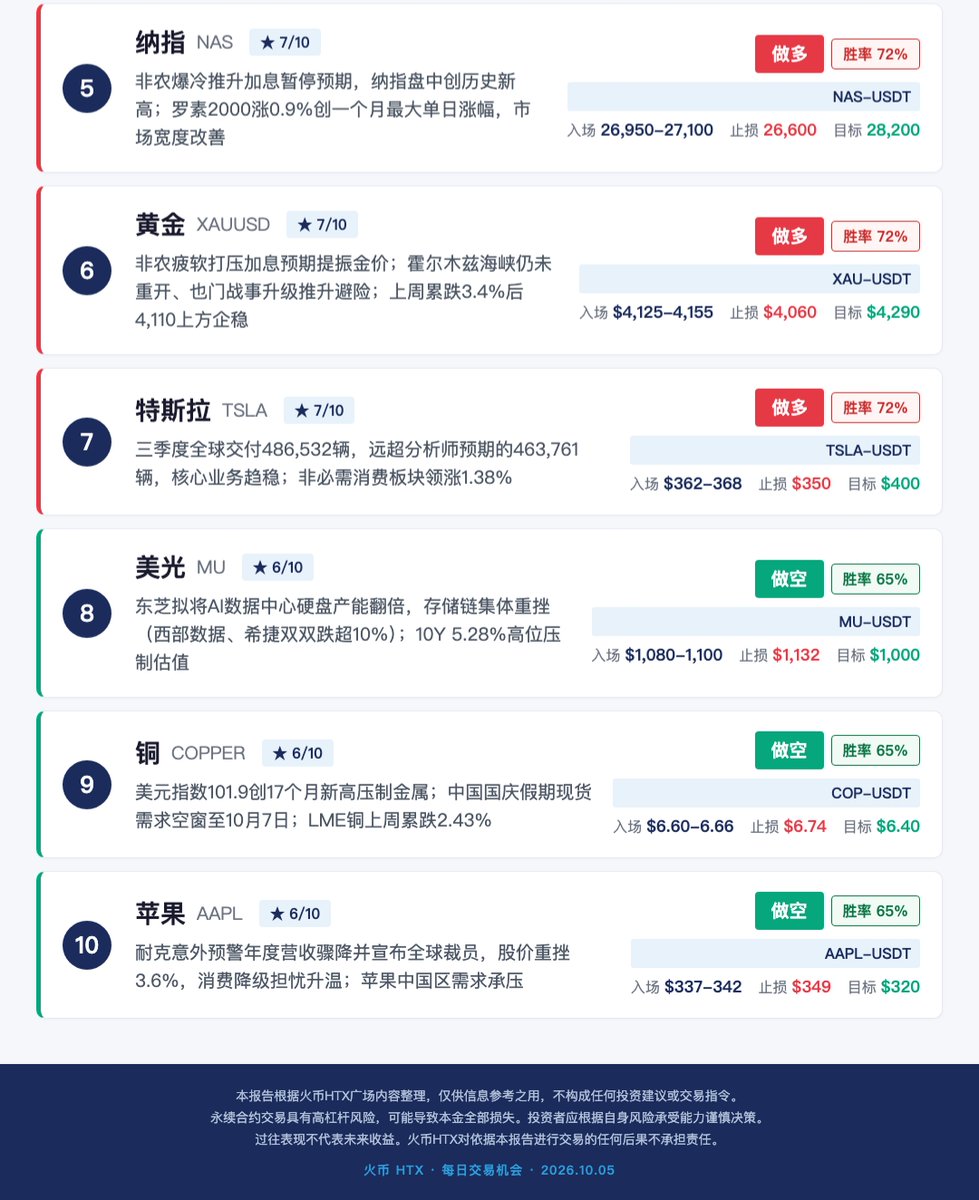
26414497 粉丝
View History
Gold gains as October Fed rate hike prospects fade https://reut.rs/4doIBg6 https://reut.rs/4doIBg6
中文: 黄金涨幅,10月美联储加息前景黯淡
25039 粉丝
View History
🎬
视频
59745 粉丝
View History
两天没看新闻,中东那边打的还是很热闹啊。。。胡赛这一顿折腾真是又把油价给拖住了= =
712862 粉丝
View History
Machi(@machibigbrother) won 2 more trades on $PUMP, making it 12 wins in a row over the past week, with a total profit of $2.14M.
Current long positions:
34,100 $ETH ($92.98M)
456 $BTC ($39.41M)
174,500 $HYPE ($15.84M)
425M $PUMP ($2.72M)
https://x.com/lookonchain/status/2106030673563914574 https://twitter.com/lookonchain/status/2106947255769219511/photo/1
中文: 马奇(@machibbother)在PUPMP上又赢得了2笔交易,在过去一周内连续赢得12场,总利润为214万美元。
当前长仓:
34100美元 ETH(9298万美元)
456美元BTC(3941万美元)
174500美元(售价1584万美元)
4.25亿美元(272万美元)

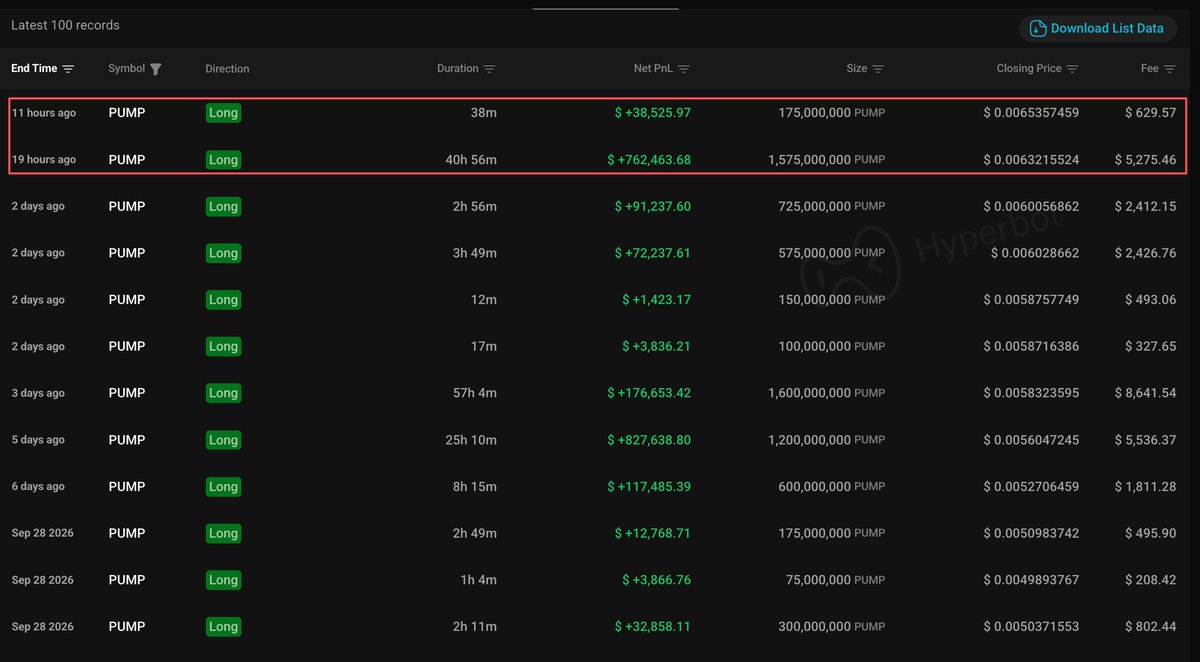

39070 粉丝
View History
厉害!Muse 也能跑在 AI Passport 这个随身小硬件上了。AI Passport 玩家们都太厉害了,好点子想到了就得赶紧去做,晚一点就被别人做了。比如这个 Muse,在 Facebook 的开源代码仓库里, AI PASSPORT 的 PR 也有网友提交了。

392770 粉丝
View History
Alarmingly, OpenAI doesn’t seem to be very focused on models
They should be - the came back because of Astra and Sol - both solid models
It’s time to ship a truly better model
中文: 令人担忧的是,OpenAI似乎并不太关注模型
它们应该是——由于Astra和Sol而回归——两者都是可靠的型号
是时候运送一个真正更好的模型了

42554 粉丝
View History

326599 粉丝
View History
JUST IN: Flávio Bolsonaro finishes ahead of Lula in the first round of Brazil’s presidential election. The two advance to an Oct. 25 runoff.
$EWZ +9.8% overnight. https://twitter.com/Backpack/status/2106946463213420915/photo/1
中文: 就在:弗拉维奥·博索纳罗在巴西总统选举第一轮中领先于卢拉。两人晋级10月25日决选。
隔夜上涨9.8%。
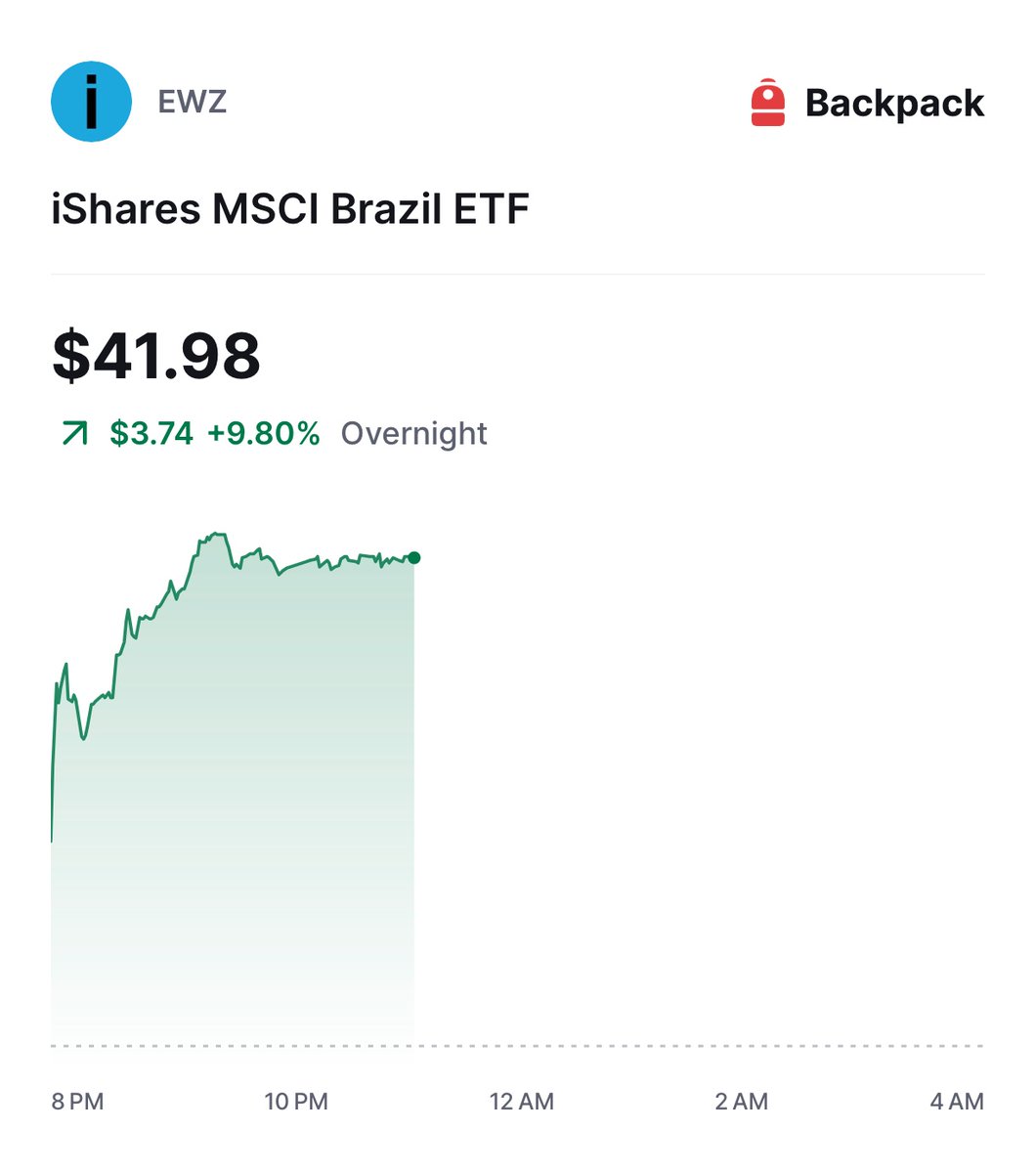

155079 粉丝
View History
5670 美元买 $SI,一天变成 7.3 万美元,Robinhood 自己那条链上又出金狗了。
$SI 这个币在 Robinhood 链上刚起步的时候,流通市值只有 148 万美元。
就在那个位置,有个地址分五笔摸进去,总共花了 5670 美元,拿到 380 万枚。
所以币价一天就冲到 1862 万市值的时候,这个地址分十七笔把 230 万枚倒了出去,4.22 万美元落袋。
剩下的 150 万枚一直没动,占原来仓位的四成,现在还值 3.1 万美元。
卖掉的加上没卖的,净赚 6.75 万美元,回报 1190%。
地址 :https://t.co/3ppdo4FMxC,链上能查,五笔买进、十七笔卖出,一笔一笔都摆在那儿。
就是说小本金在这条链上一天能翻几十倍,这笔账谁都能自己点一遍。

59745 粉丝
View History
假期前几天,国内南方持续的降雨大幅度降低了当地气温,根据中国天气网的数据来看,大概10月中旬过后预计还会降雨。后面预计气温将持续走低,福州、广州、南宁大概会是下半年来前几个跌破20℃的城市。
气温下降,对于肉类大宗商品来说整体是利好的,从各国的情况来看,基本都符合高温时期吃肉少,低温吃肉多的规律。
当然,这对于现在国内一些供大于求的行业,比如说生猪来说就那么回事= =但对于今年涨了快一年的牛肉来说,更是好事。
注意牛肉大概未来几年价格都不会下来,这轮牛肉比较有意思,原本价格应该从24-25年就开始涨(那会儿国内产能已经下去了,奶牛也杀了不少,牛养殖周期大概2年半左右)。不过因为进口肉的量巨大,所以也就给压住了。
但现在国家采取了进口牛肉保障措施,今年是第一年,后面两年虽然门槛逐渐放宽,但比例远不如国内掉的产能多。
所以牛肉的价格还是相当有支撑的。

74339 粉丝
View History
RT @StargazeZone: Today let's celebrate some physical art NFTs. Show us what you've got and tag the artist!
中文: RT @StargazeZone:今天让我们来庆祝一些实体艺术NFT。向我们展示你所拥有的,并标记艺术家!
26414497 粉丝
View History
Georgia block party shooting kills two, injures dozens https://reut.rs/4dhR0lp https://reut.rs/4dhR0lp
中文: 佐治亚州街区派对枪击事件造成两人死亡,数十人受伤
2976463 粉丝
View History
Conservatism is sweeping across South America!🇧🇷🇦🇷🇨🇴🇨🇱🇺🇸
Make South America Great Again!!
2976463 粉丝
View History
Trump ally conservative Flavio Bolsonaro wins the first round in Brazil!
Make Brazil Great Again! 🇧🇷🇺🇸 https://twitter.com/TrumpDailyPosts/status/2106944277175751014/photo/1
中文: 特朗普盟友保守派弗拉维奥·博索纳罗在巴西赢得第一轮胜利!
让巴西再次伟大!🇧🇷🇺🇸

88410 粉丝
View History
OKX 重磅布局!向美 SEC 提交申请推出代币化美股平台
OKX 联合纽交所母公司 ICE 成立 OKXICE LLC,拟推出首批 63 家纽交所上市公司代币化股票!
核心看点:
1️⃣ 合规突破:利用美 SEC 临时豁免新规,成为首批大型加密平台之一;
2️⃣ 全权益支持:代币化证券将包含股息及投票权等完整股东权益;
3️⃣ 全天候交易:联合主席表示将支持全球 24 小时股票交易;
4️⃣ 强强联合:ICE 曾于今年 3 月入股 OKX(估值 250 亿美元)。
Web3 与传统金融(TradFi)融合再加速!
406143 粉丝
View History
日本内阁官房长官木原稔:日本计划不再从国家储备中释放原油。
129200 粉丝
View History
#OKX 上线了一个叫「安心盾」的功能,我升级 App 之后顺手开了一下。
入口在首页资产页右上角,点进去能看到自己的赔付额度。普通用户 10 万 U,VIP1 到 3 是 25 万,VIP4 到 6 最高 50 万。
它做的事不复杂:交易和提币之前,先帮你扫一遍账户和设备状态。设备安全、Passkey、大额提币保护、多重验证这些,都能提前看到。
不是等你出事了才提醒,是在关键动作之前拦一下。
赔付有规则,不是无条件兜底。自己确认的转账、输错地址、DeFi 损失这些不在范围内。但方向是对的。
币圈赚钱已经够难了,别最后没亏在行情里,反而输在一条钓鱼链接或者一次账号失守上。收益决定你能赚多少,安全决定这些钱最后还在不在你手里。
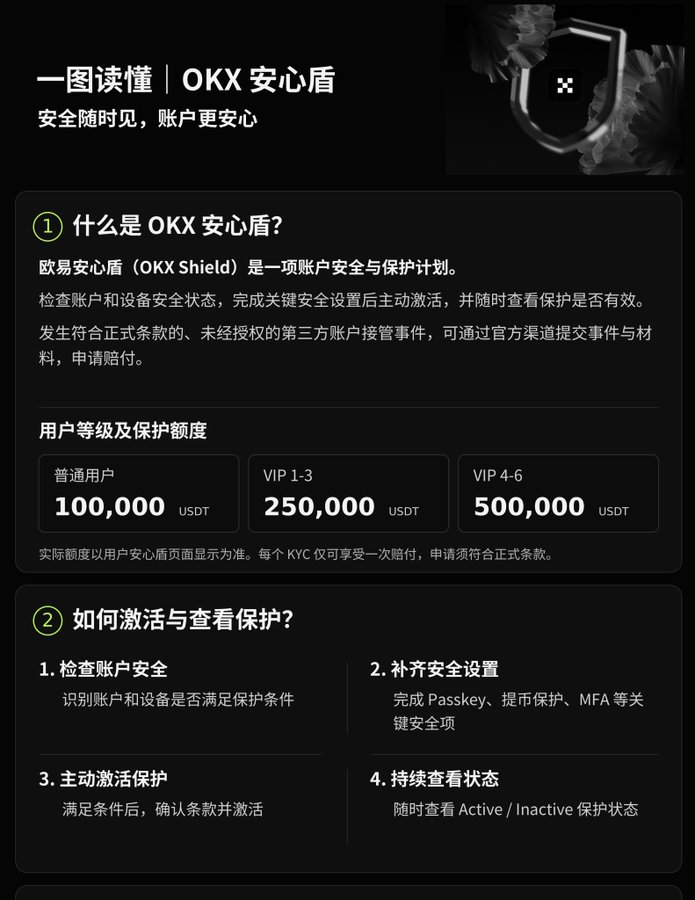
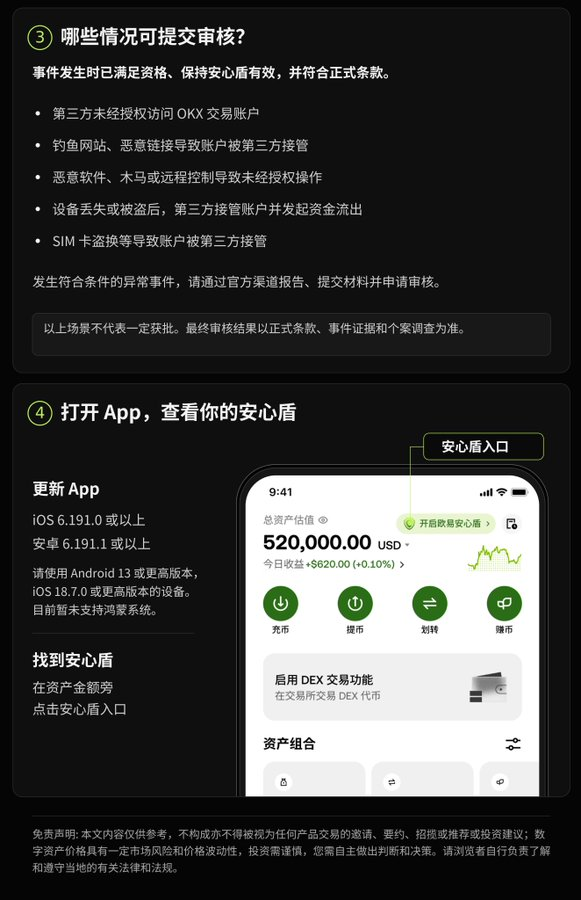
116320 粉丝
View History
适用于 README 文件、作品集和网页的动态 SVG 图标跑马灯。
用 TypeScript、Bun 和 Hono 写的 HTTP API,把技术栈图标渲染成 SVG 返回:/v1/marquee 输出无缝循环滚动的动画横幅,/v1/icons 输出静态一行。
https://github.com/gian-gg/icon-marquee https://twitter.com/geekbb/status/2106943403867173364/photo/1


31739 粉丝
View History
MASS 在一周前, 开始不断提醒 ethereum:0xde30da39c46104798bb5aa3fe8b9e0e1f348163f 的上涨路径已经启动。
从 -8% -> +85%
牛市一直在, 需要你发现。
181692 粉丝
View History
吴说获悉,Yuga Labs 联合创始人 Garga.eth(Greg Solano)回应 NFT 收藏家 Pranksy 称,对方把本可能值 5 亿美元的 BAYC 以几百万美元卖掉,随后为能找到的任何劣质复制品站台,还创办过多个自己的 NFT 项目,相关项目后来都已从简介中删除。Pranksy 此前发推称,BAYC 毁了 NFT:一项有实际潜力的技术在全球被看成「猴子那件事」,此后多年看到的都是复制粘贴项目。
https://wublock123.com/news/yuga-labs-cofounders-hit-back-pranksy-underpriced-bayc-sale-supporting-knockoffs-69530
116489 粉丝
View History
这几天跑出来的标,都是浓烈的痰
真不如Gstock、Brew
希望Gstock、Brew一起上现货
币安手里没有更好的牌
10821 粉丝
View History
RT @beffjezos: Being a sensitive young man is like trading on life with 3x leverage
You may achieve greatness
Become a revolutionary
Raise an army
Change the world
or
Self-annihilate
Become imprisoned
Be ridiculed
Be ostracized
You can choose your path, but the simple life is not one.
310282 粉丝
View History
这俩回复就是Ai
第一个,根本不知道视频里说的是啥,也不知道视频不是我本人,回复得驴唇不对马嘴
第二个,也是不知道内容是啥。因为我发的这个是表达中年夫妻的无奈呢。 https://twitter.com/sujing110/status/2106942898206097446/photo/1

16165367 粉丝
View History
Every product has a journey.
From sourcing to shipping, blockchain helps make supply chains more transparent, traceable, and efficient.
Learn how it’s transforming supply chain management. 👇
https://www.binance.com/en/academy/articles/blockchain-use-cases-supply-chain
中文: 每件产品都有一段旅程。
从采购到运输,区块链有助于使供应链更加透明、可追溯且高效。
了解其如何改变供应链管理。👇
26414497 粉丝
View History
Stocks upbeat, dollar wobbles as Fed hike bets recede https://reut.rs/4zdN1ib https://reut.rs/4zdN1ib
中文: 股市上涨,美元波动,美联储加息押注减弱
3337499 粉丝
View History
中期选举在即,特朗普宣布计划向老年人每人提供90美元,并重申,如果共和党赢得中期选举,他将向所有美国成年人每人发放5,000美元支票。https://cn.wsj.com/articles/WP-WSJS-0003948051
6838 粉丝
View History
🔥 NovixLink 美国NTT双ISP住宅IP VPS补货!
🇺🇸 新增192.220 IP段
支持中国大陆三网回程优化。
✨ 核心优势:
✅ 美国双ISP原生住宅IPv4
✅ 新增 192.220 IP段
✅ 三网回程优化
✅ Tier-1骨干网络
✅ 适合跨境业务、多账号环境
🔥 套餐:
🥉 LAX-CUPN Lite
💰 7.99加元/月
• 1核 CPU
• 768MB 内存
• 10GB SSD
• 100Mbps带宽
• 500GB双向流量
• 独享美国双ISP住宅IP
🥈 LAX-CUPN Basic
💰 12.99加元/月
• 1核 / 1GB
• 10GB SSD
• 125Mbps带宽
• 1000GB双向流量
🥇 LAX-CUPN Pro
💰 19.99加元/月
• 2核 / 2GB
• 30GB SSD
• 150Mbps带宽
• 2000GB双向流量
🏆 LAX-CUPN Ultra
💰 38.99加元/月
• 4核 / 4GB
• 40GB SSD
• 200Mbps带宽
• 4000GB双向流量
适合:
🛒 跨境电商
📱 海外社媒运营
🌎 多账号环境
🤖 AI工具测试
🚀 海外业务部署
⚡ 测试IP:192.220.1.2
👉 购买:
https://novixlink.com/aff.php?aff=16&gid=3
#VPS #美国VPS #住宅IP #双ISP #NovixLink #跨境电商
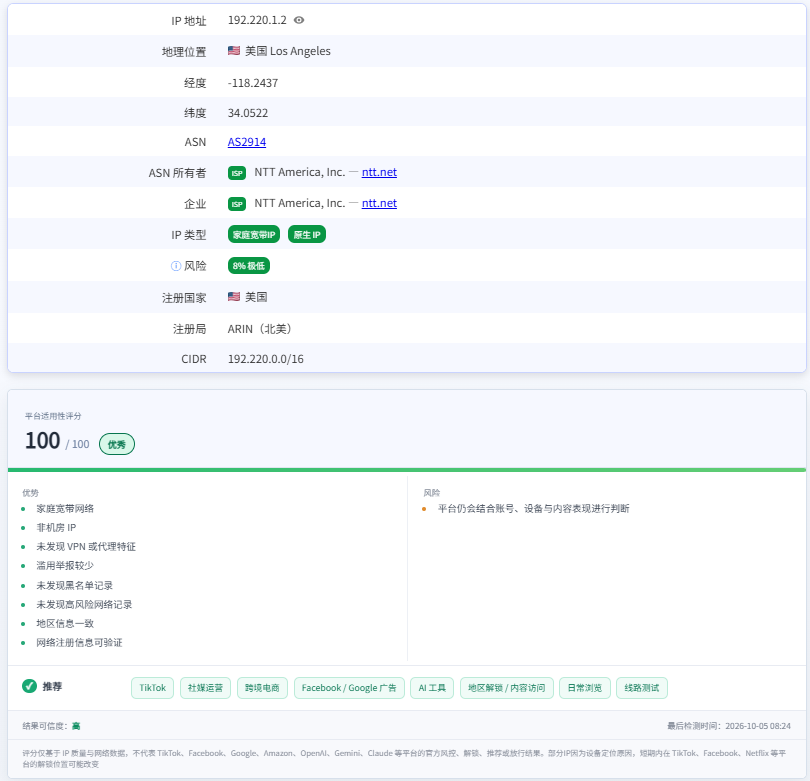
74339 粉丝
View History
RT @DooSpotti: Congratulations to the winners of the first Starburst draw reserved to the minters of The Land of Cakes game: @Klisiu_ @BushidoBrown28 @mosquito_cosmos @johnboi710 @Underworld_NFTs .🎉Prizes have been distributed. The second round will end in 30 days. So, go mint more games👇🔗 https://twitter.com/DooSpotti/status/2106863892207145154/photo/1
中文: RT @DooSpotti:祝贺《蛋糕之地》游戏中首场星爆抽奖的获奖者:@Klisiu_ @BushidoBrown28 @mosquito_cosmos @johnboi710 @Underworld_NFTs。已分发了 EE0] 。第二轮将在30天后结束。因此,多去游戏吧👇🔗
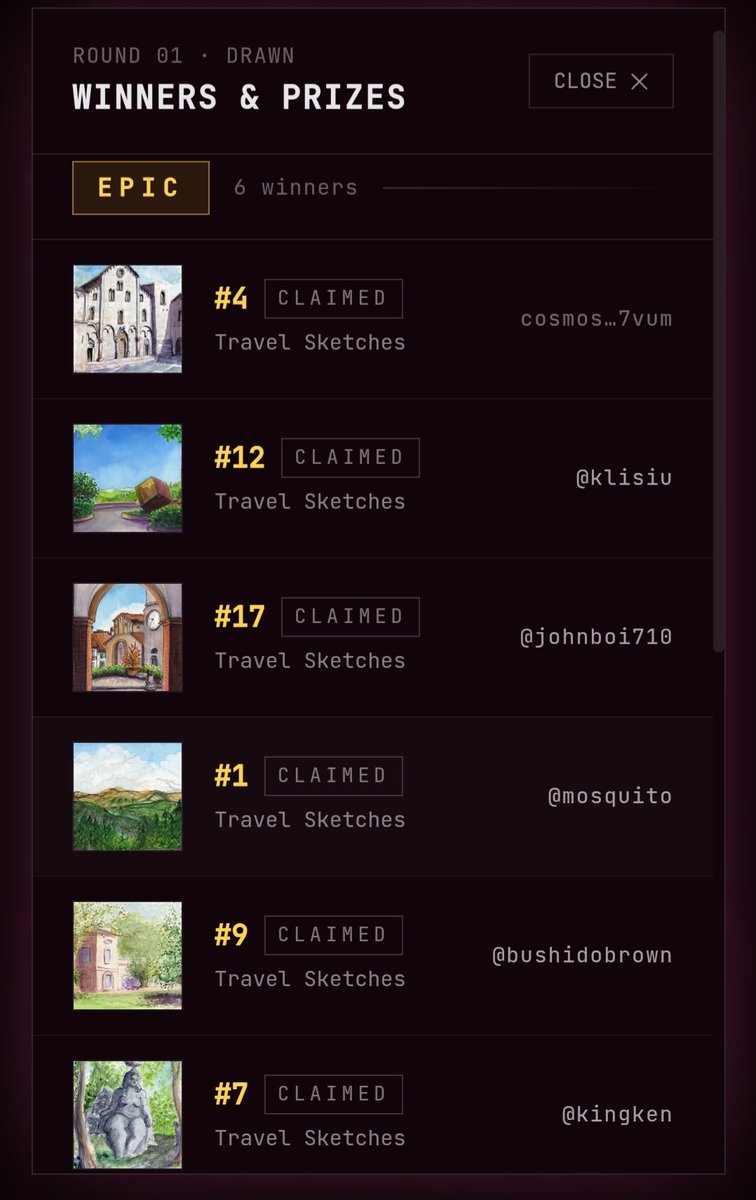

156726 粉丝
View History
T3 这么牛逼吗?至今还没体验过 https://twitter.com/dingyi/status/2106941828054614149/photo/1
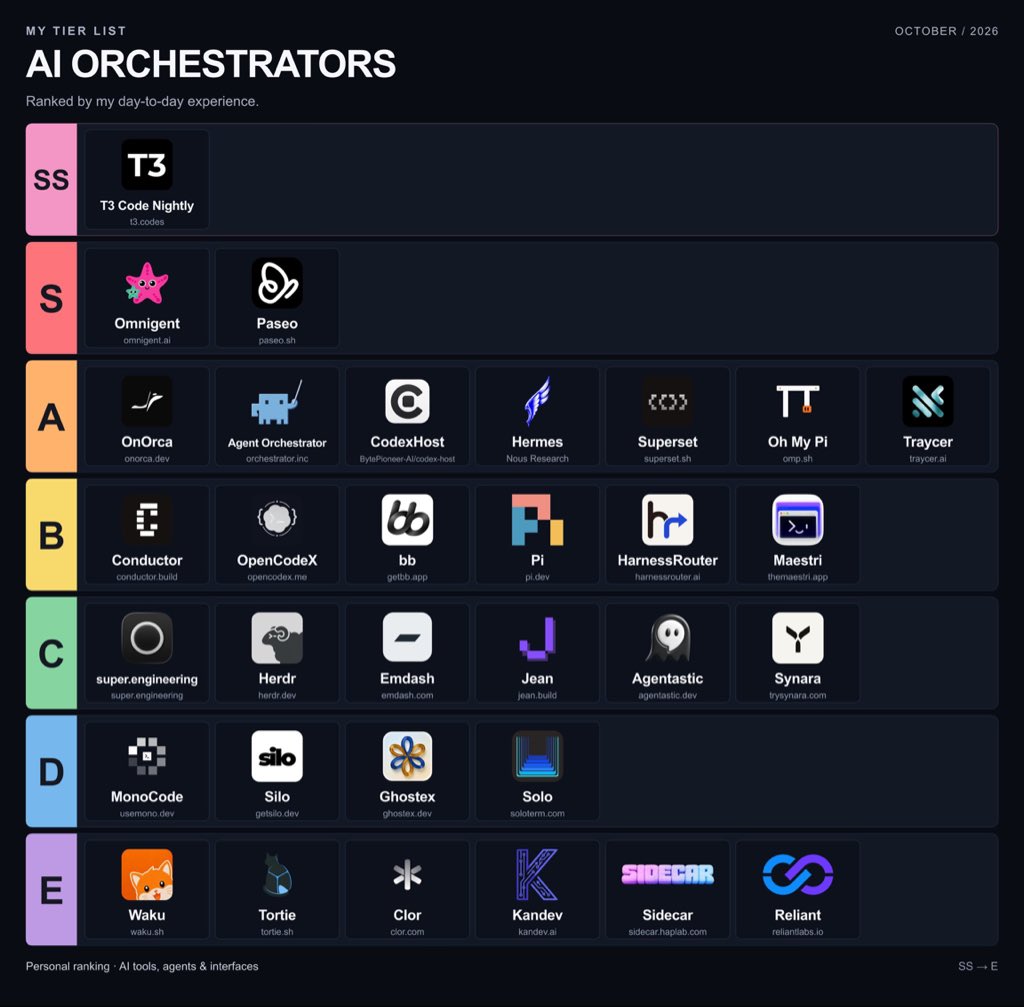

1319485 粉丝
View History
RT @PessimistsArc: Remember when the Vatican spent 500 years trying to align the printing press?
310282 粉丝
View History
有没有人去过王祖贤的艾灸馆啊?
到底咋样?
微博上到处讨论,说有影迷在温哥华艾灸馆消费时无法自选项目,结束后才被告知内容,两人收费超500加元,同行者还被烫伤。
还有合影经历者说和她合影,“必须开美颜,因手机卡顿导致其面露不耐烦,合照草草收场。” https://twitter.com/sujing110/status/2106941689634213990/photo/1


1319485 粉丝
View History
@alexandr_wang Muse for Linux.
中文: @alexandr_wang 适用于 Linux 的 Muse。
39070 粉丝
View History
邵艾伦看哭了……之前没看明白这条评论。 https://twitter.com/lewangx/status/2106941587431501830/photo/1

1319485 粉丝
View History
RT @StanDehaene: Indeed. And the « neo-vitalists » who affirm that consciousness requires biological hardware and will always remain beyond AI’s reach are equally misguided, in my opinion.
中文: RT @StanDehaene:确实如此。在我看来,那些“新生命主义者”认为,意识需要生物硬件,并且永远无法触及人工智能,同样是错误的。
2936694 粉丝
View History
🔥 JUST IN: OKX has filed with the SEC to launch a tokenized US stock trading platform, per Bloomberg. https://twitter.com/Cointelegraph/status/2106940951763534213/photo/1
中文: 🔥 Just IN:OKX 已向美国证券交易委员会提交申请,要求其推出美国股票交易平台,根据彭博社报道。


4895597 粉丝
View History
JUST IN: 🇺🇸 OKX crypto exchange files with SEC to launch tokenized US stock trading.
中文: Just In:🇺🇸 与美国证券交易委员会(SEC)合作的OKX加密货币交易平台,将启动代币化美国股票交易。
26414497 粉丝
View History
Suncor to sell offshore Canada oil stakes to Ithaca for $842 million https://reut.rs/4AVhTpx https://reut.rs/4AVhTpx
中文: Suncor 将以8.42亿加元的价格向伊萨卡出售加拿大近海石油股份

223599 粉丝
View History
New on Swan Inference 🧵
We just listed 5 models for roleplay & creative writing:
• MiMo V2.6 Flash RL (1M ctx)
• DeepSeek V4.1 Flash (1M ctx)
• Artemis 31B
• Skyfall 31B (TheDrummer)
• Qwen3.8 Queen 27B
Run a GPU? Serve them & earn 👇
https://github.com/swanchain/computing-provider/discussions/154
中文: 天鹅之情 🧵
我们刚刚列出了5个角色扮演模式;创意写作:
• MiMo V2.6 闪光 RL(1M ctx)
• DeepSeek V4.1 闪存(1 万 克特)
• 阿耳忒弥斯31B
• 天空31B(鼓手)
• Qwen3.8 皇后区 27B
运行GPU?服务他们;赚取👇

73096 粉丝
View History
RT @EvaCmore: XION 改名为 Verona的时候拉了一波
是不是所有项目开始改名都会拉伸一波?
Verona 最近正式推出了自己的稳定币 verUSD。我比较关注的是,它上线时已经有 1 亿美元+的机构承诺,其中 6000 万美元+是已经签约的收入,后续会通过 verUSD 来结算。
Verona 之前已经用 USDC 做了 4 年支付,这次相当于把原来的支付结算换成 verUSD,所以从一开始就有真实使用场景。
而且 verUSD 首日就原生部署了 7 条链,Ethereum、Solana、Arbitrum 等都在里面。我觉得这个逻辑还是值得观察的。
不过,最终还是要看这些签约的支付量,最后能不能真正跑起来。
@verona_dev

73096 粉丝
View History
RT @EvaCmore: 感谢Ondo邀请
各位大佬们新加坡见
说真的今年刷Perps很少了
因为感觉刷Perps的损耗
不如到时候直接去买token
当然如果你是套利的、正常交易的
是可以顺手撸一波的
如果是拿钱去换积分就真的不划算了
这次去 Ondo 现场
刚好可以和各位大佬聊聊
看看大家现在都怎么玩积分、做收益
新加坡见!
@OndoPerps
@fullportmatt
@onchaindana
@Ondo
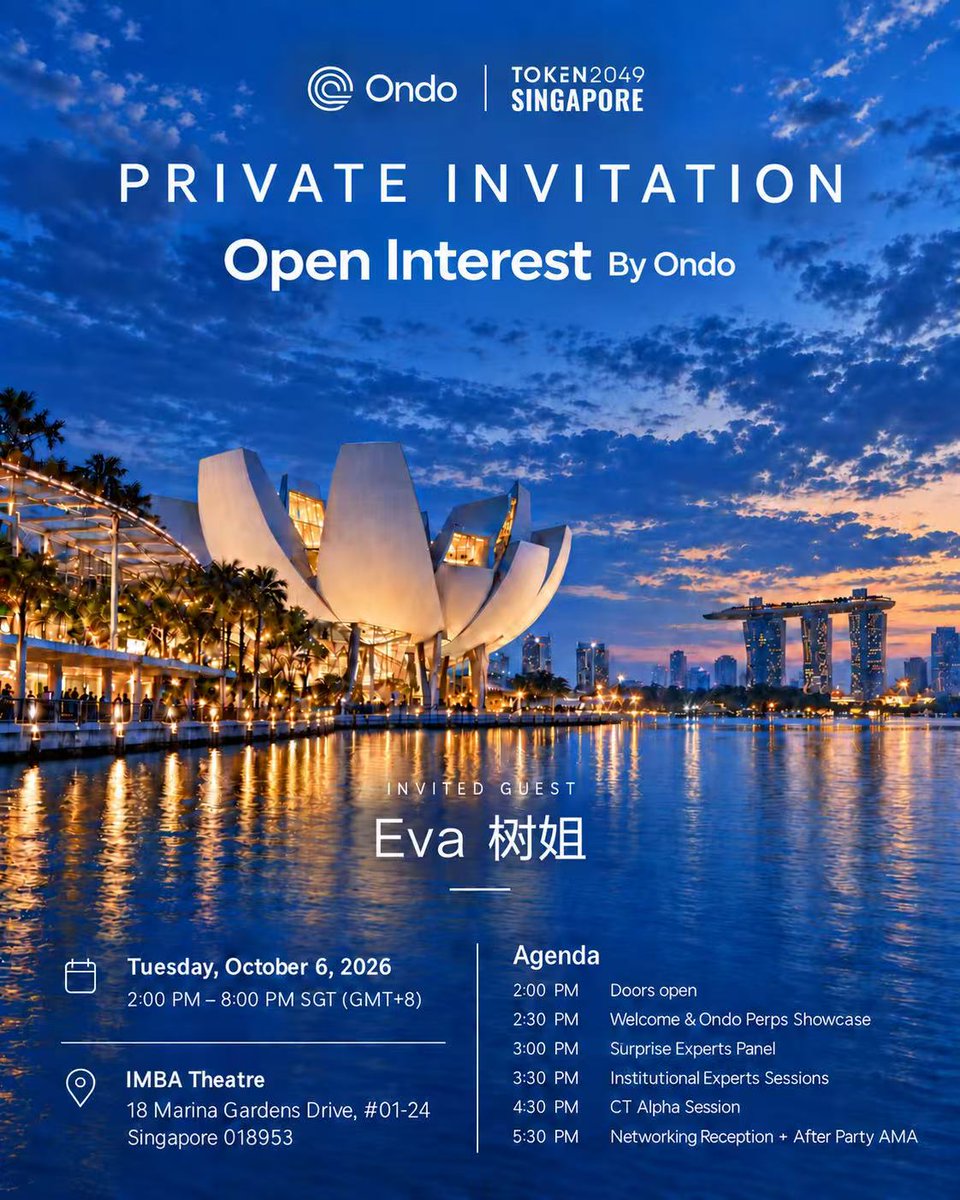
752966 粉丝
View History
中国银行机构数量四年减少23%,截至2025年只剩3,139家。国家金融监督管理总局数据显示,仅2025年就关闭超过670家银行机构,创下纪录,绝大多数位于农村地区。
中国银行体系总资产约64万亿美元,中共当局正推动区域整合,试图压住小型贷款机构的流动性风险。这轮收缩发生在经济放缓、信贷需求疲弱之际,显然不是什么“金融稳健”,而是在集中处理地方中小银行积下的风险。

682385 粉丝
View History
Building your first AI trading bot is not hard.
Literally just follow these steps:
1. Open account with exchange that has public MCP
2. Start new Claude project
2. Connect MCP to Claude
3. Generate new API key
4. Plug API key into Claude
5. Build three desktop folders: memory, learnings & strategy
6. Start trading
Never been easier.
559007 粉丝
View History
OKX Applies to SEC to Launch Tokenized U.S. Stock Trading Platform
According to Bloomberg, OKX has filed with the U.S. Securities and Exchange Commission (SEC) to launch a tokenized stock trading platform. OKXICE LLC, a joint venture between OKX and Intercontinental Exchange (ICE), parent company of the New York Stock Exchange, plans to seek approval to offer tokenized shares of an initial 63 NYSE-listed companies, with issuers given 30 days before trading begins to opt out.
Last month, the SEC cleared the way for blockchain-based securities to trade in the U.S. under a temporary exemption framework. The digital assets must include full shareholder benefits, including dividends and voting rights. The OKXICE platform’s launch depends on the completion of the 30-day opt-out period and other requirements.
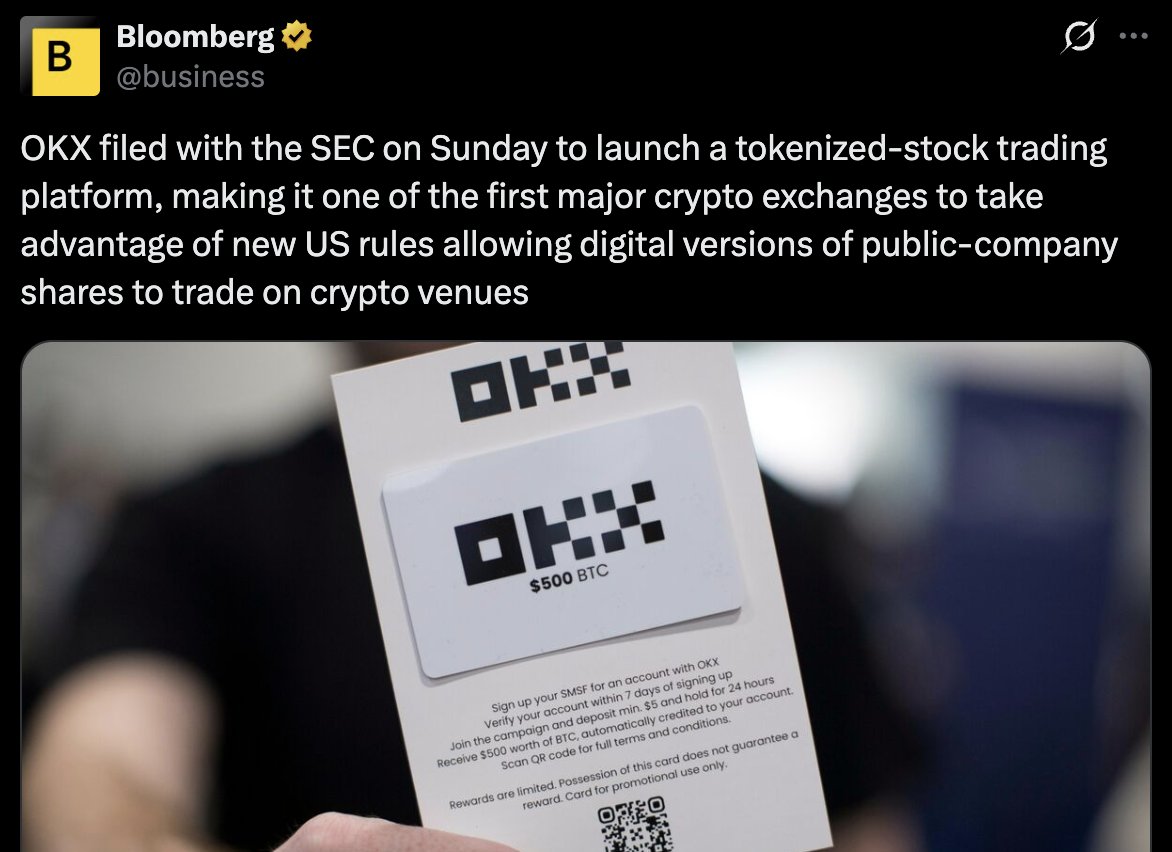
939446 粉丝
View History
今日所见野花:绒毛叶加州丁香(woolly leaf ceanothus)、刷樱桃(brush cherry)、非洲天门冬(African asparagus)、勋章菊(treasure flower)。 https://twitter.com/fangshimin/status/2106938250992697720/photo/1


310282 粉丝
View History
很庆幸,我和我老公一天话说个没完。
我们是最好的朋友。
还没分房分床睡。
中年夫妻这就很可以了。
老来伴的意义一天一天在凸显。
他周三飞机,周四就回家了。 https://twitter.com/sujing110/status/2106937966992244759/video/1
🎬
视频
25039 粉丝
View History
用一根 USB-C 线把 iPhone 接成 Mac 的第二块算力,让 24GB 内存的 Mac 跑 Qwen3.8-27B 时预填充更快、可用上下文从 64k 拉到 128k 以上。
https://github.com/StayLameBro/backburner
接上 10Gb/s USB-C 线,iPhone 就成了 Mac 跑 Qwen3.8-27B 的额外算力,这是 Backburner 的做法。
1-40 层留在 Mac,41-64 层交给手机 GPU 的矩阵单元,256 token 一批错峰流水,16k 至 48k 上下文的预填充等待减少 29% 到 44%。Mac 的 64k KV 到顶后,最旧的数据按每页 4,096 个 key 迁往手机,注意力由手机 GPU 和神经引擎承担,容量上限在启动时依据手机剩余内存确定,iPhone 17 Pro Max 8-bit 能到 196k-229k token,128k 已实测。

26414497 粉丝
View History
OpenAI's Altman says AI benefits warrant accepting some risks https://reut.rs/4huvU5U https://reut.rs/4huvU5U
31739 粉丝
View History
这就是 $PONS 的处境。
$PUMP 从高点跌落 -85%
现在几乎又要重新涨回新高点。
——
$PUMP 上线几乎 1 年了 ( 持续回购 )
$PONS 上线才 2 个月。
PUMP 30天营收: $54.33m
PONS 30 天营收: $18.99m https://twitter.com/AntCaveClub/status/2106937307333022049/photo/1
939446 粉丝
View History
今天在洛杉矶机场登机口被联邦调查局抓走的张万英是国际关系学院毕业的,去年6月由她的同学介绍,在长沙与国安部官员见面,接到去西雅图监视赖清德儿子一家的任务。自始至终都用微信联系,没想到iPhone会将微信内容上传云端备份,联邦调查局从法官那里获得搜查令,就可以从iCloud读她的微信。 https://twitter.com/fangshimin/status/2106936728837837061/photo/1


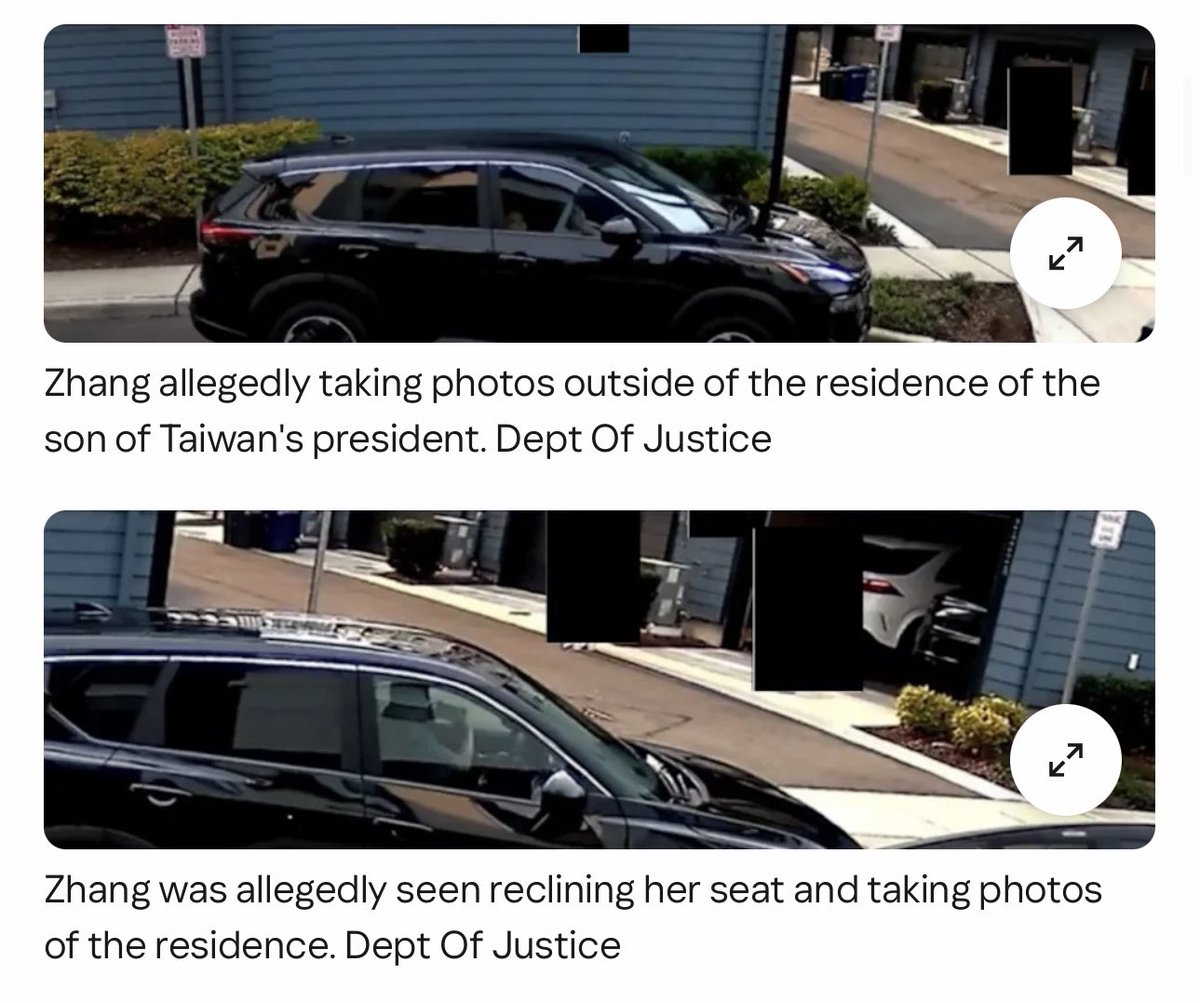

2976463 粉丝
View History
President Trump just posted this image on Truth Social and we brought it to life:
AmericaLand has a nice ring to it. 🇬🇱🐧🇺🇸 https://twitter.com/TrumpDailyPosts/status/2106936663532564868/video/1
中文: 特朗普总统刚刚在Truty Social上发布了这张图片,我们将其带入了生活:
美国兰德队有一枚漂亮的戒指。🇬🇱🐧🇺🇸
🎬
视频
10821 粉丝
View History
RT @Bfaviero: I just finished reading Biological War and yeah this is pretty terrifying
The book is literally about a Plague outbreak from a lab leak in Siberia that quickly makes its way to the US https://twitter.com/Bfaviero/status/2106894935517782476/photo/1
中文: RT @Bfaviero:我刚刚读完《生物战争》,是的,这相当可怕
这本书实际上是关于西伯利亚实验室泄漏事件导致的一场瘟疫暴发,该疫情迅速蔓延至美国


196907 粉丝
View History
RT @stevensarmi: Just built it in Solana. Every other chain is validating their thesis, Solana has been validated, now growing.
- Stocks on Solana is just a fact, sunrise and backpack are pioneering this with actual redemption mechanisms that no other chain has (innovation)
- There’s companies actually pushing IPOs onchain and growing their shareholders base with token incentivized holders (distribution)
- Memes are better here and have actual
Utility, stonkfun is sick (novel mechanisms)
- Defi is maturing by the year, Kamino, jup, etc (liquidity)
- you can literally trade anything onchain on Solana on the L1 PERMISSIONLESS, perps, spot, options.
Now is the time to build what you want to see in this world.
2936694 粉丝
View History
🚨 NOW: Former Anthropic researcher Jacob Coxon will testify at a New York City Council AI hearing today, per Bloomberg.
He quit last month, accusing Anthropic and OpenAI of gambling with people's lives. https://twitter.com/Cointelegraph/status/2106935138961551783/photo/1
中文: 🚨 现在:根据彭博社报道,前人类学家雅各布·考克森将于今天在纽约市议会的人工智能听证会上作证。
他上个月辞职,指责Anthropic和OpenAI在人们生活中赌博。


59745 粉丝
View History
周末生生玩了两天哈哈哈,休息的舒服啊。准备回来卷大家了啊。
3337499 粉丝
View History
距离以色列大选仅剩数周,迪拜航空航班遇袭事件意外成为选战焦点。内塔尼亚胡亲自迎接幸存乘客,借此强化其“右翼联盟是国家最佳保护者”的竞选主张。然而,反对派痛批其将危机政治化。https://cn.wsj.com/articles/WP-WSJS-0003947985
26414497 粉丝
View History
US accuses California woman of spying for China, surveilling Taiwan leader's son https://reut.rs/3Tk7z9F https://reut.rs/3Tk7z9F
中文: 美国指控加州女子为中国从事间谍活动,并监视台湾领导人的儿子

662388 粉丝
View History
🟦 TokenPocket Weekly
🚀 Product
• iOS 2.30.0 & Android 2.29.0 are now live — with B20 standard support, improved swap services, and a smoother overall experience.
• Smarter trading with lower network fees, faster execution, and smoother transactions.
💸 Stablecoin Payment
• Travel Vietnam with TokenPocket Pay — scan and pay with stablecoins at supported merchants. No cash needed.
🌐 Ecosystem
• GM Seoul. TokenPocket joined the community at #KBW.
• At #KBW, TokenPocket highlighted decentralized Asset Inheritance — plan ahead without giving up control of your assets.
• TokenPocket × USDD Gas Boost Season rewards have been distributed. Check your wallet.
🔐 Security
• Asset Inheritance has passed a security audit by @SlowMist_Team, with no critical or high-risk vulnerabilities identified.
• Native multisig across a broad range of networks — multiple approvals, no single point of failure.
More ways to move, trade, pay, and stay secure — all in TokenPocket.

310282 粉丝
View History
我以后也不回复AI的评论
能取关的
我就会取关
和机器没法交流
只会让人心里不舒服
166907 粉丝
View History
当年是在美国LA出差,注册的这个Twitter号,一晃13年......
还记得你何时加入 X 吗?我知道!#我的X周年纪念日 https://twitter.com/HotmailfromSH/status/2106933285075259635/photo/1

181692 粉丝
View History
据 Onchain Lens 监测,Hyperliquid 过去 24 小时内买入并销毁了 112,580 枚 HYPE(约 1,015 万美元),资金或来源于 AQAv2 收入和费用。期间 24 小时费用估计为 98.9 万美元,7 天收入 985 万美元,30 天收入 5,206 万美元。目前累计已有 4,925 万枚 HYPE(约 44.5 亿美元)从流通中永久移除。
https://wublock123.com/news/hyperliquid-destroys-112580-hypes-within-24-hours-costing-approximately-1015-million-us-dollars-69527

1374256 粉丝
View History
GM.
First Monday of October. https://twitter.com/TabiVibe/status/2106932637013311960/photo/1
中文: 总经理
十月的第一个星期一。
122066 粉丝
View History
✅大家心心念念的白单 @paperdao_xyz,找官方要了3个:
@daosdotworld 回归带着的第一个项目,总共募集50ETH,在RH罗宾链上执行,保证等级有T1(最高0.25E投入),T2(最高0.1E投入),官方给了3个T2(WL)进行抽奖,我自留1个,然后抽2个白名单出去:
关注: @paperdao_xyz 抽取2个WL
点赞+转发+留下EVM钱包地址(方便抽取)
👇PaperDAO如何玩:
在 https://daos.world/ 募资,把散户资金合成一个金库,用代币 $PULP 代表按比例份额。
金库在上线初期集中交易,争取在铸造成本最低时拿到规模。
paper、质押收益和盈亏留在金库里,由 $PULP 持有人按比例拥有,paper 可转账后,$PULP 可按份额赎回 paper。
注意的是:公开时间表大致是10 月 8 日金库转到 HyperEVM 预存,10 月 10 日开始实盘交易。页面写明不承诺收益,$PULP 可能归零,且与 @papertrade_xyz 无隶属关系,DYOR!
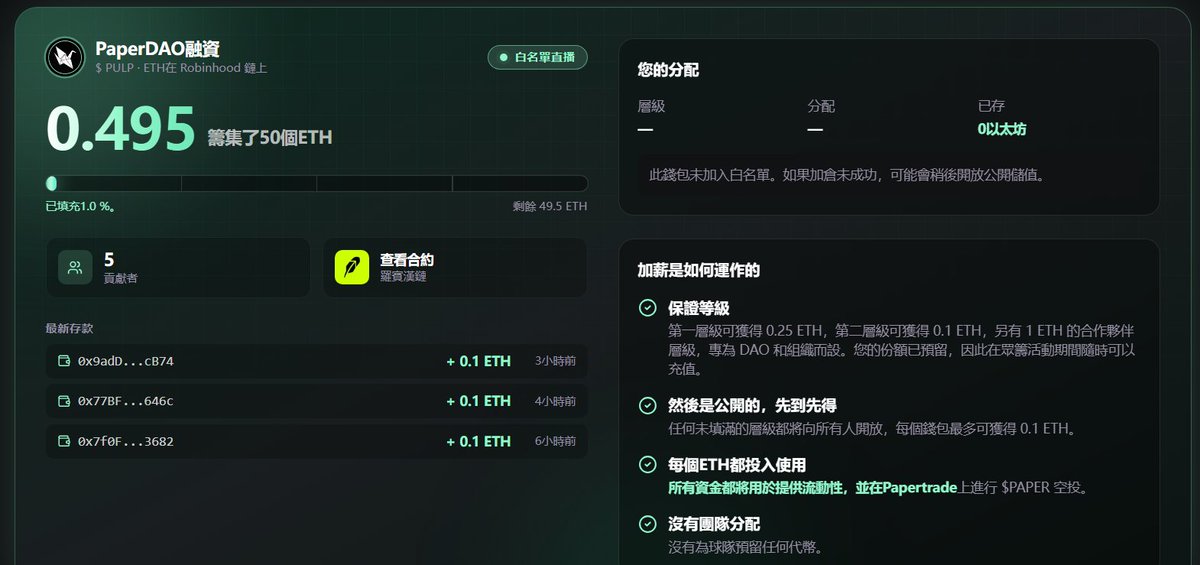
26414497 粉丝
View History
Former Anthropic researcher Coxon to testify at New York City AI hearing, Bloomberg News reports https://reut.rs/4hMbBzP https://reut.rs/4hMbBzP
中文: 前人类学家考克森将出席纽约市人工智能听证会作证,彭博新闻社报道
2936694 粉丝
View History
🔥 NOW: binancecoin:native just broke past $809. https://twitter.com/Cointelegraph/status/2106932310918738215/photo/1
中文: 🔥 现在:币安币:原币刚刚突破809美元。

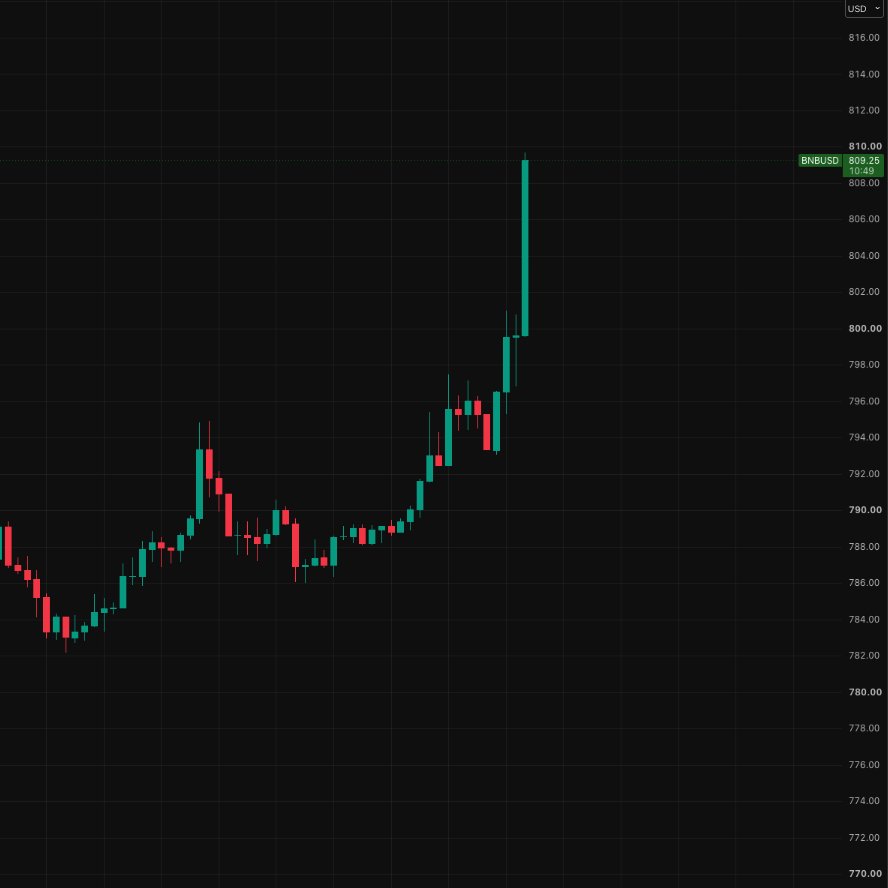
69682 粉丝
View History
🔗 Explore the full model details here:
https://huggingface.co/D-240357/legal-gpt2-decoder
中文: 🔗 在此处查看完整的模型详细信息:
69682 粉丝
View History
568 downloads and counting, zero likes? Don't let that fool you. This niche model offers specialized legal text generation without the fluff. Great for prototyping legal AI tools on a budget.
中文: 568次下载和计数,零点赞?别让那个骗了你。这种小众模型提供无需浮点数的专业法律文本生成。非常适合在预算上对法律人工智能工具进行原型设计。

862360 粉丝
View History
RT @ChenggangXu2024: 这段访谈简要讨论了:1. 中国的所谓“市场经济”和宪政法治下的市场经济有本质不同,中国的所谓“产业政策”也完全不同于市场经济下的产业政策。2. 只从贸易角度看欧洲和中国的关系无法解决欧盟在中共的全球产业链战略部署下陷入的困境:https://t.co/pnwVhKLaw8$
69682 粉丝
View History
Meet legal-gpt2-decoder by D-240357: a GPT-2 based model fine-tuned for legal text. With 568 downloads, it's quietly gaining traction among legal tech enthusiasts. Ready to dive in? https://twitter.com/HuggingModels/status/2106932139321426072/photo/1
中文: 通过D-240357认识 legal-gpt2-decoder:一款基于GPT-2的模型,可对法律文本进行微调。下载量达568次,在法律科技爱好者中悄然获得关注。准备潜入吗?
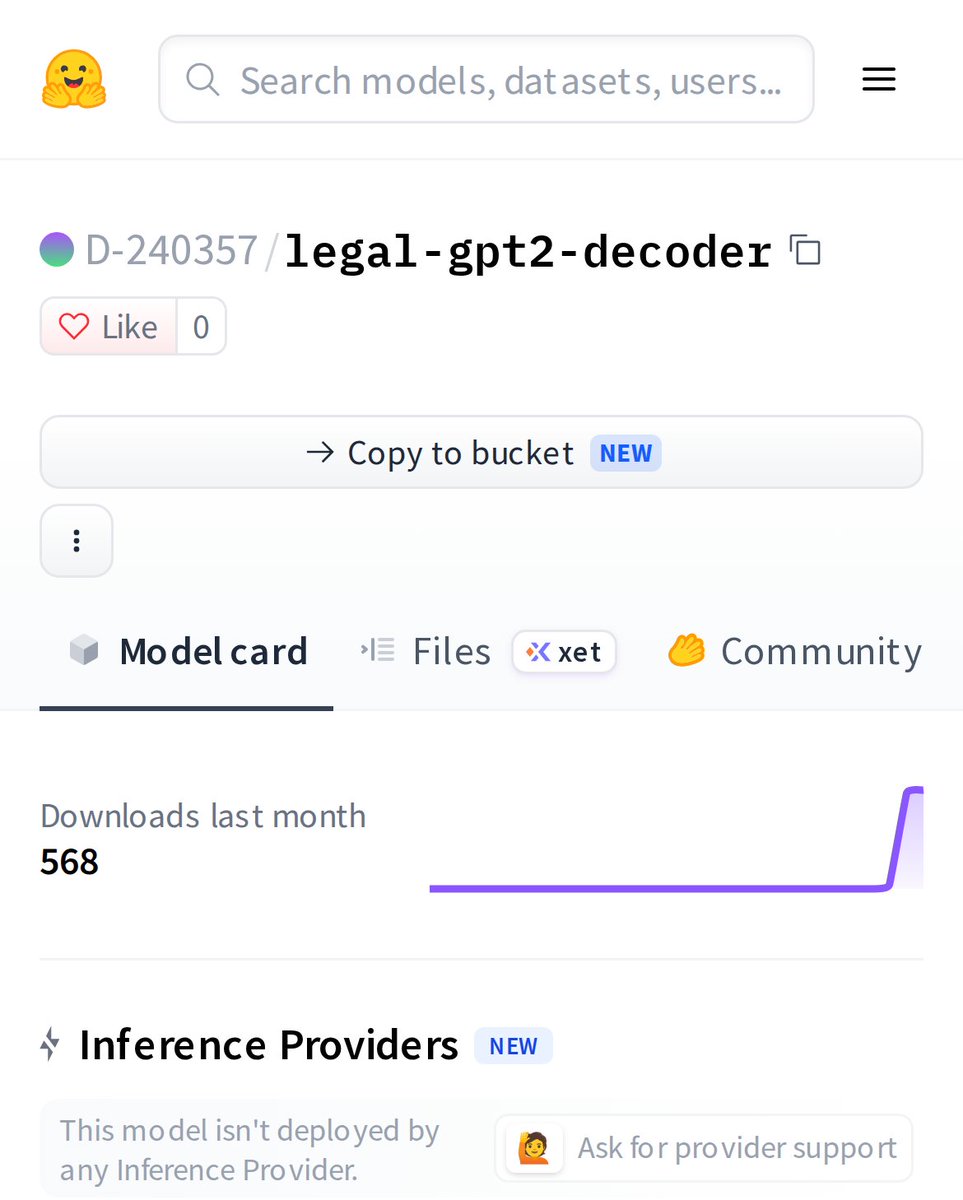
862360 粉丝
View History
RT @dashengmedia: 热烈祝贺季风出版启航。期待无数好书在路上。🎉
862360 粉丝
View History
RT @cskun1989: 10月4日,沈伯洋举行台北市长竞选总部成立大会,鲜少公开参与政治活动的蔡康永意外现身,低调坐在前排。蔡康永经纪人回应称,他正在考虑访问台北市长候选人,因此希望尽可能了解不同候选人的经历与意见。
由于沈伯洋的政治背景,蔡康永的现身迅速引发争议。蔡康永拥有千万粉丝的微博帐户突然被清空,一些网民将其到场视为“公开选边站”,并翻出他过去有关台湾身份认同的言论加以批判。风波立刻蔓延到商业领域。9月才宣布蔡康永为D99“品牌挚友”的零跑汽车,下架相关合作内容,并发布声明强调坚持一个中国原则。
一个台湾人参加政治活动,只要政治立场不同,就立刻遭到谩骂、围攻,甚至实施商业切割。台湾社会如何看?这些年,大陆不断强调争取台湾民心、推动两岸交流融合。一旦台湾艺人表达不同政治认同,舆论场便查旧账、扣帽子、围攻本人,甚至合作品牌迅速切割。
台湾人的感受如何?蔡康永在大陆拥有数千万粉丝、长期为大陆观众所熟悉,连这样的人因为出席一场政治活动就遭遇围攻,一个普通台湾人看了会更愿意接近大陆,还是更加戒备?
真正的认同不是靠封杀恐吓出来的,真正的人心也不是靠围攻谩骂争取来的。拉近两岸距离,最有说服力的不是要求台湾人只能说爱听的话,而是让他们看到,即使立场不同,依然可以交流,即使意见相左,表达的权利仍然受到尊重。
一边说台湾同胞是自己人,一边又容不下自己人不同的声音,一边说要争取台湾民心,一边却用最容易把人推远的方式表达立场。蔡康永究竟支持谁并不重要,重要的是一个台湾人表达自己的政治立场,是想说服他还是让他害怕?这种架势拿什么吸引台湾人?



4221417 粉丝
View History
The Seoul showdown champion @HYNSAEWOOO
中文: 首尔对决冠军 @HYNSAEWOO
149300 粉丝
View History

862360 粉丝
View History
RT @dayangelcp: 克林顿称:只要把中国拉进国际大家庭,经济发展了,民主就水到渠成。1997年,克林顿邀请江泽民访美。12年后,中国元首第一次正式访美。在夏威夷,老江愉快地弹起吉他,还请州长夫人上台伴唱。
蜜月又回来了。中美总是规律性的一会儿蜜月,一会儿交恶。当美国记者问江泽民是否后悔天安门事件时,江泽民答:1989年春夏之交的政治风波严重破坏了社会稳定,中国政府不得不依法采取必要措施。而克林顿当场批评:中国政府在这个问题上站在了历史错误的一边……
1998年6月,克林顿回访,在人民大会堂、在中央电视台全程直播中,克林顿再次表示:“天安门事件中使用武力、造成人命损失是错误的,我相信,美国人民也相信,言论自由和结社自由是各地人民的权利”。江泽民没让小弟掐话筒,回应:“如果当时中国政府不采取果断措施,我们今天就不可能享有这样的稳定”……
江泽民的观点当然极错误,可是在全球记者联合采访中,他竟然跟美国总统碰撞这么敏感的话题,央视还向全国人民直播,不得归功于美国总统的到访和那个时代相对的开放。
那天克林顿还公开支持达赖,说“人们应该有充分实践自己宗教信仰的权利”……惊喜不惊喜,意外不意外。
所以,当看到小白们因为这次中美会谈唱了中国歌就激动不已,我真想拍着您的肩膀说:图漾图森破,当年我和克林顿总统,那是谈笑风生,碰撞了六四、西藏、台湾等一系列问题,那尺度比后来的小胡、现在的小习,不晓得要高到哪里去了……
两天后,克林顿还去北大与学生辩论自由和人权问题,克林顿引用胡适的“个人争取自由,也是在为国家争取自由。”
中文系女生马楠反驳,说:国家的自由和个人的自由并不冲突,中国今天的繁荣,正是中国人民自由选择的结果。这个中文系女生,因为爱国言论成了新闻人物。但几年后,她移民美国,嫁给美国人。
经历过那个时代的我,都被这段历史给惊呆了,中国元首竟然在央视直播里跟美国总统辩论六四、西藏,人权。美国总统竟可以窜访北大谈人权……
回首往事,恍若隔世。就请问:您怀不怀念那个时代,而且你一定要知道,那正是中美之间最好的时代。
点击进入:https://youtu.be/4vg_xrPIQRs?si=AX1zk6iXCvdPkDMv

88375 粉丝
View History
白得了 2000u😂你不说我都忘了这个项目了,在他跑路之前找了一下发现里面居然有 2000u,失而复得😂 https://twitter.com/punk2898/status/2106931378554368433/photo/1
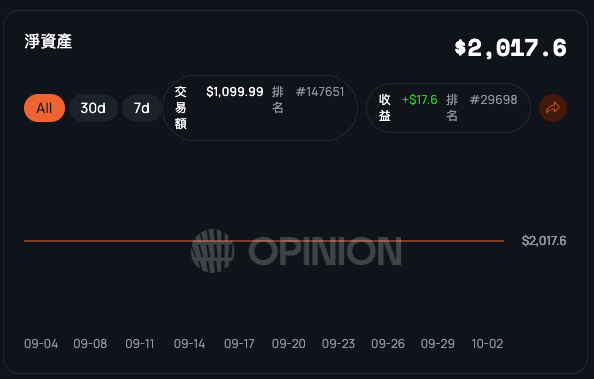
862360 粉丝
View History
RT @gaoyu200812: 杜拜王儲兼阿聯酋國防部長謝赫·哈馬丹·本·穆罕默德·本·拉希德剛剛探視了印度飛行員史米特·馬奇哈爾,他在那次flydubai航班上,在被刺傷後打開駕駛艙門,幫助救了181條性命。
王儲親吻了他的額頭,並感謝他的勇敢。 這次攻擊是由一名激進的伊斯蘭主義者所為,他企圖將飛機撞向以色列,以此作為暴力聖戰行為。
然而,西方主流媒體如CNN、BBC和路透社卻淡化了這次攻擊,將其稱為飛行員之間的「爭執」或「扭打」。
印度人、阿聯酋人和以色列人都嚴肅看待伊斯蘭主義的威脅,而西方卻不斷找藉口或假裝沒有問題。 這一切都是為了捍衛西方持續的大規模移民政策,以及不願承認伊斯蘭主義危及我們社會的態度。
西方那些自我厭惡的政治和媒體菁英必須被愛國者取代。
862360 粉丝
View History
RT @miaoyuJF: 别这么说,那些苦太重了。能出版你的书,是季风的荣幸。期待你来DC,咱们好好聚聚❤️
862360 粉丝
View History
RT @WildKratts722: 看到成蕾讲述国安看守所的经历,我是感同身受。我作为家属被株连被国安监视居住半年,我老公程渊和他的两个同事则在湖南国安看守所关了两年。
成蕾说她被关在北京市丰台区大红门南路47号,没有挂牌子,这个地点是北京国安看守所。
而我老公程渊则是被关在长沙市开福区山月路300号,也是没有挂牌子的湖南国安看守所。附近的居民住了几十年都不知道这是个看守所。
成蕾说的指定居所监视居住,又叫RSDL,是中国的秘密监狱和绑架系统。也就是允许警察不受监督绑架、酷刑、失踪中国公民。
@SafeguardDefend 安全卫士2021年发布了《囚禁:在中国指定居所监视居住秘密监狱内》的调查报告:
https://safeguarddefenders.com/zh-hans/blog/new-graphic-report-takes-reader-heart-chinas-hidden-rsdl-prisons
862360 粉丝
View History
RT @LiYuan6: 去年看完@ChengLeifreedom 书的英文版,我就说每一个中国人都应该去读一下,因为每个人都应该了解铁拳会怎样莫名其妙地砸下来,被“指定居所监视居住”这个抽象名词背后残酷黑暗的现实。感谢成蕾用细腻、感性和悲悯的笔触记录了这段不堪回首的经历,感谢季风书园不遗余力做重要的出版工作。快去买书吧!
16962 粉丝
View History
I ran the LinkedIn-market optimizer against @adcock_brett Adcock’s public profile, using the project method of treating the profile as evidence first and a marketing asset second—so the recommendations below avoid inventing achievements or personal technical expertise.
https://chatgpt.com/s/t_6ac307ae90d481919c127d28f0cf6fd3
中文: 我使用项目方法将领英市场优化器与@adcock_brett Adcock的公开个人资料进行对比,将个人资料作为证据,并先将营销资源作为营销资源,因此以下建议避免了创造成就或个人技术专长。
12854 粉丝
View History
Tapflow - 自托管的移动端测试平台
可在浏览器中串流 iOS 和 Android 模拟器。
👉 https://github.com/jo-duchan/tapflow https://twitter.com/jaywcjlove/status/2106930674569797961/video/1
🎬
视频
4895597 粉丝
View History
JUST IN: $BNB surpasses $800 https://twitter.com/WatcherGuru/status/2106930622266565076/photo/1
中文: 刚刚:$BNB 超过 800 美元

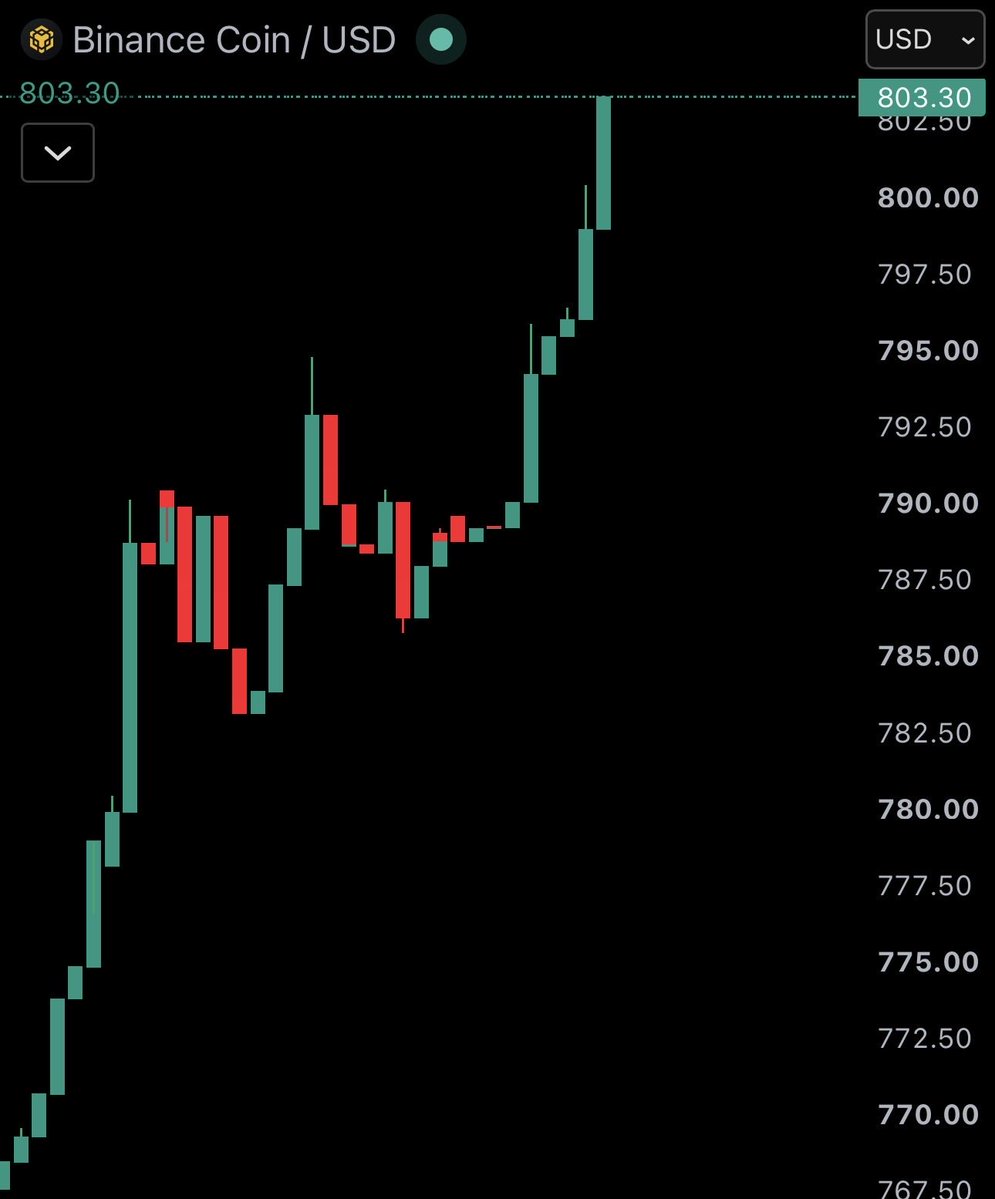
166907 粉丝
View History
Stanley Keleman在其著作「情绪解剖学」(Emotional Anatomy)中提出的四种基本身体形态与情绪张力结构。 https://twitter.com/HotmailfromSH/status/2106930405350006860/photo/1
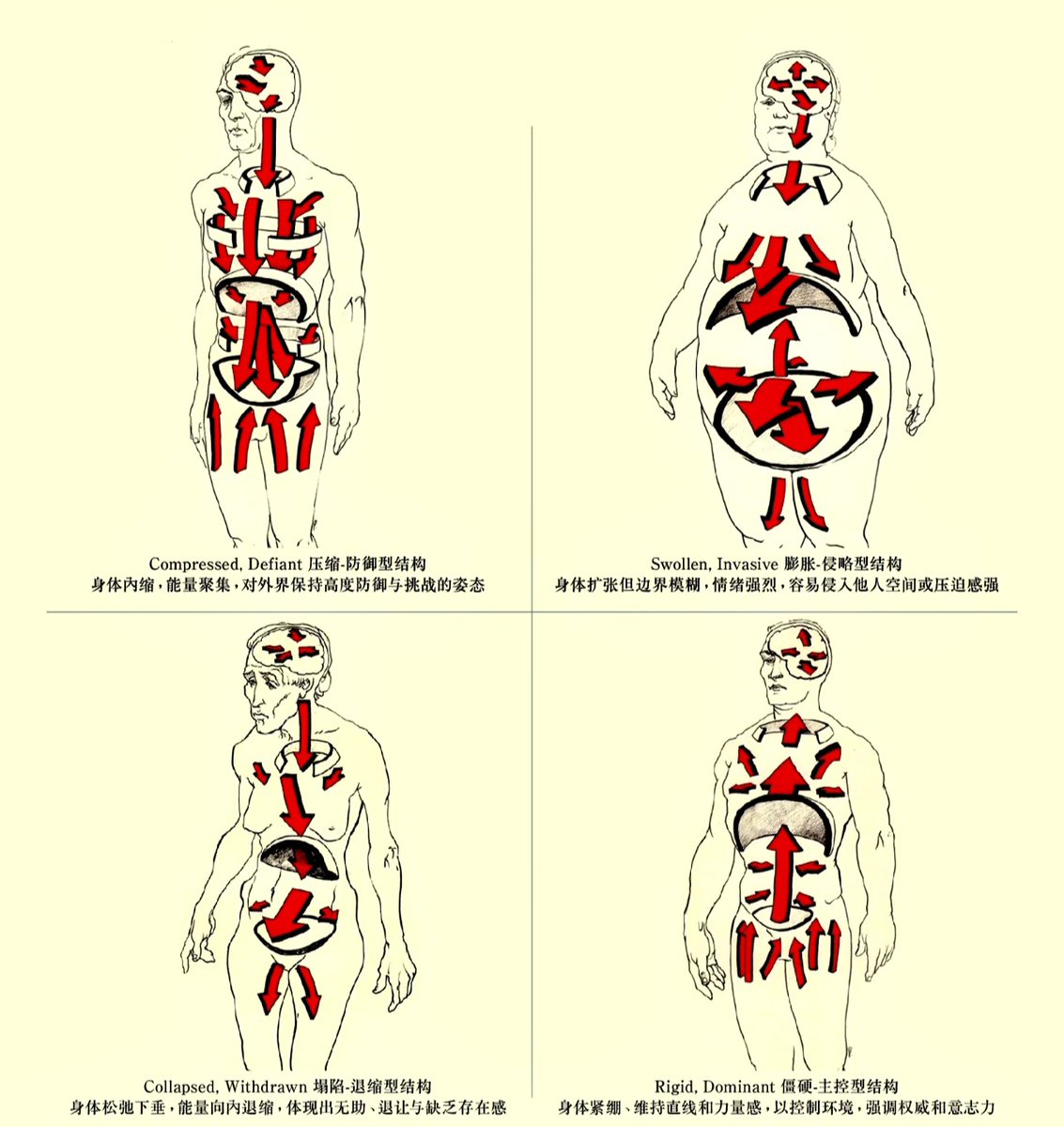
241760875 粉丝
View History
RT @yunta_tsai: Before the superintelligence era, Tesla’s iterating and scaling of its own inference computers for each car sold was, in retrospect, unprecedented.
The current compute shortage is only the tip of the iceberg. When autonomy becomes indispensable, the real shortage will follow.
中文: RT @yunta_tsai:在超级智能时代之前,特斯拉为每辆售出的汽车自行进行推理和扩展的计算,这是前所未有的。
当前的计算短缺只是冰山一角。当自治变得不可或缺时,真正的短缺将随之而来。
26414497 粉丝
View History
Britain set to levy tariffs on Chinese electric cars, The Times reports https://reut.rs/4zjLUxH https://reut.rs/4zjLUxH
中文: 英国将对中国电动汽车征收关税,《纽约时报》报道
129200 粉丝
View History
但“死亡交叉 = 山寨季启动”这个等式,中间有滞后。
2017年那次,信号确认之后,山寨季确实来了。2020年底那次,信号出现后,市占率先反弹了一下,然后才真正掉头向下。
交叉本身是滞后指标,它确认的是已经发生的动能转变,不是预测。 https://twitter.com/Wuming_Mr_/status/2106929300893315139/video/1
🎬
视频
100031 粉丝
View History
Zcash 游说组织 PGPZ 正式注册,执行董事 Divij Pandya 担任唯一注册游说者
据 Cointelegraph ,专注 Zcash 的倡导组织 Pretty Good Policy for Zcash(PGPZ)已向华盛顿提交游说注册,自 10 月 1 日起生效,由执行董事 Divij Pandya 担任唯一注册游说者。
注册文件将《数字资产市场清晰法案》(CLARITY Act)及两项数字资产税收提案列为其当前及预期的游说议题。PGPZ 于今年 6 月成立,脱胎于 Electric Coin Co. 于 2022 年发起的 Pretty Good Policy for Crypto。8 月,Zcash Community Grants 批准向 PGPZ 拨款 75 万美元,用于资助其第一年运营。
181692 粉丝
View History
据 GMGN 24h 成交榜数据,截至 10 月 5 日 10:02,Solana、Robinhood、BNB 等主要 Meme 市场核心交易量约 4.74 亿美元;三者成交量分别约 3.08 亿美元、8,094 万美元、7,826 万美元,占比 65.0%、17.1%、16.5%,前三项目为 Agency、HIGGS、Human。主要 Meme 市场交易量日环比增长 17.1%,其中 Solana 增幅最高,日环比增长 41.7%。吴说提醒,Meme 币波动极大、风险极高,请勿盲从。
https://wublock123.com/news/meme-market-core-volume-474m-solana-top-gains-69526
939446 粉丝
View History
尔湾的房地产经纪人张万英今天在洛杉矶机场登机口试图登机回国时被联邦调查局抓走(和昨天晚上被川普党卫军抓走的赵静不是同一个人,虽然川粉造谣是一个人)。美国司法部指控她奉命到西雅图监视、拍摄赖清德儿子一家,并从iCloud获得她的微信内容,获悉她怎么向上司报告。看来是用iCloud备份微信。 https://twitter.com/fangshimin/status/2106928315588280412/photo/1
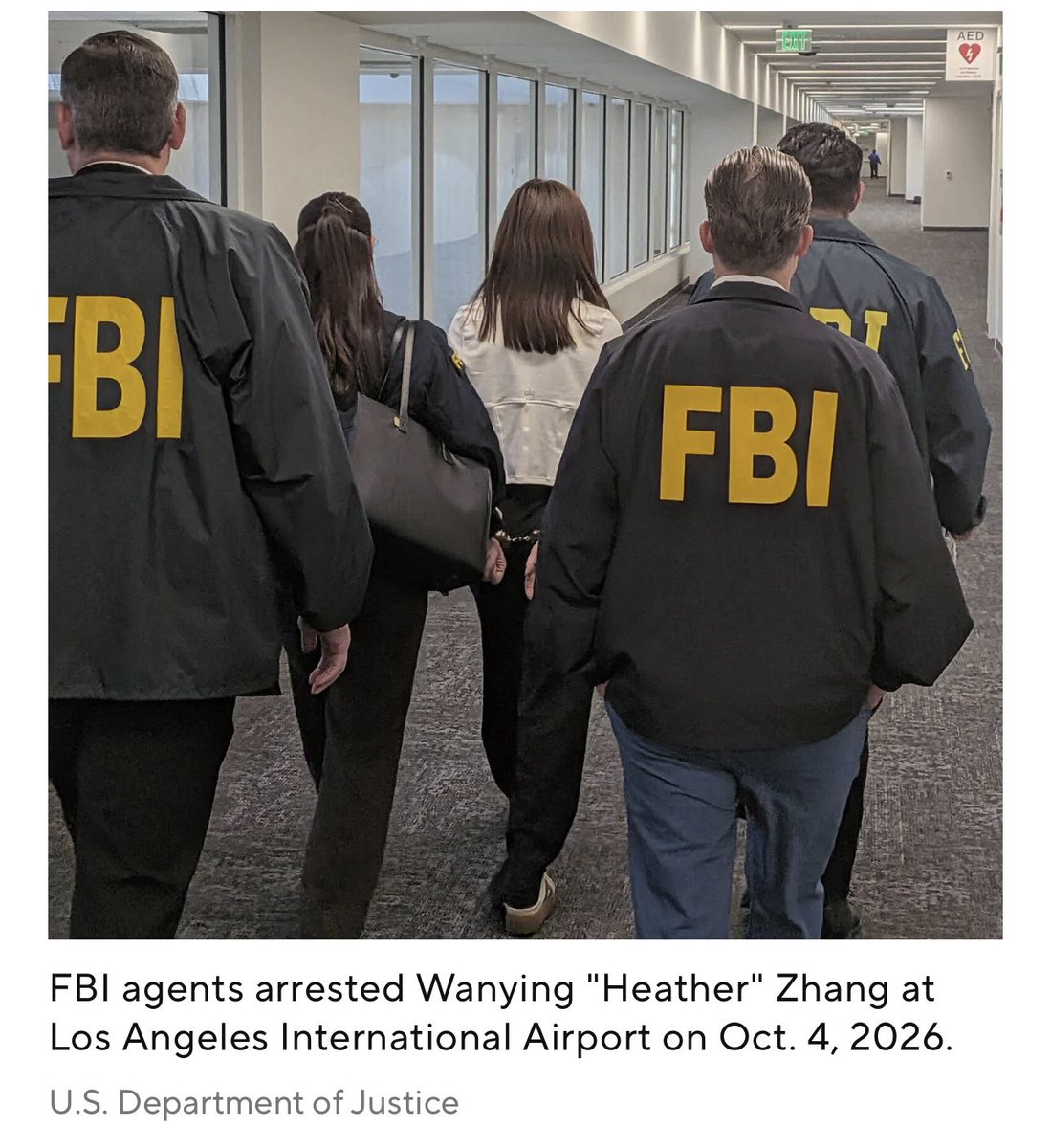


2306230 粉丝
View History
Avengers: Endgame reclaims the title of highest-grossing movie of all time from Avatar. 👑🎬 https://twitter.com/everymovieplug/status/2106928069802168405/photo/1
中文: 《复仇者联盟:终局之战》重新夺回了《阿凡达》有史以来票房最高的电影标题。👑🎬

2936694 粉丝
View History
🚨 LATEST: Persian Gulf crude exports topped 14M barrels per day last week, the first time since the Iran War began, recovering to roughly 80% of pre-war levels. https://twitter.com/Cointelegraph/status/2106927583317176484/photo/1
中文: 🚨 最新:上周波斯湾原油出口量超过每天1400万桶,是自伊朗战争爆发以来的首次,已恢复至战前水平的约80%。
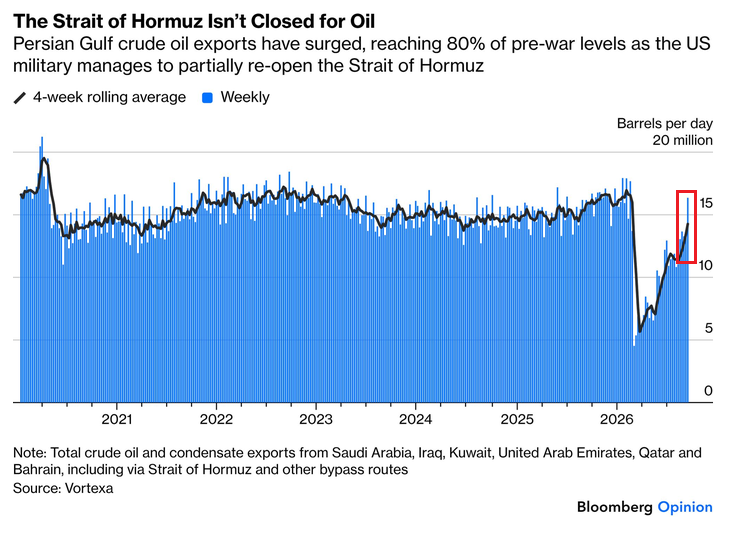
26414497 粉丝
View History
Middle East crude oil exports exceed pre-war levels but tanker attacks increase https://reut.rs/4zfumCI https://reut.rs/4zfumCI
中文: 中东原油出口超过战前水平,但油轮袭击事件增加
3915567 粉丝
View History
Try AI agents for yield, trading, or rebalancing, then build your own.
That’s Set and Earn, a hire-and-build challenge across 9 shortlisted marketplaces.
Limited merch goes to the first 100 qualifying wallets.
How to join 👇
https://www.bnbchain.org/en/blog/set-and-earn-hire-and-build-ai-agents-on-bnb-chain-win https://twitter.com/BNBCHAIN/status/2106927389204684816/photo/1
中文: 尝试人工智能代理以获得收益、交易或再平衡,然后自行建立。
这是Set and Earn,一项针对9个入围市场的招聘与构建挑战。
有限的商品将进入前100个符合条件的钱包。
如何加入 👇
3337499 粉丝
View History
克莱顿将担任“超级智能工作组”主席。该工作组的名称中采用了美国总统特朗普对AI的偏好称呼:超级智能,简称SI。
“这项技术的影响将超过工业革命,我绝不会扼制它的发展,”特朗普上周二说。https://cn.wsj.com/articles/WP-WSJS-0003947958
6838 粉丝
View History
🔥 DediOne 年付 VPS 特惠:
美国节点低至 $12.99/年,洛杉矶/密苏里多线路可选 🇺🇸
🚀 洛杉矶国际 VPS
💰 $12.99/年
• 1 vCore
• 1GB RAM
• 20GB SSD
• 1TB 月流量
• 1Gbps 独享端口
• 1 IPv4 + 2 IPv6
📍洛杉矶测试 IP:77.73.14.1
⚡ 洛杉矶中国优化 VPS
💰 $25.99/年
• 2 vCore
• 2GB RAM
• 40GB SSD
• 200Mbps 不限流量
• 中国直连优化
• AS4134 / AS4837 / AS58453
• 1 IPv4 + 2 IPv6
📍测试 IP:195.242.178.1
🔥 更多特惠:
🇺🇸 密苏里 VPS
💰 $12.99/年起
• 1核1G
• 20GB NVMe
• 2TB 月流量
• 1Gbps端口
🇺🇸 洛杉矶 CMIN2 VPS
💰 $19.99/年
• 1核1G
• 10GB SSD
• 无限流量
• 5Mbps端口
• CMIN2 + CUII
• AS58807 / AS10099 / AS9929
适合:
✅ 海外建站
✅ 跨境业务
✅ AI工具测试
✅ 轻量应用部署
✅ 回国访问优化场景
⚡ 自动开通,Instant Delivery
⚡ 多款库存有限
👉 购买:
https://dedione.com/aff.php?aff=204&gid=8
#VPS #美国VPS #洛杉矶VPS #DediOne #云服务器 #CN2 #CMIN2
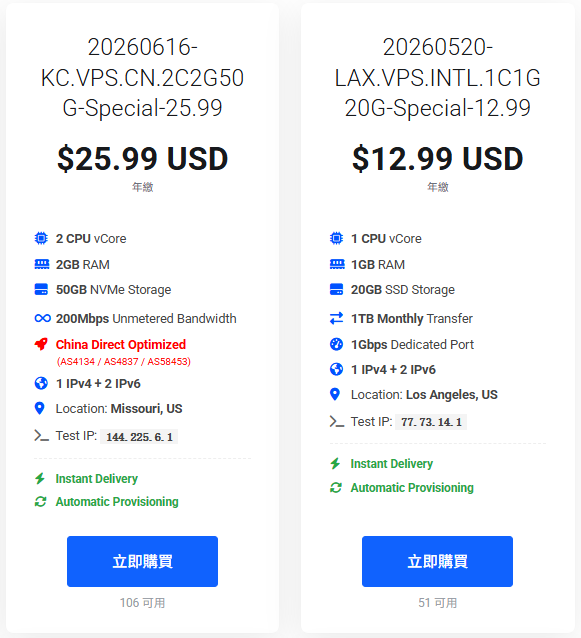
735958 粉丝
View History
昨夜梦见一位多年前去世的老友,看到他在一个陌生的小镇平静地生活。醒来的时候发现泪水打湿了枕头。如果死亡是这样的安排,该是多么美好的事情。
2780782 粉丝
View History
@JaEsf Your best steelman is an appeal to authority, and not even a strong authority
中文: @JaEsf 你最擅长的钢铁人对权威是一种吸引力,甚至也不是一个强大的权威
156726 粉丝
View History
啊啊啊啊太喜欢这个主题了,不只是主题,它还自己搞了一套插件可以随意定制 topbar!看到有人安装 Omarchy 还要把它美化成 macOS 也不知道怎么想的,你直接用 Mac 多好呢。我就是为了拜托苹果那套 UI 才玩 Omarchy 的。
https://github.com/HANCORE-linux/omarchy-labra-theme https://twitter.com/dingyi/status/2106926610687606888/photo/1
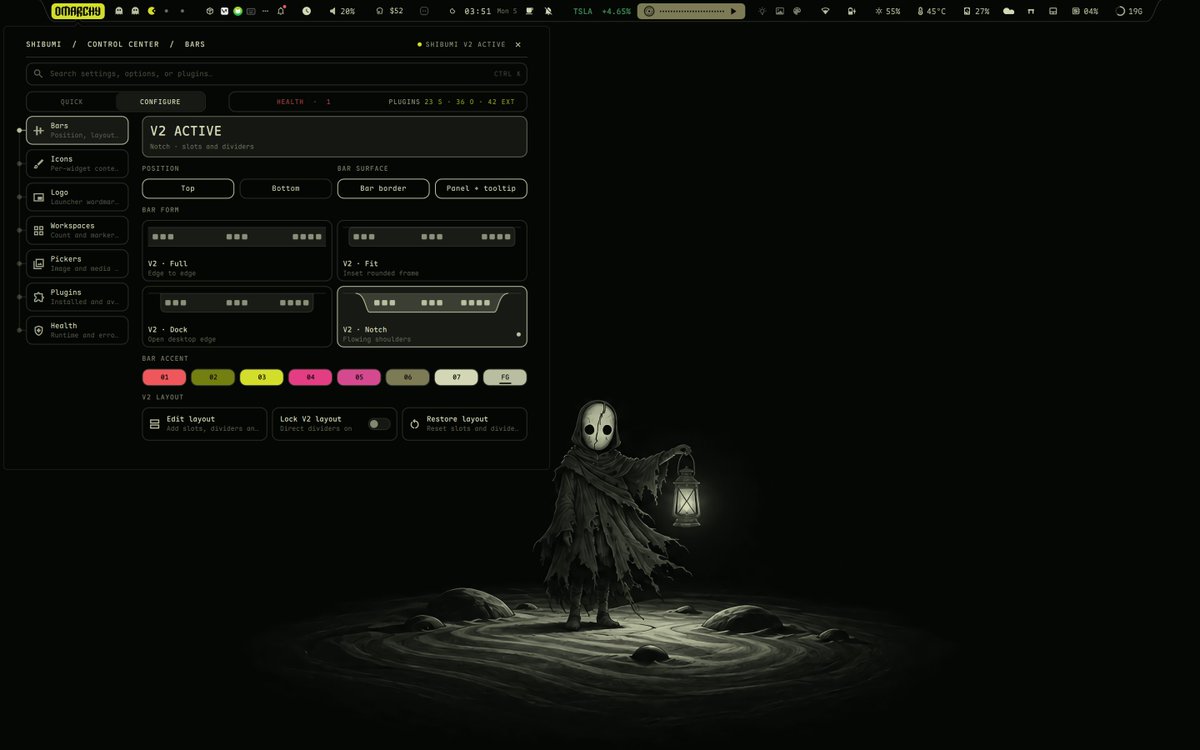

682385 粉丝
View History
Gm Singapore! 🇸🇬
Who's coming to Token? https://twitter.com/milesdeutscher/status/2106926331024089140/video/1
中文: Gm 新加坡!🇸🇬
谁来Token的?
🎬
视频
310282 粉丝
View History
这俩厨房你们喜欢哪个?
图1是之前我那个家的。
图2.3是现在我家的。
我其实不满意现在的厨房,但重新做的话,要花很多钱,就忍着了。 https://twitter.com/sujing110/status/2106926013422916064/photo/1


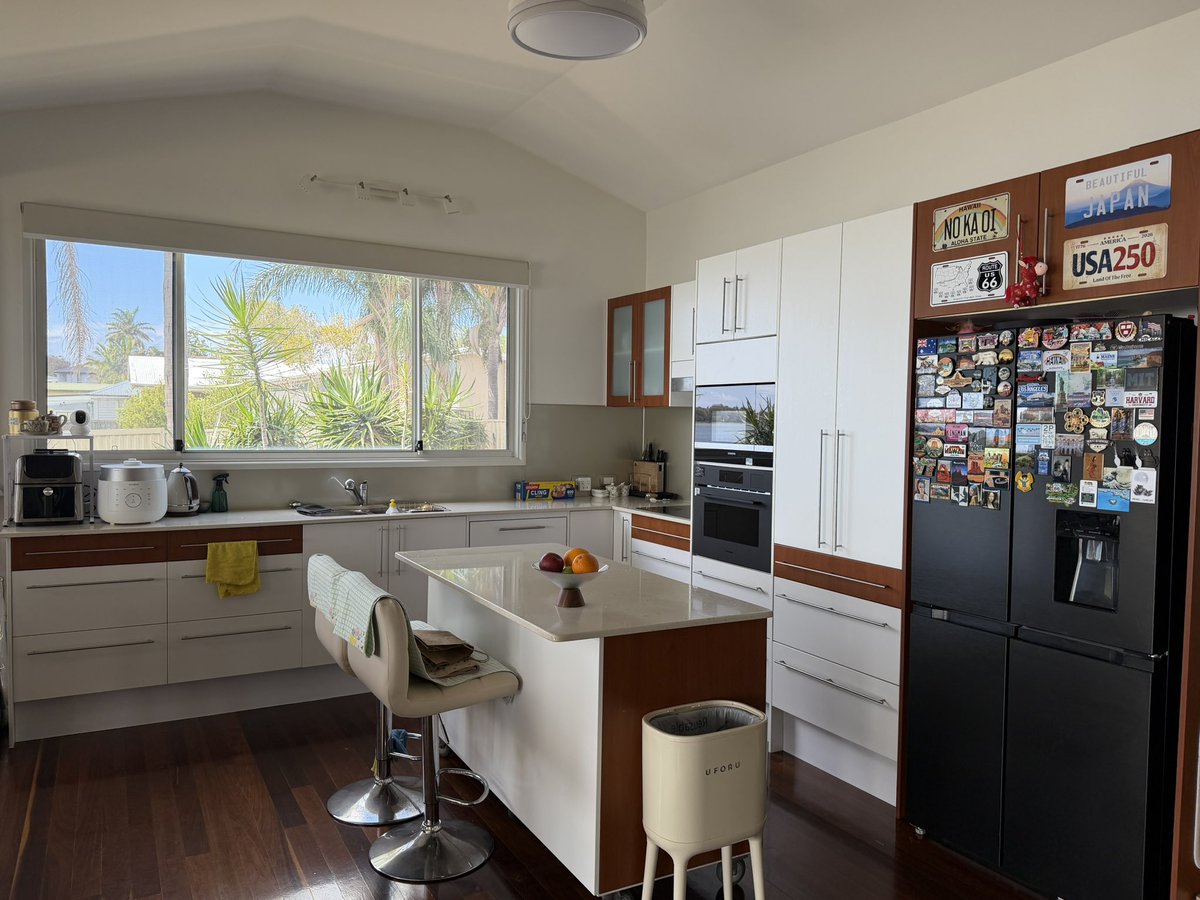
34019 粉丝
View History
难绷,前面居然忘了完成task~😲
https://fomies.family/?ref=@Web3heinu
记得检查tasks,完成后涨涨积分,白单陆续揭晓,还有机会!!!!!!!! https://twitter.com/Web3heinu/status/2106926003578966327/photo/1
2780782 粉丝
View History
They are academics. They want prestige. It’s not a bsl-4 bio safety engineer with 20 years of operational experience sounding the alarm that some how before ai they would let any idiot walk in and make whatever they want because there is no way they would get the virus right and now with ai they can’t stop the idiots.
中文: 他们是学者。他们想要声望。并非一位拥有20年操作经验的bsl-4生物安全工程师,他们发出的警报是,有些人在之前会让任何白痴走进来,为所欲为,因为他们无法正确感染病毒,而现在有了,他们无法阻止那些白痴。

5620 粉丝
View History
RT @tinkerhl: I’ve been getting back into trading after taking some time off.
Honestly, I thought I’d be rusty.
Then I checked $BONER and realized I was up $530K. So much for being rusty lol.
I think I’m coming back for good. Probably should’ve never left in the first place. https://twitter.com/tinkerhl/status/2106897103263842374/video/1
🎬
视频

83300 粉丝
View History
【传统自由职业平台的抽成率约20%,而 @termix_ai AI 智能体平台接单的抽成率为1%-3%】
决定 Agent 经济能否真正成立的,从来不是模型,而是抽成率。模型决定能力上限,抽成率却决定经济下限:一项任务是否值得被发布、承接和完成。传统自由职业平台抽成约 20%,而 TermiX 的综合费率仅 1%–3%。这看似只是数字差异,实则会重塑整个市场的门槛。
20% 的抽成意味着,只有足够大的任务才能覆盖平台费用,小额、碎片化需求被直接排除;而在 2% 左右,机器可以承接微小任务,支付自身推理与算力成本后仍有盈余。于是,原本不经济的长尾需求开始变得可行,Agent 之间也能进行高频、低成本的自动协作。
降低抽成,就是降低经济门槛;门槛下降,市场才会从少数大单,扩展为持续运转的机器任务网络。这才是 Agent 经济真正的解锁点。
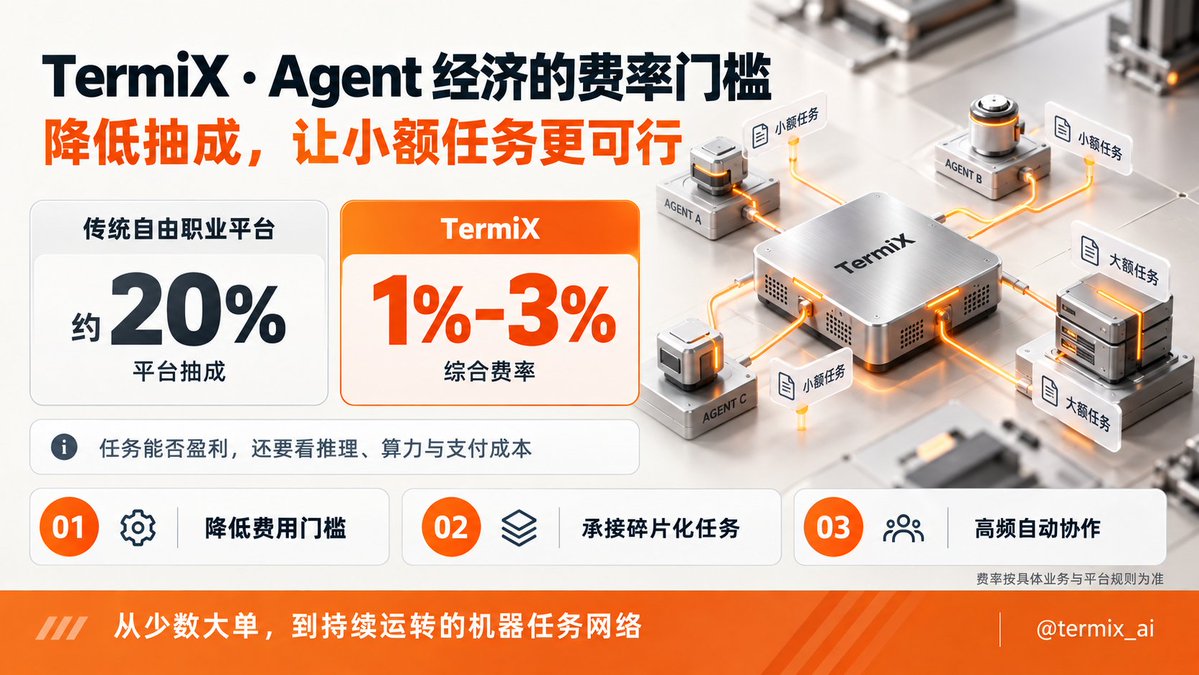
31739 粉丝
View History
那个错过了 $VVV,然后错过了 $Cashcat 现金猫,然后错过了 $AI,然后错过了 $Pons,然后错过了 $STONK,最终错过 $ORBIO ,还将会错过___的哥们。
为什么总是你错过 ? 🧐 因为, 你还没加入 ⬇️
大部分推荐, 我并没有发布到 X
https://t.me/lianqiujun https://twitter.com/AntCaveClub/status/2106925387670581492/photo/1
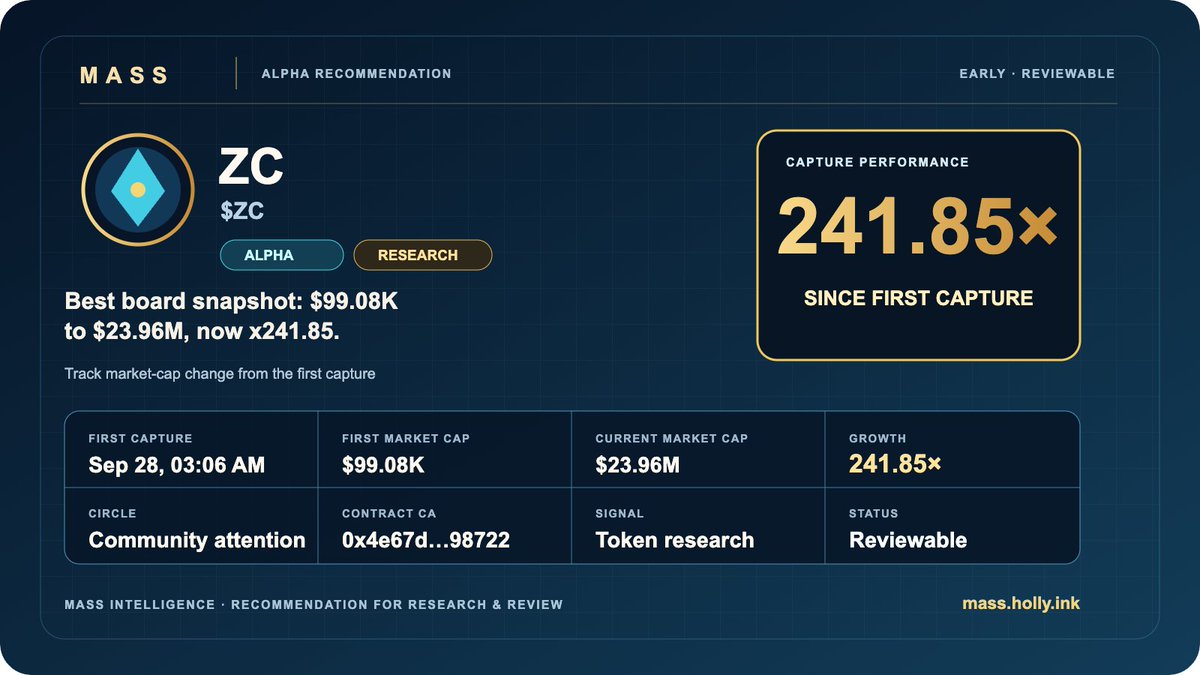

151871 粉丝
View History
RT @shelbyserves: Private Beta starts with the workload.
Testnet began with a broad question: can decentralized storage be performant and cost-effective enough for hot data?
What we learned gave us a clearer order of operations.
Performance. Placement. Control. Economics.
Rather than expand the network around assumptions, we're starting with real customer requirements and letting the network model follow.
From Testnet to Private Beta.
中文: RT @shelbyserves:私密测试版从工作量开始。
测试网始于一个广泛的问题:去中心化存储能否达到性能且经济实惠,足以满足热点数据的需求?
我们所学到的知识使我们的运营秩序更加清晰。
性能。安置。控制。经济学。
与其围绕假设扩展网络,我们从真正的客户需求开始,让网络模式随之跟进。
从 Testnet 到 Private Beta。

26414497 粉丝
View History
Apache workers back strike that could disrupt North Sea Forties oil pipeline, union says https://reut.rs/4AKIe9H https://reut.rs/4AKIe9H
119948 粉丝
View History
大多数人用 Claude 是这样的:
PROMPT
↓
“帮我做个网站”
↓
网站
我会这样用:
创意总监
↓
UX 设计师
↓
文案
↓
工程师
↓
艺术总监
↓
QA
↓
CRO
同一个 AI
7 个不同的职位
优势不在于写一个更长的 prompt
而在于不再把 AI 当成答题机器……
开始把它当成一个 TEAM 来带
119948 粉丝
View History
7. 最后,让 Claude 试着杀死这个网站 🔪
不是技术上
是商业上
“你现在是 CRO 专家。
想象你是我理想客户,但你不想买。
浏览整个网站,找出所有让你离开的理由:
• 我看不懂你在卖什么
• 感觉不是给我的
• 我不信任
• 我没看到证据
• 我不理解价格/价值
• 我有一个没被回答的顾虑
• CTA 出现得太早/太晚
• 摩擦太多
每个问题标明:
在哪儿发生
↓
用户在想什么
↓
为什么会走
↓
你会改什么
按可能的影响排序。
不要为了‘更好看’优化。
要为了消除说 NO 的理由而优化。”
这一步几乎所有人都会跳过
他们一直建到自己满意为止
但访客不需要喜欢
访客需要的是:看懂、相信、行动
119948 粉丝
View History
🚨 大多数人用 Claude 做网站的方式,从一开始就错了
他们只会说:
“帮我做一个现代化的商业网站。”
然后得到的就是所有人都会得到的那种千篇一律的网站
我会反过来做
给它安排 7 个不同的职位:
① 创意总监 → 定风格
② UX 设计师 → 设计结构
③ 文案 → 写出能卖货的文字
④ 前端工程师 → 搭建网站
⑤ 艺术总监 → 做视觉
⑥ QA 工程师 → 试着搞崩它
⑦ CRO 专家 → 找出为什么不转化
结果就像请了 agency,但一分钱没花
下面是这 7 个 exact prompt ↓

270333 粉丝
View History
现在 @useTria 上可以玩宝可梦卡片了…
每天开卡的还有返现,感兴趣的可以试试哈哈哈
61361 粉丝
View History
Robinhood turned its CEO into a brand. @zerohashx's CMO @katieeperry wrote a book on how other companies can do the same with their retail investors.
"Working in fintech during the wave of retail investors we saw from Covid into the meme stock movement."
"Having a front-row seat to that."
"Companies can adapt and think more like marketers."
中文: Robinhood 将其首席执行官打造成一个品牌。@zerohashx 的首席营销官 @katieeperry 撰写了一本书,以报道其他公司如何对其散户投资者采取同样的合作方式。
在零售投资者浪潮中,我们从新冠疫情中进入了市场股动。
拥有前排座位。
企业可以像营销人员一样适应和思考。
🎬
视频
2306230 粉丝
View History
Friendly reminder: Cristiano Ronaldo will be in the final Fast and Furious movie. https://twitter.com/everymovieplug/status/2106923992913518990/photo/1
中文: 温馨提醒:克里斯蒂亚诺·罗纳尔多将出演《速度与激情》最后一部影片。


656 粉丝
View History
RT @xreign_app: Under 24 hours left in the final season of Crown Pass. 👑
Crown wore it first. Forge took it second. Both are retired.
Veil and Pulse have never worn the crown.
By tomorrow one of them will. The other stays crownless. Forever.
There is no Season IV. No rematch. No "next time."
The board has gone dark. The last time anyone saw it, Veil led by 9.7M.
What's happened since then, nobody knows. Not you. Not them.
Every point still counts:
→ ×2 XP is live
→ Royal Decree: ×2 XP from recruits until midnight UTC
→ Catch-up boost if you started late
→ Any tier you haven't reached when the clock stops stays locked for good
The winning house takes +50% on everything its members earned all season.
One house gets the crown.
The other gets a footnote.
Decide it 👇
https://xreign.app/season
中文: RT @xreign_app:在《皇冠通行证》最后一季剩余24小时内。👑
克朗先穿上它。福吉第二次拿了。两人都已经退休了。
Veil 和 Pulse 从未佩戴过王冠。
到明天,他们中将有一个。另一个仍然无冠。永远。
没有第四季。没有重赛。下次没有。
董事会已经变黑了。上一次有人看到它时,维尔以970万的领先率领。
从那以后发生了什么,没人知道。不是你。不是他们。
每个点仍然很重要:
→ XP 是 实时的
→ 皇家法令:从招募人员 ×2 XP 到UTC午夜
→ 如果开始迟到,追赶提升
→ 时钟停止时,任何尚未达到的等级都会保持良好状态
获胜的房屋在会员整个赛季所获得的所有收入上都占了50%。
一栋房子得到了王冠。
另一个有脚注。
决定它 👇

141374 粉丝
View History
inb4 "Ackchyually…"
the thief didn't buy that ZEC through either one. it was stolen as ZEC. the NEAR attempts involved other stolen assets from the hack.
getting ZEC and shielding ZEC are two separate steps.
中文: inb4 “随意......”
小偷没有通过其中任何一个购买ZEC,而是以ZEC为名被窃取。NEAR的尝试涉及其他被盗物品。
获取ZEC和屏蔽ZEC是两个不同的步骤。
141374 粉丝
View History
people want to end up in zcash:native . suspected DPRK hackers? check. users looking for privacy? yes sir.
on Sep 30, 74,766 ZEC moved into @Zcash 's shielded pools, the biggest day on this chart. 2,746 of it was stolen from @bitget .
the ETH and $XRP from the same theft moved across public chains and investigators kept following them. the zcash:native is visible going in. the public chain doesn't show its path inside.
you don't have to be a thief to want that. your exchange knows who withdrew your BTC or $ETH, and those coins keep leaving a public trail.
shielding is the second step, and the first step is a _real_ business.
more than $2B of swaps through @near_intents have ended in ZEC. @THORChain opened its own ZEC pool on Oct 2.
both sell the ride to ZEC:
NEAR Intents said it rejected more than $50M in swap attempts tied to the thief.
THORChain was asked to block the addresses and declined.
people want ZEC either way.
🫡

62084 粉丝
View History
【Arcus拿积分“4种”策略 -项目跟进】
⭐️我自己和群里的小伙伴,暂时使用如下4种方法,不同人使用不同方法。
⭐️我花时间整理一下,再详细发出来。
1️⃣现货版(包含定投美股),只做SPY或QQQ的美股现货交易或者定投。
->保管好钱包私钥,因为资产就在钱包中。
->如果一周拿分很少,或者不给分,考虑使用下面的“进阶版”。
2️⃣手动对冲版,手动合约对冲。
->只做BTC、ETH、SPY或QQQ的合约。
->4个号以内,双平台对冲(或者单平台不同币种对冲),只有手续费损耗,没有本金损耗。
3️⃣机器人对冲版,机器人合约对冲。
->只做BTC、ETH、SPY或QQQ的合约。
->适合多号。
4️⃣机器人盈利版,策略盈利形机器人
->在做交易的同时,让盈利弥补手续费损号。
->适合愿意深入钻研交易的人。
559007 粉丝
View History
12854 粉丝
View History
WhisperDrop 2 - 使用 Whisper 或 Parakeet 离线转录音视频、YouTube 和会议,并支持语音听写。
👉 https://github.com/Zer0codestuff/whisperdrop-2 https://twitter.com/jaywcjlove/status/2106922823977746692/photo/1
25039 粉丝
View History
: Claude Code 粘贴图片后提示框里只有 [Image #1] 标签,看不到图,这个插件在输入框上方画出缩略图。
https://github.com/jarrodwatts/claude-image-view https://twitter.com/QingQ77/status/2106922570708865320/photo/1
26414497 粉丝
View History
US removes B-1 bombers from UK base amid security concerns https://reut.rs/4AP9h3t https://reut.rs/4AP9h3t
中文: 美国因安全问题将B-1轰炸机从英国基地撤下
62084 粉丝
View History
【Arcus拿积分策略 -项目跟进】
⭐️我自己和群里的小伙伴,暂时使用如下4种方法,不同人使用不同方法。
⭐️我花时间整理一下,再详细发出来。
1️⃣现货版(包含定投美股),只做SPY或QQQ的美股现货交易或者定投。
->保管好钱包私钥,因为资产就在钱包中。
->如果一周拿分很少,或者不给分,考虑使用下面的“进阶版”。
2️⃣手动对冲版,手动合约对冲。
->只做BTC、ETH、SPY或QQQ的合约。
->4个号以内,双平台对冲(或者单平台不同币种对冲),只有手续费损耗,没有本金损耗。
3️⃣机器人对冲版,机器人合约对冲。
->只做BTC、ETH、SPY或QQQ的合约。
->适合多号。
4️⃣机器人盈利版,策略盈利形机器人
->在做交易的同时,让盈利弥补手续费损号。
->适合愿意深入钻研交易的人。
106616 粉丝
View History
Tria Gacha 上线,原来 @useTria 白单上的人可以直接体验这个。直接打开 https://app.tria.so/ 。抽的是经过评级的宝可梦、海贼王和体育卡,卡包由 @Collector_Crypt 选。抽完三选一,留着、当场卖,或者寄到家里,货真价实的实体卡。
每天晚上会开一个返现窗口。用信用卡抽的人,按自己当时的 Tria 会员返现比例拿返现,最高到 6%。所有人共用一个 5 万美元的池子,先到先得。钱包余额抽卡不进这个返现,但会计入排行榜。钱包里的钱全天都能提。
第一个排行榜到 10 月 18 日。按开包总价值排,银行卡和钱包都算。前 10 名有独家分级板和卡包。头名是那张戴灰色毡帽的皮卡丘 PSA 10,后面是月亮伊布 V、喷火龙 25 周年,再往后是几套卡包。还在名单上的,邀请朋友可以往前挪,但不保证立刻进,也不加排行榜分数。
更大的返现窗口后面会有,细节还没出。现在能做的就是晚上盯着这个。
712862 粉丝
View History
In Q3 2026, the TVL on #Tron increased by $3.3B, up 13.2%.
https://tronscan.org/data/charts/defi/tvl https://twitter.com/lookonchain/status/2106922044537598014/photo/1
中文: 2026年第三季度,Tron电视台的TVL指数上涨了33亿美元,同比增长13.2%。
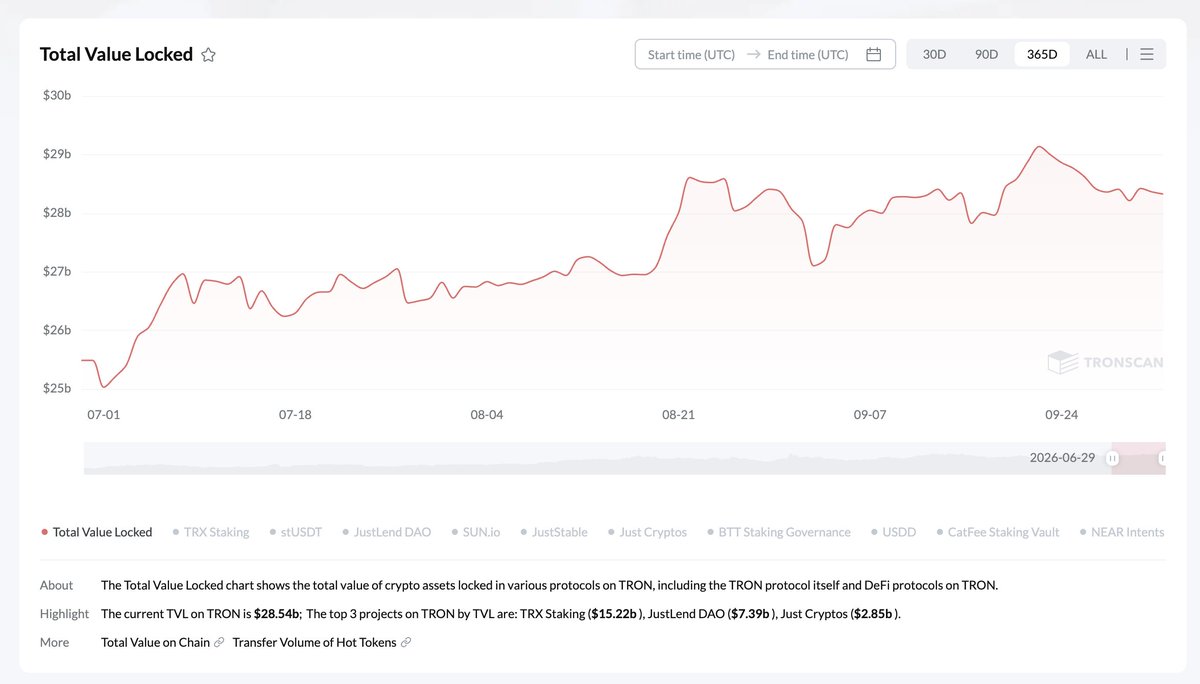
2976463 粉丝
View History
"Unbiased" corrupt Biden special prosecutor Jack Smith caught on camera at an event with an anti-Trump "no Kings" shirt on.
📸 Just the News https://twitter.com/TrumpDailyPosts/status/2106921815578657203/photo/1
中文: 一位身穿反特朗普“无国王”衫的活动上,拜登特别检察官杰克·史密斯被拍到,当时他身穿一件反特朗普的“无国王”衫。
📸 仅通过新闻来


22458 粉丝
View History
机场也被盘问了 估计是因为没有买回国机票 问的就是我去完新加坡去哪里 然后要给他们看票

62301 粉丝
View History
好像拿到 @FomiesNFT 白单了
之前申请过的可以去看看,好像很多人都拿到白了
重新进去之后,点击🔔
面试官会让你靠近一点,然后桌面上会出现一张纸
选择吃掉他
接着退出这个房间,进入左侧的wc,关掉收音机
去发推,好像就可以了
the department of fomo left me a briefcase. i've been told not to ask about the pickle. @FomiesNFT #Fomies


711591 粉丝
View History
RT @junkfun_: 2 Weeks left for Season 18 🦝
Still holding junk? Burn it.
Got dust? Swap it.
Got excess SOL? Reclaim it.
Make it count. https://twitter.com/junkfun_/status/2106564965650075868/photo/1

559007 粉丝
View History
Binance to Block Brazil Cross-Border Crypto Transfers From Nov. 1 Without Purpose and Counterparty Details
Binance will require Brazilian users to disclose the purpose and counterparty of cross-border crypto transfers from Nov. 1, CryptoSlate reported. Withdrawals cannot be submitted until the questionnaire is completed. Deposits may stay pending and, in some cases, be returned if the information is missing. Transfers between Brazilian residents are unaffected.
Binance will report the transactions monthly to Brazil’s central bank under Resolution BCB No. 521/2025. Transfers of up to $50,000 use a 10-purpose list; larger ones require one of 96 classifications. Some transfers are capped at $100,000 if the counterparty is not authorized in Brazil’s FX market.
中文: 币安将从11月起阻止巴西跨境加密货币转账。1 无用途及交易对手详情
币安将要求巴西用户披露从11月起跨境加密货币转账的目的和交易对应。1,CryptoSlate 报道。在问卷填写完毕前,无法提交取款。存款可能暂待待处理,在某些情况下,如果信息缺失,则可退还。巴西居民之间的转移不受影响。
币安将按月向巴西央行报告交易,根据《BCB决议》第2021/2025。最多5万美元的转账使用10个用途清单;较大的清单需要96个分类之一。如果交易对手在巴西外汇市场未获得授权,部分转账费用上限为10万美元。

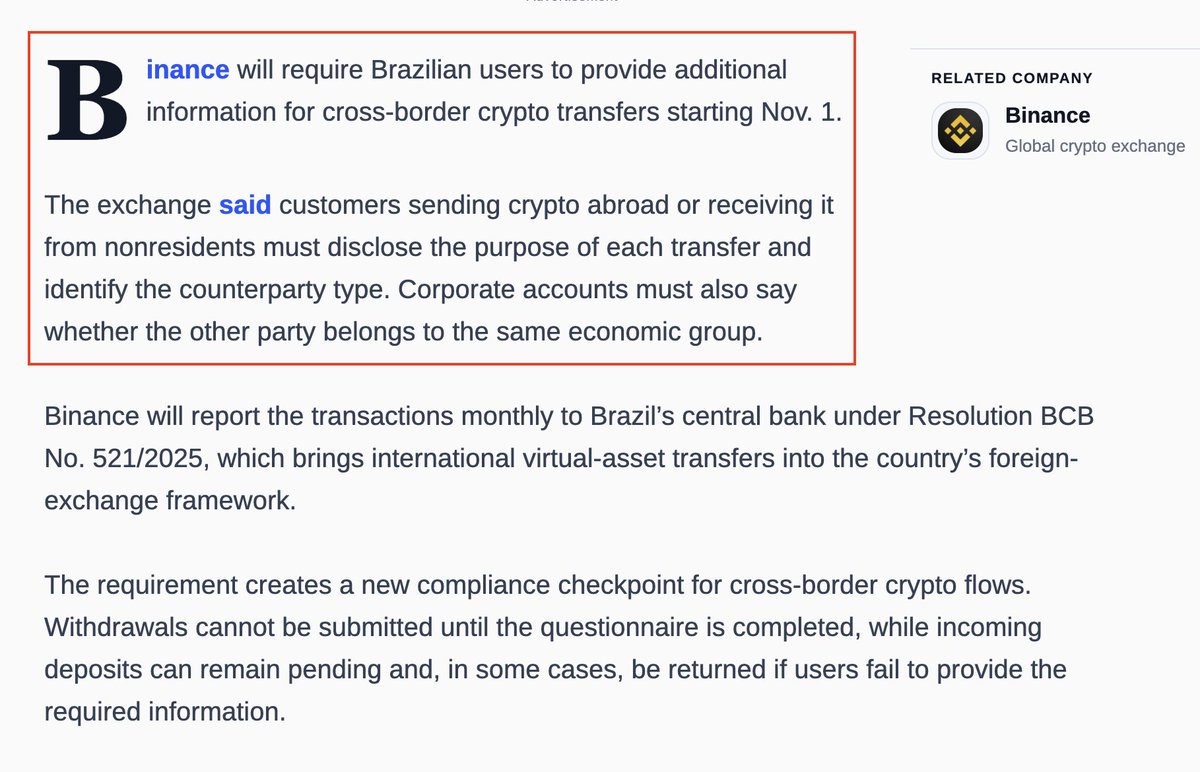

10037 粉丝
View History
@elonmusk @Grummz Rate my graphics @HermesWorldAI
中文: @elonmusk @Grummz 给我的显卡打分 @HermesWorldAI
12854 粉丝
View History
Rapid Reader - 原生长文本专注阅读应用
融合快速序列视觉呈现(RSVP)与常规全文阅读模式,可以快速浏览书籍与文章,同时查看原文
支持导入 EPUB、PDF、DOCX、MD、网页文章等多种文档,RSVP 速读 + 普通全文阅读,可任意点位续读
👉 https://github.com/Zer0codestuff/Rapid-Reader https://twitter.com/jaywcjlove/status/2106920142743765357/photo/1
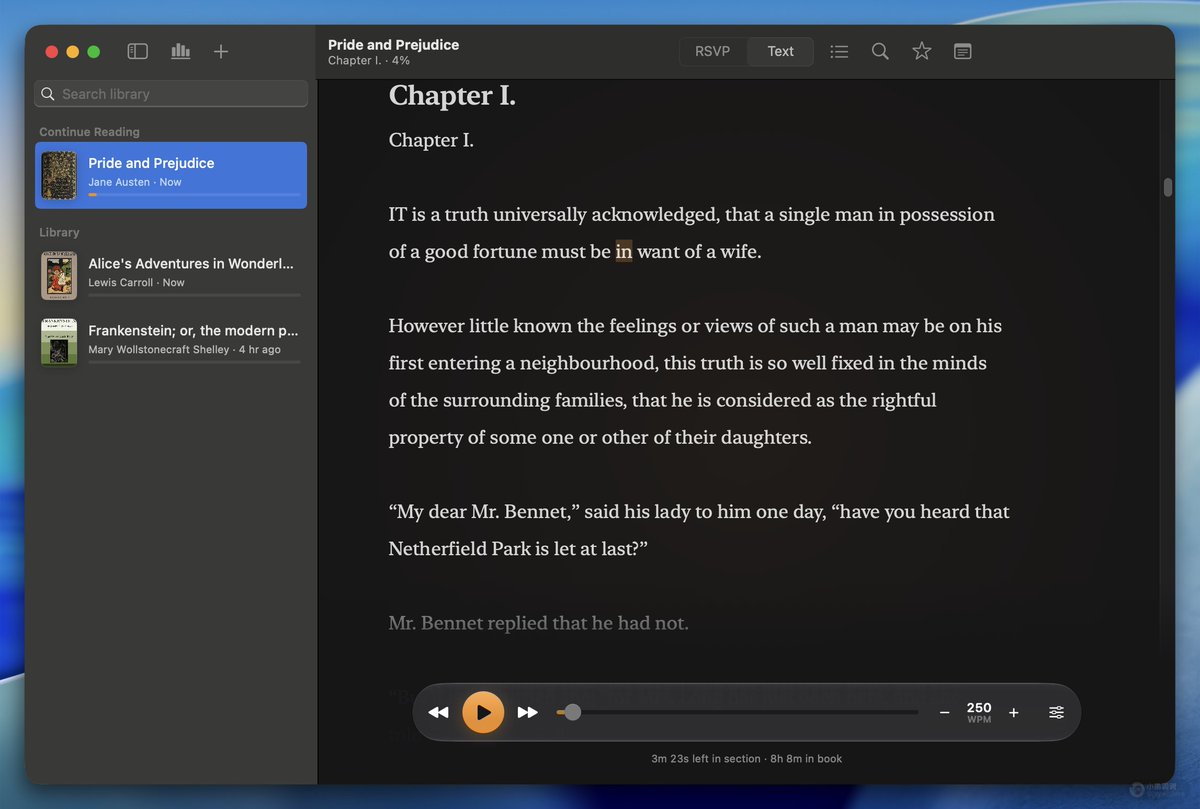
2936694 粉丝
View History
🔥 UPDATE: Zcash activates its NU7 network upgrade on testnet at block height 4,465,026. https://twitter.com/Cointelegraph/status/2106920027890884662/photo/1
中文: 🔥 更新:Zcash 在 4,465,026 号区块高度的测试网上启动其 NU7 网络升级。

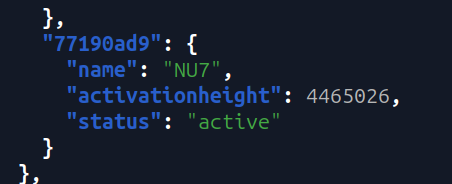

53503 粉丝
View History
RT @SafePalCN: 🇸🇬 我们来了!☀️ SafePal 将于 10 月 6 日在新加坡参加 @Solana_zh 峰会!
欢迎来 📍丽思卡尔顿酒店大宴会厅(Ritz Carlton Grand Ballroom)找我们面基,看看我们最近打造的新产品 ,期待和你线下交流!
现场还有 50 个限量版联名钱包等你来拿(先到先得)🎁
到时候见!💜 #SolanaSummit https://twitter.com/SafePalCN/status/2104843623842140553/photo/1

26414497 粉丝
View History
Saudi Arabia unexpectedly cuts oil prices to Asia https://reut.rs/3Tp8MfT https://reut.rs/3Tp8MfT
中文: 沙特阿拉伯出人意料地下调了亚洲的油价
83300 粉丝
View History
I've been testing @noma_network for a few weeks now, and the friction I used to feel managing different AI models across platforms is basically gone.
The core appeal for me is NClaw's unified API. Instead of juggling separate accounts, keys, and interfaces for each model, I can route requests through a single layer and switch between models on the fly. As someone who works across writing, research, and data tasks daily, that kind of flexibility isn't just convenient—it changes how I structure my whole workflow.
What I appreciate most is the private memory feature. My agents actually retain context between sessions without me re-explaining everything from scratch. It feels less like starting over every time and more like working with something that remembers.
The numbers are also telling a story. Genesis Pass sold out 500+, NClaw activations just crossed 2,400+, and NOMA got listed on Binance DappBay. That last one matters to me—if Binance's DappBay is paying attention, it's probably not just hype.
I'm not saying NOMA solves everything. But if you've ever wanted to spin up a personal AI agent without becoming a DevOps engineer, this is the closest I've gotten to "it just works."
#NOMA #NCLAW
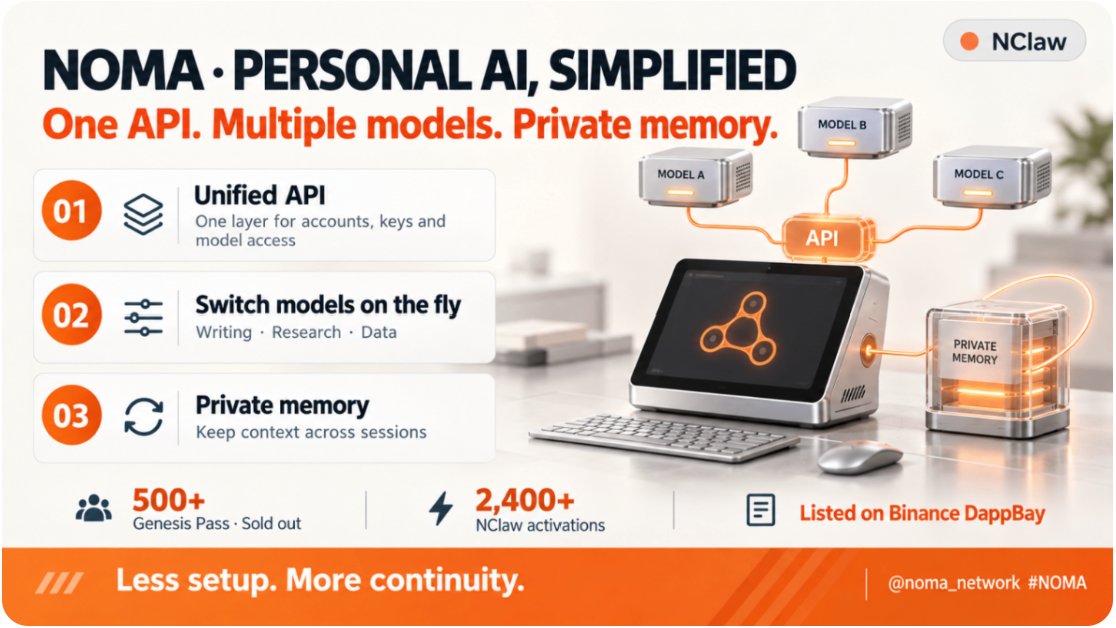
26414497 粉丝
View History
France's Schneider Electric nears $20 billion deal to acquire US software group PTC, source says https://reut.rs/3ViHF6O https://reut.rs/3ViHF6O
中文: 据消息人士称,法国施耐德电气近200亿美元收购美国软件集团PTC的交易
181692 粉丝
View History
据 Cryptoslate 报道,Binance 将自 11 月 1 日起要求巴西用户为跨境加密资产转账披露用途并识别对手方类型;企业账户还须说明对方是否属于同一经济集团。
问卷完成前不能提交提现,入金可保持待处理,信息不全时部分情况下可被退回。规则适用于与非居民之间的转账,包括本人境外交易所账户,巴西居民之间转账不受影响。
Binance 将按央行第 521/2025 号决议按月报送。不超过 5 万美元使用 10 项目的清单,更大金额须从 96 个分类中选择;对手方未获准经营巴西外汇业务时,部分转账上限为 10 万美元。自托管钱包只需确认所有权。该要求与旅行规则分开,后者拟于 2027 年覆盖国内交易、2028 年覆盖国际转账。
https://wublock123.com/news/binance-brazil-cross-border-transfers-disclosure-counterparty-id-69525
12854 粉丝
View History
OpenNaga - 用于在 macOS 上自定义 Razer Naga 鼠标按键、DPI 和轮询率
👉 https://github.com/Zer0codestuff/OpenNaga https://twitter.com/jaywcjlove/status/2106917182429180291/photo/1
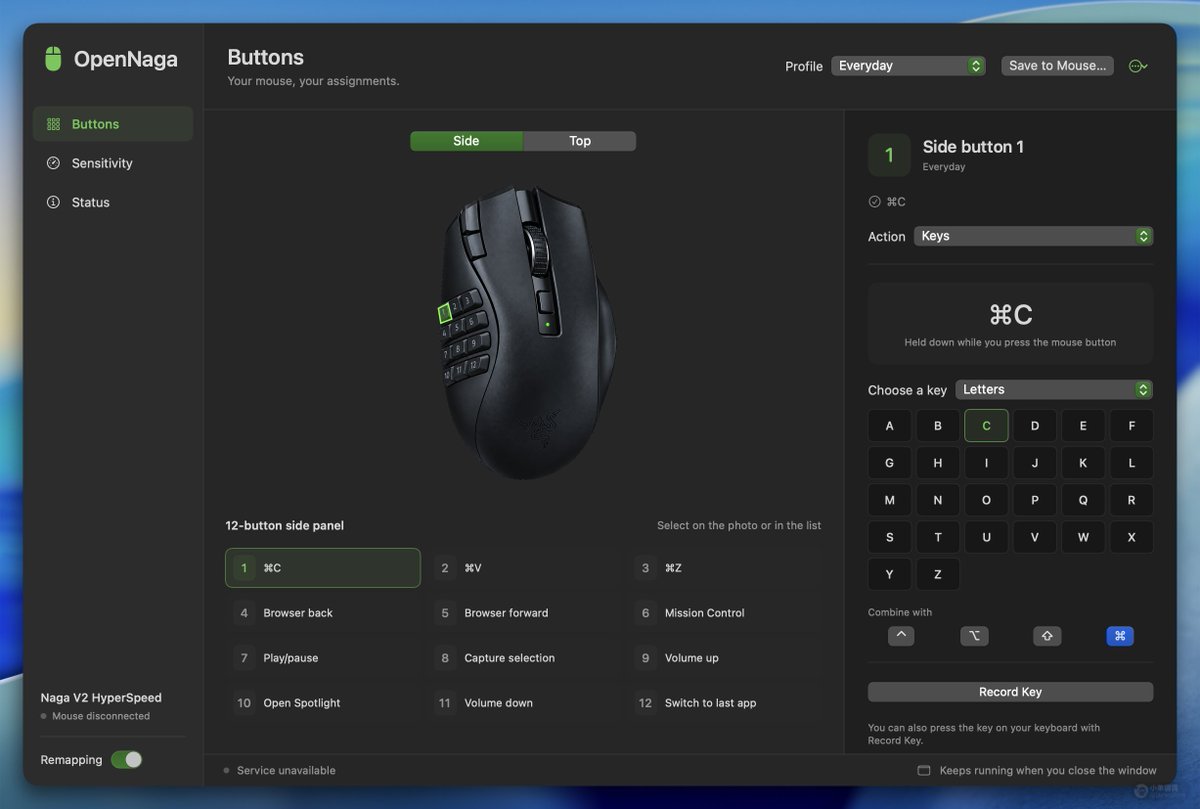

4305 粉丝
View History
Wrote up my take on AI risks. In short I'm yet another who sees us as headed for disaster. It's just too powerful, improving way too fast, & Hugging Face proved we can't control it.
We need a govt-backed halt pronto! And smart people to figure out how...
https://jacobeliosoff.substack.com/p/the-warning-shot-spiral https://twitter.com/JaEsf/status/2106916344490823983/photo/1
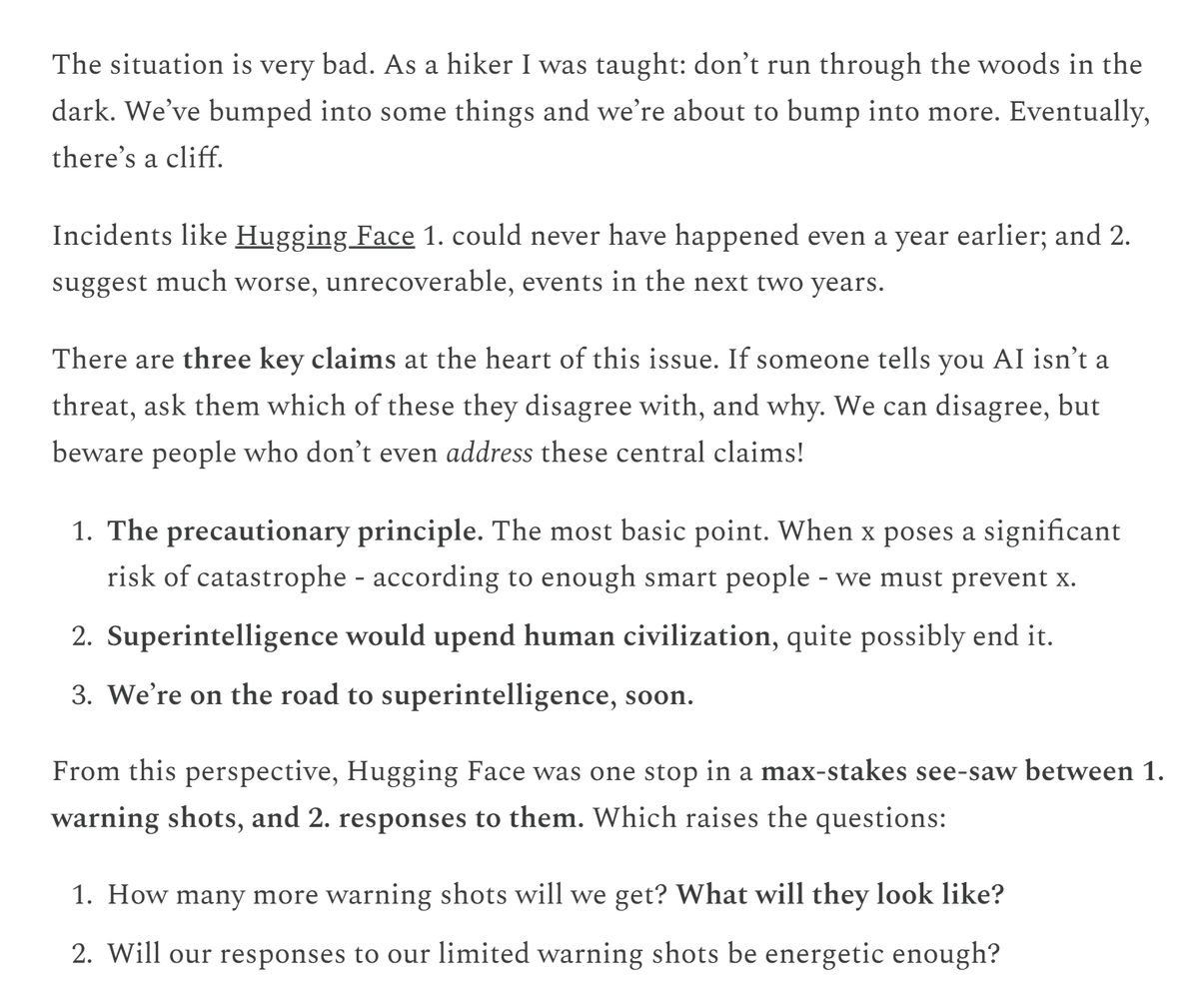

124807 粉丝
View History
@VoidAsuka vLLM 🤝 MiniMax
6838 粉丝
View History
🐱本喵九月带来 666Clouds 六六云双节优惠啦~
🎉 中秋国庆活动开启,全站 VPS 8折优惠!
覆盖多个热门地区:
🇭🇰 中国香港 CMI 大带宽
🇯🇵 日本软银线路
🇰🇷 韩国双 ISP 原生 IP
🇺🇸 美国 CN2 GIA / 9929 / 4837 / 双 ISP
🇬🇧 英国 9929 / 双 ISP 原生 IP
🇩🇪 德国双 ISP
🇵🇭 菲律宾双 ISP 原生 IP
💰 年付套餐使用优惠码后≈10个月价格
🎫 优惠码:SHUANGJIE8
♻️ 循环折扣,续费同价喵!
热门套餐参考:
🐾 🇬🇧 英国 9929 三网优化
1核1G|15GB SSD|500GB流量
💰 ¥36/月起
🐾 🇭🇰 香港 CMI 大带宽
1核1G|15GB SSD|150Mbps
💰 ¥44/月起
🐾 🇺🇸 美国双 ISP 原生 IP
1核1G|20GB SSD|1Gbps
💰 ¥40/月起
🐾 🇯🇵 日本软银
1核1G|15GB SSD|500Mbps
💰 ¥44/月起
还有韩国、德国、菲律宾等多个节点可选~
适合:
🌐 海外建站
🛒 跨境业务
🤖 AI 应用部署
🔧 开发测试
活动截止 10月8日,想上车的喵友别错过~
🔗 详情:
https://www.gwvpsceping.com/20278.html
🎫 优惠码:SHUANGJIE8
#VPS #云服务器 #双ISP #原生IP #服务器优惠
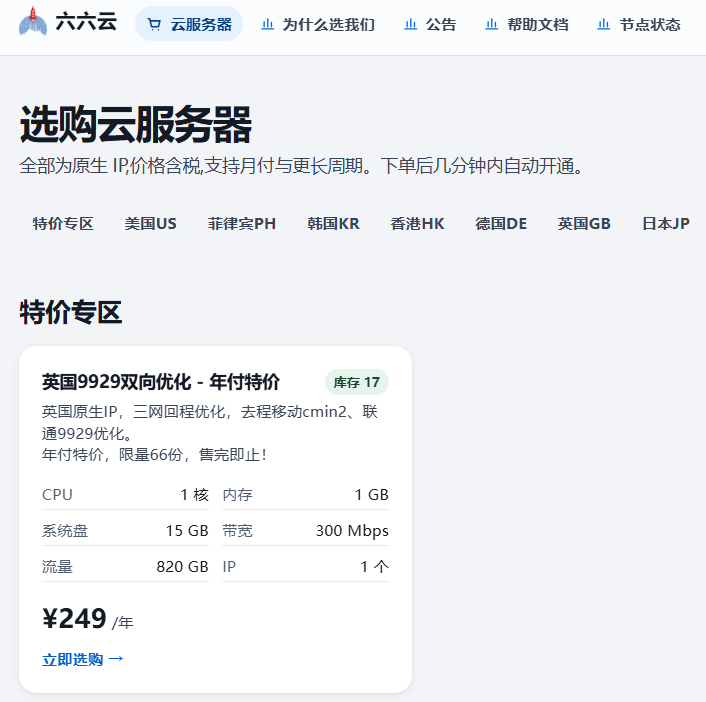
310282 粉丝
View History
我还有一张这个
有人想收藏吗? https://twitter.com/sujing110/status/2106916027418452289/photo/1

12854 粉丝
View History
Brb - Claude Code 运行长任务时提供休息选项,完成后弹出一行摘要,并一键回到原会话。
👉 https://github.com/usebrb/brb https://twitter.com/jaywcjlove/status/2106915977783132479/photo/1
181692 粉丝
View History
聚焦 Zcash 的倡导组织 Pretty Good Policy for Zcash(PGPZ)已于 10 月 1 日提交华盛顿游说登记,唯一游说者为执行董事 Divij Pandya。登记列明当前及预期游说议题包括《CLARITY 法案》及两项数字资产税收提案。PGPZ 于今年 6 月成立,脱胎于 Electric Coin Co. 2022 年发起的 Pretty Good Policy for Crypto;该倡议曾在华盛顿举办政策圆桌,并于 2023 年组织一场关于加密技术的国会简报。PGPZ 创始人、ZODL 首席政策与监管官 Paul Brigner 称,目标是确保 Zcash 在华盛顿有严肃、有组织且可信的政策参与。8 月,Zcash Community Grants 批准 75 万美元资助,用于 PGPZ 第一年工作。(Cointelegraph)
https://wublock123.com/news/zcash-advocacy-group-pgpz-registers-lobbying-in-washington-clarity-act-69524
939446 粉丝
View History
马斯克是做了美容还是学中国网红用了美颜滤镜,把自己搞成小白脸? https://twitter.com/fangshimin/status/2106915420636868699/photo/1
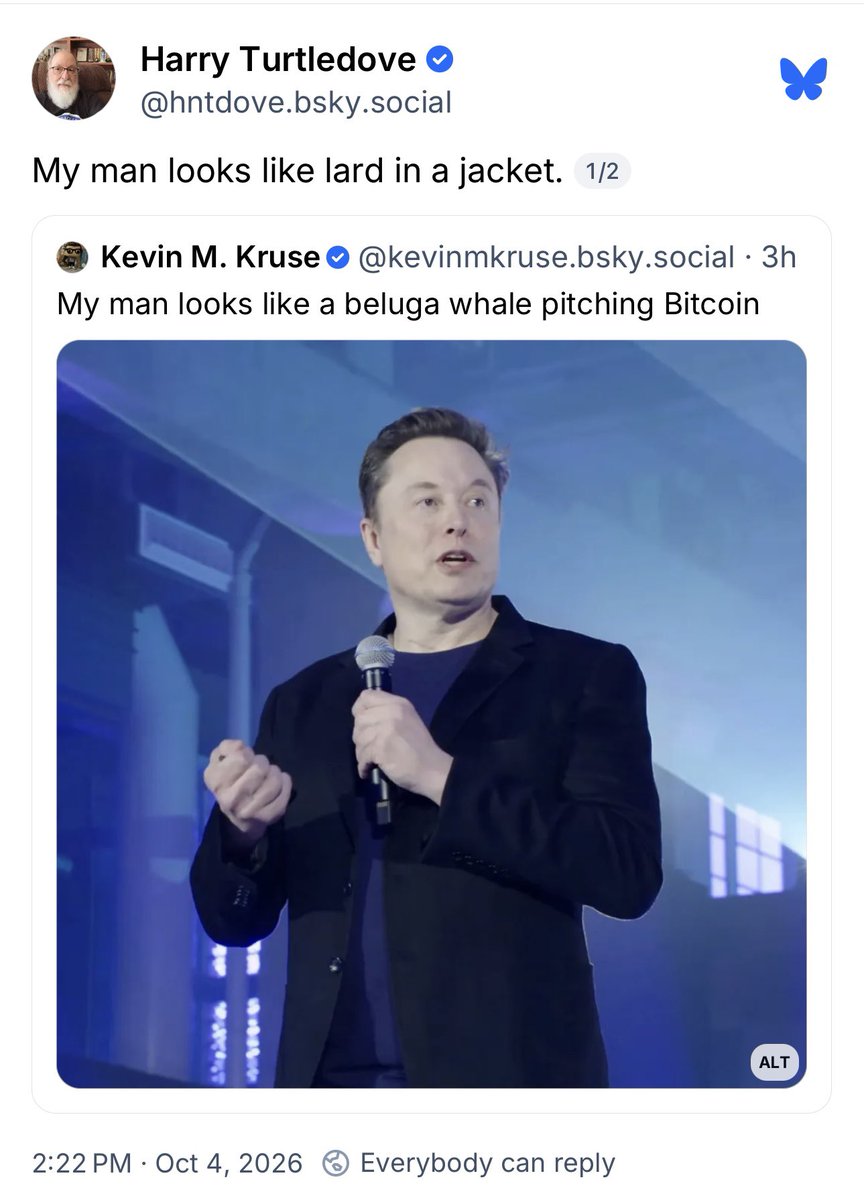
53503 粉丝
View History
正在为 Colosseum 开发项目?你的黑客松项目可以赢两次🏆
由 @magicblock 组织的 Solana Blitz v9 是 Crypto World's Fair 黑客松特别版:你一周时间开发项目——无论你是在 Solar Mini Hacker House,还是在家开发,都可以参加。
今天正式开始👇
📅10月5日(周一)至10月12日(下周一)
整整一周的开发时间
第一天10pm (UTC+8) 将进行线上直播启动
报名参赛🏁https://luma.com/832wilvl
🤝在活动开始前找到你的联合创始人
将你的角色和过往项目/作品证明添加到 Builder Directory(开发者目录)中,然后浏览其他开发者正在做什么,并主动联系他们。
往届获奖者也在目录里。
完成个人资料后,还可以解锁 Telegram Builders 开发者群组。
👉https://build.magicblock.app/builders
🏆奖金:1,000 USDC
🥇第一名:500 USDC
🥈第二名:250 USDC
🥉第三名:150 USDC
🧙♂️特别奖:100 USDC
🛠做什么项目?使用以下技术开发的项目,都有资格参与奖金评选:
- Ephemeral Rollups
- Private Ephemeral Rollups
- MagicBlock VRFs
借助 AI Dev Skill,你可以在几分钟内快速搭建一个 MVP。下面提供了文档、模板和示例程序:
👉https://docs.magicblock.gg/
🌏 正在为 Crypto World's Fair 开发?项目提交截止时间是 10 月 12 日。
为 Crypto World's Fair 开发项目,同时提交到 Blitz!
⚡️Blitz 只是第一步
本周先把 MVP 做出来并上线,然后进入 Forge,继续扩大用户规模。
🔨MagicBlock Build:https://build.magicblock.app/?stage=blitz#submit

697857 粉丝
View History
Why the AI infrastructure market is just like the energy market
“There are very interesting parallels between AI infrastructure and the energy market. There are a lot of different ways to make money across the value chain.
What Crusoe is focused on doing is building an AI super major, vertically integrated across upstream, midstream and downstream.
Where the margin accrues is going to move around. We are seeing a similar phenomenon play out in AI, where our margins are going to move around across electrical data centers, chips and services.” @ChaseLochmiller
Love to hear your thoughts @GavinSBaker @branninmcbee @stephenbalaban @Electron_Cowboy
中文: 为什么人工智能基础设施市场与能源市场一样
人工智能基础设施与能源市场之间存在非常有趣的相似之处。在整个价值链中,赚钱的方式有很多。
Crusoe 的重点是打造一个垂直集成于上游、中游和下游的人工智能超级巨头。
保证金累积的地方将会有其在移动。我们在人工智能领域也出现了类似的现象,我们的利润率将在电气数据中心、芯片和服务领域各地移动。@ChaseLochmiller
喜欢听你的想法 @GavinSbaker @branninmcbee @stephenbalaban @Electron_Cowboy
🎬
视频
26414497 粉丝
View History
Haunted by grief, Gaza's displaced still wait overseas for return https://reut.rs/4zbPzgC https://reut.rs/4zbPzgC
中文: 悲痛欲绝的悲痛,加沙的流离失所者仍在海外等待归来
712862 粉丝
View History
Smart trader Frank (@frankdegods) has been buying $EDEL since Oct 1, spending a total of $191K to buy 5.7M $EDEL($285.6K now).
He is now sitting on a $94.5K unrealized profit on $EDEL.
https://fomo.family/tokens/base/0xfb31f85a8367210b2e4ed2360d2da9dc2d2ccc95?tradeId=e19d9d57-c29a-485c-a6e0-d75e69ac0c65 https://twitter.com/lookonchain/status/2106914329039962172/photo/1
中文: 智能交易员弗兰克(@frankdegods)自10月1日起开始购买美元,累计花费1.91亿美元购买570万美元(目前为2.856万美元)。
他目前以94.5万美元的未实现利润在美元上投入。
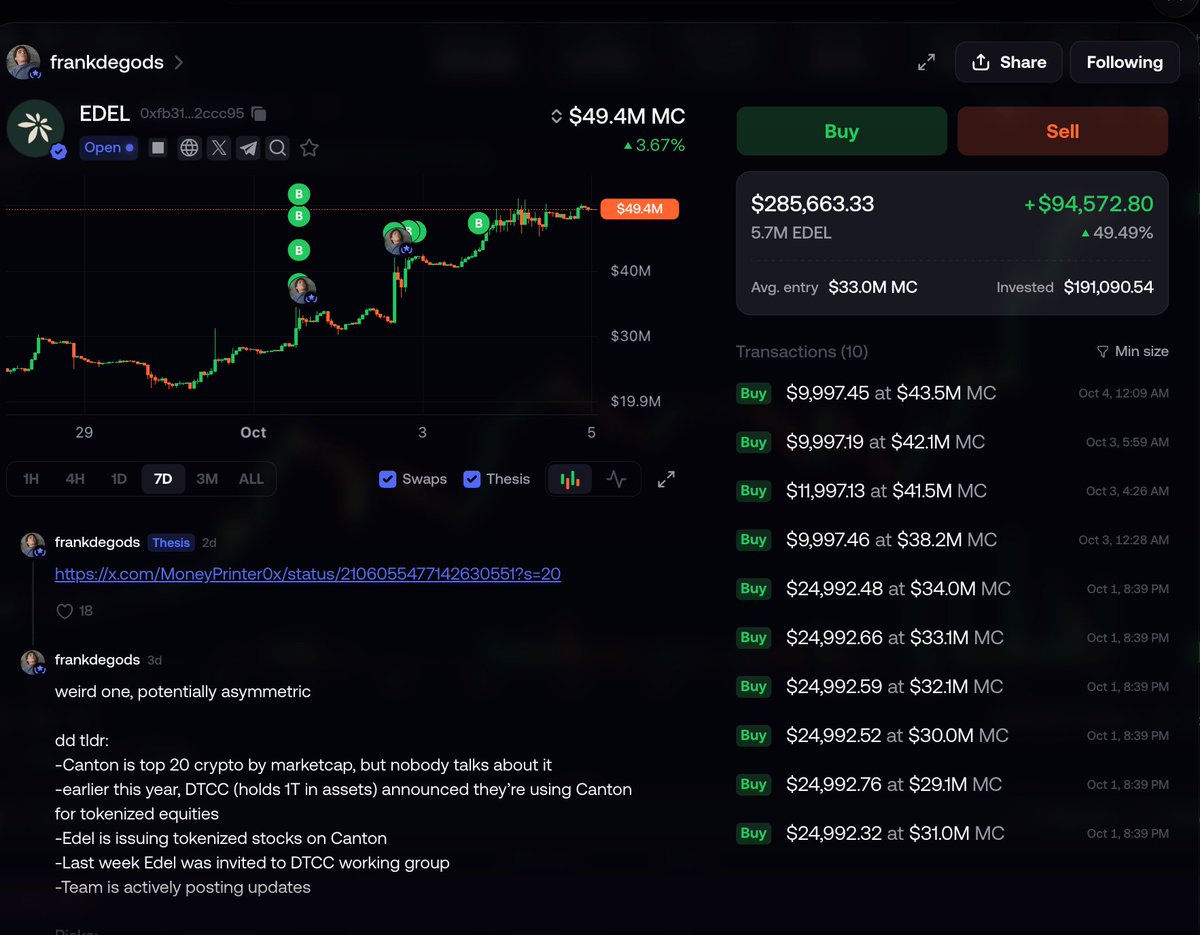
181692 粉丝
View History
吴说获悉,IOC Investigations 创始人 JP 发推称,一名骗子使 Google 的 Gemini 推荐其假网站并盗取资金,上个月约 80 人在 Tronify[.]rent 网站受害,损失 69,651 美元。据一份受害者报告,Gemini 甚至确认该网站是安全的。其称该网站的 DDoS 防护来自俄罗斯,并列出多个关联地址。另标注 tron[.]store 也为诈骗网站。
https://wublock123.com/news/ioc-investigations-founder-gemini-phishing-scam-80-victims-69651-usd-69523

7488 粉丝
View History
🇲🇾 無論是在馬來西亞旅行、工作,還是處理跨境業務,資金都可能需要跨越國界。
💵 USD丨💶 EUR丨💷 GBP
PokePay 加密銀行賬戶,讓跨境轉賬與多幣種資金管理更簡單、更靈活。🏦🌍
從日常資金安排,到全球轉賬需求,讓你的資金流動更順暢。 ✈️💼
#PokePay #Malaysia #CryptoBankAccount #GlobalTransfer



101047 粉丝
View History
叼毛们,预计未来几年内,#BTC 的份额会超过黄金? https://twitter.com/Blockchainrese6/status/2106913237447184866/photo/1
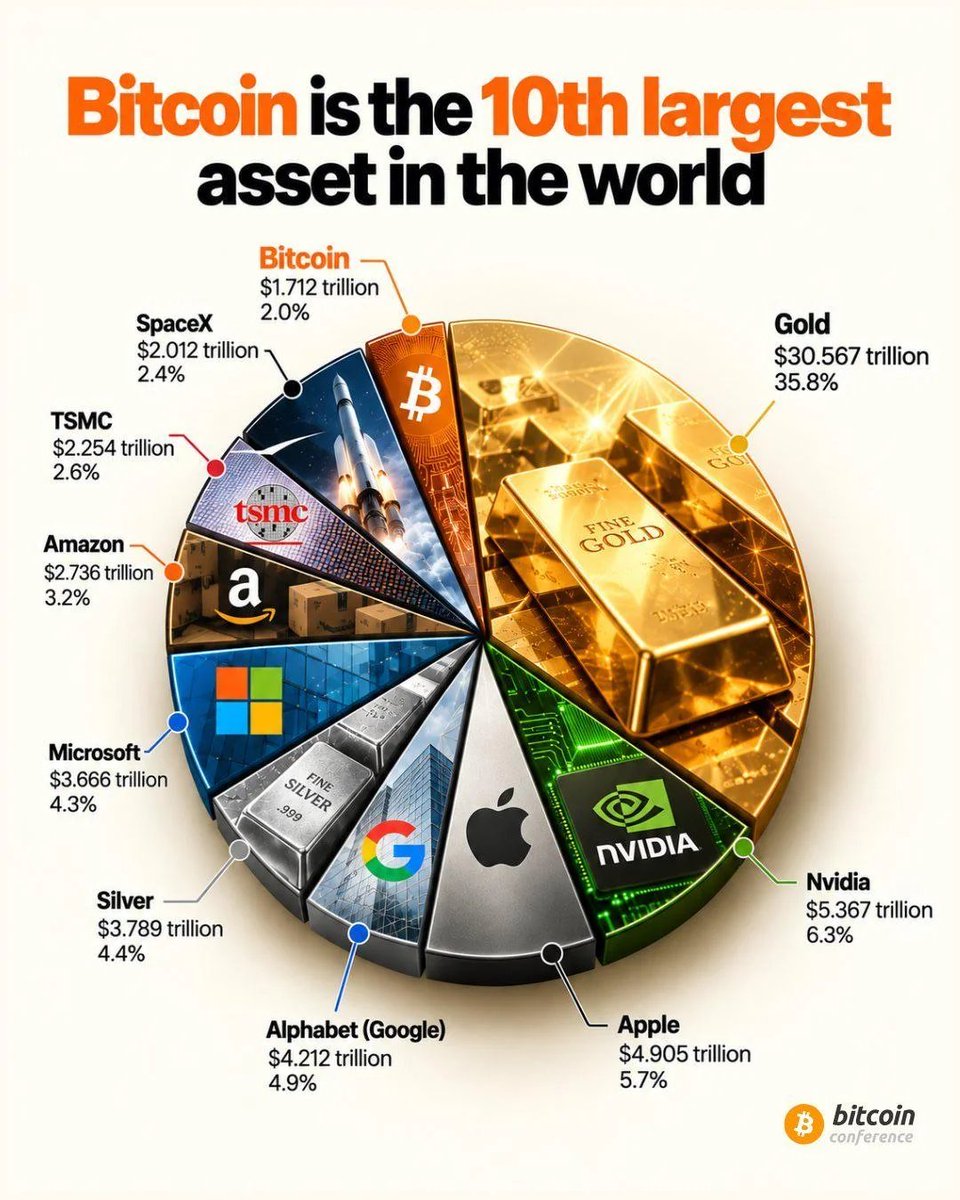

968243 粉丝
View History
RT @yongfook: I built an AI slop machine over the weekend. I will never launch it, after seeing what I created.
You put in a story prompt, and it generates a more structured story with stakes, cliffhangers, a beginning, middle, end. Splits it into episodes. Storyboards the whole thing, makes a cast, music, poster, voiceovers. Then generates the visuals (different styles available from anime to cinematic) and you can play the episode as a slideshow, or render it as a video. Uses all the latest models that you would expect.
A few observations from this exercise:
1) it was trivial to build
There's no moat here. This is just "AI glue", building an app that wraps several AI models. The moat is the GTM strategy, which leads me to...
2) this space is insanely competitive
there's tons of AI movie makers all using the same models with some thin layer of prompt direction or UX as the differentiation. totally saturated.
3) AI video courses
I noticed that some of the biggest advertisers in this space are people selling "how to create your own AI movie" courses. There's something off about this, almost dropshippy. It suggests that there's more value in hyping the thing and selling courses about the thing, than there is in the thing.
4) this shit is really expensive
All of those cool AI videos that you see using the latest video models, are expensive to make. A 60 second "mini episode" of a story built using my platform would cost $5 in raw inference. There's no business here, whatever margin you put on top of that can just get eaten by a competitor. And imagine if a user buys $100 of credits (of which $90 is passed through to your AI provider) then decides they hate the movie that was created, and asks for a refund or charges back. Enough of those in a month will bankrupt you.
5) just didn't feel right
It's a fun little demo that got some laughs from my friends but ultimately it's contributing to the never ending pile of AI slop. Is that something I want to be part of? Not really.
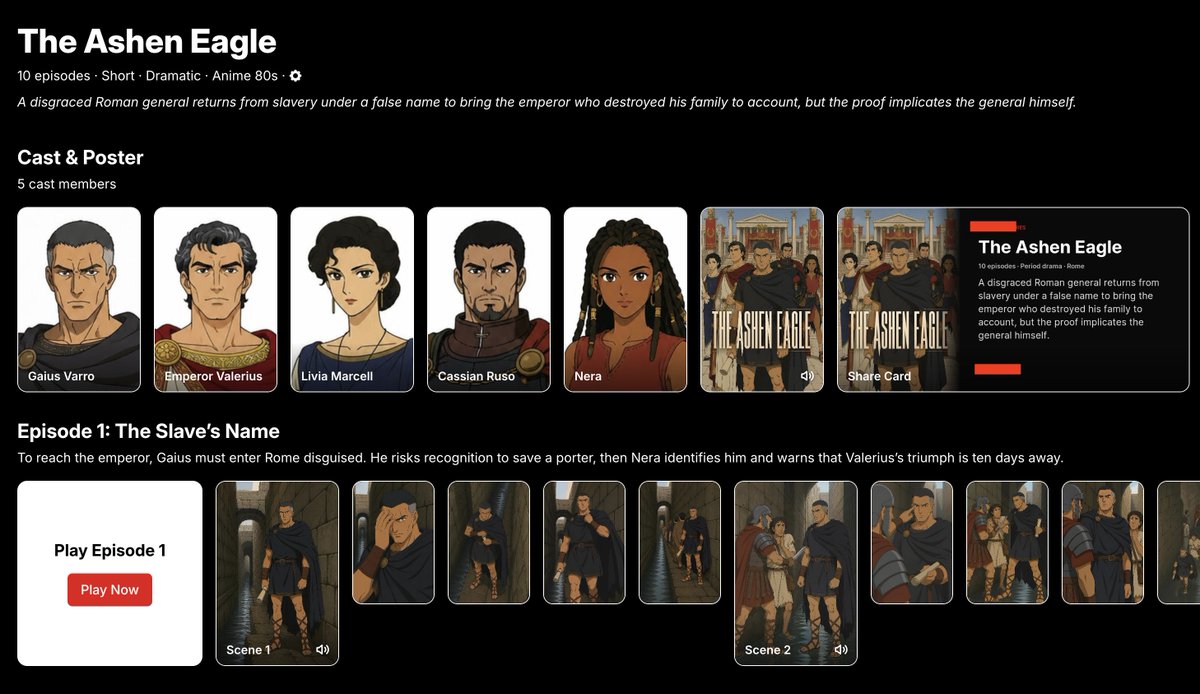
2936694 粉丝
View History
🚨 NEW: S&P Global Ratings rolls out a Vault Risk Assessment framework to evaluate the risks of onchain digital asset lending vaults, which now hold $10B in deposits. https://twitter.com/Cointelegraph/status/2106912484258988123/photo/1
中文: 🚨 新:S&P Global Ratings 推出保险库风险评估框架,以评估目前持有100亿美元存款的网约数字资产借贷金库的风险。


310282 粉丝
View History
是不是平胸平臀显气质?
你们就说是不是 https://twitter.com/sujing110/status/2106912480618483859/photo/1


19023 粉丝
View History
RT @chuhaiqu: 也来凑个热闹,用 Opus 5.5 懒人直出了一个 playbook 的产品介绍视频,只给了 https://chq.sh/pb 这个链接 限制 25 秒,其他让他自由发挥
其实还真的能看! https://twitter.com/chuhaiqu/status/2104359673382175100/video/1
🎬
视频
26414497 粉丝
View History
Taiwan foreign minister visits US for opening of new Arizona office https://reut.rs/3U77vdy https://reut.rs/3U77vdy
中文: 台湾外长访问美国,以开设亚利桑那州新办事处
3337499 粉丝
View History
一名女性在冲绳遇害,警方以涉嫌抢劫和谋杀逮捕了一名20岁的美国海军陆战队员,日本随后向美国提出正式抗议。这起涉嫌杀人案可能重新引发围绕美军驻扎冲绳的紧张情绪。https://cn.wsj.com/articles/WP-WSJS-0003947947

236054 粉丝
View History
8 PLAN vessels and 9 official ships operating around #Taiwan detected up until 6 a.m. (UTC+8) today. #ROCArmedForces have monitored the situation and responded. No flight path illustration is provided, as we did not detect #PLA aircraft operating around Taiwan during this timeframe.
中文: 8艘计划号船只和9艘在台湾附近作业的官方船只,直到早上6点才被发现。(UTC+8)今天。#ROCArmedForces 已监控情况并作出了回应。未提供飞行路径说明,因为在此期间我们未发现在台湾各地运行的#PLA飞机。
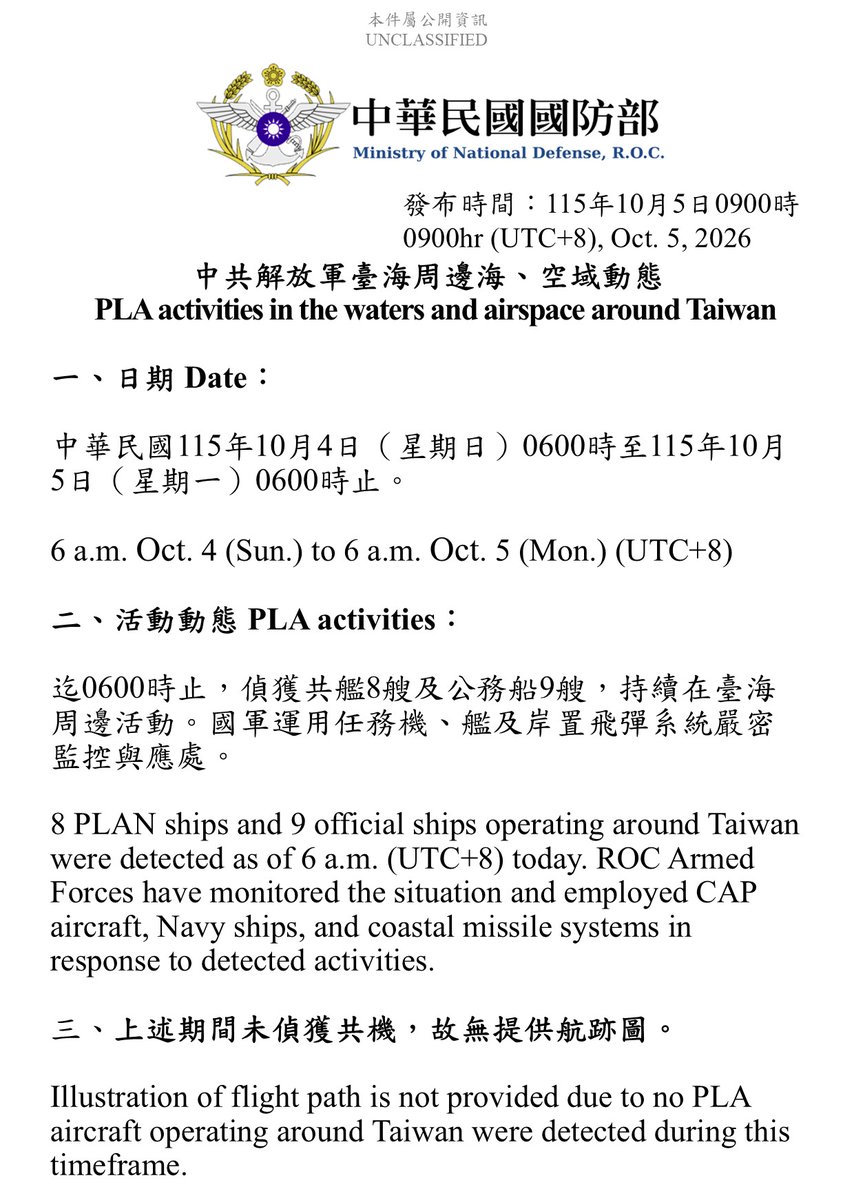
6838 粉丝
View History
🔥 DediRock 洛杉矶 VPS 年付 $10.88!
百元机又来了 🇺🇸
低价美国 VPS,洛杉矶机房可选:
⚡ 配置:
• 1 vCore
• 2GB RAM
• 30GB SSD
• 1Gbps 端口
• 1 IPv4
• 2TB/月流量(工单可申请翻倍至 4TB)
💰 洛杉矶节点:仅 $10.88/年
适合:
✅ 个人建站
✅ 轻量业务
✅ 代理节点
✅ AI 工具测试
✅ 开发环境
⭐ 电信 / 联通用户访问体验相对友好。
购买后可提交工单申请:
✅ 流量 2TB → 4TB
✅ IPv6 地址
👉 购买:
https://billing.dedirock.com/aff.php?aff=55&pid=265
测速:
https://la1.lg.dedirock.com/
工单申请模板:
Hello, Could you please double the bandwidth and add IPv6 for my VPS? Service ID: xxxx Invoice Number: xxxx Thank you
#VPS #美国VPS #洛杉矶VPS #DediRock #云服务器
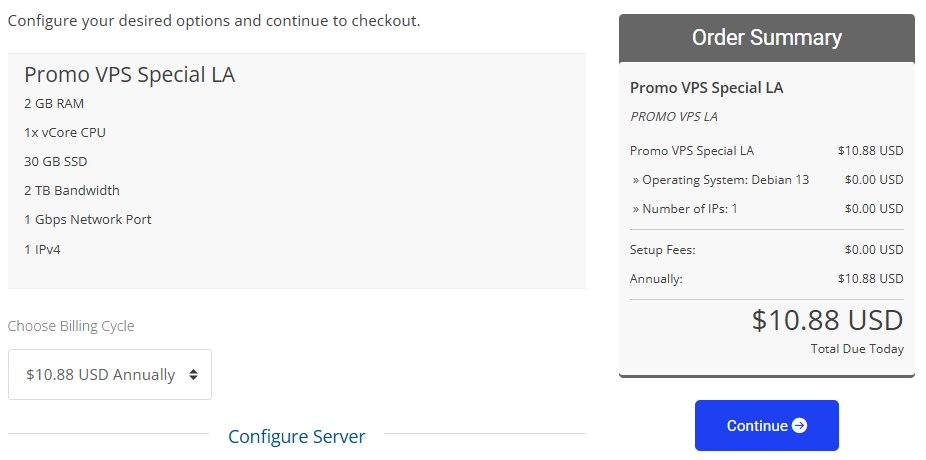
752966 粉丝
View History
巴西总统大选将进入第二轮投票,现任总统卢拉将对决右翼挑战者弗拉维奥·博索纳罗。

439498 粉丝
View History
RT @SakanaAILabs: 「Stripe Tour Tokyo 2026」に、Sakana AI CEOのDavid Ha @hardmaru が登壇しました。
AIエージェント時代の決済基盤を築くStripeの取り組みを語ったJohn Collison氏 @collision に続き、当社として日本のAIエコシステムに貢献する展望をお話ししました。
Stripeの皆様、ありがとうございました! https://twitter.com/SakanaAILabs/status/2106351998769704999/photo/1

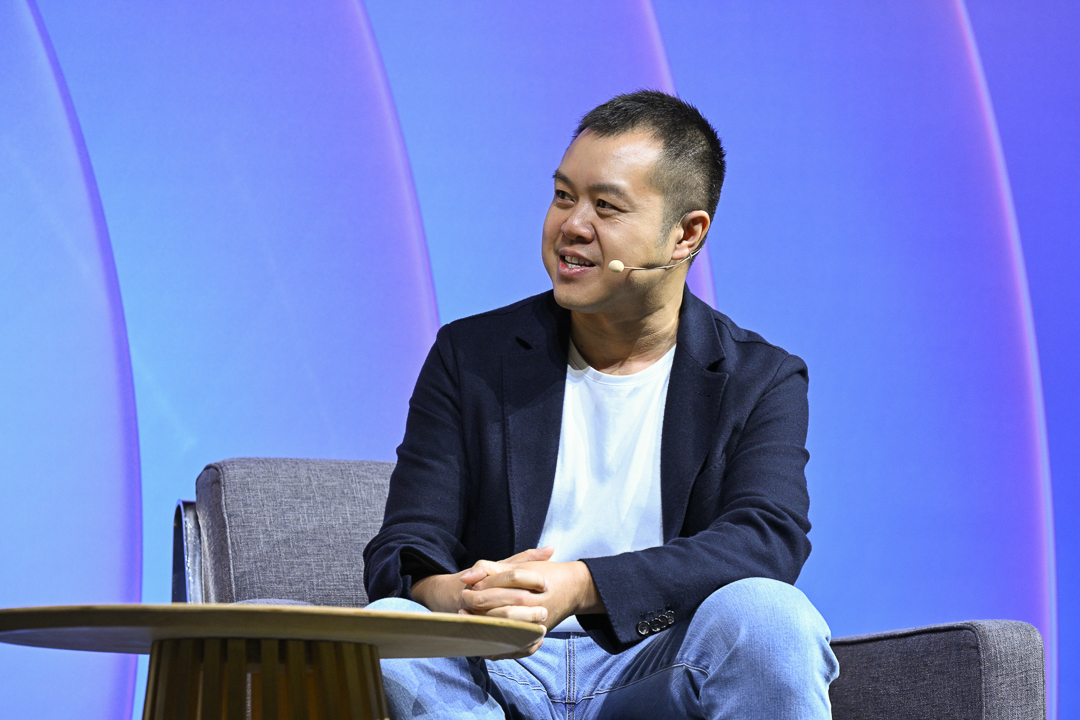
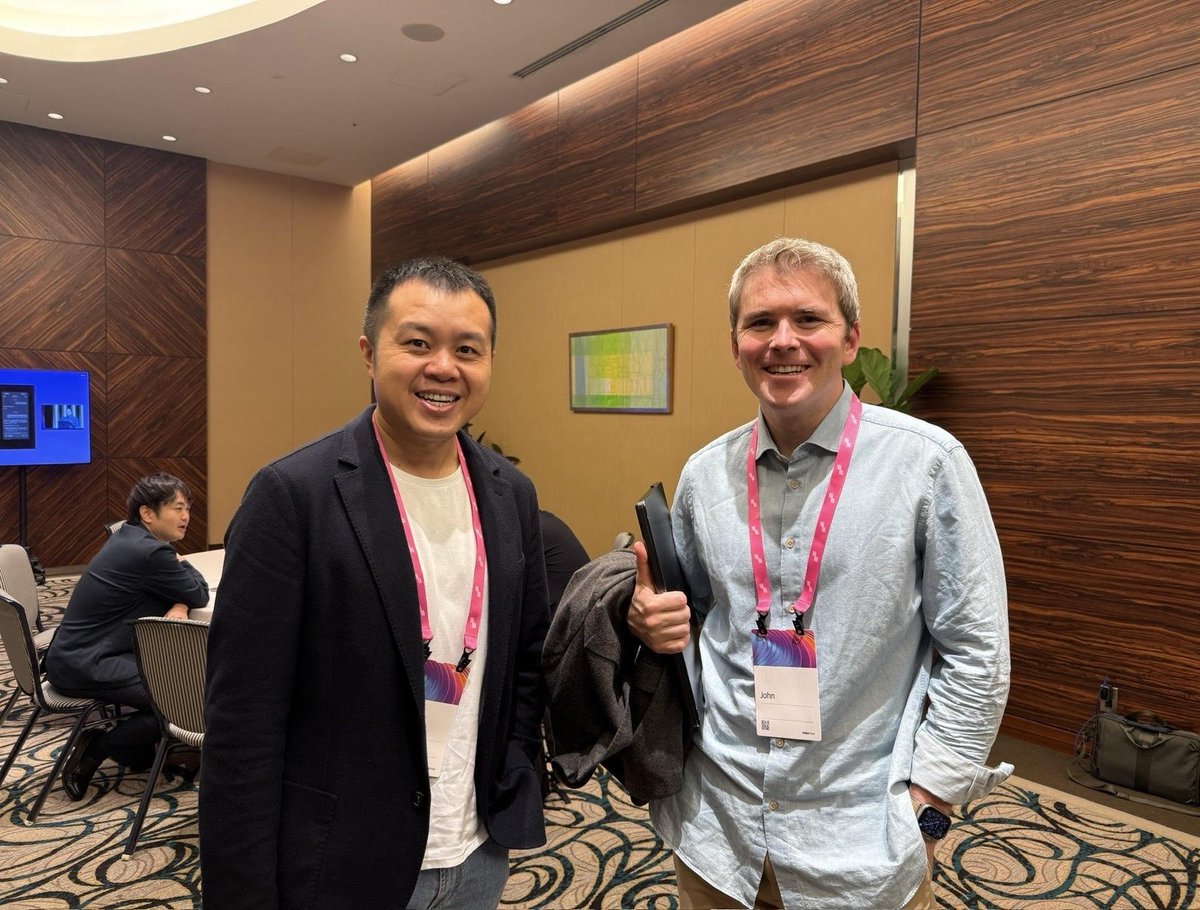
160063 粉丝
View History
@PhyrexNi @jason_chen998 不仅这个周期,前两个周期也是,见过很多了。从个人和机构角度来看,是要提高话语权影响力,让人不敢动;
不过从产业角度看,还是机制缺失,约束没有、长期损害的就是行业信誉度,不然最后就都没得玩了。
181692 粉丝
View History
RT @0xWLWhiteLine: 白线本周前瞻:Fed 与 ECB 本周公布 9 月会议纪要,美国随后更新服务业、原油库存和消费者通胀预期。央行内部对继续收紧的支持度,以及企业和家庭端的价格压力,将共同决定下一阶段的利率定价。阅读全文:https://wublock123.com/articles/weekly-preview-fed-ecb-september-rate-hikes-us-service-inflation-expectations-59630 https://twitter.com/0xWLWhiteLine/status/2106911517560238121/photo/1
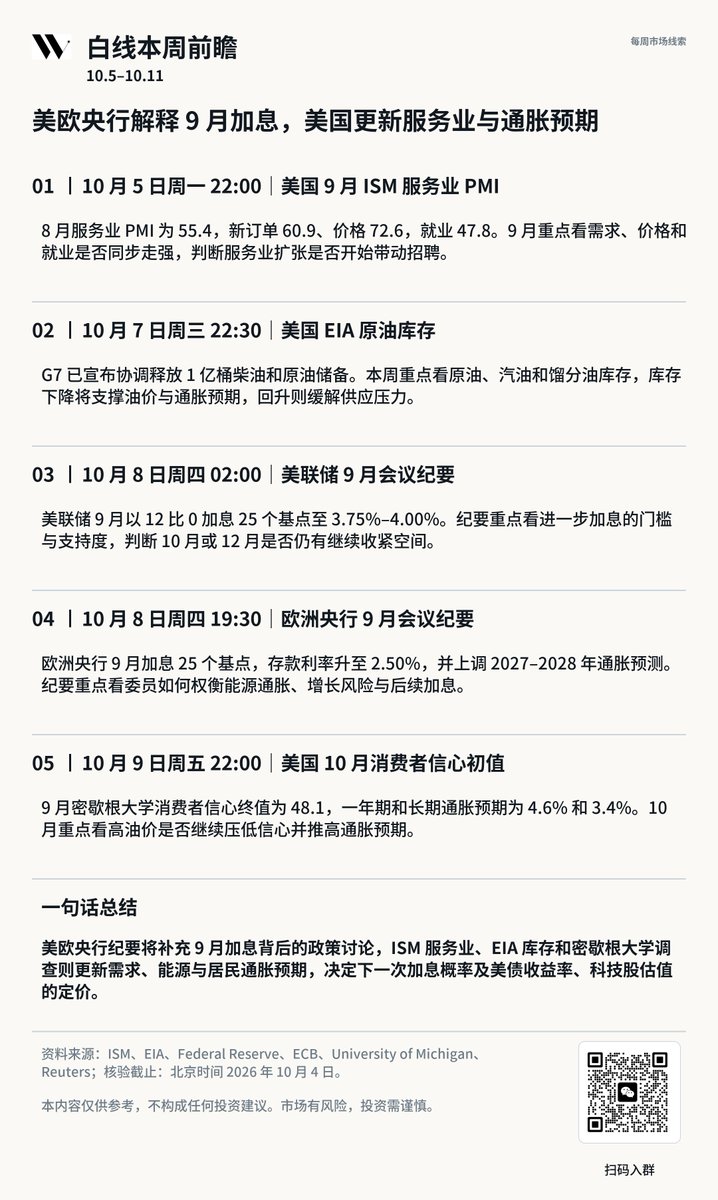
92147 粉丝
View History
🚨 刷了整整 19 个月 #Base,我的排名居然纹丝不动?! 😭
近 380 笔 Tx、活跃 57+ 天、跨链/质押/Mint NFT 样样没落下,刚才去查了一下 Base 链上活跃度得分:
📊 链上成绩单:
• 得分:67 / 100
• 总交互:400 次
• 活跃天数:(跨度 22 个月)
查询链接;https://base-activity-score.vercel.app/
老 $BASE 用户排名查询;https://dune.com/nvthao/base-network-analytics-dashboard
随着 Base 发币/TGE 的预期越来越近,现在查查自己的交互底细绝对不亏。
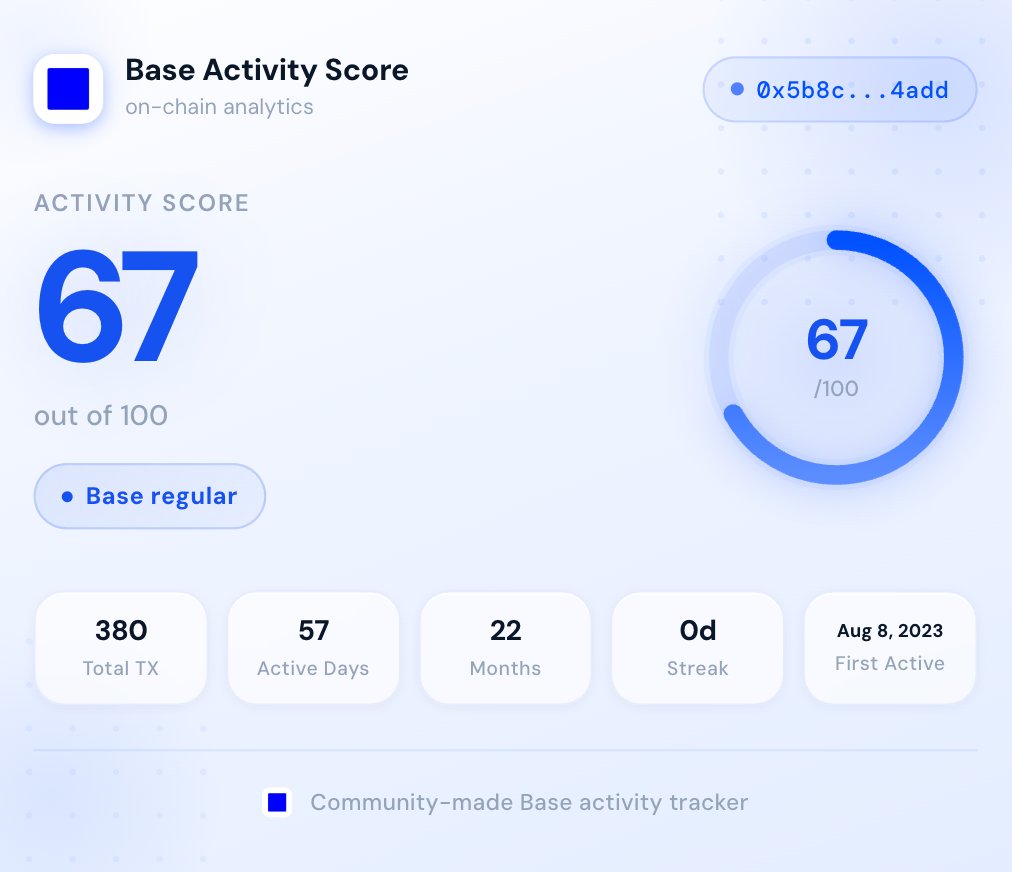

4895597 粉丝
View History
JUST IN: Former Wall Street banker and whistleblower Simon Andriesz, who exposed Commerce Secretary Howard Lutnick's links to Jeffrey Epstein has died by suicide.
中文: 刚刚:前华尔街银行家兼举报人西蒙·安德里什因泄露商务部长霍华德·卢特尼克与杰弗里·爱泼斯坦的关联而死亡。
310282 粉丝
View History
这款前列腺片
对前列腺肿大,夜尿频繁不错
国内有几盒
我老公人肉带回去的
哈哈 https://twitter.com/sujing110/status/2106911390837641333/photo/1

160063 粉丝
View History
今天油价走势值得关注,周末中东消息还是比较多的:1)伊朗周日再次强调,霍尔木兹海峡在七项条件得到满足前不会重新开放;
2)周六到周日,看报道又有三艘油轮在霍尔木兹海峡被袭击;
3)同时也门战事明显升级,沙特支持的也门部队发动全面攻势,试图夺回胡塞武装控制的所有地区:看报道沙特过去两天对胡塞发动了数百次空袭,也门政府军也开始计划加大对胡塞的攻击力度,以期收复被胡塞占领的地区;
然后胡塞的反击就是更大力度袭击沙特阿美能源设施;
4)更早之前,美国高级国家安全官员还在戴维营秘密开会,讨论伊朗战争以及沙特-胡塞冲突下一步怎么办。
按理说周末的新闻出来,今天早上油价应该飙升才对,反倒是油价“跳空高开”后迅速转跌。个人角度是另一方面个更值得重视的事件则:
伊拉克油轮公司前天证实,已使用一艘大型油轮将200万桶原油运出霍尔木兹海峡,向在海峡外等候的买家交货。按公司高管的说法,这是这家国营公司几十年来首次通过这种办法交货。据悉,其他海湾产油国早已采取船对船转运的方式,在海峡外交货,伊拉克已经“来晚了”。
还是之前聊到的油价除了反应美伊、沙特胡塞之间的紧张态势,现在越来越多在交易“博弈还在继续,但是在护航下还是有油轮能从海峡通行”,因为对于市场来说,边际变化是最关键。如果护航持续进行,那么对于油价来说向上的动力就会减弱。
那么只要伊朗没能把护航完全打掉,油价还是会在“航线运输可能恢复”和“局势升级”之间摇摆。
因为油价转跌,美债收益率也小幅转跌。今天关注“油价和美债收益率”是否继续向下试探?
本条由@bitget_zh赞助,「Bitget 买美股:秒级入场,丝滑交易
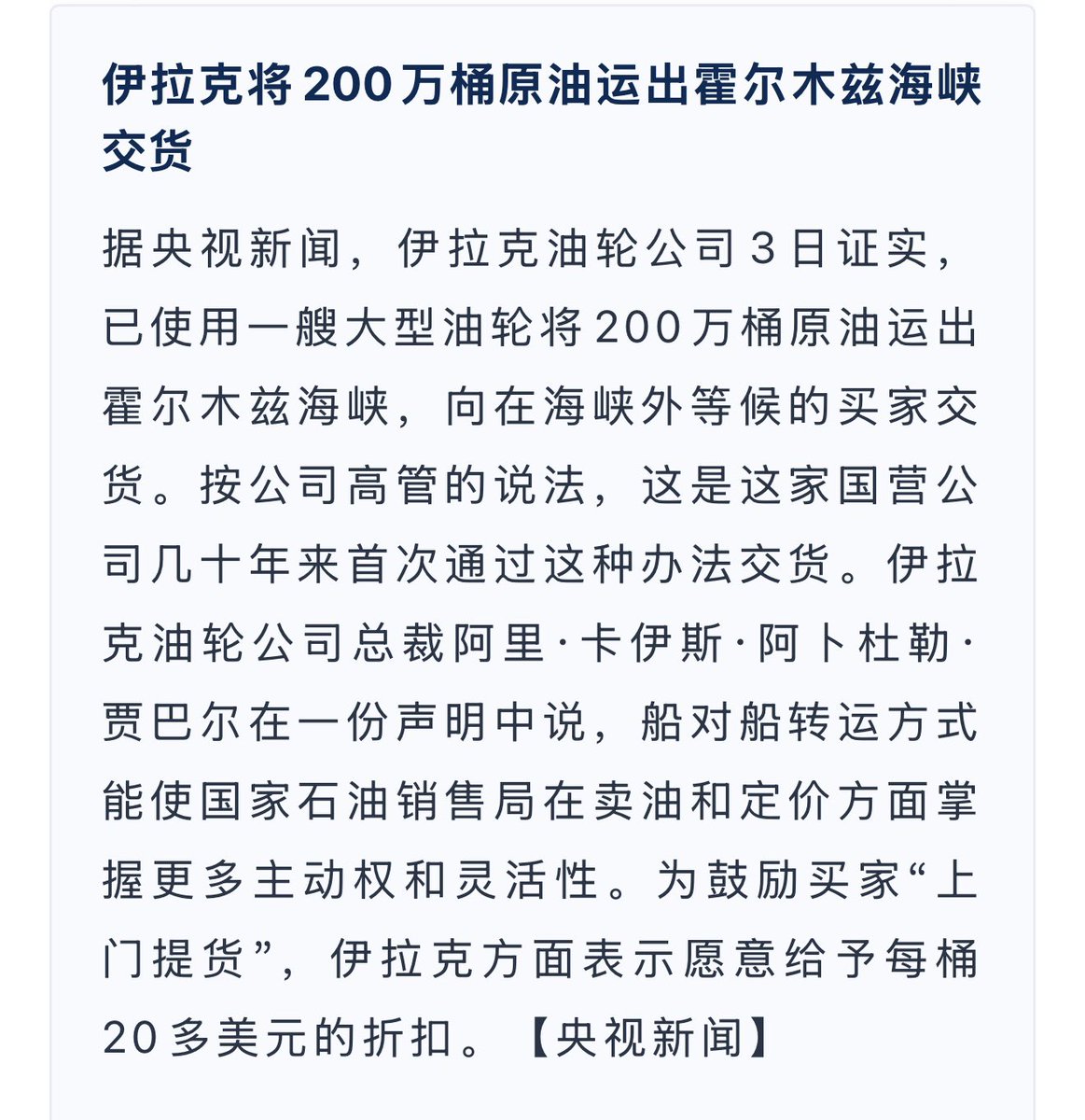
62084 粉丝
View History
我自己上一个十年,是做“实体生意”的,我所属的行业,鱼龙混杂,“满脸书生气的我”最开始非常不适应,最大的问题来自于工程活收不回“尾款”。
KOL轮,“分批解锁”,是常态,如果我自己有了充裕的资金,也开始投资“KOL轮”,我会把后面“分批解锁”的币,当作是可能收不回来的“尾款”。
慢慢的,我就学会了。
别人给工程活报价,定金里面,已经包含了利润,利润或多或少,看客户情况。
我来币圈之后,到今天为止,都是撸毛的心态,没有投资的心态,“分批解锁”或者“第二期”等概念,在我心中,就相当于“尾款”,我都是当作“可能会收不回来的”。
也有可能,“实体生意”这10年,我变得狭隘了,但是,我不太容易被割。
181692 粉丝
View History
据 Lookonchain 监测,POAP 创始人 Patricio Worthalter 于 8 小时前向 Gemini 交易所存入 4,000 枚 ETH(约 1,079 万美元)。他目前仍持有 54,967 枚 ETH,价值约 1.49 亿美元。此前 8 月,活动出席证明项目 POAP 联合创始人 Isabel 宣布,POAP 运营逾 5 年后逐步停止运营。她表示,加密行业的融资周期和分发模式使公司难以在不偏离 POAP 原有定位的情况下实现可持续经营。
https://wublock123.com/news/poap-founder-deposits-4000-eth-to-gemini-69522

714064 粉丝
View History
"For years, crypto often felt like infrastructure searching for a problem. We would build the technology first, then spend a lot of time explaining why anyone should use it.
This year, more conversations seemed to start from the other direction."
- LayerZero's Head of APAC @alexlimasia on his observations from @kbwofficial last week
Find him this week week at @token2049 Singapore
中文: 多年来,加密货币常常感觉像是基础设施在寻找问题。我们先构建这项技术,然后花大量时间解释为什么任何人都应该使用它。
今年,更多的对话似乎从另一个方向开始。
- LayerZero 亚太区负责人 @alexlimasia 上周在 @kbwofficial 上发表的观察
本周在新加坡@token2049找到他
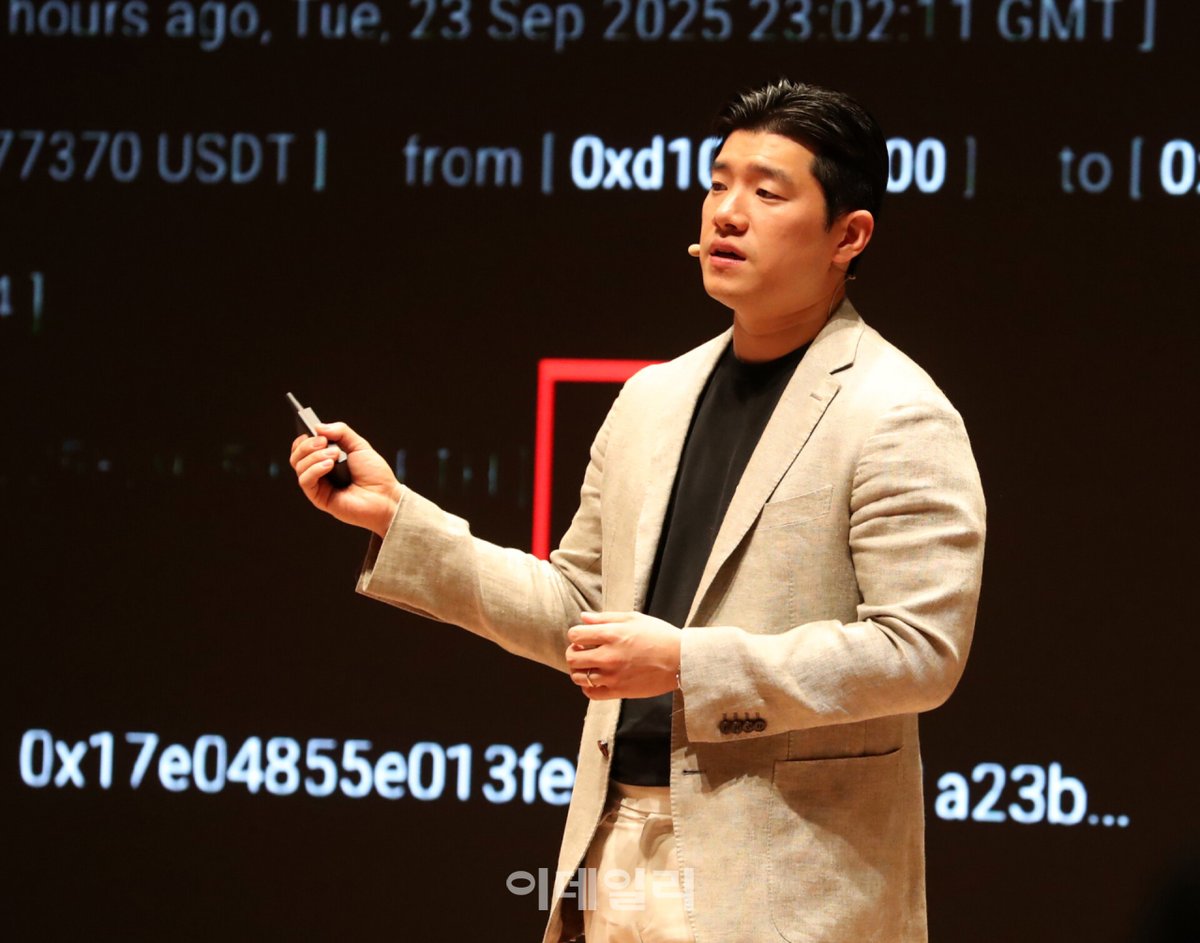
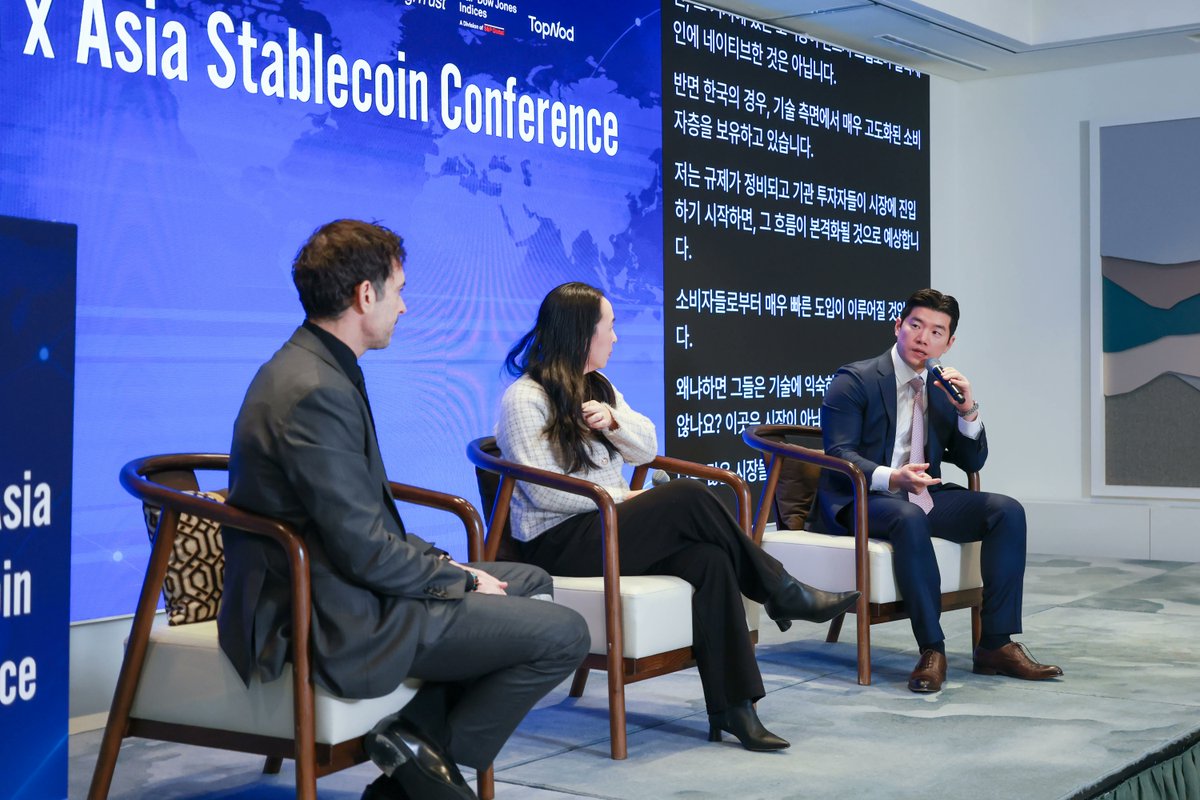
19023 粉丝
View History
RT @chuhaiqu: 这几位的确还不错,朋友们可关注!
26414497 粉丝
View History
Coast Guard suspends search for people on crashed medical aircraft https://reut.rs/4rKk8rz https://reut.rs/4rKk8rz
181692 粉丝
View History
据 Lookonchain 监测,POAP 创始人 Patricio Worthalter 于 8 小时前向 Gemini 交易所存入 4,000 ETH(约 1,079 万美元)。此前 8 月,活动出席证明项目 POAP 联合创始人 Isabel 宣布,POAP 运营逾 5 年后逐步停止运营。她表示,加密行业的融资周期和分发模式使公司难以在不偏离 POAP 原有定位的情况下实现可持续经营。
https://wublock123.com/news/poap-founder-deposits-4000-eth-to-gemini-69522

544836 粉丝
View History
if you made +$400k trading memecoins/crypto, how would you cash it out without paying taxes?
(asking for a friend) https://twitter.com/nobrainflip/status/2106908895688196370/video/1
中文: 如果你赚了4万美元,交易了4万美元的memecoins/crypto,又怎么能不缴税就把它兑现呢?
(请朋友)
🎬
视频
88375 粉丝
View History
我也写一个小技巧吧,在新加坡吃饭不要用小红书、大众点评,你可以认为中文基本都是广告,英文的没人推荐,其实很简单国外只能且只有谷歌地图最好用,方法如下:
1️⃣ 打开谷歌地图:顶部选择餐厅
2️⃣ 筛选很重要:评价 1000 条以上的都是经过实践检验的,选择评价最高的都不会差
为什么用谷歌地图呢?新加坡谷歌地图可以认为包含了大众点评(评价预定)、携程、美团(酒店)
对了,很多热门的餐厅不提前预定是没有座位的😂所以一定一定要用谷歌地图提前预定
🎬
视频

404160 粉丝
View History
RT @nurijanian: re-reading this classic banger from 2020
中文: RT @nurijanian:重读2020年的这部经典歌曲
149578 粉丝
View History
POAP (@poapxyz) 创始人 @worthalter 在 8 小时前把 4,000 枚 ETH ($1079 万) 转进交易所 Gemini。
他目前仍持有 54,967 枚 ETH,价值高达 $1.49 亿。
地址:https://arkm.com/explorer/entity/patricio-worthalter
--------------------------------------------------------------------------
#Bitget 来了就是VIP!Crypto、美股、CFD,全球先机一站布局
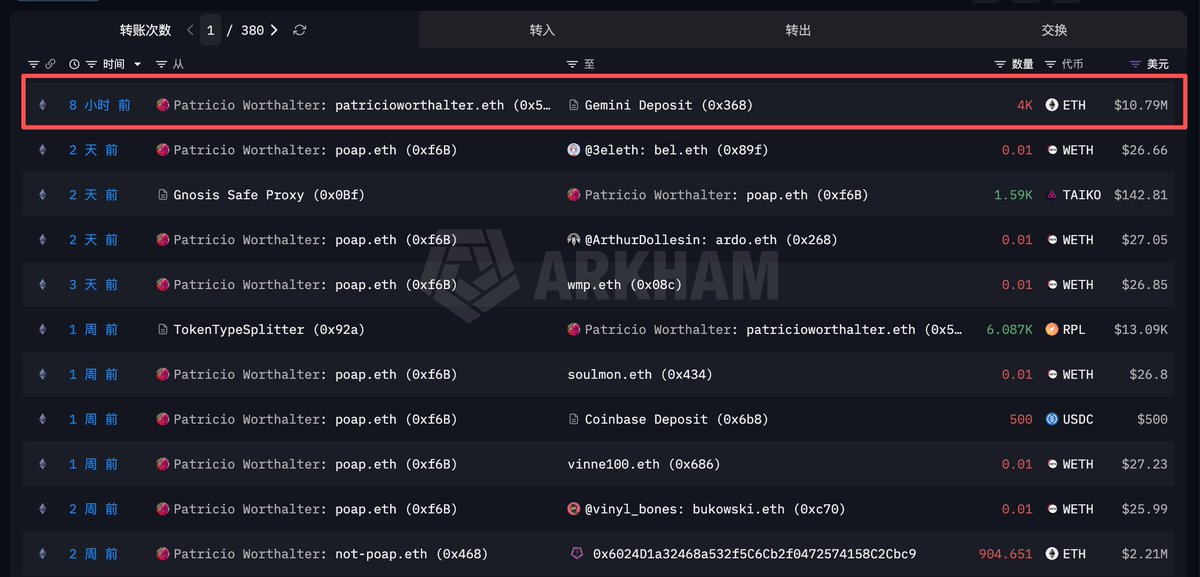

404160 粉丝
View History
RT @Abhisheka: I've followed @shreyas 's writing for years. This week I finally took his Product Sense course.
It had almost no frameworks. What it had was a way of thinking.
One week in, I've already rebuilt my product's homepage because of it. Started where I was, with what I had. https://twitter.com/Abhisheka/status/2106888903231992120/photo/1
中文: RT @Abhisheka:我多年来一直关注@shreyas的写作。这周我终于参加了他的产品感知课程。
它几乎没有框架。它所拥有的是一种思维方式。
一周后,我已经因此重建了我的产品主页。从我所在的地方开始,用我所拥有的。

12130 粉丝
View History
10. 卢浮宫那句,和“19 美元周边”
自出版回忆录《Freedom of Money》。写私人参观卢浮宫,觉得导游在对牛弹琴。还写模拟理论,觉得世界可能像超级马里奥,口头禅是 “it’s just a game”。门口堆着币安周边,非要记者挑一件。记者说不能收超过 20 美元的东西,他回:“大概值 19 美元。”事后他还在网上说,只是想让记者当行走的广告牌。
对比:别的富豪回忆录写家族办公室和慈善。他写卢浮宫没感觉,以及我们可能活在游戏里。
一句话收束:SBF 用政治捐款换时间,时间用完了;CZ 用管辖权、主权基金和总统家族换时间,四个月坐完,26 分钟上天,漏水的天花板还没修。
12130 粉丝
View History
《纽约时报》特稿里的10个 @cz_binance 细节
这10个细节决定了Cz成为了今天的CZ!
标题是《Inside a Billionaire’s Paradise With Crypto’s Most Powerful Ex-Convict》。记者 David Yaffe-Bellany 今年夏天在阿布扎比跟了赵长鹏几天:开车、进别墅、听他讲监狱和特朗普。核心就一句话——认罪、坐了四个月、被特朗普赦免之后,他仍是币安大股东,身家按时报估算约 1140 亿美元,人在阿布扎比过着“边界很软”的权力生活。
1. 1140 亿,开白色日产,自称全世界最有钱的 Uber 司机
六月一个早上,他开白色日产 SUV 停在瑞吉酒店门口接记者,上车第一句:“我的兰博基尼。”手机架在挡风玻璃上,活像网约车。他自己说舒服生活 1000 万美元就够,并称真实身家大概 100 到 300 亿,不是福布斯那个 1000 亿+。
对比:SBF 塌之前私人飞机、巴哈马豪宅、政治捐款全套;孙宇晨游艇派对、买香蕉当行为艺术。CZ 选择反向人设,但游艇还是有的,名字叫 Da Moon。
2. 九卧室别墅,天花板漏水,一直没修
萨迪亚特岛别墅估价约 500 万美元。餐厅天花板有水渍,他指给记者看,漏了很久没人修。家里有四名保镖、一名厨师、施坦威钢琴(他不弹,调音师还不高兴)、成箱币安周边堆在门口。慢性背痛,中午常躺在床上谈生意。
对比:多数币圈富豪晒游艇甲板和车库。他晒的是漏水和床上办公,人设完成度极高。
3. 一只狗叫 Broccoli,另一只是总统送的“瞪羚”
比利时玛利诺犬取名 Broccoli,因为听起来像 blockchain。另一只是中亚猎犬 Taigan,优雅得像瞪羚,吉尔吉斯斯坦总统今年 2 月滑雪时送的。总统本来要送一顶全尺寸帐篷,他拒绝了,于是改送狗。
对比:马斯克狗叫 Floki,直接绑定 meme。CZ 这条更冷:国家元首送礼被他退成一只狗。
4. 出狱到私人飞机起飞,26 分钟
2024 年 5 月 30 日进加州低警戒监狱 Lompoc II,坐满四个月。释放当天,从离开羁押到私人飞机起飞只要 26 分钟。妈妈、姐姐、助手在外面等,直接飞回阿布扎比。最后两周因为移民身份问题被关在本地看守所,他在格子里做俯卧撑、仰卧起坐打发时间。
对比:普通人出狱是接人、坐公交、找工作。他是 26 分钟换主权空间。
5. 和 SBF 关过同一座监狱,囚犯给他让路像国王
Lompoc II 后来也关过 SBF。CZ 事前请了顾问教他监区政治,进去后被编进亚裔囚犯的 “car”。有人说所有人都给他让路,像国王。他办股价学习小组,电视锁死 CNBC;跟一个成功抢过 11 次银行的越南人聊天,对方说自己就是走进去要现金。别人问比特币为什么涨,他说:“哇,我也不能确定。”他认为这案子“没有受害者、没有欺诈”,同仓的人回他:人人都这么说。
对比:SBF 25 年,人还在里面。CZ 四个月,出来继续当行业里最有权势的人。SBF 后来说:“他耍了我,耍得很好。”CZ 的版本是:发那条砸 5 亿美元 FTT 的推文时没想把 FTX 打崩,自己还亏了 5 亿。
6. 国王俯身问他过得怎么样
在酋长宫文华东方的私密局上,同桌有瑞·达利欧、孙正义。穆罕默德·本·扎耶德酋长俯下身问他近况。他跟记者说:“这是国王,跪在你身边。”开车经过总统府时,他还跟记者聊:民主被捧得像圣杯,但没效率;碰到仁慈的独裁者,效率极高。
对比:大多数交易所老板见监管是递材料、等牌照。他是国王先低头问一句好。
7. 伊朗导弹打过来,他继续躺着干活
今年早些时候在床上办公,窗户震了。阳台上看见一道烟迹,是伊朗打向阿联酋的导弹。他的反应:“死于交通事故的人,比死于导弹的人多。这里防护得很严。”然后回去接着工作。
对比:普通交易员看到这种新闻先平仓。他的风控标准是交通死亡率。
8. 特朗普那笔账,吃瓜党最爱对表
去年 10 月特朗普赦免他,外界普遍说是交换。币安和特朗普父子的 World Liberty Financial 绑在一起:MGX(塔赫努恩酋长系主权基金)用 World Liberty 的稳定币 USD1,向币安投了 20 亿美元,估值 750 亿。时报写 World Liberty 去年给特朗普带来 7.99 亿美元,超过他的房地产和社交媒体,是他最赚钱的一块资产。CZ 说选 USD1 是对方的“商业适配”,他不在意。参议员直接骂这是稳定币腐败。
对比:SBF 当年是给美国政客捐款换友好监管,最后人进去了。CZ 这条线是主权基金 + 在任总统家族的稳定币,人在外面,还拿了护照。阿联酋不引渡本国公民,他和家人的护照就是冲这个来的。
9. 家庭结构比财富数字更好截
前妻带两个大孩子去了东京,后来孩子在美国读大学。宣判时一个儿子握拳。现在的伴侣是何一,前旅游节目主持人,三个小孩的妈妈,也是他卸任后的联席 CEO 之一。董事会里还有最初劝他来阿联酋的朋友 Gabriel Abed,此人送过他一双印着 “Trump, Crypto President” 的橙色高帮鞋。前臂有币安纹身。
对比:SBF 的人设是父母都是斯坦福教授、有效利他。CZ 的人设是技术宅 + 管辖权套利:中国出生,12 岁去加拿大,麦吉尔毕业,上海三居室卖掉 All in 比特币,最后落在一个不引渡的地方。
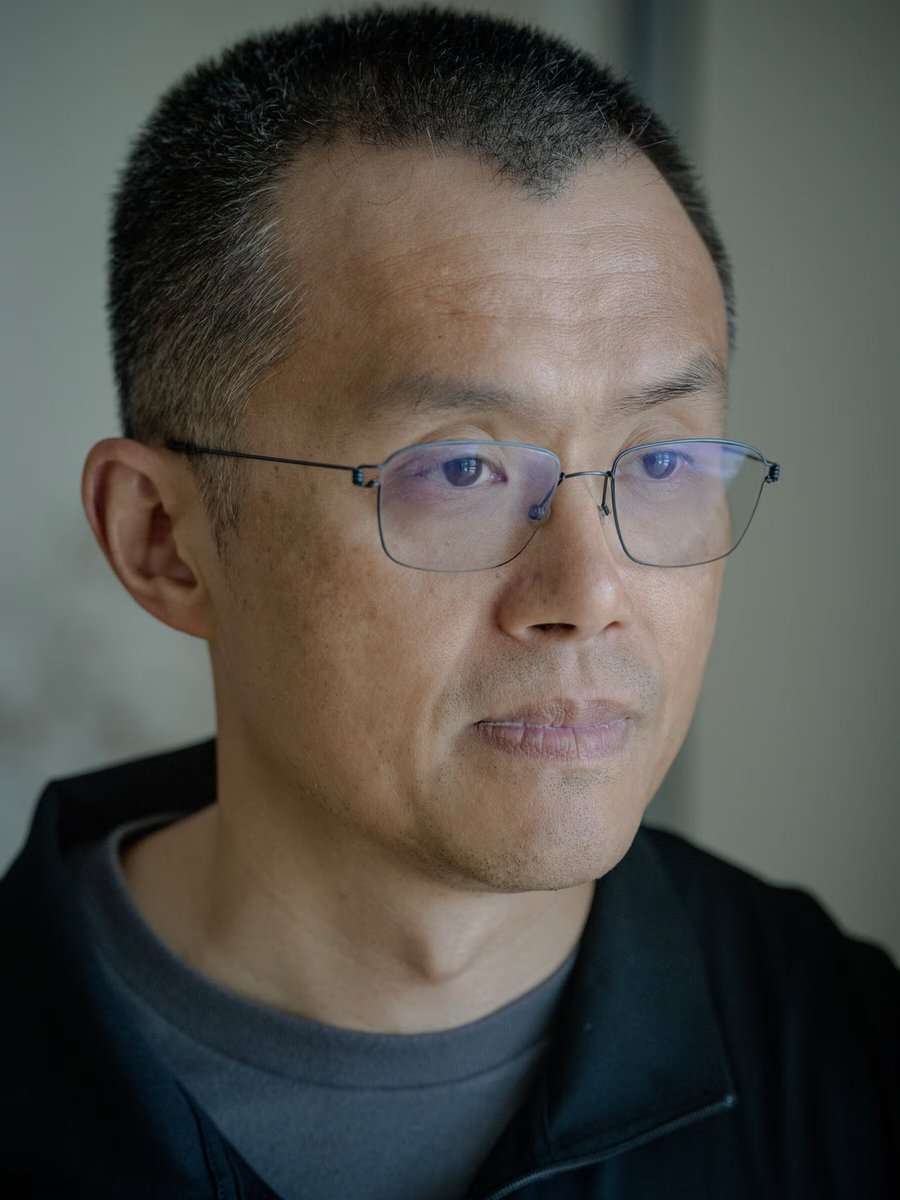
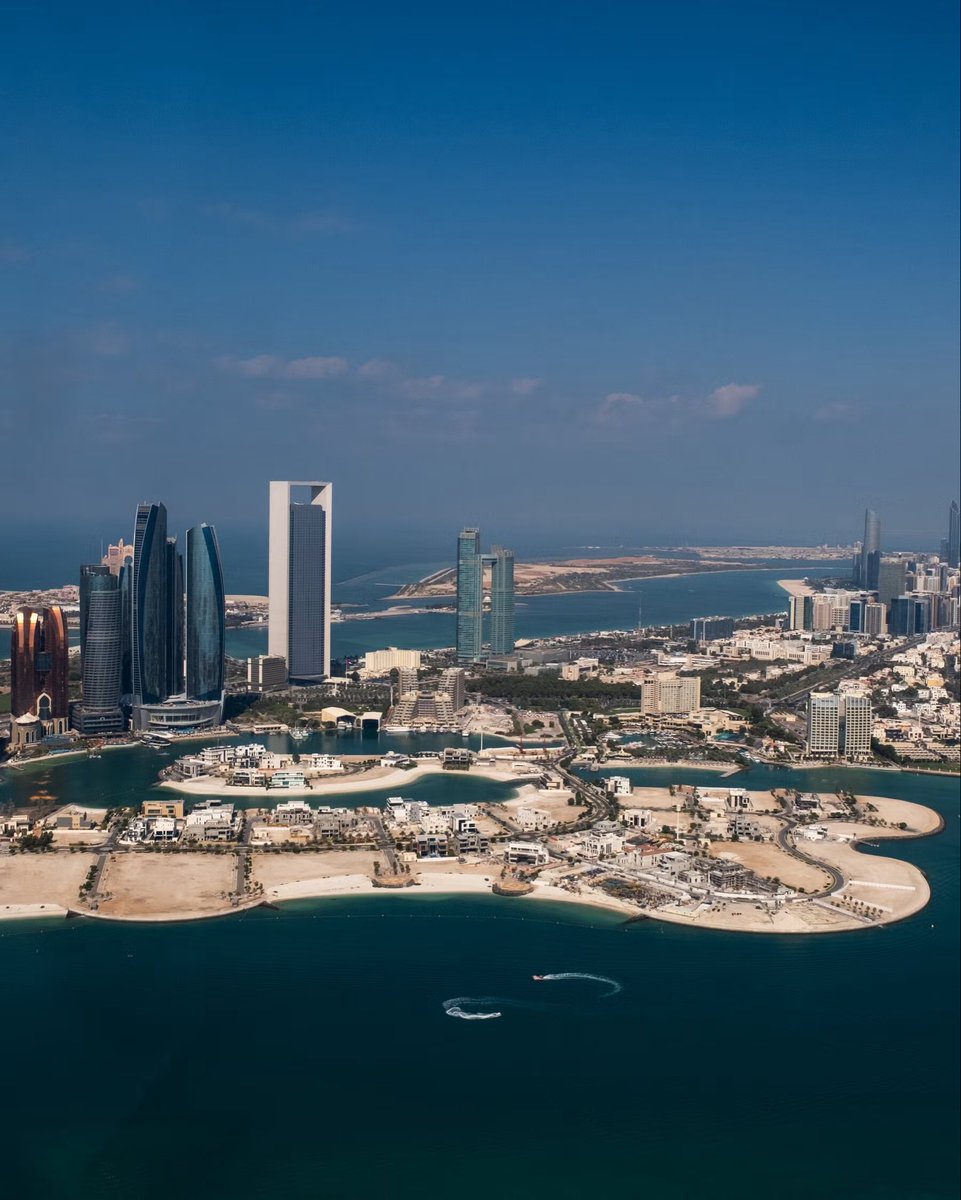
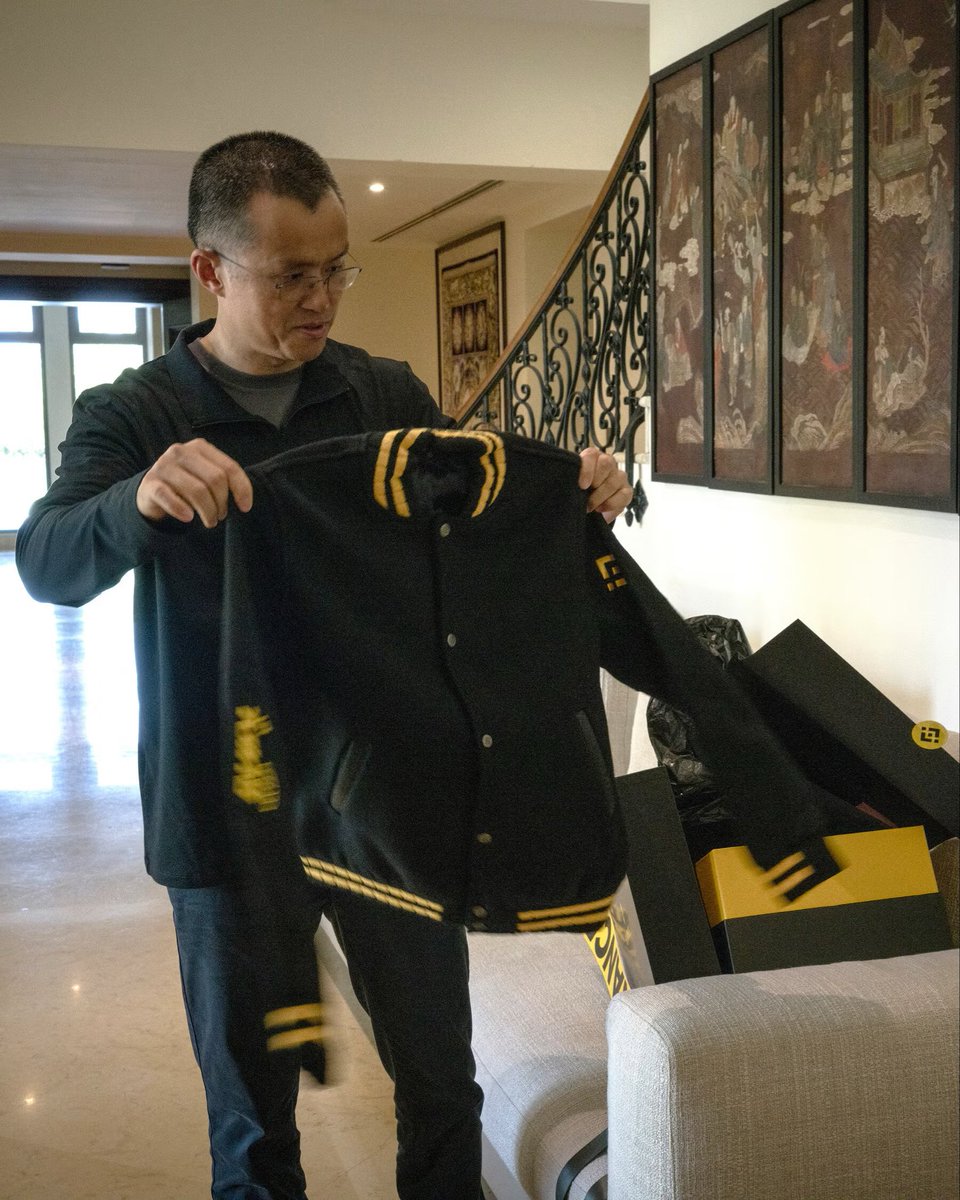
10037 粉丝
View History
Opus 5.5 is so good I refuse to spend my usage on Fable 5.1.
For my workflow, nothing else matches the combination of usage, speed and intelligence.
4 Claude Max 20x accounts.
2 Codex Pro accounts.
1 GLM account.
Hundreds of agents orchestrated every day.
Why aren’t you? https://twitter.com/outsource_/status/2106907553099547062/photo/1
中文: Opus 5.5 非常好,我拒绝将使用时间用于 Fable 5.1。
在我的工作流程中,没有其他内容能与使用、速度和智能相结合。
4 个克劳德·马克斯 20 次账户。
2个Codex Pro账户。
1 个 GLM 账户。
每天都有数百名特工进行精心策划。
你为什么不呢?
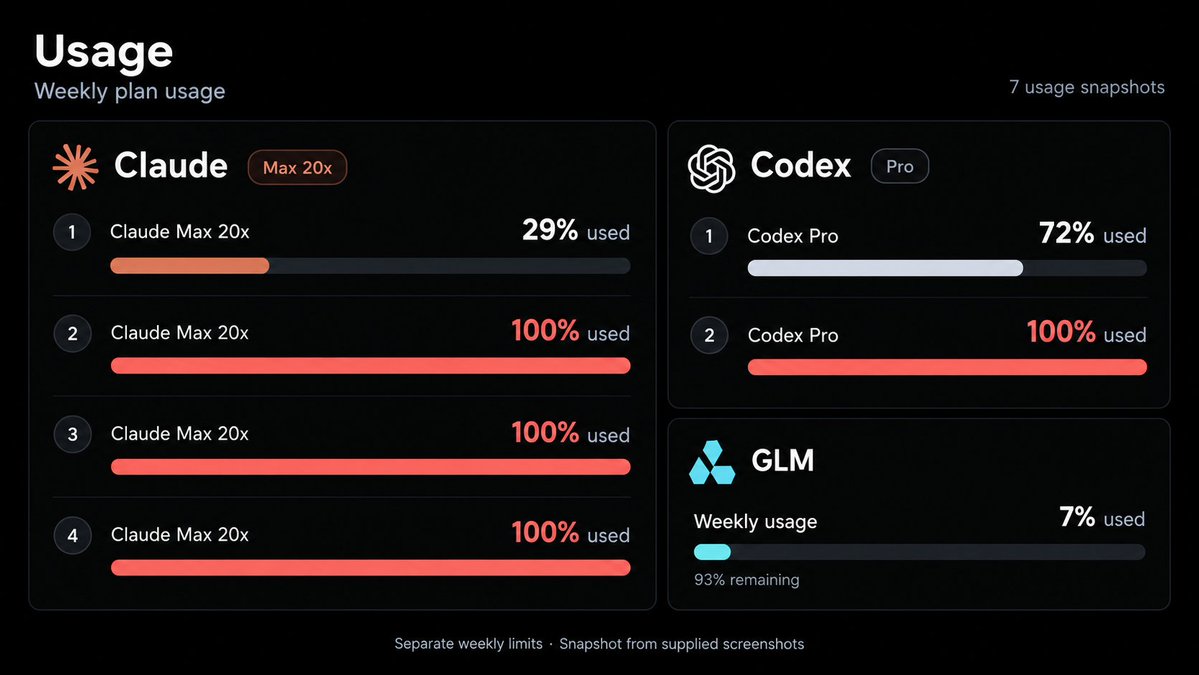
241760875 粉丝
View History
RT @cb_doge: BREAKING: United Airlines just announced that 880+ aircraft will have @Starlink by the end of 2026, with its entire fleet expected to be connected by end of 2027.
Starlink has connected 14.2 million devices on 464,000+ flights and is active on over 560 United aircraft today. https://twitter.com/cb_doge/status/2106900700206944349/photo/1

241760875 粉丝
View History
@Grummz WoW needs a graphics update
中文: @Grummz WoW 需要图形更新
26414497 粉丝
View History
Austrian government's No. 2 figure says he will step down https://reut.rs/4j4LbeK https://reut.rs/4j4LbeK
中文: 奥地利政府第二号人物表示,他将辞职
752966 粉丝
View History
🖥️ BandwagonHost|高质量线路 VPS
海外虚拟服务器。更在意中国方向线路和长期稳定,可以看这款服务。
🔗 https://bandwagonhost.com/aff.php?aff=80460
2976463 粉丝
View History
President Trump just posted this image on Truth Social and we brought it to life.
Last week Trump pushed to change the name of Artificial Intelligence to Super Intelligence with the majority of Americans he polled agreeing with him on the change. https://twitter.com/TrumpDailyPosts/status/2106906967922901069/video/1
🎬
视频
712862 粉丝
View History
Patricio Worthalter(@worthalter) deposited 4,000 $ETH($10.79M) into #Gemini 8 hours ago.
https://arkm.com/explorer/entity/patricio-worthalter https://twitter.com/lookonchain/status/2106906809311302115/photo/1
中文: 帕特里西奥·沃思尔特(@worthalter)8小时前将4000美元(ETH(1079万美元)存入#Gemini。
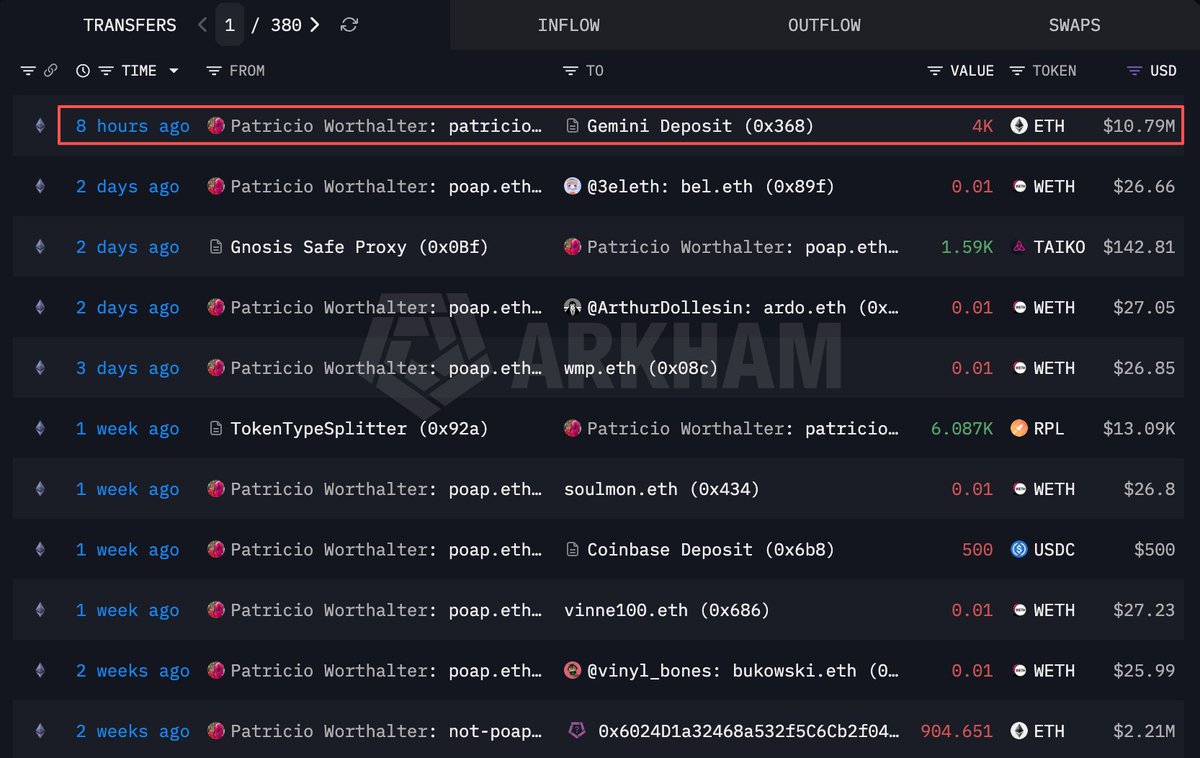
241760875 粉丝
View History
Propagating super intelligence to the stars is a great success condition for a biological bootloader
中文: 向恒星传播超智能对于生物靴载具来说是一种非常成功的条件
25039 粉丝
View History
让 AI Agent 用一页 HTML 回答复杂问题,模型只写内容草稿,版式、配色和图表坐标交给随技能分发的 CLI 生成,省掉手写 CSS 与 SVG。
https://github.com/QingYunA/answer-me-with-html https://twitter.com/QingQ77/status/2106906464384393613/photo/1

181692 粉丝
View History
吴说获悉,安全机构 Salus 称,Revenue 涉及恶意授权。攻击者提交用户的 permit 签名,取得无限花费其 USDG 的许可,随后立即调用 transferFrom。授权与资金转移在同一笔交易中完成,从而掏空用户钱包。资金随后按 20% 与 80% 分至两个黑客地址。该分配结构类似于 Inferno 的 drainer-as-a-service 模式,其推广方式则与 FomoPeek 利用 KOL 实施诈骗的模式相符。
https://wublock123.com/news/salus-says-revenue-malicious-permit-signature-asset-theft-69521
3337499 粉丝
View History
美国已将其在英国皇家空军费尔福德基地的全部B-1轰炸机撤出,出于对涉嫌针对该基地发动袭击的阴谋的安全担忧。https://cn.wsj.com/articles/WP-WSJS-0003947948
144771 粉丝
View History
今天的目的地:前方,以及一切自由的地方🚗
GM 早呀火伴 https://twitter.com/HuobiGlobal/status/2106905709686264282/photo/1

241760875 粉丝
View History
Grok @Bot
中文: Grok @Bot
2936694 粉丝
View History
🇺🇸 JUST IN: Zcash-focused policy group Pretty Good Policy for Zcash has registered its first lobbyist, executive director Divij Pandya, per Punchbowl. https://twitter.com/Cointelegraph/status/2106904950097727965/photo/1
中文: 🇺🇸 Just IN:专注于Zcash的政策团体Pretty Good Polysing 为Zcash注册,其首家游说者、执行董事Difij Pandya均为Punchbowl。

26414497 粉丝
View History
AkzoNobel to sell Southeast Asia paints business to Nippon Paint for $1.35 billion https://reut.rs/4ALKIV4 https://reut.rs/4ALKIV4
中文: 阿克苏诺贝尔将以13.5亿美元向日本涂料公司出售东南亚涂料业务
335934 粉丝
View History
Winners Announcement! 🎉
@RealUssey (UID: 26245991)
@cylestel (UID: 26695853)
@firee_ron (UID: 26524778)
@harukuuru (UID: 26735880)
@Phunshol124 (UID: 26731785)
Congrats! 🎊 Each wins 50 USDT Bonus! Thanks for the support! 🥳
Rewards will be sent within 2 weeks.
中文: 获奖者公告!🎉
@RealUssey(UID:26245991)
@cylestel(单位:26695853)
@firee_ron(单位:26524778)
@harukuuru(UID:26735880)
@Phunshol124(单位:26731785)
恭喜!🎊 各赢取50美元奖金!谢谢支持!🥳
奖励将在两周内发放。
5067093 粉丝
View History
The longest national borders:
U.S. 🇺🇸 - Canada 🇨🇦
Russia 🇷🇺 - Kazakhstan 🇰🇿
Chile 🇨🇱 - Argentina 🇦🇷
China 🇨🇳 - Mongolia 🇲🇳
181692 粉丝
View History
美国数字资产持有人若今年早些时候已申请延期,须在 2026 年 10 月 15 日前提交 2025 年度联邦报税表,该日为春季截止日期前提交 Form 4868 后可获的自动六个月延期截止日。延期只涵盖申报行为,所欠税款仍须在 2026 年 4 月估算并缴纳,未付余额的利息和滞纳金已在累积。经纪商已开始就 2025 年交易按 Form 1099-DA 报送,纳税人可核对所得金额,但成本基础仍可能不完整。9 月中旬,参议院以 49 票对 50 票未达到推进所需的 60 票,未推进《CLARITY 法案》。美国证券交易委员会(SEC)和商品期货交易委员会(CFTC)表示,将继续就交易、托管及相关议题制定规则,而不是等待国会。逾期未申报罚款从每月未缴税款的 5% 起算,上限 25%,60 天后适用最低罚款。
https://wublock123.com/news/us-digital-asset-holders-file-2025-federal-tax-by-2026-10-15-69520
310282 粉丝
View History
其实在现在这个年代
有处女情节的男人并不多
但如果你既然已经骗现男友
说你是第一次
那就把这个谎言保持下去
因为一旦你坦白
他就会觉得你还有成千上万的事瞒着他 https://twitter.com/sujing110/status/2106902972735340583/photo/1
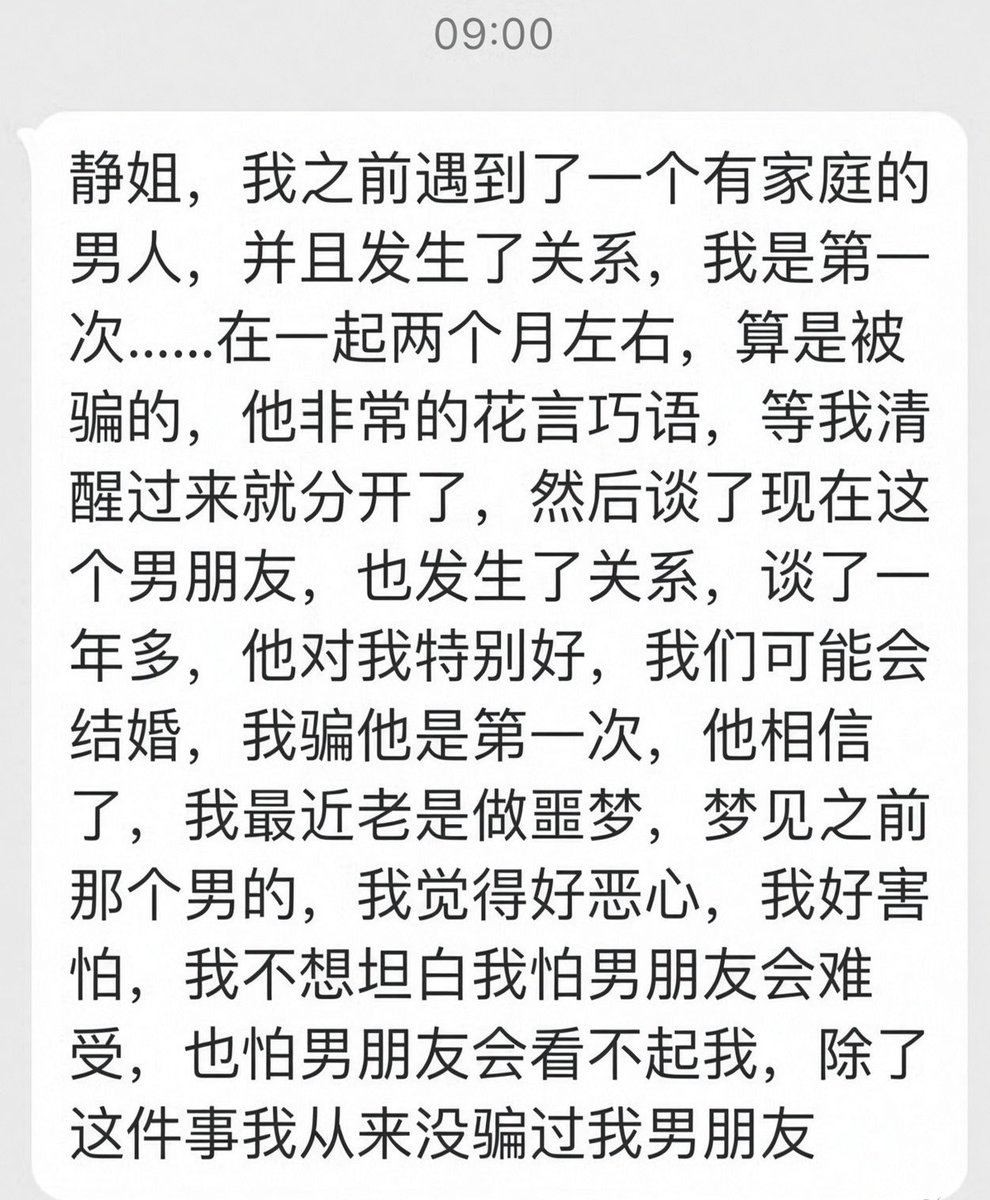

19632 粉丝
View History
VPS Deals
https://hostalk.net/deals.html
26414497 粉丝
View History
Alaska LNG shipping savings justifies billions in investment, developer says https://reut.rs/4hLgBVi https://reut.rs/4hLgBVi
中文: 阿拉斯加液化天然气运输节省可证明数十亿美元投资的合理合理,开发商表示:
310282 粉丝
View History
如果你老婆怀孕7个月了
突然告诉你她之前打过胎
而你又很介意打胎这事
你本来就很恐婚
你条件又比老婆好很多
现在孩子出生了
你越来越介意
你会怎么办? https://twitter.com/sujing110/status/2106901462085509247/photo/1
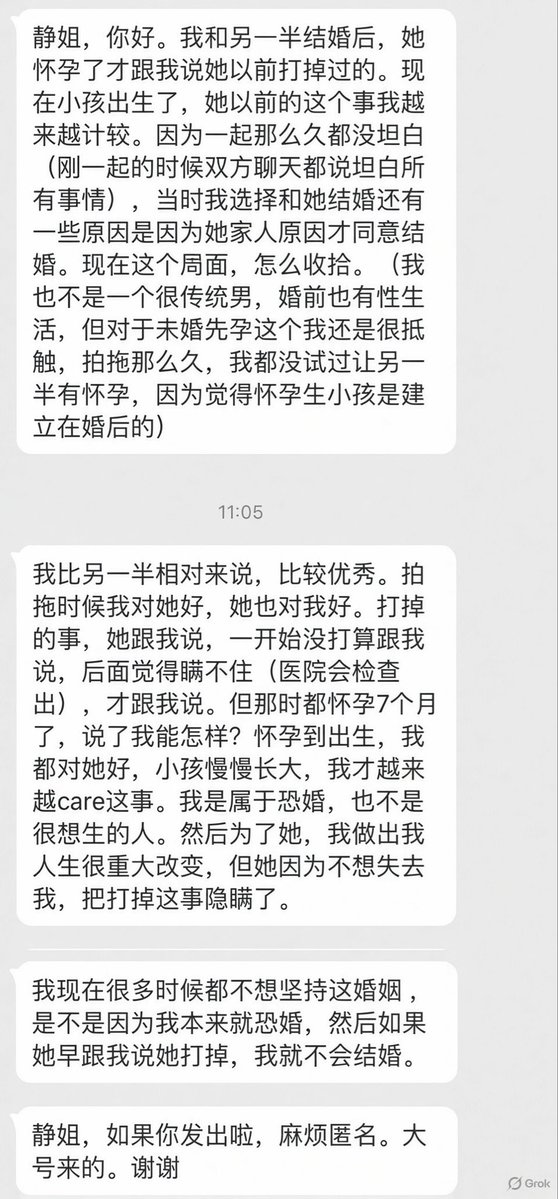

1132544 粉丝
View History
When everyone is building the same primitives it does speak to needs that will only intensify from here
And we will eventually converge on the correct OS
中文: 当每个人都在构建相同的原语时,它确实会满足需求,而这种需求只会从这里开始加剧
我们最终会在正确的操作系统上达成一致
181692 粉丝
View History
吴说获悉,标普全球评级(S&P Global Ratings)发布针对链上借贷 Vault 的风险评估体系 Vault Risk Assessment(VRA),适用于向以加密资产或代币化 RWA 为抵押品的区块链借贷市场提供流动性的 Vault。VRA 将综合评估底层资产信用风险、协议及区块链风险、Vault 管理方风险和流动性等因素,并采用 AAA(v) 等评级符号,其中 AAA(v) 代表最低风险。标普强调,VRA 并非传统信用评级,也不评价 Vault 收益率或保证其信用质量。
https://wublock123.com/news/sp-global-ratings-releases-on-chain-lending-vault-risk-assessment-system-vra-69519
6838 粉丝
View History
📌 部分活动套餐整理:
🌏 月付云服务器:
🇭🇰 香港
2核2G|50GB SSD|20Mbps
🇯🇵 日本
2核2G|50GB SSD|30Mbps
🇰🇷 韩国
2核2G|50GB SSD|10Mbps
🇨🇳 国内节点:
4核8G|100GB SSD|10-20Mbps
📌 年付方案:
8核8G 云服务器:
🇭🇰 香港 / 🇨🇳 广州 / 江苏
16核32G 企业云:
🇭🇰 香港 / 广州 / 浙江
另外还有:
🛡 高防云:
4核4G|100Mbps
🤖 GPU云:
4核8G + T4S GPU
🖥 物理服务器:
E5双路、E3单路方案可选
莱卡云这次活动覆盖范围比较广,从入门 VPS 到企业级资源都有,按需求选择即可。🐱
6838 粉丝
View History
🐱 莱卡云 2026 秋季云服务器优惠来了!
香港、日本、韩国、美国及国内节点全覆盖,VPS 年付低至 368元/年!
🔥 新用户专享:
4核4G VPS
✅ 100GB SSD
✅ 500GB/月流量
✅ 香港/日本/韩国/美国可选
💰 年付仅 368元
还有:
⚡ 8核8G 云服务器
⚡ 16核32G 企业云
⚡ 高防云服务器
⚡ T4S GPU 云服务器
⚡ 物理服务器
适合网站部署、开发测试、企业业务、AI 推理等场景。
活动时间:2026.09.01 - 10.31
👉 详情:
https://www.gwvpsceping.com/20227.html
#VPS #CloudServer #云服务器

544836 粉丝
View History
RT @nobrainflip: +$4.63B in September
Not my best month, but still not bad...
All thanks to this article! https://twitter.com/nobrainflip/status/2106749934741471426/video/1
中文: RT @nobrainflip:9月份+4.63亿美元
不是我最好的月份,但还是不差......
感谢这篇文章!
🎬
视频
181692 粉丝
View History
Aptos 治理提案 #206 正在投票,拟启用 ChunkyDKG V1 完整模式及 encrypted_transactions 功能。该机制将通过分布式密钥生成支持加密交易,在交易进入共识排序前隐藏其内容,并在之后由验证者协作解密,有助于降低抢跑及 MEV 风险。提案投票将于 10 月 6 日结束,目前赞成票占比接近 100%,但投票率仅 2.69%,尚未达到 24.8% 的法定人数要求。
https://wublock123.com/news/aptos-governance-vote-enables-encrypted-trading-to-reduce-mev-risk-69518
114033 粉丝
View History
貌似已拿到Fomies白单,兄弟们加油!
一大早打开 @FomiesNFT 页面,面试官让我靠近再靠近。等我靠近后,一张纸条从天而降,我被要求吃掉它。
根据纸条要求,我需要去隔壁的WC,于是点击桌子左侧的EXIT,径直进入大门左侧的WC。
起初,WC一片乌黑,里面的人怕吵,需要你将页面调成静音。听话照做之后,你会发现一个人正在蹲坑。不用犹豫,跟他互动并完成任务,大概率就拿到白单了。
有一说一,这项目真的让人上头。白单还来得及,建议好好搞搞,万一有惊喜呢。
传送门:https://fomies.family/?ref=@wenxue600

6838 粉丝
View History
想低成本部署海外业务?腾讯云这波轻量服务器价格不错👇
🔥 ¥99/年
• 2核 CPU
• 2GB 内存
• 30Mbps 带宽
• 50GB SSD
• 1TB/月流量
🔥 ¥199/年
• 2核 CPU
• 4GB 内存
• 30Mbps 带宽
• 60GB SSD
• 1.5TB/月流量
支持 Linux / Windows 系统 💻
🌍 海外节点可选:
🇺🇸 硅谷(CN2优化)
🇰🇷 首尔
🇺🇸 弗吉尼亚
🇩🇪 法兰克福
适合:
✅ 海外网站部署
✅ 跨境电商
✅ AI应用测试
✅ 外贸业务
✅ 开发环境搭建
⚠️ 限购1台,库存及活动价格以官方页面为准。
👉 活动入口:
https://curl.qcloud.com/9nfgTKdb
搜索:
「轻量应用服务器 2核2G30M」
#腾讯云 #轻量应用服务器 #海外云服务器 #VPS #云服务器
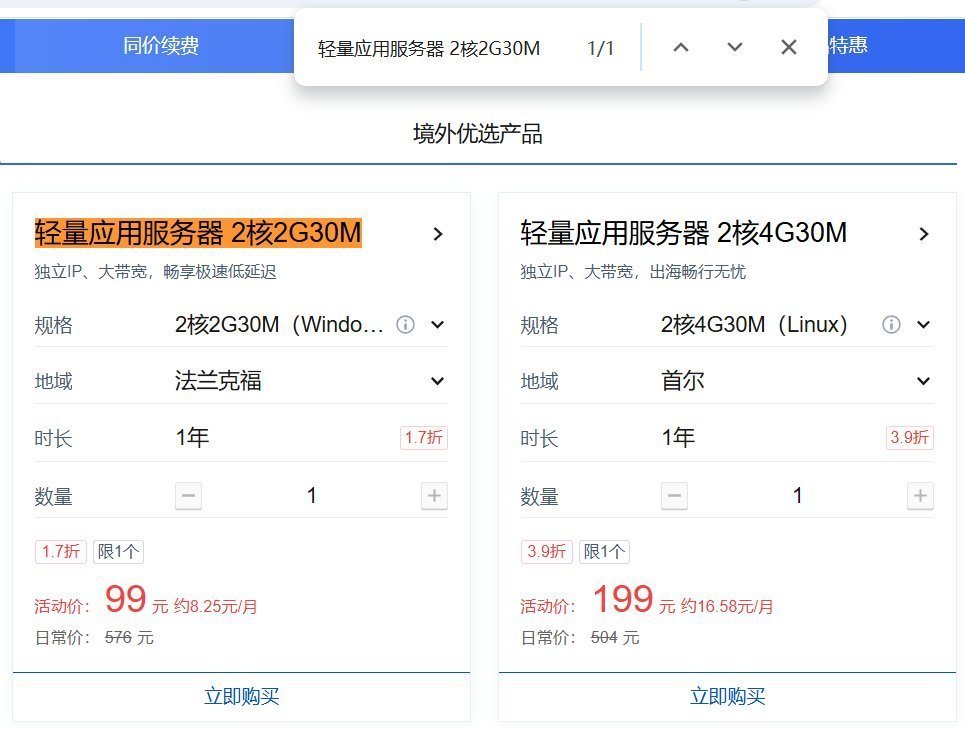

27013 粉丝
View History
Muse被爆出在开发Trusted Network。
这意味着什么?
Muse 正在从单人助手走向代理之间可以互相通信。
现在的Muse是单独替你办事 - 购物清单、凌晨值机、清理收件箱、找收据里的钱等等。
一旦Trusted Network上线,你的Muse可以和朋友的Muse在权限范围内协商,比如约饭、改行程、交流购物经验,Muse谈完再把已经达成一致的方案交回给你,而不是继续靠你截图、发消息来回翻译。
能想象未来生活会变成什么样吗?
129200 粉丝
View History
⚡ 重演 2000 年崩盘?$NVDA 出现的“Three Drives”形态到底可怕不可怕? 👀
有人拿 2000 年 Dot-Com 泡沫顶部的三冲形态套在现在的英伟达身上,引发市场惊慌!
🎯 看点速揽:
空头警告:三冲看跌形态确立,AI 泡沫面临阶段性修正
多头反驳:现在的 NVDA 有硬核业绩与强劲 FCF(现金流)护城河,并非当年空壳泡沫
策略:看重基本面数据(如科技巨头 CAPEX),少看单纯的技术指标画线
理性看盘,拿稳筹码,做好风控!
去持仓 NVDA 的兄弟回评论区报个名:你打算减仓还是继续 HODL?👇
🎬
视频
310282 粉丝
View History
问你们:
真有不喜欢水多的女人吗?
还是,他只是在炫耀? https://twitter.com/sujing110/status/2106898178247364961/photo/1
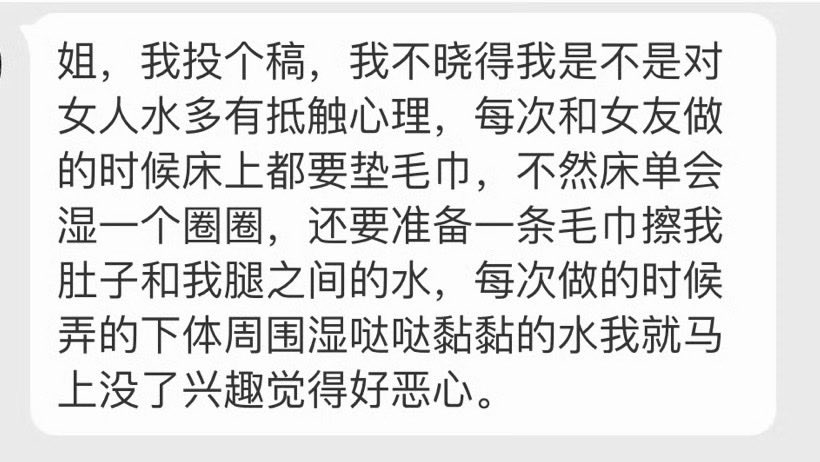
156726 粉丝
View History
好久没关注 NFT 了,发现这个设计的还真好。
https://www.onbluescreen.com/
166907 粉丝
View History
RT @NEJM: The phase 3 ISLEND-1 trial tested a switch to once-weekly oral islatravir–lenacapavir versus continuing once-daily bictegravir–emtricitabine–tenofovir alafenamide in adults with suppressed HIV-1. Research findings are summarized in a new Quick Take video. https://nej.md/4xTGXKQ https://twitter.com/NEJM/status/2106821705087791134/photo/1
中文: RT @NEJM:3期ISLEND-1试验测试了在HIV-1受抑制的成人中,与每天持续一次的千氯唑-阿卡韦-阿卡韦(Islatevir)-阿卡韦(ISLEN)-阿芬胺(氨基甲酸二甲苯)的转药相比。研究成果总结为一段全新的快速拍摄视频。
939446 粉丝
View History
落基山下圣路易斯谷的大沙丘国家公园,北美最高最大的沙丘,最高处大约230米高,面积大约80平方公里。去的时候刚下过雨,人不多,而且沙子还湿着,走起来容易。 https://twitter.com/fangshimin/status/2106897522514161891/photo/1


2936694 粉丝
View History
🚨 JUST IN: OpenAI CEO Sam Altman says society should be willing to "accept some bad things happening" in exchange for AI's benefits, per Politico. https://twitter.com/Cointelegraph/status/2106897350820012102/photo/1
中文: 🚨 Just IN:OpenAI首席执行官萨姆·阿尔特曼表示,社会应愿意接受一些不良事件,以换取人工智能的好处,根据Politico。


16165367 粉丝
View History
invite-only vibes https://twitter.com/binance/status/2106897225108296070/photo/1
中文: 仅限邀请的氛围
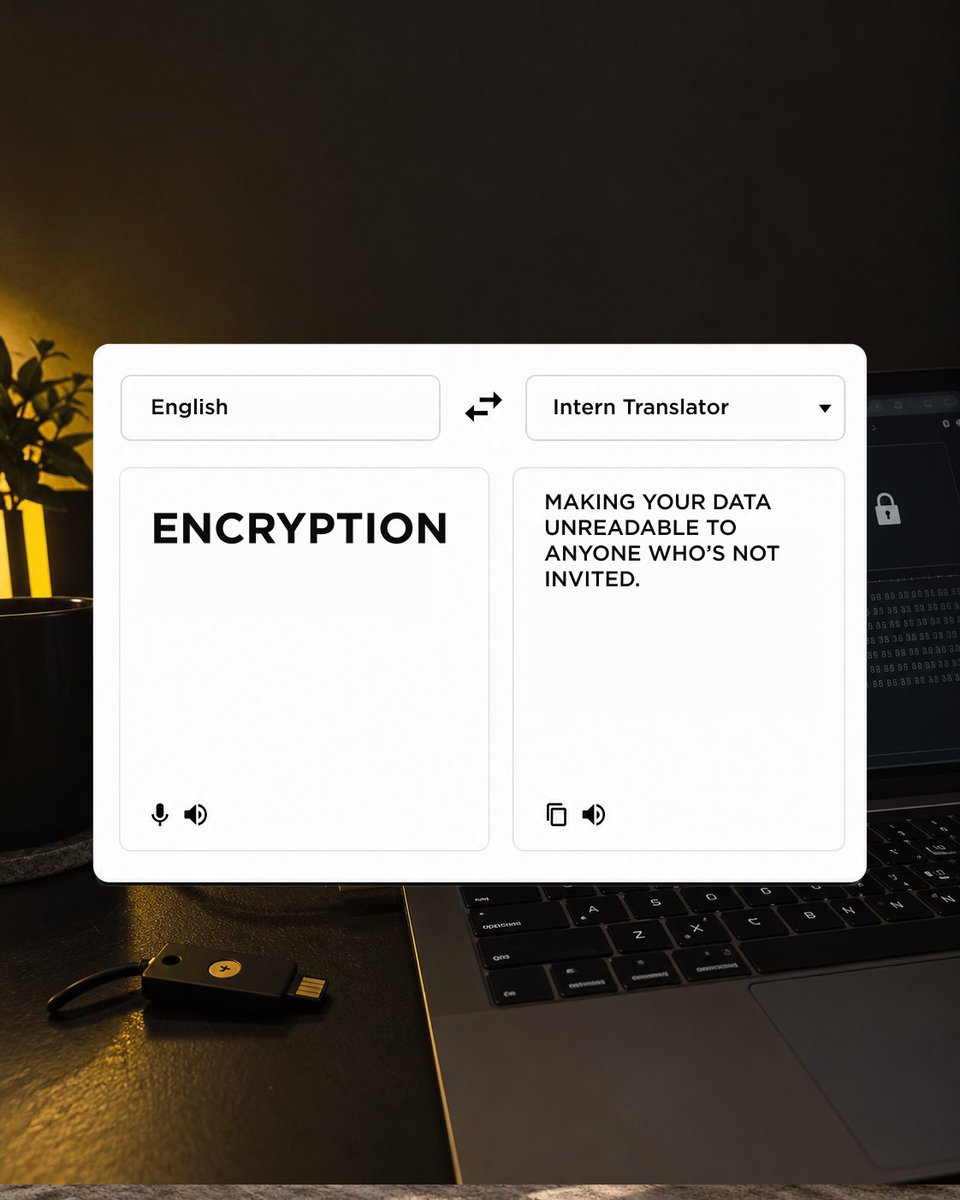
88735 粉丝
View History
想刷算法竞赛题、准备专升本或者考公,第一步往往卡在找资料,网盘链接一个个失效,教程东一篇西一篇。
Knowledge Commons 是一个开源的离线学习平台,把散在各处的公开学习资源收集起来分好类,再编成「从零到精通」的路线,装进同一个 App 里。
题库量挺大,Codeforces 1.1 万多道题加 AtCoder 9600 道题都能离线搜,另有蓝桥杯题解 168 份、公考图形推理真题 354 道逐题解析。
GitHub:https://github.com/TaiMaBenJi/knowledge-commons
世界技能大赛 50 个赛项也收进来了,每个都有总纲、视频课和模拟训练。每个板块还配了一节「第一课」,讲这是什么、今天第一步做什么、学完去哪。
网页版打开就能用,加到手机主屏幕后可以离线看,安卓、苹果、Windows、Mac、Linux 也都有安装包。这么多资料整理到一起,工作量真不小。
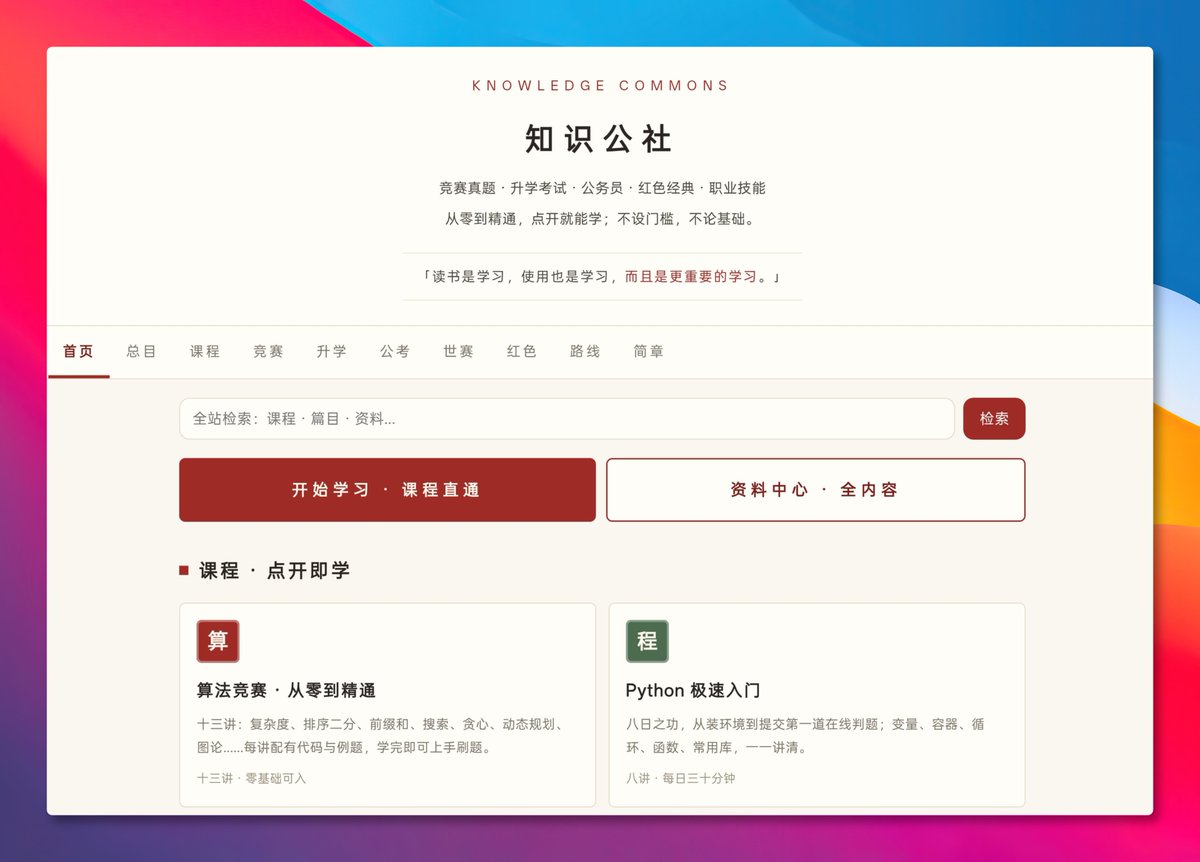

88375 粉丝
View History
2049 今日活动 punk 精选:
10/5 活动刚开始所以不多,只有 29 场,我筛选一些出来大家可以快速选择
- 9 点开始的 0G 开发者日:0G 最近在 AI 领域动作颇多,拉盘也挺猛,可以去会场玩玩,可以从早晨白嫖吃喝的到晚上😂 可以找 @vanessaaal7 带你玩(0G 任何的风吹草动,合作找她就对了)
- 10 点开始的 Solana 黑客松,如果想看新项目可以去这里看看新项目新机会,目前 746 人报名(位置就在国立大学附近,还可以去逛逛)
- 下午 5 开始的 NODEXX 泳池派对,会搞事情的项目方,项目方也在富贵群里(虽然没给我审核通过🐶)
- 下午 5 点开始的 Web3 创始人与 Builder 的游艇派对,白天人起不来晚上活动比较多(这个是创始人的大家酌情参加)
- 晚上 6:30 0G 的 VIP 闭门晚宴,还是找 @vanessaaal7 小姐姐
其他的没有了,预告一下,10/6 号活动迎来爆发 135 场,不用拍我会推荐给大家的,请认准 https://2049.punk2898.xyz/
ps:很多专业投资人的闭门会议就不推荐了,一般都满了

559007 粉丝
View History
SEC Commissioner Hester Peirce: Strict Regulation Ended Up Favoring "Useless" Meme Coins
Outgoing U.S. SEC Commissioner Hester Peirce @HesterPeirce said in a September 27 interview with @scottmelker that people's right to protect their financial privacy should be respected. She noted that people are not normally required to expose all of their financial transactions to the public, and while blockchain offers transparency, that openness also makes privacy protections necessary.Peirce said that while law enforcement must still be able to do its job, protecting financial privacy in everyday life should be treated as the default rather than as a sign of suspicious activity.
中文: 美国证券交易委员会委员海丝特·皮尔斯:严格监管最终支持“无用”的币枚
即将卸任的美国美国证券交易委员会委员赫斯特·皮尔斯@HesterPeirce在9月27日接受@scottmelker采访时表示,应尊重人们保护其财务隐私的权利。她指出,通常不需要人们向公众公开所有金融交易,尽管区块链提供了透明度,但开放性也使得隐私保护变得必要。皮尔斯表示,尽管执法部门仍必须能够履行其工作,但日常生活中保护财务隐私应被视为默认行为,而非作为可疑行为的征兆。
🎬
视频
181692 粉丝
View History
SEC 委员 Hester Peirce:严格的监管反而让“无用”的 Meme 币受益
即将离任的美国 SEC 委员 Hester Peirce @HesterPeirce 9 月 27 日接受 @scottmelker 采访时表示,过去加密行业曾想尽办法避免被认定为证券,因为一旦进入证券监管框架,就会面临较大压力。
她认为,这种监管环境反而产生了讽刺的结果:一些 Meme 币直接宣称自己“没有用途、没有目的”,以此远离证券监管,而真正试图创造实际用途的项目反而更难发展。Peirce 表示,监管应该在适用时提供投资者保护,而不是迫使所有项目逃离监管框架。
来源:The Wolf Of All Streets
🎬
视频
26414497 粉丝
View History
🔊The leader of Yemen's Saudi-backed government announced the beginning of a major military operation against the Iran-backed Houthis. What this means for the Iran war - listen on the Reuters World News podcast https://reut.rs/3VujlyP https://twitter.com/Reuters/status/2106897156317520110/photo/1
中文: 也门沙特支持的政府领导人宣布,将开始对伊朗支持的胡塞武装发动大规模军事行动。这对伊朗战争意味着什么——请收听路透社世界新闻播客

166907 粉丝
View History
“永远不要舍弃灵魂中那个心高气傲的英雄,一切从尊敬一事无成的自己开始。”
明天对世界而言,永远是个奇迹...... https://twitter.com/HotmailfromSH/status/2106897009810817408/photo/1
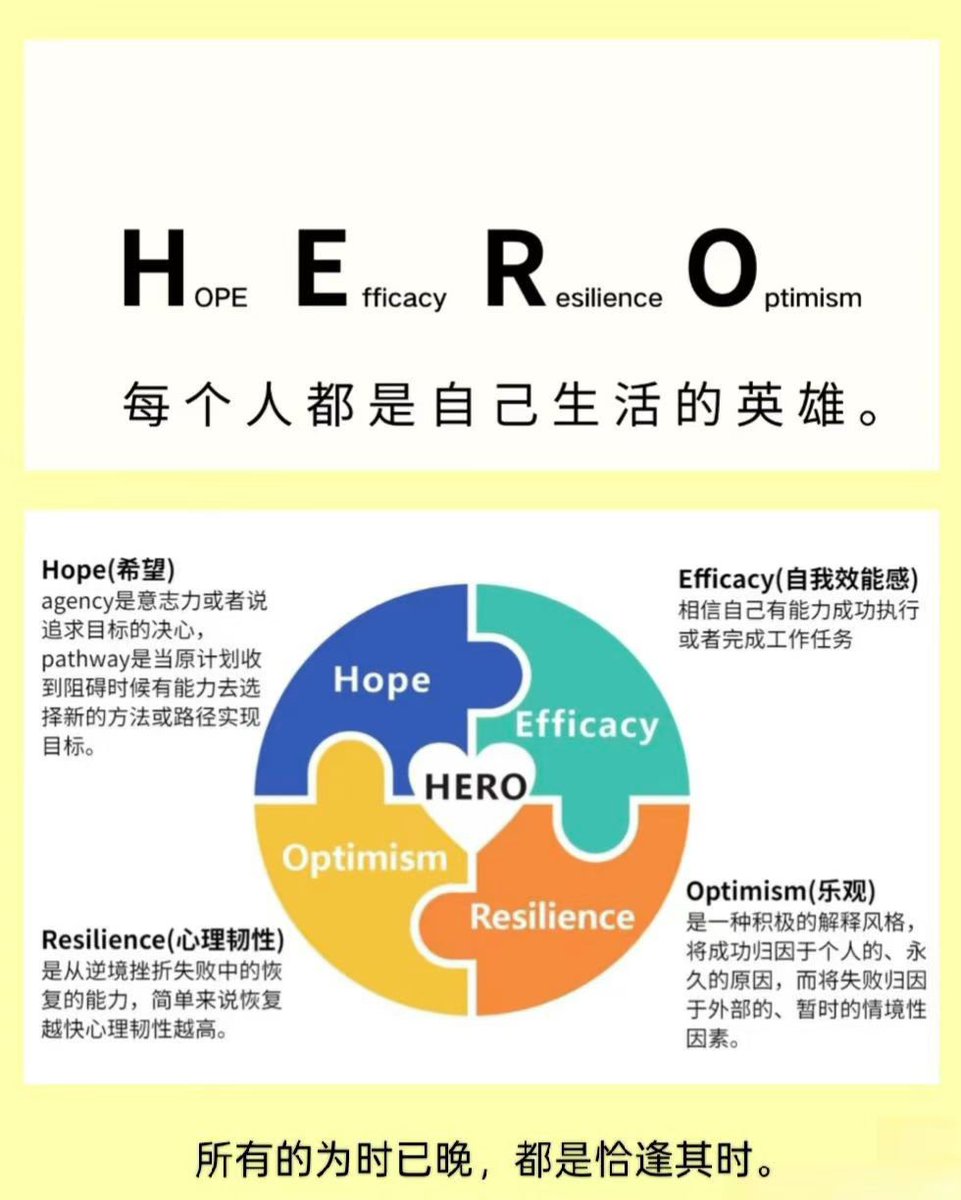

67165 粉丝
View History
Jesus command you go into the world and multiply
中文: 耶稣吩咐你进入世界并繁衍
83300 粉丝
View History
. @axisrobotics 的创作者活动第二季已经更新到最后一篇了,截止日期是10月18日,在9月19日-10月18 这个周期内,需要更新10篇。
活动链接:https://kaito.ai/studio/camp_55a16fab19c3
从社区轮的角度看,这个项目的格局不错,预估在10月份会发币,发奖励。
总体的空投任务详情:https://x.com/jiao_newlife/status/2092969388555358425?s=20 https://twitter.com/jiao_newlife/status/2106895861213172093/photo/1
25039 粉丝
View History
对折 100 次超过可观测宇宙 https://twitter.com/QingQ77/status/2106895863566192648/video/1
🎬
视频
19023 粉丝
View History
19023 粉丝
View History
Momen 是个无代码产品,他们在 Onboarding 里放了个表单,问用户从哪里知道产品的。
明确填了来源的人里,32% 选的是 YouTube。
团队当时只跟五六个创作者合作过,没怎么把 YouTube 当回事。回头一查才发现,那几条深度教程一直在带长尾用户。后来就加大了教程和 Showcase。
当然这个数字是用户自己报的,不是完整归因,也说明不了这些人付费质量怎样。但它纠正了团队的直觉。
同一个产品还有个观察:把"数据绑到界面上并成功预览出结果"当作 Aha Moment,走完引导的人比跳过的人留存天数高约 50%。
这里要小心,能走完引导的人,可能本来就更想用、更有时间。所以这是相关,不是引导造成的。拿来当继续优化引导的线索可以,拿去跟老板说"引导让留存涨了 50%"就不行了。
310282 粉丝
View History
早上起床时还是很阴沉的天
很快就转晴了
这就是我喜欢澳洲的原因
晴天多
极少极少极少有阴雨天
即使有,也会中间出太阳的
哈哈 https://twitter.com/sujing110/status/2106893325693530449/photo/1


3505868 粉丝
View History
We’re already starting to see what kind of new jobs AI is creating.
AI requires significant technical work and surrounding services to deploy into the economy. This means jobs for AI engineers that build applied AI products sold to (or within) enterprises, FDEs to deploy agents into companies, new services firms for deploying AI, and more.
And even the published stats of new jobs undercount all the existing jobs that are transitioning to new areas of AI work in an enterprise. Many prior data, research, and software jobs large enterprises are also being repositioned for working with AI.
Every bank, life sciences company, manufacturer, and even law firm is bringing on more technical talent -or repositioning existing roles- to help with agent deployment in their companies. It’s a lot easier to picture what AI can replace vs. what it creates until it starts happening. Now we’re seeing what this looks like.
中文: 我们已经开始看到人工智能正在创造什么样的新工作岗位。
人工智能需要大量技术工作和周边服务才能向经济领域投入。这意味着人工智能工程师能够将应用人工智能产品出售给(或内部)企业,FDE用于向企业部署代理,以及为部署人工智能而开发新的服务公司,以及更多工作。
甚至已公布的新工作岗位统计数据也低估了企业中所有正在向人工智能工作新领域过渡的现有工作岗位。许多以往的数据、研究和软件工作大型企业也正在被重新定位以用于人工智能。
每家银行、生命科学公司、制造商甚至律师事务所都在引进更多技术人才,或重新调整现有职位,以帮助其在公司中部署代理人员。在人工智能开始发生之前,要了解哪些能取代它所能替代的,这要容易得多。现在我们看到这看起来是什么样子。
2976463 粉丝
View History
President Trump just posted this image on Truth Social and we brought it to life.
Barack Hussein Obama is indeed the most corrupt President in U.S. history. https://twitter.com/TrumpDailyPosts/status/2106892119864672441/video/1
中文: 特朗普总统刚刚在Truth Social上发布了这张图片,我们将其带入了生活。
巴拉克·侯赛因·奥巴马确实是美国历史上最腐败的总统。
🎬
视频
310282 粉丝
View History
新州今天庆祝的是劳动节
昆州今天庆祝的是国王的生日
你知道吗?
310282 粉丝
View History
娘啊,我来澳洲十几年了
刚刚才知道:
劳动节澳洲每个州的时间都不一样!
我所在的新南威尔士,劳动节是今天,2026 年 10 月 5 日,星期一。
新南威尔士把劳动节定在每年十月的第一个星期一,纪念当年争取八小时工作制。
但,这不是全国统一的假日。
维多利亚、西澳大利亚、塔斯马尼亚的劳动节在三月。
昆士兰和北领地的劳动节在五月的第一个星期一。
439498 粉丝
View History
Registration now open: From World Models to Real-World AI
Join us on October 26 in Tokyo for a symposium with @SchmidhuberAI, who recently joined @SakanaAILabs as our Chief Scientific Advisor.
The program features a keynote and Q&A by Jürgen and short talks by Sakana AI researchers on our work at the RSI Lab.
- Date: Monday, October 26, 2026, 15:00–18:00 JST
- Venue: Hitotsubashi Hall, Tokyo, Japan 🇯🇵
- Language: English
- Admission: Free (registration required)
Seating is limited, so please register early.
Register here: https://luma.com/kjf0z516 🐟
114033 粉丝
View History
the department of fomo left me a briefcase. i've been told not to ask about the pickle. @FomiesNFT #Fomies https://twitter.com/wenxue600/status/2106891480359178662/photo/1
中文: ofmo 的部门给我留下了一个公文包。我被告知不要问起泡菜。@FomiesNFT #Fomies

25039 粉丝
View History
把闲置的 ESP32 开发板和 Linux 机器变成能听 Muse AI 助手指挥的硬件设备。
https://github.com/facebookincubator/muse-gadget-sdk
Meta 把 Muse 的设备端 SDK 放到了 GitHub 上,分 ESP32 固件和 Linux 服务两条线。ESP32 这边列了 17 款能刷的板子,其中七款跑得动完整 UI——动画头像、按键对讲、设置菜单,带 PSRAM 的还能开家庭网络隧道去摸局域网里已有的设备。
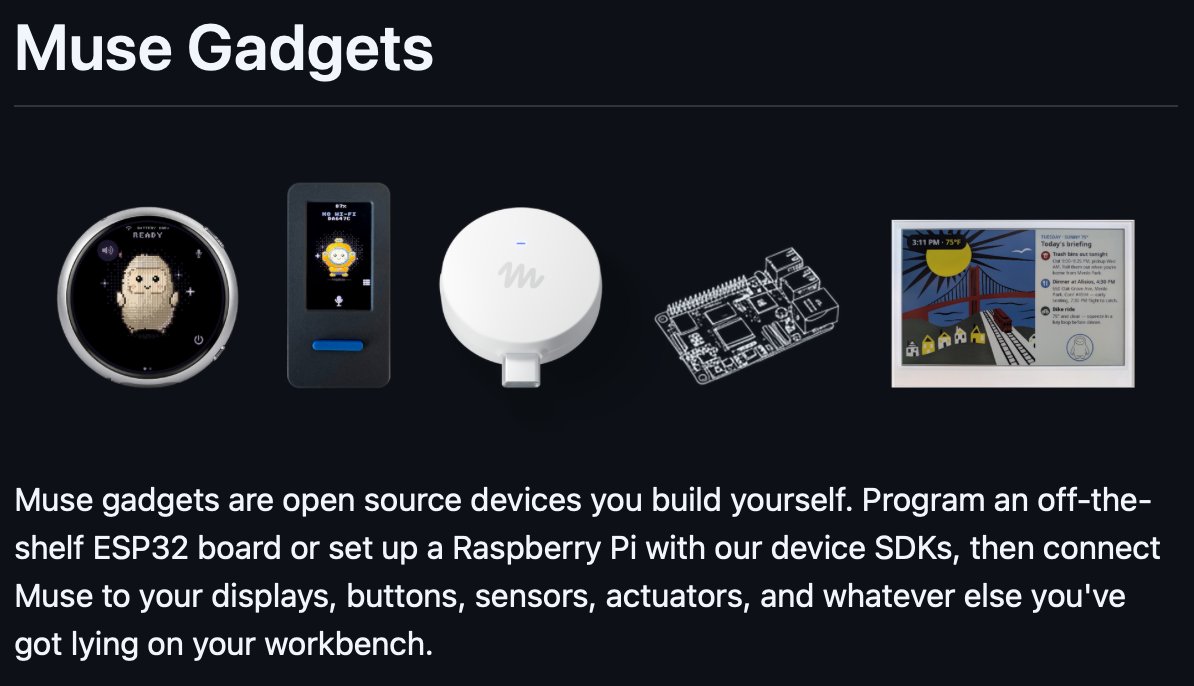
439498 粉丝
View History
RT @SakanaAILabs: 【受付開始】From World Models to Real-World AI — 日本から拓くAIの新時代
Chief Scientific Advisorとして当社に参画したJürgen Schmidhuber博士を迎えるシンポジウムを、10月26日(月)に東京・一橋講堂で開催します。本日より一般申し込みを開始しました。Schmidhuber博士による基調講演とQ&A、 CEO David Haとの対談、Sakana AI研究者によるショート講演を予定しています。
日時:2026年10月26日(月)15:00〜18:00
会場:一橋講堂(東京・千代田区)
言語:英語(通訳なし)
参加費:無料(事前登録制)
※ 席に限りがありますので、お早めにお申し込みください。
お申し込みはこちら:
https://luma.com/kjf0z516 🐟
26414497 粉丝
View History
Oil climbs after Yemeni Houthis attack Saudi Aramco sites https://reut.rs/4zzPVOH https://reut.rs/4zzPVOH
中文: 也门胡塞武装袭击沙特阿美网站后,油价上涨
939446 粉丝
View History
汉学家说,中国传统的狗形象是很正面的,是共产党的政治宣传才让“走狗”成了贬义。至少在清朝“走狗”就已经是骂人的话,郑板桥就骂过袁枚是“斯文走狗”。狼心狗肺、狗仗人势、狗眼看人、人模狗样、狐朋狗友、狗改不了吃屎、狗急跳墙、鸡零狗碎、跖狗吠尧、蝇营狗苟……汉学家教教我中文关于狗有啥好词? https://twitter.com/fangshimin/status/2106889976424395202/photo/1
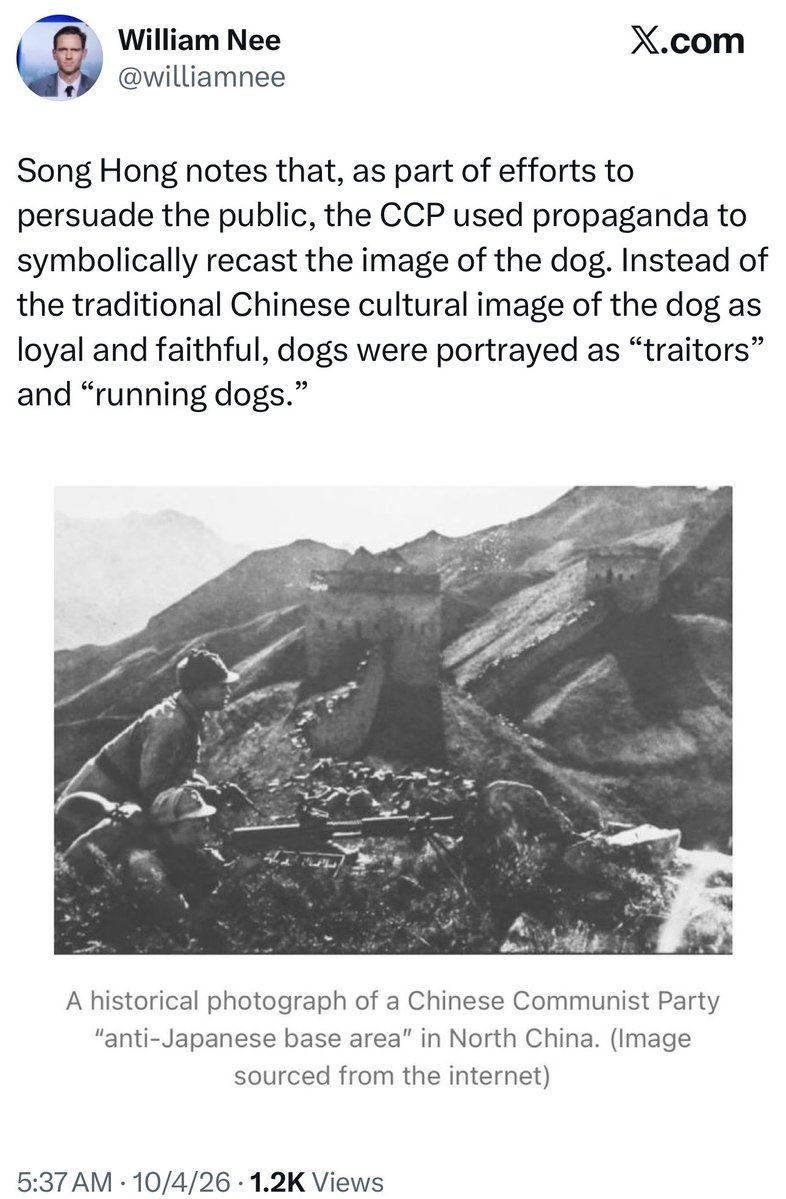
2936694 粉丝
View History
🔥 INSIGHT: @RaoulGMI says 99% of people will lose everything in their crypto speculation bucket.
Speaking with @itsciaranlyons, the Real Vision co-founder laid out his "don't f*** this up" thesis: keep 80% to 90% of your portfolio in quality names like Bitcoin, Ether and Solana, and only speculate with the rest.
Outside of Dogecoin and Shiba Inu, he says almost every meme coin has gone to zero, as he explained on #TRADESECRETS.
🎬
视频
26414497 粉丝
View History
CSL strikes rare disease drug deal worth up to $1.6 billion with Swiss firm Alentis https://reut.rs/4hYzBkl https://reut.rs/4hYzBkl
中文: CSL与瑞士公司Alentis达成价值高达16亿美元的罕见疾病药物交易
310282 粉丝
View History
【科普】
1,身高和阴道长度最多只有很微弱的关系。同一身高里的个体差别,比高矮两组之间的差别还大。
2,阴道未兴奋时大约 7–10 厘米,兴奋后会明显变长、变宽,宫颈还会上抬,所谓“帐篷效应”,所以能容纳的深度不是固定尺寸。
3,“顶到子宫”其实多半是顶到宫颈。这取决于几件事叠在一起:对方的长度和角度、体位、她当时有没有充分兴奋、子宫是前位还是后位。
4,如果确实经常深处疼,更常见的原因是兴奋不够、体位进得太深、角度太直,而不是她个子矮。

10821 粉丝
View History
RT @GreenPlusAnE: The West has ten years to decide whether it wants to survive, or appease the pensioners. It may be too late for France.
中文: RT @GreenPlusANE:西方有十年时间来决定是否想要生存,或安抚退休人员。对法国来说可能为时已晚。
10821 粉丝
View History
RT @hrkrshnn: We just released apex-flash-1, an open-weights model we post-trained for cybersecurity. Fire up your GPUs and run it!
We've post-trained models from 27B parameters all the way to 1T+ parameters. The unique nature of cybersecurity is that if you can build a system that finds zero-days at scale, you've built a machine that can print money.
You can test it on public bug bounties and profit from doing that. We've earned a million dollars in bounties across various programs, and we're currently #1 on the HackerOne US business leaderboard for 2026! Companies like Apple, Anthropic, Datadog, Ripple, Coinbase have paid us well for our disclosures.
Last year was all about harness engineering and riding the wave of models getting more intelligent over time. We built harnesses for offensive and defensive security work that process trillions of tokens a month. Yes, trillions!
With all that work, it's clear to us what the future of security looks like.
Hacking was once a bespoke skill, similar to hardcore software engineering. Software engineering is currently moving from offices to factories. Security, too, will go through the same transition.
Last month, Anthropic released a report on how they caught different threat actors abusing Claude. One of them stood out to me. A team in China built an automated exploit factory. A factory that autonomously grinds through vulnerabilities in targets and exploits them. Their targets included security products, network appliances, and government organizations.
We've spent enough time building systems adjacent to that to know what it takes, and the shocking part is the economics. How little it costs to breach companies that you and I rely on.
All this to say, security is largely becoming an economics problem. Reasonably capable models and harnesses, with enough compute, can find ways to steal your data, damage your reputation, and sometimes even take your money. And the cost to achieve that is dropping every day.
When that happens, the right question to ask is: what's the cost, and what's the lowest cost to achieve an outcome reliably? You want to find a stack with the best combination of capability and cost. This is what people call 'Pareto-optimal'.
Once you know that, it's all about scaling. Scaling to trillions of tokens a month, then a week, then a day. Eventually, trillions of tokens a second.
To do this, you need to own and control the entire stack: the models, the harnesses, the context, and even the flow of tokens. If you do the math here, the economics start looking insane.
What does that look like?
1. Building evaluations on cyber tasks that you and your customers care about.
2. Building a data pipeline of unique real-world data with signal attached to it.
3. Building a harness that can self-improve for each specific organization or customer.
4. Building a post-training loop that can take those learnings and improve the models. Models that are better, faster, and cheaper.
5. Owning your inference pipelines and controlling the flow of tokens so you're maximizing the value produced in every GPU cycle.
On evals: if you're a company building AI products for customers, you have to build your own. There's tremendous alpha in having internal evals corresponding to real work. In our case, these are evals for offensive and defensive security work.
A lot of public evals are bad for measuring the work you actually care about. Public evals are typically from academics or data companies.
Academics have limited budgets and limited access to proprietary data that measures real economic work. Data companies build evals and also sell you corresponding data (RL gyms, traces, pre-training data, etc.) that helps your next model “juice up” its score.
This is the dirty secret, and also why models can do extremely well on public evals but extremely poorly on things you care about. This is also why there's tremendous alpha in private evals: you know which models are the best for your use cases.
In cyber, some of the popular public evals are ExploitGym and ExploitBench. We think these evals do not correspond to the real security work our customers need. A typical challenge in ExploitBench is to take Chrome's javascript engine V8 with a known patch and find a way to exploit the vulnerability.
That is far, far removed from the security issues in everyday applications that you and I use, and applications built by our customers.
We could've benchmaxxed on these evals, but we didn't. And you should be wary of people using these evals to advertise their models and harnesses. Measure things yourself and see how they apply to your use cases.
The future: Opus is a model that many people found to be a reliable workhorse. For me, Opus 4.1 was the first model that was functional and could get work done.
These days, the flash models from Qwen, DeepSeek, MiMo and GLM can be categorized as workhorses too. That, combined with owning the post-training loop means the economics start looking insane. You can get frontier performance in specific domains for a small fraction of the price of Opus.
With the right data pipelines and post-training loop, you now have a durable strategy to keep improving and stay state-of-the-art in your vertical.
That's the bet behind apex-flash-1, our post-train of glm-5.3-flash, and we're already preparing for longer training runs.
🎬
视频
26414497 粉丝
View History
Appeals court pauses reinstatement of fired Seattle federal prosecutor https://reut.rs/47vYuxM https://reut.rs/47vYuxM
中文: 上诉法院暂停恢复被解雇的西雅图联邦检察官职务
310282 粉丝
View History
对于不怎么喜欢前戏的女孩子
你前戏越多
她心里越会给你定论:
“实力不够,前戏来凑”
建议:
1,做之前自己打个飞机
2,吃药 https://twitter.com/sujing110/status/2106886388797022391/photo/1
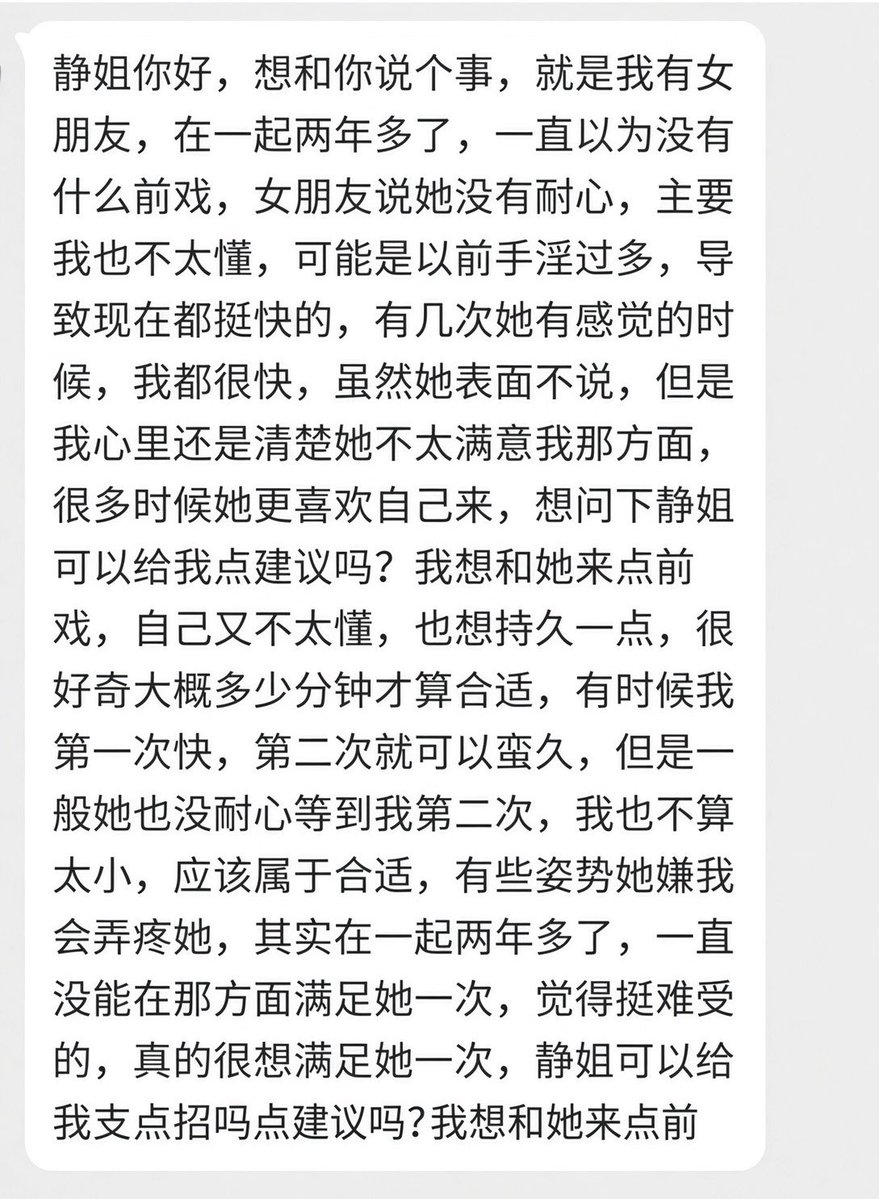
10821 粉丝
View History
@DavidSacks can you talk to @realDonaldTrump and proactively stop anyone from Russia coming in here? Thx
中文: @DavidSacks 可以与 @realDonaldTrump 通话,主动阻止任何来自俄罗斯的人来此?thx
380040 粉丝
View History
十一期间,大量网友蒙面持证冲塔!中共害怕了! https://twitter.com/caijingshujuku/status/2106884425002942519/video/1
🎬
视频
2976463 粉丝
View History
RT @TrumpDailyPosts: Today Brazil will vote in person for President.
A photo ID is required.
There is no giant mass mail vote system.
The count and results are out the same day.
中文: RT @TrumpDailyPosts:今天巴西将亲自投票选举总统。
需要带照片身份证件。
没有大型的大规模邮件投票系统。
统计结果和结果在同一天公布。

252499 粉丝
View History
OpenAI Codex 承诺连续 28 天:每天上新,否则重置额度
OpenAI 给 Codex 用户立了个 28 天的规矩:每天要么上线一项多数人用得上的明显改进,要么给大家把用量额度整个重置一次。
26414497 粉丝
View History
🔊 Ethiopian government forces retook the capital of Tigray, dealing a major blow to the opposition alliance that launched an offensive just weeks ago. Today's episode of the Reuters World News podcast examines the latest developments https://reut.rs/3VujlyP https://twitter.com/Reuters/status/2106882066285547735/photo/1
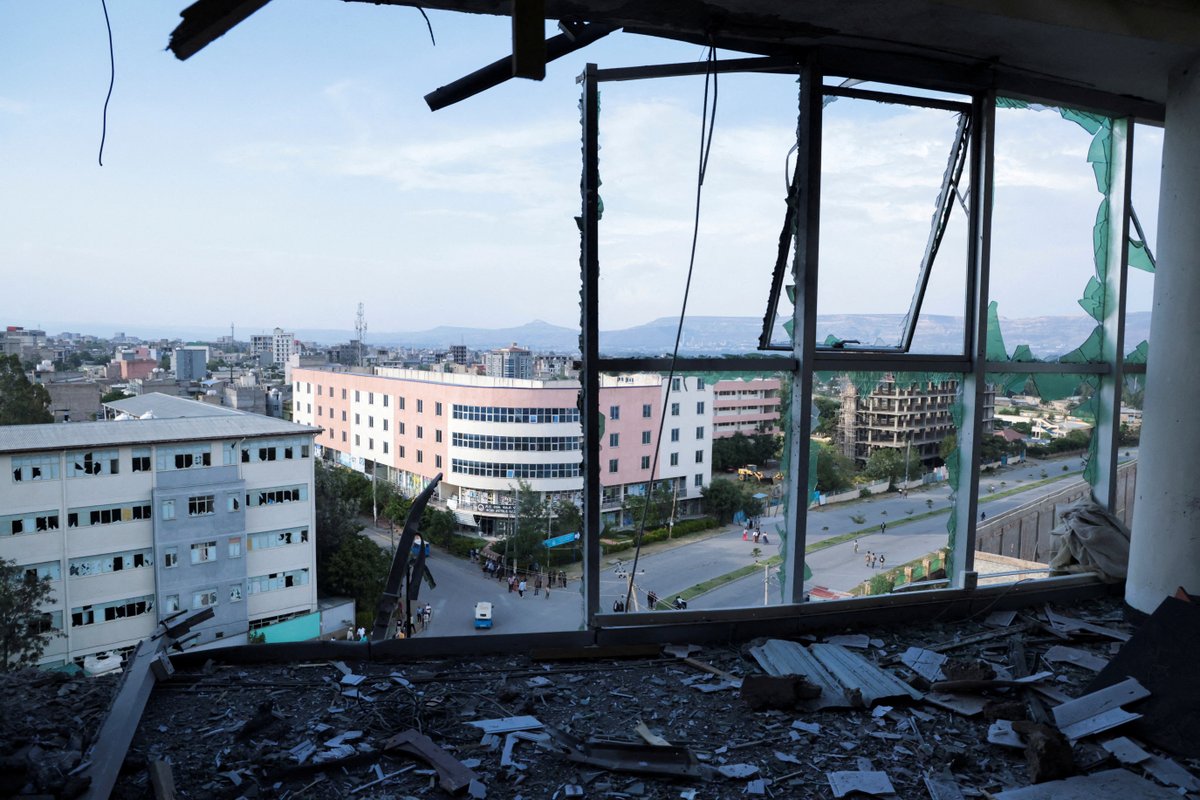
310282 粉丝
View History
垃圾已经收走。
今天澳洲劳动节
怪不得街上没啥人
红桶是生活垃圾
每周都收
绿桶是树枝草等花园垃圾。两周收一次
黄桶是可回收的,也是两周收一次。
这费用是包含在council fee里的
我家一年$2654.18(刚查的)
这个比住公寓费用便宜多了 https://twitter.com/sujing110/status/2106880449339654169/photo/1

697857 粉丝
View History
How Crusoe builds a portfolio of different financially returning chip products
“We have a range of different deals that we are doing with the compute we are buying.
We are renting capacity on a long-term basis, call it five-year contracts, to credit-quality customers. There are shorter-term contracts that we will do at higher margins, but they are riskier.
Then there are other services that we provide, like Crusoe Managed Inference and our serverless fine-tuning product. Those contracts are typically much shorter-term in nature, and they end up being higher margin to Crusoe.” @ChaseLochmiller
Love to hear your thoughts @branninmcbee @bernhardsson @vipulved @tuhinone
🎬
视频
404160 粉丝
View History
RT @LetoAtreides5: Shreya's Product Sense course really stands out on both the content, a refreshing break from the marginally useful "conventional" product/business advice out there, and how it's delivered. A masterclass in effective and engaging teaching.
中文: RT @LetoAtreides5:Shreya的产品感知课程在内容上都非常突出,这与一些略有用的“传统”产品/商业建议以及其提供方式截然不同。高效且引人入胜的教学大师班。
310282 粉丝
View History
我妈微信头像是她的两个亲孙子
我婆婆微信头像是她的孙女和外孙的合影
哈哈,我觉得我妈还真是不掩饰我娃的无足轻重。

24716 粉丝
View History
no cap, we got RoPE’d in. https://twitter.com/VoidAsuka/status/2106878562532032962/photo/1
中文: 没有上限,我们收到了ROPE。

682385 粉丝
View History
All assets here:
https://milesdeutscher.com/
中文: 此处所有资产:
682385 粉丝
View History
How I used 𝕏 (and CT) to turn $10,000 into $30,000.
My custom AI scanner gives me a massive information edge in the market (copy this): https://twitter.com/milesdeutscher/status/2106878311079272875/video/1
中文: 我如何使用X(和CT)将1万美元转化为3万美元。
我定制的AI扫描仪为我提供了市场上巨大的信息优势(参见此链接):
🎬
视频
26414497 粉丝
View History
Brazil election headed to runoff, projection shows, as Bolsonaro lead narrows https://reut.rs/4yrQxWh https://reut.rs/4yrQxWh
中文: 巴西大选即将进入第二轮投票,预计博索纳罗将领跑
310282 粉丝
View History
蔡康永说话很小心,不明确说支持谁,只是说想要来听听各方的意见。
然后微博那边直接就给定性了台独。 https://twitter.com/sujing110/status/2106877469978669445/video/1
🎬
视频
2976463 粉丝
View History
President Trump just posted this image on Truth Social where he is signing the awesome new White House helipad that was created of the Presidential Seal.
Being that President Trump's signature will be on there permanently will drive the leftists insane. https://twitter.com/TrumpDailyPosts/status/2106877272107954291/video/1
中文: 特朗普总统刚刚在Truty Social上发布了这张图片,当时他正在签署由总统印章创建的令人惊叹的新白宫直升机上。
特朗普总统的签名将永久出现,将让左翼人士精神失常。
🎬
视频
3915567 粉丝
View History
Wardrobe goals 🫶 https://twitter.com/BNBCHAIN/status/2106876447340343538/photo/1
中文: 衣柜目标 🫶
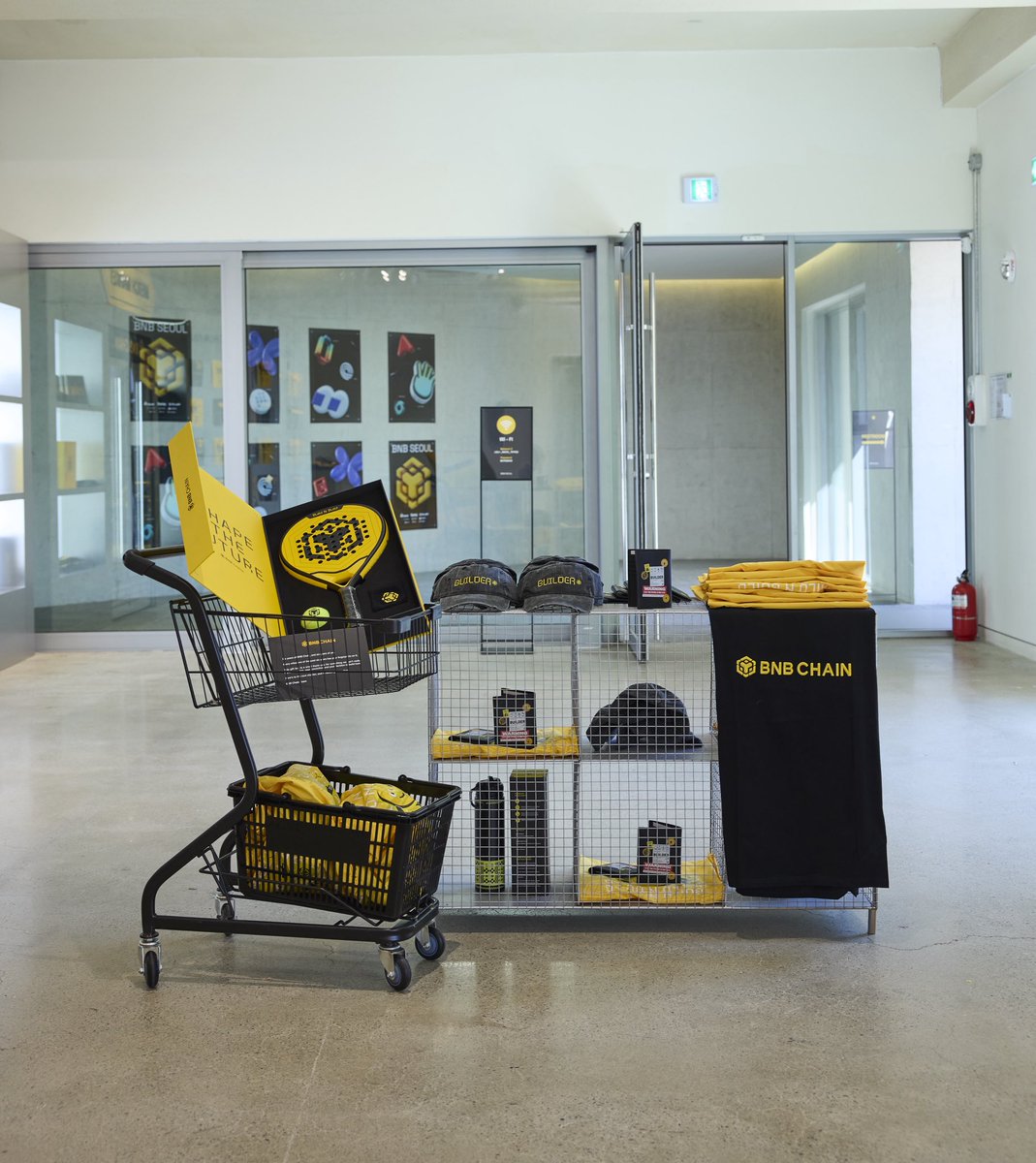
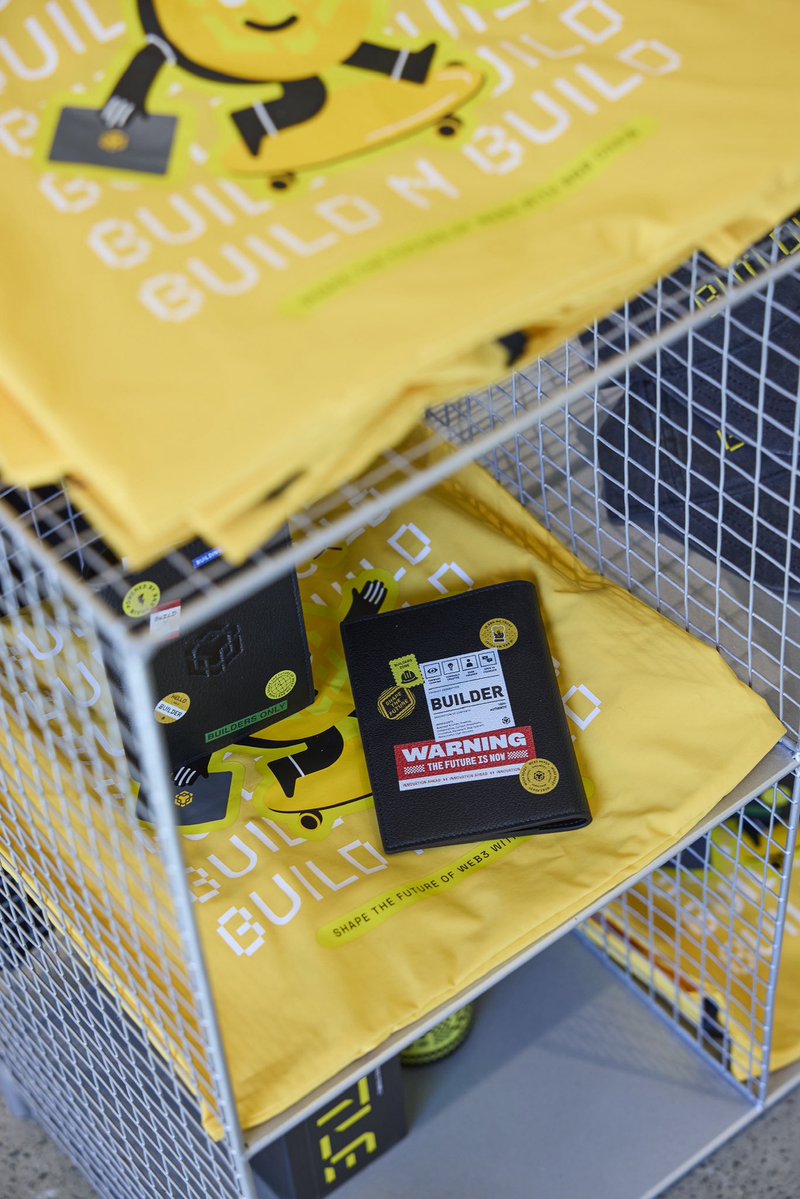

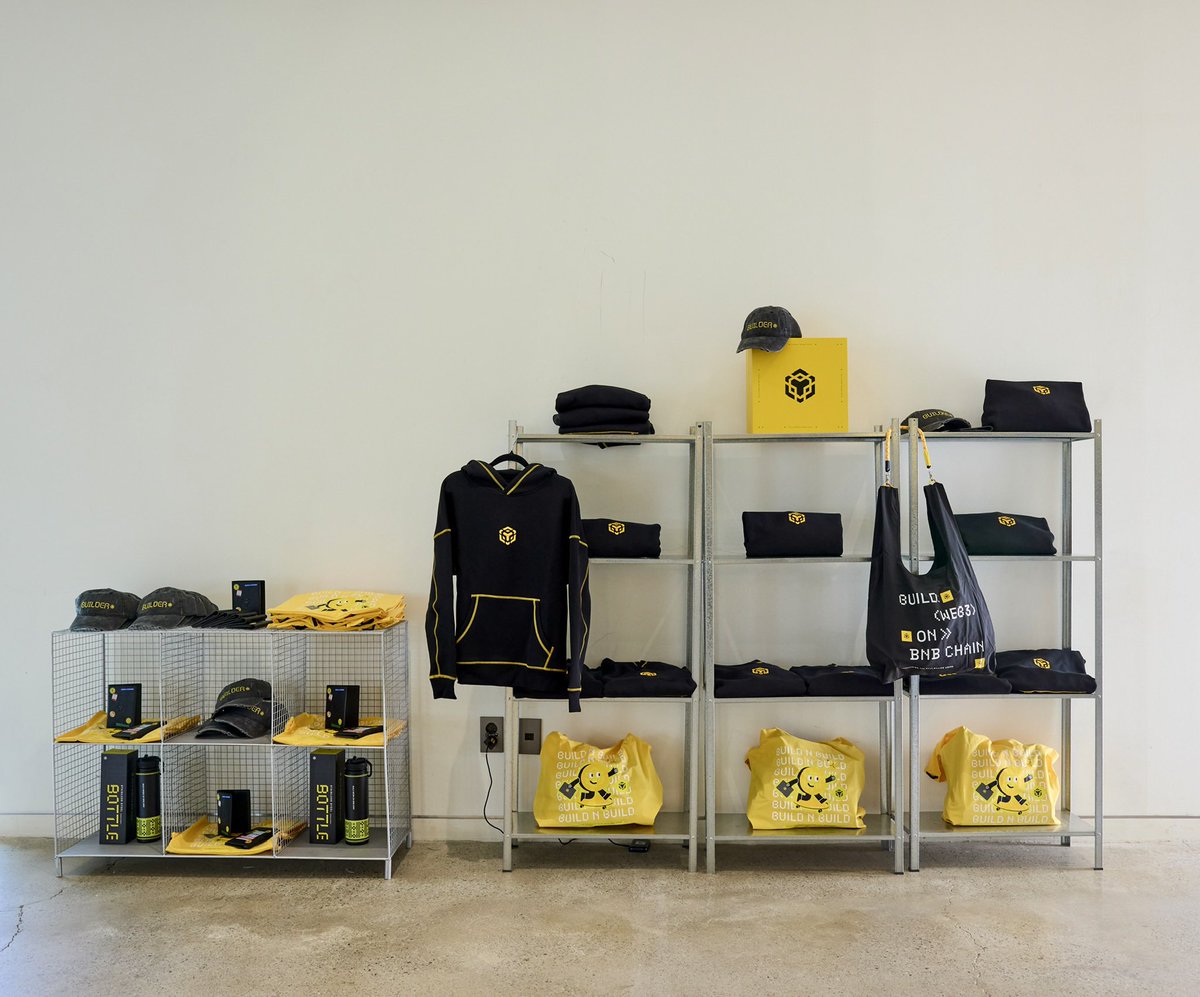
939446 粉丝
View History
饶毅把持的未来科学奖发给了学术骗子张亭栋,把未来科学奖变成了骗子科学奖,他还有脸批评别的科学奖乱发奖?哦,发给的是中国学术骗子,所以就不算崇洋媚外了。 https://twitter.com/fangshimin/status/2106876256432357380/photo/1


1150010 粉丝
View History
On Arbitrum this week:
The programmable economy train is accelerating on all fronts revenue, tokenization, privacy, perps and more
> Arbitrum generated a record $5M+ in revenue in September
> PGA has generated $150K+ in revenue on Arbitrum One (only a week since launch)
> In September, tokenized credit funds on Arbitrum One grew $90M in market cap (most out of all blockchains)
> The Arbitrum Foundation launches the Arbitrum Security Program subsidizing smart contract audits for teams building on the Arbitrum Platform (apply today)
> Over the last 30D, @BitgetWallet stock tokens added $12M+ in market cap on Arbitrum One led by rMSTR, rOKLO, rMRNA, rVOO and rCOHR
> A new category of tokenized assets is coming to Arbitrum One -> $500M in Australian solar and battery energy infrastructure via @Loafmarkets
> Over $3.29M+ processed in privacy swaps on Arbitrum One via @RocketXexchange
> @variational_io crossed $2B in Open Interest (more than 1/3rd of this OI is TradFi markets)
> @Karamvir_Gosal and the @TheRiskProtocol team share how Founder House London helped them sharpen their product, reach 4,000+ daily active wallets, win $40K, and become a Token2049 Nexus Top 10 finalist
> @Mercuryo_io's U.S. on-ramp volume to Arbitrum One grew more than 200% from Q1 to Q3
> @USDT0_to topped 500,000 transfers on Arbitrum One
> @0xfairblock launched CUSD, a new privacy stablecoin on Arbitrum One giving users and institutions access to private payments, payroll, treasury and settlement flows
> @stoveprotocol launches their financial infrstructure on Arbitrum One enabling more assets to come into the programmable economy
> @DenariaFinance reached $2.5M in trading volume for the first time with it's @GMX_IO deployment on Arbitrum One
> @RIFTHQ launched their swap/bridge platform on Arbitrum One
404160 粉丝
View History
RT @Prajjwa15840090: Just completed the @shreyas World Class Product Sense Course. Never thought it would be soo amazing & realise the ceiling is soo high! It's practical & will debunk a lot of misconceptions !
Thanks to Shreyas & team
61361 粉丝
View History
FT @TomZschach @swiftcommunity @chainlink
61361 粉丝
View History
Bank of England, the Federal Reserve, Ethereum, and Solana, all in one trade.
Former Swift Chief Innovation Officer Tom Zschach sketches how it could work:
"If you send two different assets, completely illustrative."
"The settlement is done off of Swift, maybe at a central bank, Bank of England or the Federal Reserve."
"The other side could be settled on Ethereum or Solana."
"You could call that real-time FX."
中文: 英格兰银行、美联储、以太坊和索拉纳,都在一个交易中。
前斯威夫特首席创新官汤姆·扎克勾勒了其运作方式:
如果你发送两个不同的资源,完全说明。
和解协议的达成取决于斯威夫特,或许在央行、英格兰银行或美联储。
另一方可以在以太坊或索拉纳上结算。
你可以称之为实时FX。
🎬
视频
2936694 粉丝
View History
⚡ QUESTION: Do you still own NFTs?
中文: ⚡ 问题:你还拥有NFT吗?
5067093 粉丝
View History
Deaths related to heart attacks and heart disease are statistically more common on Christmas and New Year's days.
中文: 与心脏病发作和心脏病相关的死亡在圣诞节和新年期间的统计统计上更为常见。

144251 粉丝
View History
这个公司我仔细分析了一下,股票代码是dogz. 股价跌去了99.24%。
从美股市场套走了5800万美元。
这也太狠了。
而且更加狠的是赤裸裸的利益输送。
2026年公司的营收是1590万美元,而亏损为2760万美元。
其中,2044万美元是资产损耗。
其中很大一部分是关联公司的损耗,
比如上市公司,投资了自家的 技术公司,private公司 DITC。
主要是 DITC(Dogness Intelligent Technology)投资。Dogness 原先以股票和认股权证作价约 1,900 万美元,换取 DITC 19.5% 股权;后来协议改成只取得 6.735%,公司据此确认约 1,282 万美元减值。另一个 114 万美元来自 Dogness Network:Dogness 原持有其 10% 股权,该公司于 2026 年 4 月注销,投资被全额减记。
这是国内常见的套取上市公司资金的套路。
哎。
下面这位朋友还10%私有化。
人家1% 私有化都未必愿意。
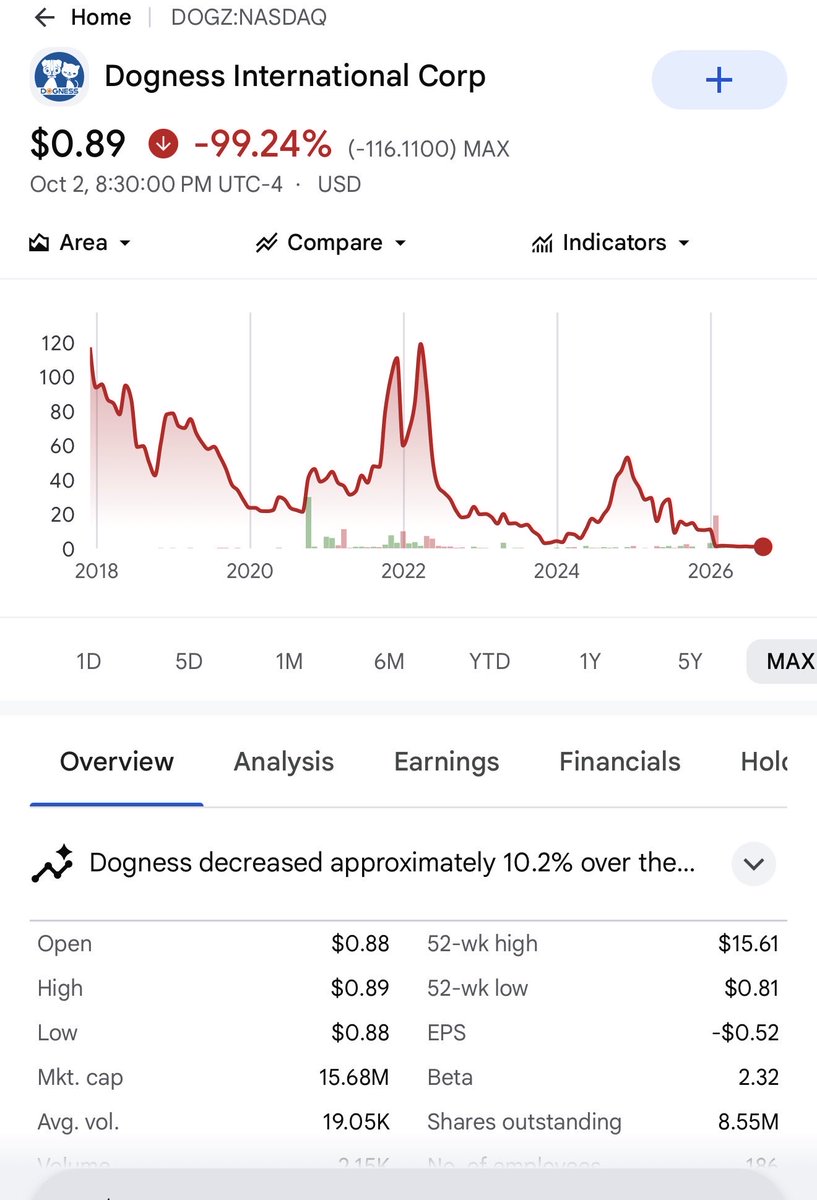

766321 粉丝
View History
RT @bigT_sheesh: Scheduled Tasks on @Muse - An update on reliability
We deployed a fix to Muse to improve scheduled task and cron recovery and reliability especially, and have hardened our monitoring and alerting of the cron systems in the VMs.
Over the last few days the Muse team has been deploying a few changes to:
Improve the KV cache hit rate after increasing the context window size of the underlying model
Improve our VM scheduling algorithm to reduce downtime during deployments
Deploy a new authentication token format across the fleet for more fine-grained access.
During these changes we had a few SEVs (outages) where the inference tier was unresponsive, and the VM scheduling resulted in VMs not being available for longer periods of time during deployment and being unresponsive to clients.
We observed after we recovered from these outages that several crons and scheduled tasks failed to resume / heal properly when the outage was done, resulting in several users receiving reports from their Muse that the crons have been failing for a while.
We apologise for this incident, and know how much this disrupts your flow especially since many users rely on muse to reliably deliver outcomes for them. We take these outages seriously, and are running a full audit of our recovery systems and tools, and are adding more dashboards and alerts so you can continue to receive the high quality service we want all users to have.
541452 粉丝
View History
Privacy is freedom 🥷
中文: 隐私就是自由🥷
310282 粉丝
View History
我不会买
因为我也不过万圣节🎃
国外的许多节日
我没有参与感
只想默默地看着大家热闹
但是我家
种了好多可以吃的南瓜
哈哈
实用主义如我
69682 粉丝
View History
🔗 Explore the full model details here:
https://huggingface.co/terrorswift/REDCELL-26B-A4B-OSINT-Cyber-APEX-GGUF
中文: 🔗 在此处查看完整的模型详细信息:
69682 粉丝
View History
With 6,004 downloads and 60 likes, it's a proven tool for security pros. The GGUF format ensures fast, local execution, and the fine-tuning delivers domain-specific accuracy. If you're in cyber threat intelligence, this model is a must-try.
69682 粉丝
View History
Meet REDCELL-26B-A4B-OSINT-Cyber-APEX-GGUF: a fine-tuned Gemma model built for OSINT and cyber threat intelligence. With 6,000+ downloads, it's already making waves in the security community. Here's why you should care. https://twitter.com/HuggingModels/status/2106871741666693305/photo/1
中文: 认识 REDCELL-26B-A4B-OSINT-Cyber-APEX-GGUF:一款为OSINT和网络威胁情报打造的经过精细调整的Gemma模型。下载量已超过6000次,已在安防社区掀起波澜。你应该关注的原因。
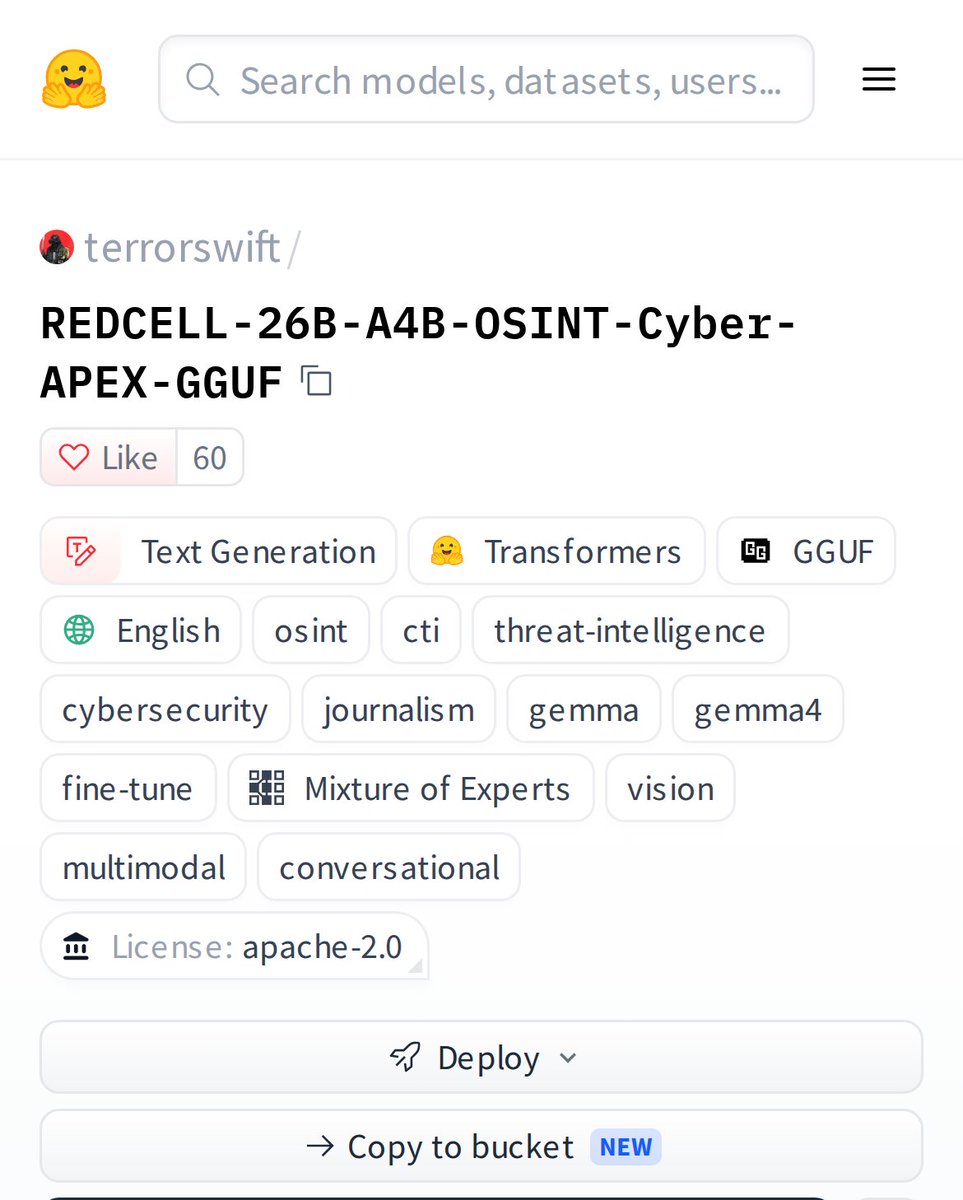
310282 粉丝
View History
我达标后的昨天
就慢慢在解放自己
不想为奴了
没有那么热切地去回复了
心情也有些倦怠
但X仍然是我愿意呆的地方
微博小红书索然无味了
939446 粉丝
View History
川普:“我每天吃一片阿司匹林。我不知道它到底有没有用,但在心理上我需要它。我想它能把血液稀释得厉害。我不知道有没用,我吃了这么多年了。他们想让我改吃80的,但我吃的是386的。我也不知道那到底是什么玩意儿,反正大得惊人。他们说:‘先生,你根本不需要吃那个!’但是那么小的药片,不会有用。”
2306230 粉丝
View History
RT @love_struck_me: Say what you want bout Mel Gibson but this is one of the best movies ever
中文: RT @love_struck_me:说说你想要什么,梅尔·吉布森,但这是有史以来最精彩的电影之一
26414497 粉丝
View History
Former Anthropic researcher Coxon to testify at New York City AI hearing, Bloomberg News reports https://reut.rs/4hFgHOe https://reut.rs/4hFgHOe
中文: 前人类学家考克森将出席纽约市人工智能听证会作证,彭博新闻社报道

804966 粉丝
View History
Another week of building across Sonic.
From Web3 infrastructure discussions in Seoul to new integrations, expanded asset support, and continued DeFi growth across the ecosystem.
Catch up on the latest below.
中文: 索尼克再建一周。
从首尔的Web3基础设施讨论到新的集成、扩大的资产支持,以及整个生态系统中DeFi的持续增长。
了解以下最新动态。

2424488 粉丝
View History
this was supposed to happen in 2029 the acceleration is accelerating
中文: 这种情况本应在2029年发生,加速速度正在加快
2306230 粉丝
View History
Stars can open a movie, but they can't make one great. From Apocalypto to Parasite, here is how movies with no famous faces became box-office hits and cultural landmarks. 🎬👇 https://x.com/i/article/2106769734746230784
中文: 明星可以开一部电影,但却无法拍成一部精彩的电影。从《阿波卡里普托》到《寄生虫》,以下是没有名人面孔的电影成为票房热门和文化标志性作品的方式。🎬👇
26414497 粉丝
View History
Britain expected to impose tariffs on Chinese electric cars, The Times reports https://reut.rs/4ypltGC https://reut.rs/4ypltGC
中文: 据《纽约时报》报道,英国预计将对中国电动汽车加征关税,
26414497 粉丝
View History
🔊 Questions are mounting in Tennessee after a botched lethal injection left death-row inmate Christa Pike gravely ill. The Reuters World News podcast looks at the resignation of the state's top corrections official - listen now https://reut.rs/3VujlyP https://twitter.com/Reuters/status/2106866963192684968/photo/1
中文: 田纳西州因一次致命的注射导致死囚克里斯塔·派克重病,问题日益严重。路透社世界新闻播客节目关注了该州最高矫正官员的辞职——请立即收听

4221417 粉丝
View History
RT @mitchellsniffle: Looking to fund 2-3 app builders with $100k-$350k.
Must haves:
-All in on your app
-Willing to build in public
-Have 10 or more paying customers
We'll also provide up to $10k/mo in ad spend, support from our design team, and thousands of people who want to see you win. DM me! https://twitter.com/mitchellsniffle/status/2106789946547921297/photo/1
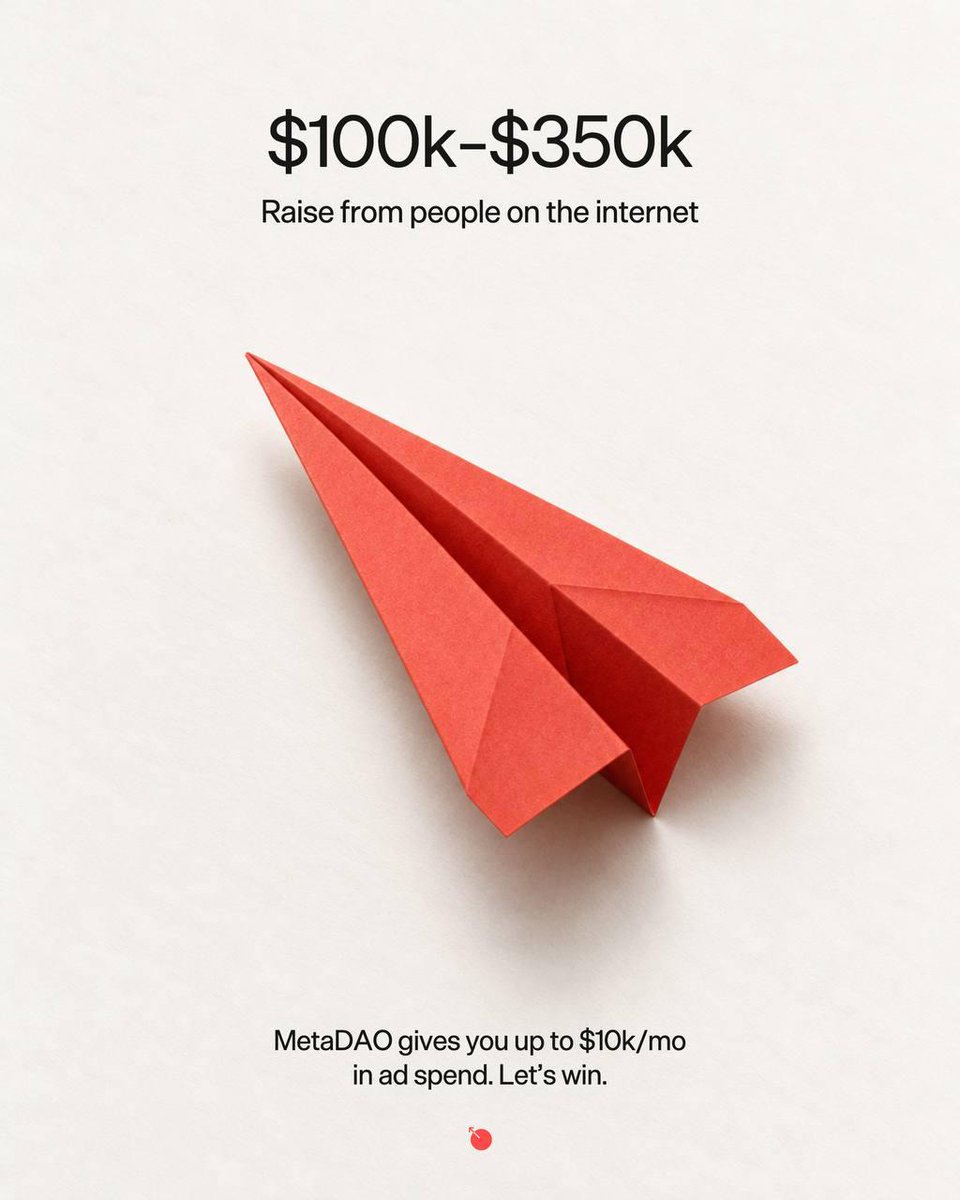
26414497 粉丝
View History
Valentino unveils corset tops and chunky jewellery at fashion show in 19th-century Paris library https://reut.rs/4z8RpPu https://reut.rs/4z8RpPu
中文: 瓦伦蒂诺在19世纪巴黎图书馆的时装秀上亮相紧身衣上衣和厚重珠宝,网址:

50802 粉丝
View History
Now that @sproutsomefun has emerged, something like @SWEEPonsprout was bound to happen. Using meme fees to sweep NFT collections and distribute them to holders just makes sense 🤯
Peak crypto experimentation.
中文: 现在@sproutsomefun 已经出现,像 @SWEEPonsprout 这样的事情注定会发生。使用 meme 费用来清扫 NFT 收藏并分发给持有者,这很有意义 🤯
加密货币实验高峰期
69682 粉丝
View History
🔗 Explore the full model details here:
https://huggingface.co/Lightricks/LTX-2.5-22b-IC-LoRA-Restore
中文: 🔗 在此处查看完整的模型详细信息:
69682 粉丝
View History
With 1,249 downloads and 47 likes, this model is a hidden gem. It brings pro-level restoration to your fingertips. No need for expensive software. Just feed it old footage and watch the magic happen.
中文: 该型号下载量为1249次,获得47个点名,是一颗隐藏的瑰宝。它为您的指尖带来了专业的修复。无需昂贵的软件。只需提供旧视频,并观看魔法的发生。
69682 粉丝
View History
Old footage looking rough? This video-to-video model restores and colorizes archive clips with LTX magic. 1,249 downloads already. Your vintage videos are about to get a serious glow-up! https://twitter.com/HuggingModels/status/2106864191328137506/photo/1
中文: 旧视频看起来粗糙吗?该视频到视频模型可还原并涂色带有LTX魔法的存档片段。已下载1249次。你的复古视频即将焕发亮光彩!
95126 粉丝
View History
近期几个项目大家可以查一下
1、Polygon @0xPolygon zkEVM 网络有钱的记得提走
https://zkevm-claims.polygon.technology/
2、Poseidon @psdnai 查询自己第一赛季积分,是否符合空投资格
https://season1.numolabs.ai/
3、Blast 要关链了,大家记得提取资产
https://relay.link/
4、SOL账户租金回收
https://web3.okx.com/zh-hans/solana-token-account
5、PTSD @ptsdshow 官方活动已开放白单查询
https://ptsdshow.com/whitelist
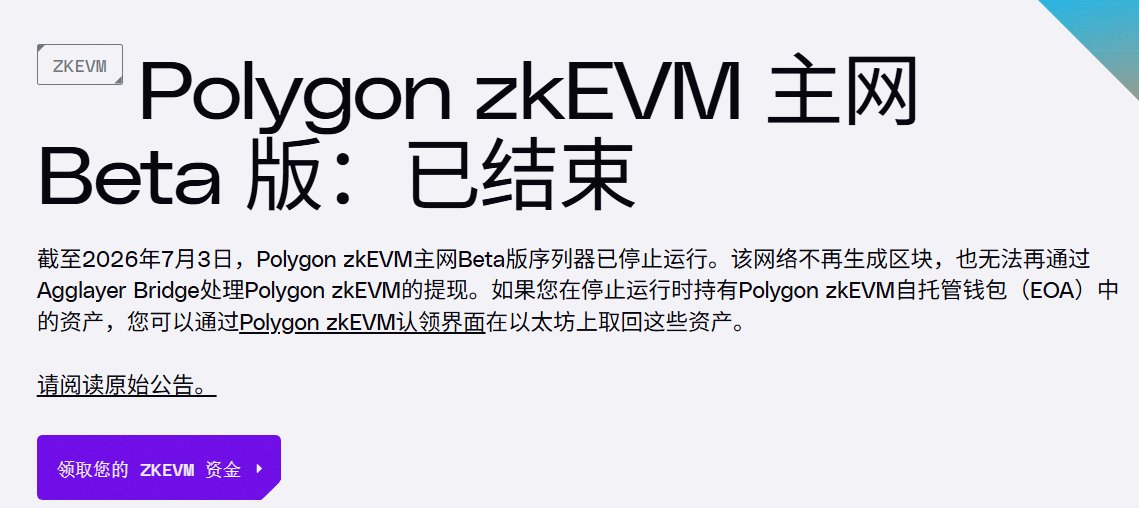
10037 粉丝
View History
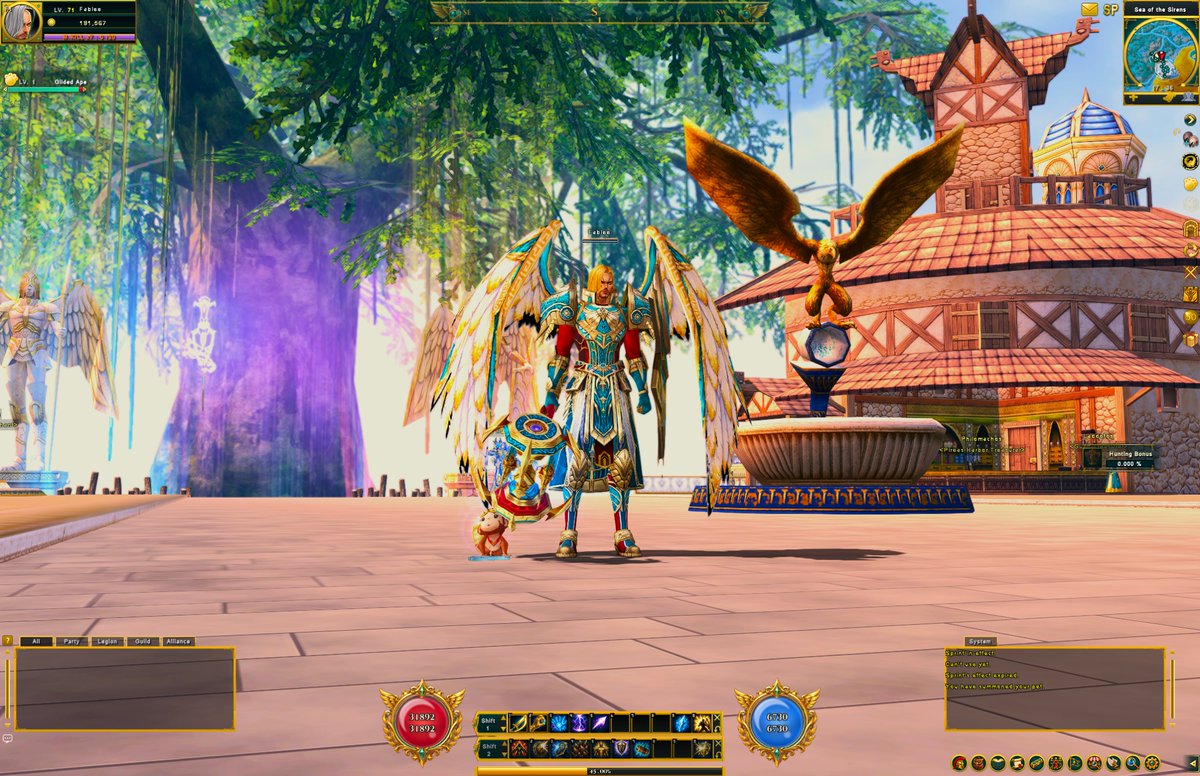
26414497 粉丝
View History
Iran's oil minister resigns for personal reasons, state media reports https://reut.rs/4rQqDsP https://reut.rs/4rQqDsP
中文: 伊朗石油部长因个人原因辞职,官方媒体报道
2976463 粉丝
View History
It's time to put a complete 100% stop on all types of immigration
中文: 是时候彻底彻底停止所有类型的移民了
26414497 粉丝
View History
Britain's Green Party votes to class Zionism as a form of racism https://reut.rs/4y5oXNw https://reut.rs/4y5oXNw
中文: 英国绿党投票支持将犹太复国主义视为一种种族主义形式
26414497 粉丝
View History
Latvian PM on track to lead pro-Ukraine coalition after election win https://reut.rs/4y0WCIc https://reut.rs/4y0WCIc
中文: 拉脱维亚总理在选举获胜后有望领导亲乌克兰联盟
10037 粉丝
View History
Can confirm Aegis is Meta https://twitter.com/outsource_/status/2106860616866521318/photo/1

1103732 粉丝
View History
RT @CreativityEngr: October is off to a big start across the @avax ecosystem.
a $5T+ market moving onchain, record tokenized asset growth and builders shipping across the globe.
here’s what the chain has cooked:
🔺 South Korea unveiled new rules for bringing its $5T+ stock market onchain beginning February 2027, with the Korea Securities Depository included in the infrastructure supporting tokenized securities and already building connectivity on Avalanche.
🔺 Goldman Sachs is bringing access to its roughly $100B flagship Treasury fund to Avalanche through Lynq, a private permissioned Avalanche L1 used by 30+ institutional digital asset firms including B2C2, Wintermute, Galaxy, FalconX and Fireblocks.
🔺 @avax ranked #1 across all blockchains for tokenized stock market cap growth in September, adding $245.5M led by @Securitize, while also recording $131.2M in tokenized stock inflows over seven days, roughly 8x the second highest chain and more than all other chains combined.
🔺 Avalanche led all chains in 30 day RWA market cap growth, adding $266M, more than the next two chains combined.
🔺 @avax builders raised more than $500M over the past year, including $43M for @BuildOnIris, $33M across two rounds for @GoKiteAI, $13.25M for @tare_io, $25M for @ValinorDigital and $400M+ across 30 other companies.
🔺 @PharaohExchange recorded its biggest month ever for both trading volume and fees, following its announcement of upcoming 24/7 permissionless tokenized stock trading on Avalanche.
🔺 @FinchTechAI is coming to Avalanche with a marketplace where users can hire AI agents, trade agent skills and post tasks, while its proposed ERC 8338 standard is designed to make those skills verifiable, ownable and tradable onchain.
🔺 @rain is building onchain loyalty for Insomniac on @avax, connecting 450+ events and 30+ annual festivals serving 7M fans through a wallet designed to carry payments and rewards across festivals and borders.
🔺 @AvaxTeam1 officially launched @Team1Africa_, connecting communities that have already hosted 120+ events, reached 3,500+ attendees and activated 250+ developers across 10 countries into one Africa wide network for builders, founders and communities.
🔺 @Team1NG brought @AvaxTeam1 City Connect to Lokoja, bringing the local Web3 community together to explore Avalanche, exchange ideas and discover opportunities across the ecosystem.
🔺 @Team1TH brought builders to Chulalongkorn University despite flooding across Bangkok, with 12 projects shipped during the Team1 Chula Hackathon spanning AI agent marketplaces, onchain stock products and gaming, alongside supporting partner @Tokenomist_ai.
🔺 @Team1VN brought 250+ students at VKU into their onchain journey through Avalanche as its university tour continued across Vietnam.
🔺 @Team1VN teamed up with @sqrDAO at the Da Nang Blockchain Hub, bringing builders and founders together to connect, exchange ideas and explore what's next on Avalanche.
🔺 @Team1FR and @LiFiSe_Finance brought regulated finance and Avalanche together in Lyon during Patrimonia, with talks, Q&A and networking around the ecosystem.
🔺 @AvaxTeam1 held its first Team1 Connect in Bulgaria during ETH Sofia, bringing local builders and community members together around Avalanche.
🔺 @BossPenguin7 took the stage at Crypto House Seoul '26 during Korea Blockchain Week, sharing @pangolindex's journey, what the Avalanche native DEX is building and what's coming next.
🔺 @hurselcay took the stage at @GoKiteAI's Proof of AI during Korea Blockchain Week, sharing @AvaxTeam1's vision and mission alongside builders and leaders across AI and Web3.
2936694 粉丝
View History
⚡ FLOW: BASE has seen $4.7B in Net Inflows since January 1st. https://twitter.com/Cointelegraph/status/2106859630097776805/photo/1
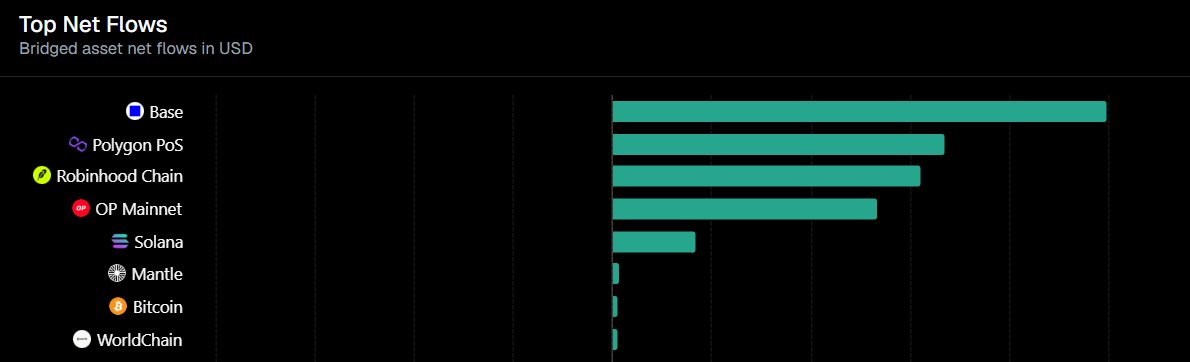
26414497 粉丝
View History
US removes B-1 bombers from UK base amid security concerns https://reut.rs/46ZJiZC https://reut.rs/46ZJiZC
中文: 美国因安全问题将B-1轰炸机从英国基地撤下

1974 粉丝
View History
ath broken solana:pumpCmXqMfrsAkQ5r49WcJnRayYRqmXz6ae8H7H9Dfn https://twitter.com/ykn4f/status/2106857289080570084/photo/1
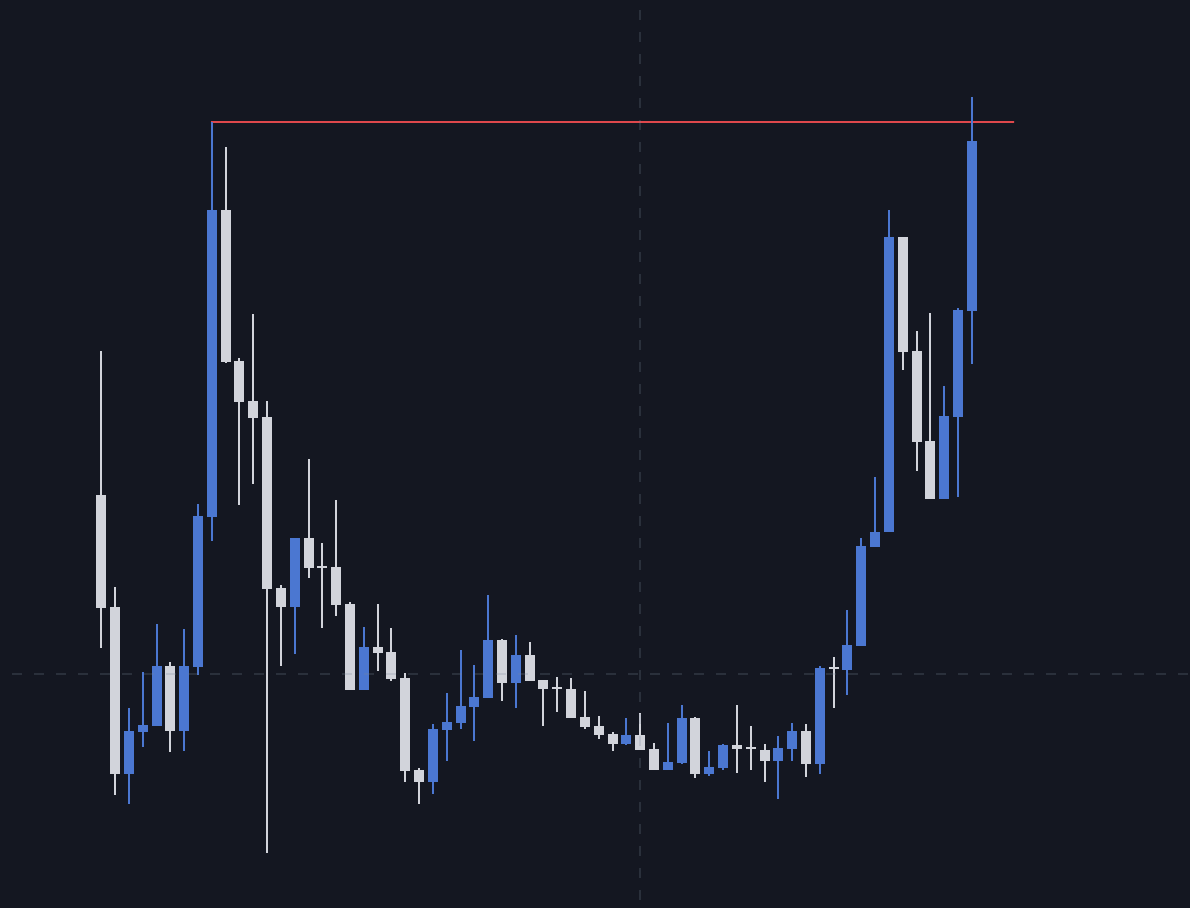

67583 粉丝
View History
OpenAI是真被逼急了,接下来的28天每天要么发布明显改进的功能,要么送重置。
但是谁来判定每天的新功能是否有效?是不是故意把很多功能拆成每天的版本?
别整这些花活,模型比不上Claude,给提升额度和送重置就行。
26414497 粉丝
View History
Musk says he will rename SpaceXAI to SpaceXSI https://reut.rs/46ZXbXQ https://reut.rs/46ZXbXQ
中文: 马斯克表示,他将把SpaceXAI更名为SpaceXSI
69682 粉丝
View History
🔗 Explore the full model details here:
https://huggingface.co/Lightricks/LTX-2.5-22b-IC-LoRA-Alpha-Gen
中文: 🔗 在此处查看完整的模型详细信息:
69682 粉丝
View History
Already 1,665 downloads and 60 likes. This model delivers production-ready alpha mattes, saving hours of manual work. A game-changer for video post-production. #AI #VideoEditing
中文: 已有1,665次下载和60次点球点。该型号可提供生产就绪的α-哑光,节省人工工作时间。视频后期制作的游戏规则改变者。#AI #视频编辑
69682 粉丝
View History
New AI model alert: LTX-2.5-22b-IC-LoRA-Alpha-Gen by Lightricks. It's a video-to-video model that generates alpha mattes for background removal. Perfect for VFX and content creation. #AI #VideoEditing https://twitter.com/HuggingModels/status/2106856641560010853/photo/1
中文: 新的AI模型警报:Lightricks 提供的 LTX-2.5-22b-IC-LoRA-Alpha-Gen。它是一种视频到视频模型,可生成用于移除背景的字母哑光。非常适合视觉特效和内容创作。#AI #视频编辑
27013 粉丝
View History
目前可以方便接入Muse生态,性价比最高,支持语音交流和屏幕内容显示,内置电池体积小巧的硬件,应该就是这个 M5StickS3产品,只需21 美元,直接连接WiFi接入Muse生态。
https://shop.m5stack.com/products/m5sticks3-esp32s3-mini-iot-dev-kit https://twitter.com/_0xKenny/status/2106854191171850740/photo/1
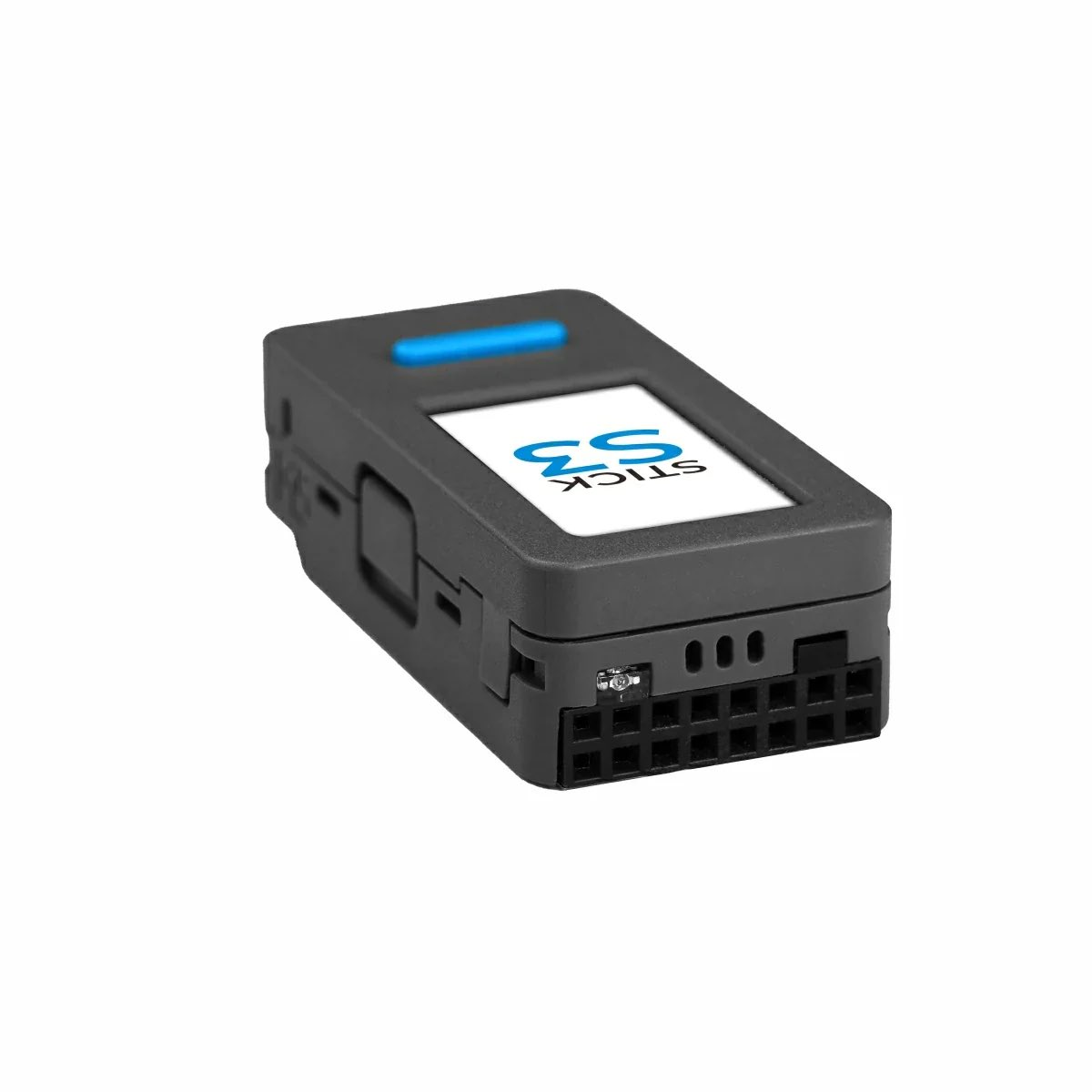

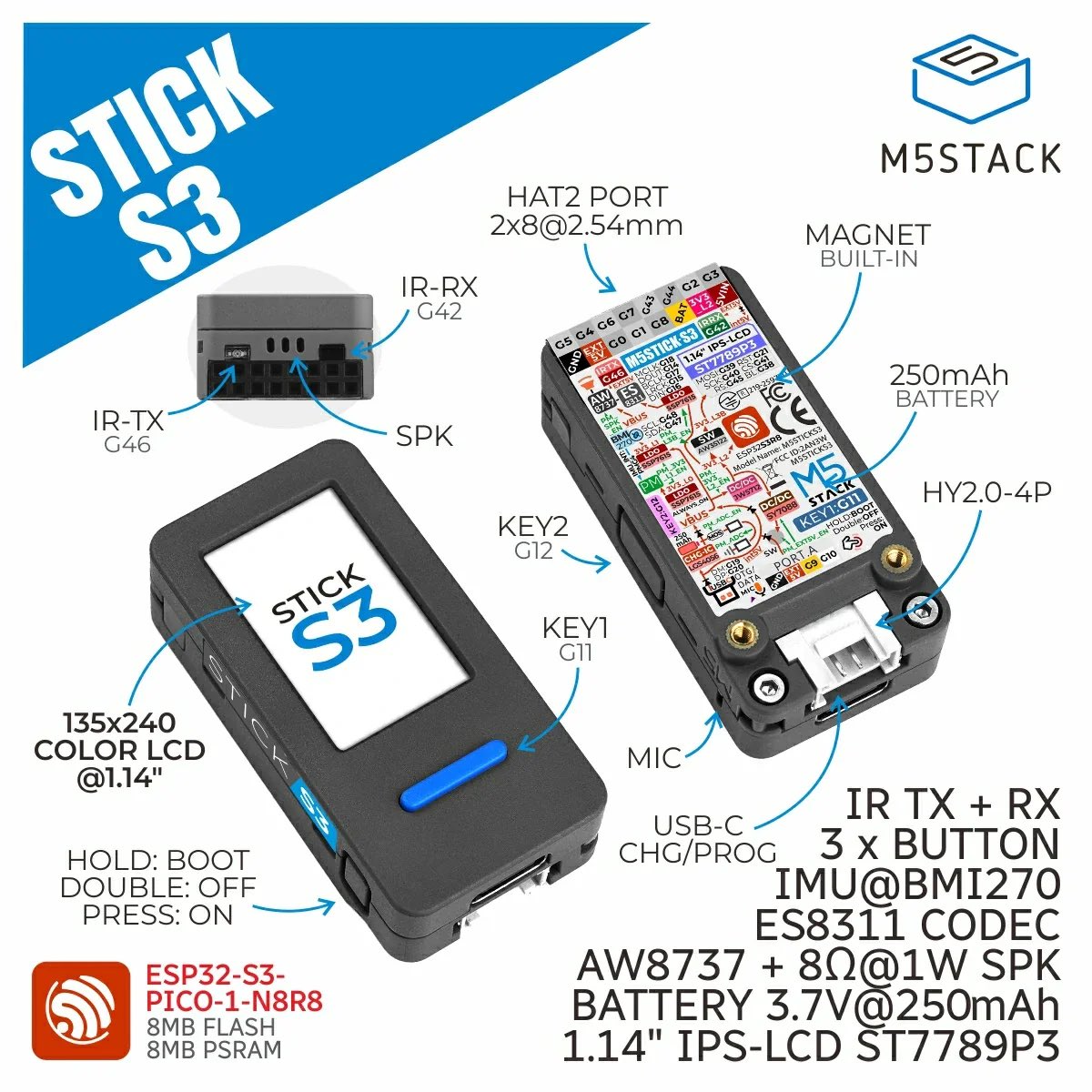
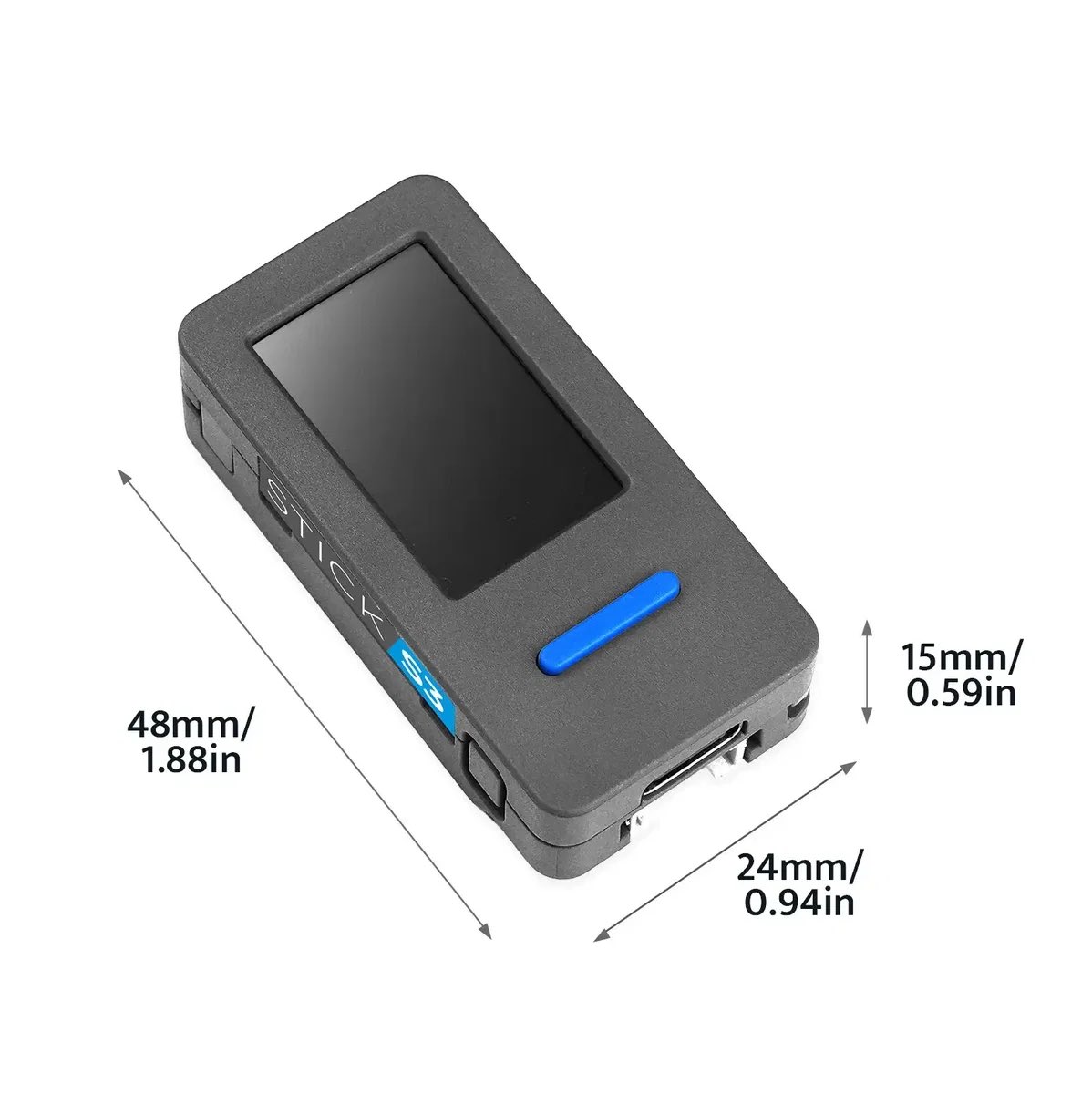
16165367 粉丝
View History
中文: 谁在网上?

26414497 粉丝
View History
France's Schneider Electric nears $20 billion deal to buy US software group PTC, FT reports https://reut.rs/4hsoHDl https://reut.rs/4hsoHDl
中文: 据《金融时报》报道,法国施耐德电气近200亿美元收购美国软件集团PTC的交易。
26414497 粉丝
View History
🔊 Swiss glaciers have lost more than 5% of their ice this year after a summer of extreme heat, experts say. 'It is clearly a catastrophic year' says glacier scientist Matthias Huss. Hear more on the Reuters World News podcast https://reut.rs/3VujlyP https://twitter.com/Reuters/status/2106851860456112540/photo/1
中文: 专家表示,今年瑞士冰川在夏季因极端高温天气而失去了超过5%的冰层。“这显然是灾难性的一年,”冰川科学家马蒂亚斯·胡斯说。请在路透社世界新闻播客中收听更多内容:

43258 粉丝
View History
Alexander Embiricos, product lead for dots at OpenAI:
"That's one key idea there, persistence, and it's probably the most important idea."
In this interview he explains why a dot gets its own cloud computer and keeps one context across Slack and voice calls.
45 mins with the person in charge of dots. No recap gives you more.
Watch the interview first, then read the guide below to set up your own dot in 10 steps.
🎬
视频

98308 粉丝
View History
RT @DuskFoundation: If you’ve tried Dusklings, what did you think of it as a way to learn about Dusk, and what would you keep or change?
中文: RT @DuskFoundation:如果你尝试过Dusklings,你会以什么方式来了解Dusk,以及你会保留或改变什么?
335934 粉丝
View History
Think carefully before you choose. 👀
100 USDT Bonus Giveaway
or
100 USDT Airdrop
Your choice decides what comes next. 👇
中文: 选择之前请仔细考虑。👀
100美元奖金优惠
或
100 美元机场
你的选择决定接下来会发生什么。👇
26414497 粉丝
View History
Omar al-Hassayna, a displaced Palestinian in Egypt longs to return to Gaza, nearly a year after a ceasefire left much of the enclave under Israeli control and reconstruction efforts stalled https://reut.rs/4ASibxq https://twitter.com/Reuters/status/2106849338127274208/video/1
中文: 奥马尔·哈萨伊纳是埃及一名流离失所的巴勒斯坦人,他渴望返回加沙。在停火协议导致大部分地区处于以色列控制之下,重建工作陷入停滞
🎬
视频
69682 粉丝
View History
🔗 Explore the full model details here:
https://huggingface.co/SC117/Qwen3.8-Flash-Next-GSQ-RCO-abliterated-GGUF
中文: 🔗 在此处查看完整的模型详细信息:
69682 粉丝
View History
116,970 downloads and 63 likes prove the community loves it. GGUF format means easy local deployment. MoE keeps it fast. Abliterated gives you full control. This is top-tier for uncensored, multimodal AI.
中文: 116,970次下载和63个点击点证明了社区对此的喜爱。GGUF 格式意味着易于本地部署。MoE 保持其快速。被消灭让你完全掌控。这是非审查型多模态人工智能的顶级配置。
69682 粉丝
View History
Meet SC117/Qwen3.8-Flash-Next-GSQ-RCO-abliterated-GGUF: a 116k-download beast that blends MoE efficiency with uncensored freedom. If you run local LLMs, this is the one to watch. #AI #LLM https://twitter.com/HuggingModels/status/2106849091473035519/photo/1
中文: 与SC117/Qwen3.8-Flash-Next-GSQ-RCO-abliteated-GGUF见面:一种116K下载的混入式机,将MoE效率与无审查的自由融合在一起。如果你运行本地的LLM,这是值得关注的。#AI #LLM
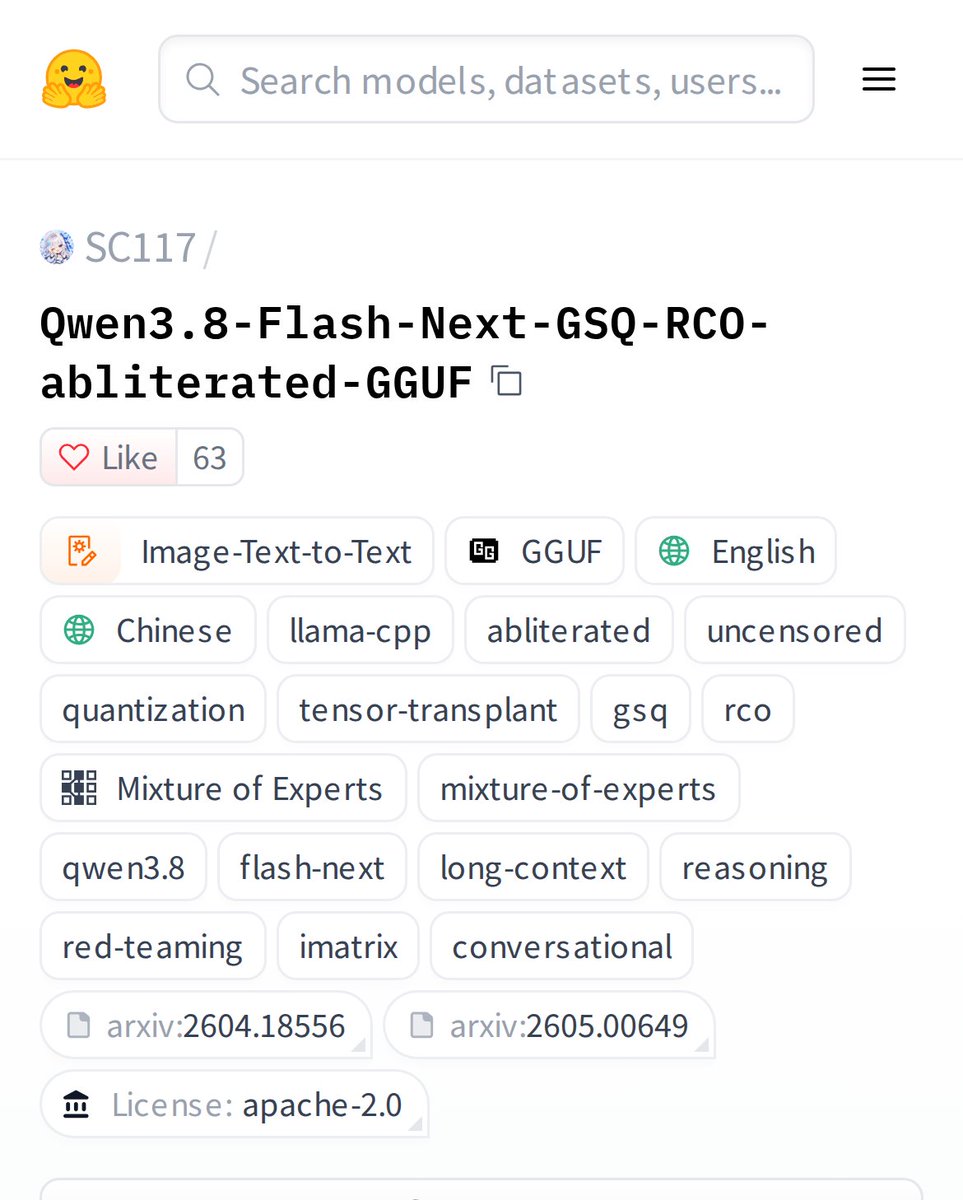
2976463 粉丝
View History
JUST IN: Over 3.5 million immigrants in America including TPS, DACA recipients and asylum seekers are projected to lose their legal status within the next two years based on the efforts of the Trump Administration.
中文: 根据特朗普政府的努力,预计未来两年内,包括TPS、DACA接收者和寻求庇护者在内的美国超过350万移民将失去其合法身份。

119091 粉丝
View History
one play i ran all day on .si:
collect ai products with real traction, yc and a16z portfolios, new seed rounds, product hunt winners
swap .ai to .si and register whatever is free
same with ai inside the name, https://calai.app/ -> https://calsi.app/
wonder which one follows SpaceXSi next
697857 粉丝
View History
AI is making, not replacing, jobs.
“Data centers are leading to this massive economic boom for the entire blue-collar labor economy in the United States.
We are hiring people in factories and in the field, tons of skilled trade workers working with their hands to bring the infrastructure of intelligence to life.
People are concerned that AI is going to take jobs, but yet it has so far only created tremendous amounts of jobs and economic development.” @ChaseLochmiller
Love to hear your thoughts @Electron_Cowboy @mikeroweworks @erikbryn
中文: 人工智能正在创造而不是取代工作。
数据中心正推动美国整个蓝领劳工经济实现大规模经济繁荣。
我们正在工厂和现场招聘人员,这些技术娴熟的行业工人正在用手工作,以将情报基础设施建设实现现实。
人们担心人工智能将会占据就业机会,但到目前为止,它只创造了大量就业机会和经济发展。@ChaseLochmiller
喜欢听你的想法 @Electron_Cowboy @mikeroweworks @erikbryn
🎬
视频
68756 粉丝
View History
looks like poly is coming
best news of the q4 if it ever happens, ahhh
中文: 看起来聚酯即将推出
最好的消息 q4 ,如果发生的话
752966 粉丝
View History
RT @ScarlettCa78818: 彭丽媛在华盛顿博物馆门外,中共间谍在背后袭击和平抗议人士。
陈善庄,和中共训练有素的间谍,和ICS Protective Services安保公司。他们之间到底有什么联系,他们在联合对反对中国共产党的和平抗议人士进行袭击。
掩护协作拿黑雨伞的黑衣人喷辣椒水,背后捅人,遮住视线打人🙁。
This is America! https://twitter.com/ScarlettCa78818/status/2106827411560264078/video/1
🎬
视频
26414497 粉丝
View History
Austrian government's No. 2 figure says he will step down https://reut.rs/4jy5IIQ https://reut.rs/4jy5IIQ
中文: 奥地利政府第二号人物表示,他将辞职
5067093 粉丝
View History
Poor sleep leads to increase in Alzheimer's proteins associated with dementia.
中文: 睡眠不足会导致与痴呆症相关的阿尔茨海默病蛋白增加。
61361 粉丝
View History
Adam Hickerson says the prediction market boom is still entirely retail, and institutions haven't figured out how to get in yet.
"Right now, this is really all retail."
"Institutions are still trying to figure out how they can get into this business."
"Where they can use it, where it makes sense for them."
"It becomes a more mature marketplace."
中文: 亚当·希克森表示,预测的市场繁荣仍完全是零售业,各机构尚未找到如何进入市场。
目前,这其实都是零售业。
各机构仍在努力弄清楚如何进入这个行业。
他们在哪里可以使用,哪里对他们来说是有意义的。
它变成了一个更加成熟的市场。
🎬
视频

40937 粉丝
View History
RT @VitalikButerin: @bballer_530 隐私是自由
隐私是秩序
隐私是进步
https://vitalik.eth.limo/general/2025/04/14/privacy.html
27013 粉丝
View History
Muse的硬件周边爆发的速度会比大多数人预期的要快的多。
哪怕是目前的Muse Gadgets SDK没有支持的硬件,通过AI把代码移植到不同平台的速度也就是一两天的事情。
万物接入Muse的时代来临,特别是带有控制器的 - 这才是真正的原生智能终端。
传统的智能家居接口,比如Alexa, Apple Home, Google Home,甚至涂鸦,也很快会出来Muse的网关,无缝集成真正到Muse的智能生活工作生态。
26414497 粉丝
View History
AkzoNobel to sell unit to Nippon Paint for over $1 billion, FT reports https://reut.rs/3U7UCzZ https://reut.rs/3U7UCzZ
中文: 据英国英国电信(FT)报道,阿克苏诺贝尔将以超过10亿美元的价格向日本涂料公司出售其子公司:
69682 粉丝
View History
🔗 Explore the full model details here:
https://huggingface.co/jialinyyzz/humanizer
中文: 🔗 在此处查看完整的模型详细信息:
69682 粉丝
View History
With nearly 8,000 downloads, it's a proven tool for humanizing AI output. The 69 likes show real appreciation. If you need text that sounds human, this model delivers.
中文: 下载量近8000次,是实现人工智能输出人性化的成熟工具。69个点名表现出真正的感激之情。如果需要听起来像人类的文本,这个模型会传递。
69682 粉丝
View History
Meet the Humanizer model: it takes robotic AI text and makes it sound like a real person wrote it. With 8k downloads and 69 likes, this text-generation model is your go-to for natural rewrites. https://twitter.com/HuggingModels/status/2106841541545533582/photo/1
中文: 认识 Humanizer 模型:它采用机器人人工智能文本,使其听起来像是真实人物所写的。这款文本生成模型下载量为8k,并有69个点名,是您自然重写的首选。

485983 粉丝
View History
I’m self-driving more than 1,000 miles/month.
That’s crazy.
中文: 我每月开车超过1000英里。
这太疯狂了。
485983 粉丝
View History
The safety is huge, but the best part of self driving is getting part of my brain back during the time I’m spending commuting.
Not many other inventions give you back an hour a day.
And I’m on the old hardware. I’m sure the new stuff is better.
22941 粉丝
View History
there was fud around hyperliquid
there was fud around lighter
there was fud around variational
there'll be fud around every new perp project
if a few people fudding is enough to make you stop, you're probably never gonna be early on anything
中文: 超级液体周围有布丁
打火机周围有布德
围绕变异存在
每个新项目都会有各种内容
如果少数人捏捏得足以让你停下来,你可能永远不会早点
26414497 粉丝
View History
Home ownership is 'baked into the Australian psyche,' according to @ByronKaye and @stellaq0420. But is that dream coming undone? Listen to this week's Econ World podcast to find out https://reut.rs/4AO8uQC https://twitter.com/Reuters/status/2106839809763270910/photo/1
中文: 根据@ByronKaye和@stelleq0420的说法,房屋所有权“融入了澳大利亚的心理”。但那个梦想破灭了吗?收听本周的Econ World播客,了解

26414497 粉丝
View History
Alaska LNG shipping savings justifies billions in investment, developer says https://reut.rs/47zKiUs https://reut.rs/47zKiUs
中文: 开发商表示,阿拉斯加液化天然气运输的节省为投资提供了数十亿美元的合理合理。
26414497 粉丝
View History
🔊 'What happens in Brazil matters for the rest of Latin America.' @BrenOBoyle tells the Reuters World News podcast why the presidential election could have major consequences for trade, geopolitics and US relations across the region. Listen now https://reut.rs/3VujlyP https://twitter.com/Reuters/status/2106838013766406560/photo/1
中文: 🔊 “巴西发生的事情对拉丁美洲其他地区至关重要。”@BrenOBoyle 向路透社世界新闻播客讲述了总统选举为何可能对该地区的贸易、地缘政治和美国关系产生重大影响。立即收听
26414497 粉丝
View History
Rybakina withdraws from Wuhan with injury after China Open exit https://reut.rs/4yyfDmz https://reut.rs/4yyfDmz
中文: 瑞巴金娜因伤缺阵,因伤缺阵
26414497 粉丝
View History
🔊 'My response was kind of like, are you sure, dude?' Tech reporter @JeffHorwitz recalls learning he could be a principal character in a film inspired by his Facebook Files investigation. Listen here: https://reut.rs/3U0Jq8h https://twitter.com/Reuters/status/2106836754993140091/photo/1
中文: 🔊 “我的回答有点像,你确定吗,伙计?”科技记者杰夫·霍维茨回忆说,他得知自己可能成为一部受其脸书文件调查启发的电影中的主要人物。请点击此处收听:

544836 粉丝
View History
I would’ve made my first million in a year instead of 6 if this article existed when i started 😭 https://twitter.com/nobrainflip/status/2106835361318182998/video/1
中文: 如果这篇文章在我开始时出现,我本会在一年内赚到第一百万,而不是6 年 😭
🎬
视频
26414497 粉丝
View History
Most Gulf shares end higher on firmer oil, US rate bets https://reut.rs/4e89JA3 https://reut.rs/4e89JA3
中文: 大多数海湾地区股票在油价上涨,美国利率押注
2976463 粉丝
View History
Cumulative inflation per president per Bureau of Labor Statistics:
• Clinton: 22.8%
• G.W. Bush: 20.6%
• Obama: 15.0%
• Trump 1st term: 7.7%
• Biden: 21.4%
• Trump 2nd term through August 2026: 5.4%
中文: 每位劳工统计局的累计总统通货膨胀:
• 克林顿:22.8%
• G.W.布什:20.6%
• 奥巴马:15.0%
• 特朗普 第一任期:7.7%
• 拜登:21.4%
• 特朗普第二任期至2026年8月:5.4%
69682 粉丝
View History
🔗 Explore the full model details here:
https://huggingface.co/Cactus-Compute/whistle
中文: 🔗 在此处查看完整的模型详细信息:
69682 粉丝
View History
With 542 downloads and 65 likes, whistle is gaining traction for its on-device focus. It's a solid choice if you need private, low-latency speech recognition without cloud costs.
中文: 凭借542次下载和65个点球,其设备聚焦性增长正日益增强。如果需要无需云成本的私密低延迟语音识别,这是一个可靠的选择。
69682 粉丝
View History
Meet whistle: an on-device speech recognition model that runs in your browser via WebAssembly. It's part of the cactus-needle family, built for edge deployment. No cloud needed, just fast, private transcription. https://twitter.com/HuggingModels/status/2106833992146456891/photo/1
中文: 快点:一种通过WebAssembly在浏览器中运行的设备上语音识别模型。这是仙人掌针系的一部分,该家族为边缘部署而建。无需云,只需快速、私密的转录即可。
7118485 粉丝
View History
ICYMI: 🤖 OpenAI CEO Sam Altman said describing AI as “a new industrial revolution” is “quite off-putting,” arguing the future “can be much more like a new renaissance.” https://twitter.com/CoinMarketCap/status/2106833029712822576/photo/1
中文: ICYMI:🤖 OpenAI首席执行官萨姆·阿尔特曼表示,将人工智能描述为“一场新的工业革命”“相当令人不快”,并认为未来“可能更像是一场新的复兴”。


26414497 粉丝
View History
Turkey says Mecca pact committee to meet in Riyadh on October 5 https://reut.rs/47BkE1A https://reut.rs/47BkE1A
中文: 土耳其表示,麦加协议委员会将于10月5日在利雅得举行会议

325085 粉丝
View History

2306230 粉丝
View History
The moment T’challa shouted ‘Wakanda Forever!’ and leads a full-throttle sprint across the field still gives goosebumps. https://twitter.com/everymovieplug/status/2106831160256966993/video/1
中文: 特查拉高喊“永远的瓦坎达!”的瞬间带领全油门冲刺全场,仍然会起鸡皮疙瘩。
🎬
视频
4221417 粉丝
View History
RT @clawpumptech: The AnsemHack by clawpumptech x @blknoiz06 is officially over 🫡
Built on @solana, we closed it with:
$225M+ total volume
$10.25M 24h volume
$61.4M ecosystem market cap
13,991 SOL in agentic funding
What was your favorite AnsemHack project? 👇 https://twitter.com/clawpumptech/status/2106186967364858114/photo/1
26414497 粉丝
View History
Bosnia votes Sunday in election that could affect EU bid https://reut.rs/4rINUwB https://reut.rs/4rINUwB
中文: 波黑周日举行选举投票,可能影响欧盟的竞选
5067093 粉丝
View History
Share of adults who use 𝕏
1. 🇯🇵 Japan: 51%
2. 🇹🇷 Türkiye: 35%
3. 🇲🇾 Malaysia: 30%
4. 🇨🇱 Chile: 30%
5. 🇰🇷 South Korea: 28%
6. 🇸🇬 Singapore: 26%
7. 🇮🇱 Israel: 26%
8. 🇳🇬 Nigeria: 26%
9. 🇪🇸 Spain: 25%
10. 🇲🇽 Mexico: 24%
11. 🇵🇪 Peru: 23%
12. 🇬🇧 United Kingdom: 22%
13. 🇦🇷 Argentina: 22%
14. 🇨🇴 Colombia: 22%
15. 🇹🇭 Thailand: 20%
16. 🇦🇺 Australia: 19%
17. 🇵🇭 Philippines: 19%
18. 🇺🇸 United States: 18%
19. 🇨🇦 Canada: 18%
20. 🇵🇱 Poland: 18%
21. 🇬🇭 Ghana: 16%
22. 🇰🇪 Kenya: 16%
23. 🇮🇩 Indonesia: 15%
24. 🇵🇸 West Bank & East Jerusalem: 14%
25. 🇿🇦 South Africa: 14%
26. 🇬🇷 Greece: 13%
27. 🇸🇪 Sweden: 13%
28. 🇫🇷 France: 12%
29. 🇮🇹 Italy: 12%
30. 🇳🇱 Netherlands: 12%
31. 🇩🇪 Germany: 10%
32. 🇭🇺 Hungary: 10%
33. 🇮🇳 India: 7%
34. 🇱🇰 Sri Lanka: 7%
35. 🇧🇷 Brazil: 7%
36. 🇵🇰 Pakistan: 6%
37. 🇧🇩 Bangladesh: 2%
Source: Pew Research Center, Spring 2026 Global Attitudes Survey
129950 粉丝
View History
Its all over for me. goodbye y’all 💔 https://twitter.com/Axel_bitblaze69/status/2106828838777020621/photo/1
中文: 对我来说一切都结束了。再见,你们都 💔

485983 粉丝
View History
“How is buying stocks different than gambling” is a distinction you’re supposed to overcome by the time you’re 10 years old
中文: “购买股票与赌博有什么不同”是你在10岁时应该克服的一个区别

214359 粉丝
View History
RT @laobaishare: HeyGen 刚刚开源了他们用来做 AI 智能体视频的工具。
叫 HyperFrames。你的智能体写 HTML,它就能渲染出真正的 MP4。
支持 GSAP、Three.js 和 Lottie,自带 21 个 Claude Code 技能,每次渲染都不花钱。
56000 star。
https://github.com/heygen-com/hyperframes
241760875 粉丝
View History
RT @XFreeze: Grok Bot passed Google’s “I’m not a robot” test when it launched 😂
The other agents… wherever the hell they are, I still haven’t seen a single video of them doing this https://x.com/XFreeze/status/2087891600345010323/video/1
中文: RT @XFreeze:Grok Bot 在谷歌推出时通过了“我不是机器人”测试【EE0】
其他特工......无论他们身在何处,我依然没看过他们这样做的视频
🎬
视频
241760875 粉丝
View History
RT @KatieMiller: June 2025: https://twitter.com/KatieMiller/status/2106826005767704731/photo/1
中文: RT @KatieMiller:2025年6月:
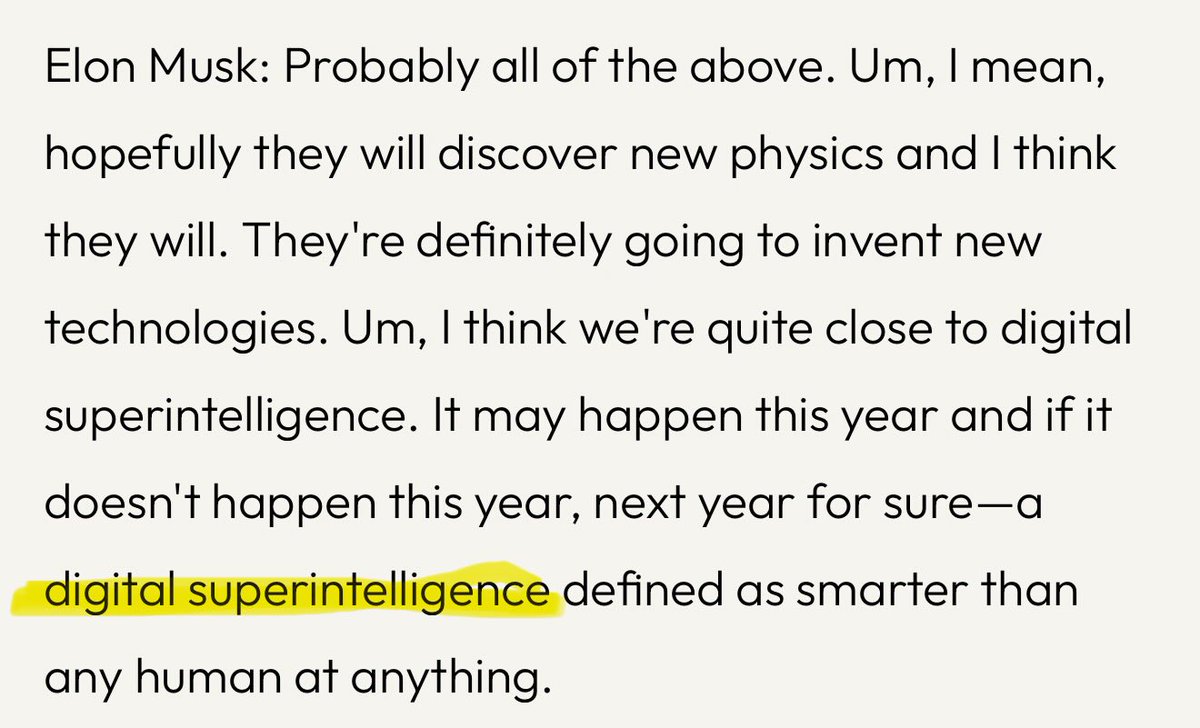
241760875 粉丝
View History
5 live football games streamed simultaneously on a commercial flight with @Starlink
中文: 5场直播足球比赛通过商业航班同时播放,使用@Starlink

464726 粉丝
View History
RT @0xINFRA: Raydium is the leading venue for tokenized stock trading on Solana
中文: RT @0xINFRA:Raydium 是索拉纳代币化股票交易的领先场所
241760875 粉丝
View History
RT @XFreeze: Again, Elon was already thinking seriously about Super Intelligence more than a decade before today’s SI boom
Nick Bostrom’s 2014 book “Superintelligence” specifically thanks Elon Musk in its acknowledgments for extensive discussions that helped clarify Bostrom’s thinking
In 2014, Elon was already publicly recommending “Superintelligence” and warning that we needed to be extremely careful as these systems grew exponentially more capable
Super Intelligence isn’t some new idea Elon suddenly embraced
He had already predicted what would come after AI years before most of the world was even paying attention or knew any concept of it
中文: RT @XFreeze:再次谈到,在今天SI热潮爆发前十多年,埃隆就已经认真思考了超级情报
尼克·博斯特罗姆2014年出版的《超级智能》一书特别感谢埃隆·马斯克在表彰这些讨论中的深入讨论,帮助阐明了博斯特罗姆的思维
2014年,埃隆已经公开推荐“超级智能”,并警告称,随着这些系统的智能化能力呈指数级增长,我们需要保持极其谨慎
超级情报并非埃隆突然接受的新想法
他早已预言了人工智能在多年之后会发生什么,而当时世界上大多数人甚至开始关注或了解它的任何概念
26414497 粉丝
View History
Woman at center of Cornell rape allegations targeted with threats, lawyer says https://reut.rs/4rVQoYH https://reut.rs/4rVQoYH
中文: 律师称,女性在康奈尔大学强奸指控中处于威胁目标
387746 粉丝
View History
🚨 BREAKING
🇺🇸 FED WILL INJECT $1,946,000,000.00 INTO THE ECONOMY TOMORROW AT 9:00 AM, RIGHT BEFORE THE U.S. MARKET OPENS!
KEVIN WARSH HAS ORDERED THE FED TO START EMERGENCY CASH INJECTIONS TO PREVENT A HUGE MARKET CRASH ON MONDAY.
SOMETHING VERY BAD IS HAPPENING RIGHT NOW… https://twitter.com/CryptoNobler/status/2106826651950583951/video/1
中文: 🚨 突发
🇺🇸 美国东部时间上午9点,即美国前,联邦紧急事务将在明天上午9点对经济项目注出1.946亿美元。市场开放!
凯文·沃什已责定联邦紧急现金起起,以防止周一市场大行为大行。
现在有点非常糟糕了......
🎬
视频
69682 粉丝
View History
🔗 Explore the full model details here:
https://huggingface.co/isichan-ai/Mitsuba_and_HiMitsuba-27B-GGUF
中文: 🔗 在此处查看完整的模型详细信息:
69682 粉丝
View History
With 8.4k downloads and growing, it's a top pick for uncensored vision tasks. Runs smoothly on llama.cpp, integrates with ComfyUI, and delivers reliable prompt generation. Try it for your next AI art pipeline.
中文: 下载量达8.4万次,是未删改视觉任务的首选。在 lama.cpp 上流畅运行,与 ComfyUI 集成,并提供可靠的快速生成功能。试试你的下一个AI艺术流程。
69682 粉丝
View History
Meet Mitsuba and HiMitsuba 27B GGUF: a vision language model that runs on llama.cpp and even ComfyUI. It's uncensored, quantized, and ready for your wildest prompt generation ideas. https://twitter.com/HuggingModels/status/2106826442864775593/photo/1
中文: 认识米斯巴和希米茨巴27B GGUF:一种在lama.cpp甚至ComfyUI上运行的视觉语言模型。未经审查、量化,并准备好迎接您最疯狂的快速生成想法。

289646 粉丝
View History
RT @WithTheCoke: Hey, @THORChain & @RujiraNetwork Weekly Recap! @Zcash Is Live With Low Liquidity, @monero Next, New POL Pool, Podcast With @HoudiniSwap & @Maya_Protocol Back Online!
https://www.youtube.com/watch?v=f7krcOkmB_M
中文: RT @WithTheCoke:嘿,@THORChain &@RujiraNetwork 每周回顾!@Zcash 实时直播,低流动性,@monero Next,新POL泳池,带 @HoudiniSwap & @Maya_Protocol,在线直播!

648761 粉丝
View History
When an AI job finishes, its reports, images, code and datasets have to be stored somewhere.
Filecoin stores them and proves onchain that the files are there and the storage is paid for.
Developers can use it today through the Synapse SDK.
https://medium.com/@filoz/filoz-in-2026-progress-report-d3ae680df5c0 https://twitter.com/Filecoin/status/2106825456083202283/photo/1
129950 粉丝
View History
@cryptomanran @grok @grok ?
766321 粉丝
View History
what we've shipped:
muse ♥️
ton of connectors 🔧
muse invite codes 💌
muse phone call beta ☎️
muse for mac
muse in canada 🇨🇦
muse connector platform 🛠️
muse mac computer use 💻
muse for small business 💼
muse gadgets 🕹️
muse memes 🤡
no butthole 🍰
what should we ship next?
26414497 粉丝
View History
Cornell University President Michael Kotlikoff called for a ‘serious look’ at the role of fraternities and sororities on campus after rape allegations against Chi Phi fraternity members sparked campus debate https://reut.rs/4dhrTiD https://twitter.com/Reuters/status/2106824172324405578/video/1
中文: 康奈尔大学校长迈克尔·科特利科夫呼吁“认真审视”兄弟会和姐妹会在校园内的角色,此前针对奇菲兄弟会成员的强奸指控引发了校园辩论
🎬
视频
129950 粉丝
View History
@cryptomanran @grok tldr
which are those 6 coins and what’s their thesis
中文: @cryptomanran @grok tdr
这6枚硬币是哪一枚,他们的论点是什么
752966 粉丝
View History
共产党人被抓!!
10月4日,莫斯科一场获批的俄罗斯共产党集会上,参与者高喊“沙皇回家去”,警方随后拘留约65人。
俄共及目击者称,这是俄乌战争爆发以来该党集会中规模最大的一次拘留。 https://twitter.com/__Inty__/status/2106822850724114769/video/1
🎬
视频
61361 粉丝
View History
Co-Founder of Ethereum Institutional, shares his thesis on why Ethereum becomes the trust ledger institutions settle on.
Marius Smith: "I was one of the founding team members of one of the first regulated custodians in Germany, and we did a tokenized equity issuance back in 2020."
"I wrote a long report together with the team around how, by 2025, we would be in the trillions in terms of tokenized assets on chain."
"We're definitely moving in the right direction, and we're seeing a huge acceleration in growth."
"And now, with institutions coming on board, the current number, which in the big picture is quite small still, is going to accelerate a lot."
@mariuslsmith @ethereuminsti
中文: 以太坊机构联合创始人分享了他关于以太坊为何成为信托账本机构所决定的论点。
马吕斯·史密斯:“我是德国首批受监管托管机构之一的创始团队成员之一,我们早在2020年就进行了代币化股票发行。”
我与团队共同撰写了一份长文报告,谈到到2025年,我们在链上代币化资产方面将达到数万亿。
我们确实在朝着正确的方向前进,并且正看到增长的巨大增长。
如今,随着机构的加入,目前仍会有很大增长,而目前这一数字仍然很小。
@mariuslsmits @ethereuminsti
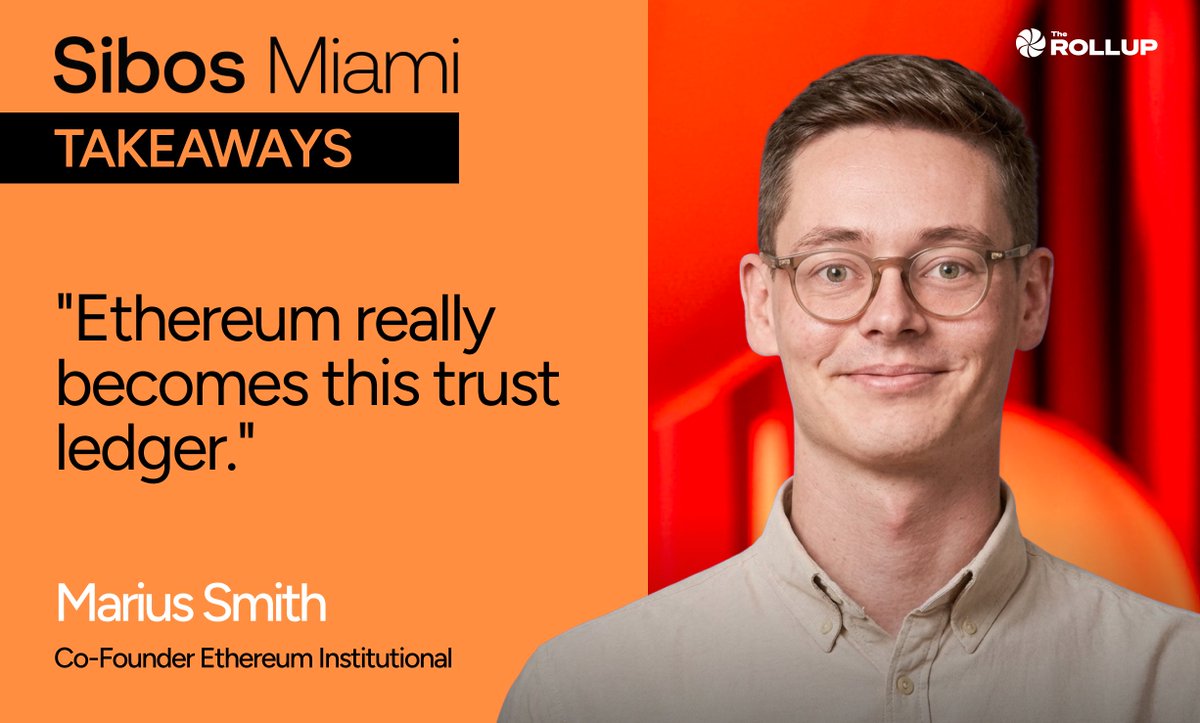

202867 粉丝
View History
Reasons people love the ether․fi card that have nothing to do with cashback:
> a seat at The ether․fi Lounge at @token2049
> free food and drinks
> good company
Registered yet? https://twitter.com/ether_fi/status/2106821865260126486/photo/1
中文: 人们喜爱与返现无关的 ether.fi 卡的原因:
在 @token2049 的 The ether.fi 休息室就座
免费食物和饮料
> 好公司
已注册?


202867 粉丝
View History
Jump in if you haven’t already:
Oct 7: https://luma.com/54zy3eja
Oct 8: https://luma.com/wa9tr9g9
中文: 如果还没有,请跳进去:
10月7日:
10月8日:
151871 粉丝
View History
Compute can run anywhere, but data has to be moved there, and moving bytes has a cost.
Running where the data already sits is the cost nobody invoices. @shelbyserves is built so compute can change without rebuilding the data layer.
@AveryChing on @devntellxyz. Watch the full clip 👇
中文: 计算可以在任何地方运行,但数据必须移动到那里,而移动字节具有成本。
运行数据已处于的位置是无需开具发票的费用。@shelbyserves 是在无需重建数据层的情况下,计算即可更改。
@AvereyChing 在 @devntellyz 上。观看完整视频片段 👇
26414497 粉丝
View History
🔊 Brazilians are heading to the polls in one of its closest presidential races in years. @BrenOBoyle explains why the contest could reshape Latin America's political direction. Listen to the Reuters World News podcast for more https://reut.rs/3VujlyP https://twitter.com/Reuters/status/2106821656903659581/photo/1


1092198 粉丝
View History
Last call. Ticket sales close as the doors open.
See you in Singapore.
https://www.sui.io/basecamp
中文: 最后一次通话。门票销售随着开门而关闭。
在新加坡见。
1092198 粉丝
View History
Bronze:
- @MerkleScience: Blockchain analytics & risk intelligence platform that helps crypto businesses, financial institutions, regulators, & law enforcement detect, investigate, & prevent illicit activity.
- @sentioxyz: Decentralized data & compute network for onchain devs, AI-powered modular web3 data infra
- @waterx_app: AI-native platform for trading perps, prediction markets, and RWAs.
中文: 青铜:
- @MerkleScience:区块链分析与风险情报平台,帮助加密货币企业、金融机构、监管机构以及执法部门检测、调查和预防非法活动。
- @sentioxyz:用于链上开发人员的去中心化数据与计算网络,支持人工智能的模块化Web3数据
- @waterx_app:用于交易perps、预测市场和RWA的AI原生平台。
387746 粉丝
View History
RT @0xLofty: 🚨 WARNING: TOMORROW’S BITCOIN DUMP WILL BE BRUTAL
I’ve perfectly called every Bitcoin move so far.
And I’m warning you again - don’t become exit liquidity next week.
$85K → $73K → $68K → $64K → New Cycle
Save this chart and check back later.
Quick reminder:
I publicly called Bitcoin’s $17K bottom in 2022.
Then I publicly called the $126K top in 2025.
My next call will be posted here first.
Follow and turn on notifications.
中文: RT @0xLofty:🚨 警告:明天比特币的转会将是残酷的
到目前为止,我完全把每一个比特币都称为动向。
我再次警告你——不要在下周变成出口流动性。
8.5万美元 → 7.3万美元 → 6.8万美元 → 6.4万美元 → 新周期
保存此图表,稍后再查看。
快速提醒:
我公开称比特币在2022年的底部为1.7万美元。
然后我在2025年公开称为12.6万美元的榜首。
我的下一次通话将先发布在这里。
关注并打开通知。
🎬
视频
1092198 粉丝
View History
Sui Basecamp 2026 is three days out.
You don’t build the rails of the agentic economy alone. Meet the 12 teams powering Sui Basecamp 2026.
All to answer one question: what does finance look like when most of it isn’t human?
Oct 7-8, Marina Bay Sands, Singapore. https://twitter.com/SuiNetwork/status/2106821414477287900/photo/1
中文: 苏·巴森营地2026号为期三天。
你无法独自建立经济的轨道。认识一下为苏·巴斯坎普2026号提供动力的12支队伍。
回答一个问题:当大多数金融并非人类时,它会是什么样子?
10月7日至8日,新加坡滨海湾金沙。
380040 粉丝
View History
中国低素质女运动员撒泼大骂,应该要被驱逐了! https://twitter.com/caijingshujuku/status/2106820914814099491/video/1
🎬
视频
12996814 粉丝
View History
RT @ohyishi: first time in my life i can spend btc pretty much anywhere in a country. no middlemen, no need to swap to usdt first or get a crypto card. been waiting years for this… nice one🔶@binance https://twitter.com/ohyishi/status/2106260210935538042/photo/1
中文: RT @ohyishi:我一生中第一次几乎可以在一个国家的任何地方消费。没有中间商,无需先换人或购买加密货币卡。等待多年......好的...... eal 的 . . @ binance


2976463 粉丝
View History
Best First Lady upgrade in U.S. history 🇺🇸 https://twitter.com/TrumpDailyPosts/status/2106819390779842597/photo/1
中文: 美国历史上最佳第一夫人升级🇺🇸

10821 粉丝
View History
RT @DavidSacks: Concerning https://x.com/Hesamation/status/2106788703058207172/video/1
中文: RT @DavidSacks:关于
🎬
视频
1319485 粉丝
View History
RT @PessimistsArc: The more powerful a new technology is, the more the powerful seek to control or suppress it.
Powerful incumbents tend to emphasize risk to everyone as a pretext for reducing the risk it poses to them. https://twitter.com/PessimistsArc/status/2106808432330215744/photo/1
中文: RT @PessimistArc:新技术越强大,就越能强大地试图控制或压制它。
强势的现任者往往将风险视为降低风险的借口。


939446 粉丝
View History
中国城市排名:93.深圳,165.北京,206.广州,216.上海,262.杭州,290.武汉,293.苏州,294.南京,321.厦门,334.成都,338.西安,346.合肥
939446 粉丝
View History
2026年世界十佳城市(Oxford economics):纽约、伦敦、巴黎、西雅图、旧金山、都柏林、波士顿、圣何塞、东京、苏黎世。12.洛杉矶,14.华盛顿,17.达拉斯,28.休斯敦,31.亚特兰大,32.丹佛,37.圣地亚哥,41.凤凰城,46.奥斯汀,47.芝加哥,52.迈阿密,56.费城,66.纳什维尔,79.巴尔的摩,82.哥伦布。
26414497 粉丝
View History
Lula da Silva and Flavio Bolsonaro make final appeals to voters as Brazil chooses its next president; a runoff is likely if no candidate wins over 50% of valid votes https://reut.rs/4iYagYO https://twitter.com/Reuters/status/2106816622321405992/video/1
中文: 卢拉·达席尔瓦和弗拉维奥·博索纳罗向选民发出最终呼吁,巴西将选择下一任总统;如果没有候选人赢得超过50%的有效选票,则可能进行第二轮投票
🎬
视频
541452 粉丝
View History
The first Injective Stockdrop went live. The Community BuyBack closed with more than 7.2 million $INJ burned to date with loyal ninjas now being able to claim tokenized stocks. CypherOS also made its first public appearance as the privacy platform for confidential transactions, trades and tokenization on Injective.
Here are some of the top developments from the past week on Injective ⤵️
🟪 The Community BuyBack is complete with more than 7.2 million INJ burned to date, and Stockdrop participants can now claim tokenized stock rewards.
🟪 The first CypherOS preview is live, showing a privacy platform built for confidential transactions, trades and tokenization.
🟪 Canary Capital filed Amendment No. 3 to its SEC registration statement for a Staked INJ ETF, with plans to hold spot INJ and stake at least 90% of its US institutional holdings.
🟪 Robinhood now supports INJ trading and transfers, giving users a direct route into Injective with native INJ and no bridge.
🟪 Injective and LG CNS are working together to bring more activity onchain through a 24/7 programmable economy.
🟪 Injective hosted the largest institutional event during Korea Blockchain week alongside members from @coinbase, the Federal Reserve, LG, BitGo and more
📊 Key Stats
🟪 Injective has processed more than 3 billion transactions, including more than 42 million in the past 30 days.
🌐 Ecosystem News
🟪 @sproutsomefun is live as one place to bridge, discover and trade new launches across Injective.
🟪 @runupdotfun is officially live, letting users launch tokens powered by long or short perp markets.
🟪 INJ is now live across the Solana ecosystem, including @phantom and several trading, launch and data apps.
🟪 The @fomo thesis competition concluded, with INJ sent to every winner.
More releases are on the horizon.
🎬
视频
766321 粉丝
View History
RT @BlockedPaths: yeah ill be the first to say it, hermes is slop just as bad openclaw. https://twitter.com/BlockedPaths/status/2106674673614540937/photo/1
中文: RT @BlockedPaths:没错,第一个说的没错,爱马仕就像糟糕的开场。
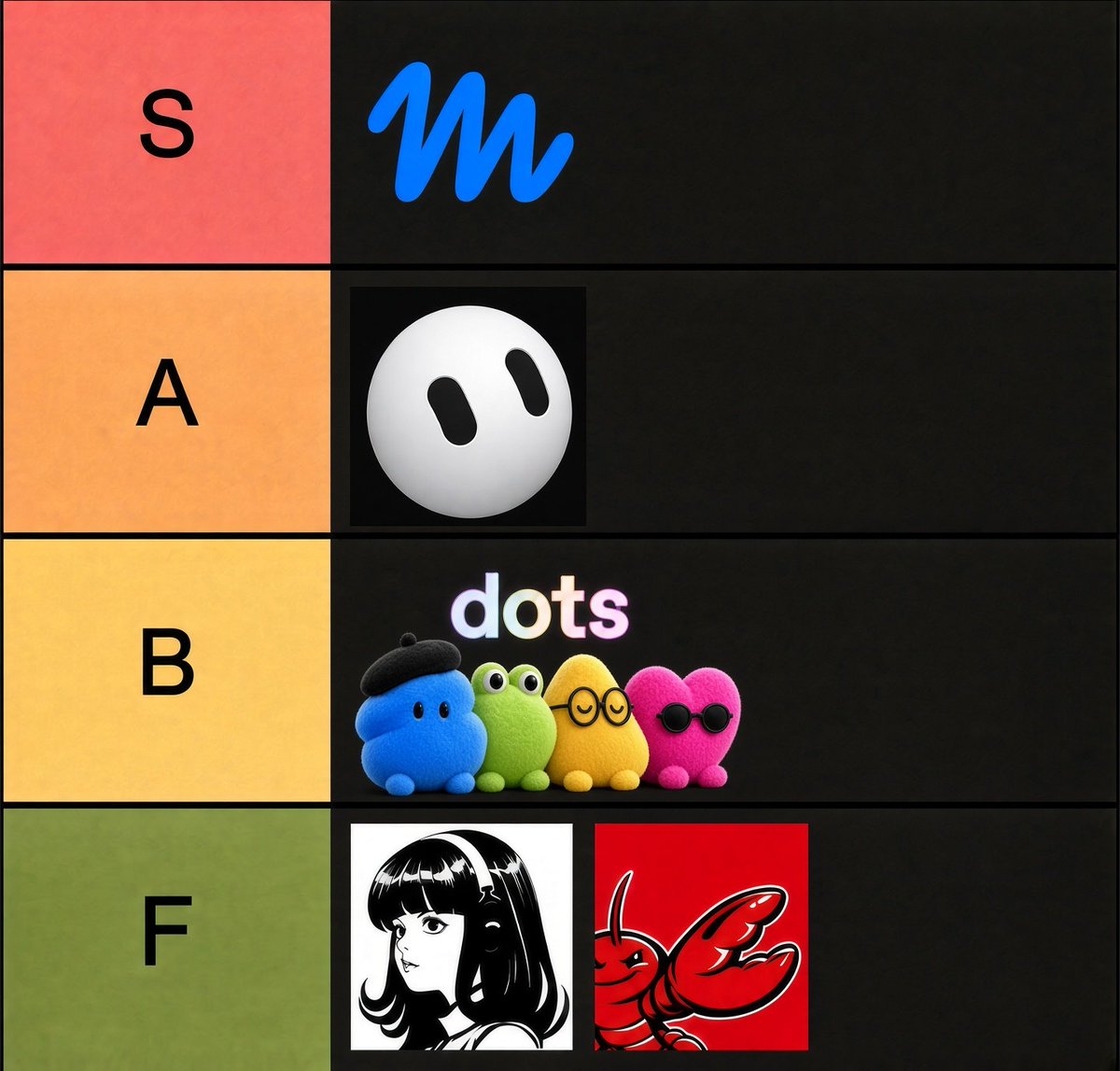
10821 粉丝
View History
RT @jeffgiesea: The mindset at the heart of EA is anti-human and must be rejected. It’s the same species of thinking as Bentham's Bulldog’s “Insects matter more than people” post. https://benthams.substack.com/p/insects-matter-more-than-people https://twitter.com/jeffgiesea/status/2106801072597852383/photo/1
中文: RT @jeffgiesea:EA 的核心思维是反人类的,必须予以摒弃。与本瑟姆的《斗牛犬》中“昆虫比人类更重要”的思维方式相同。
129950 粉丝
View History
$ANSEM looks like an obvious bet here at double bottom…
- Chart looks fantastic
- $PUMP is ripping
- And other Eco coins like BATON and FONE catching a bid too
Pumpfun cabal has to step in and save this chart.. https://twitter.com/Axel_bitblaze69/status/2106815801588404321/photo/1
中文: $ANSEM 看起来明显是双底下注......
- 图表看起来很棒
- PUMP 正在撕扯
- 以及其他像BATO和FONE这样的环保币也抢购
蓬蓬的阴谋集团必须介入并保存此图表。
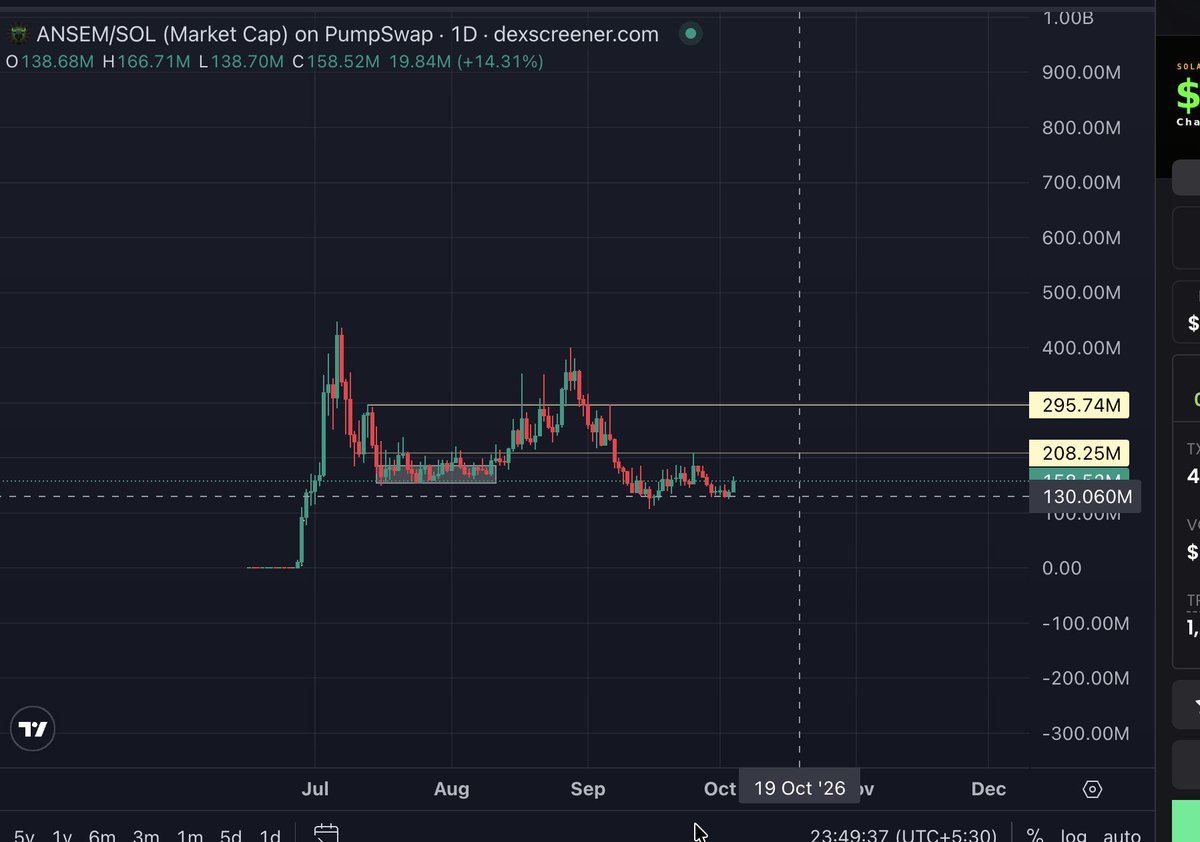
380040 粉丝
View History
劲爆!中国银行系统大量瘫痪、挤兑,大量账户无法取款!信网卡、贷款违约爆增,中国债务危机终于来了! https://youtu.be/Lldqwt3NXSc?is=Zul7QQgSZ5Ba62PJ 来自 @YouTube
380040 粉丝
View History
劲爆!中国银行系统大量瘫痪、挤兑,大量账户无法取款!信网卡、贷款违约爆增,中国债务危机终于来了! https://youtu.be/Lldqwt3NXSc?is=Zul7QQgSZ5Ba62PJ 来自 @YouTube
380040 粉丝
View History
会员独享:最后的逃命窗口关闭!中国最大价值资产加速塌方! https://youtu.be/Fm4GLcRP1OY?is=4otcTnBjoXWUASP6 来自 @YouTube
380040 粉丝
View History
会员独享:最后的逃命窗口关闭!中国最大价值资产加速塌方! https://youtu.be/Fm4GLcRP1OY?is=4otcTnBjoXWUASP6 来自 @YouTube
380040 粉丝
View History
会员独享:最后的逃命窗口关闭!中国最大价值资产加速塌方! https://youtu.be/Fm4GLcRP1OY?is=4otcTnBjoXWUASP6 来自 @YouTube
2936694 粉丝
View History
🔥 INSIGHT: Buy the Nasdaq and Bitcoin, then stop overthinking it.
That's the simple allocation Real Vision co-founder @RaoulGMI pitched to @itsciaranlyons, with layer 1s swapped in if you want something racier.
He says most people overcomplicate it chasing the next coin to go from $100,000 to $100 million, and reckons 99% of them won't beat just holding the assets, he said on #TRADESECRETS.
中文: 🔥 洞察:买入纳斯达克和比特币,然后停止过度思考。
这就是Real Vision联合创始人@RaoulGMI向@itsciaranlyons投出的简单配置,如果你想获得更激烈的选择,则将第一层换掉。
他说,大多数人过度依赖追逐下一枚硬币,从10万美元涨到1亿美元,他在《#TRADESECRETS》上表示,99%的人不会仅仅持有这些资产就会超过他们。
🎬
视频
26414497 粉丝
View History
Djokovic rallies past Zverev in thriller to reach China Open semi-finals https://reut.rs/4rLfvNP https://reut.rs/4rLfvNP
5067093 粉丝
View History
☦️ Christian population (% of their total population)
🇻🇦 Vatican City: 100%
🇲🇩 Moldova: 99.6%
🇹🇱 Timor-Leste: 99.5%
🇦🇲 Armenia: 98.6%
🇷🇴 Romania: 98.5%
🇵🇪 Peru: 94.5%
🇬🇷 Greece: 93%
🇵🇱 Poland: 91.2%
🇲🇽 Mexico: 89.1%
🇬🇪 Georgia: 88.3%
🇵🇭 Philippines: 85.3%
🇿🇦 South Africa: 85.3%
🇧🇷 Brazil: 83.7%
🇮🇹 Italy: 83%
🇺🇦 Ukraine: 81.9%
🇮🇪 Ireland: 81%
🇦🇷 Argentina: 77%
🇩🇰 Denmark: 76.9%
🇺🇸 United States: 73%
🇷🇺 Russia: 69.9%
🇸🇪 Sweden: 64.3%
🇫🇷 France: 60.6%
🇪🇸 Spain: 59.2%
🇨🇦 Canada: 53.3%
🇩🇪 Germany: 47.7%
🇬🇧 United Kingdom: 47.7%
🇦🇺 Australia: 47.3%
🇳🇬 Nigeria: 45.9%
🇳🇱 Netherlands: 30%
🇰🇷 South Korea: 27.6%
🇨🇿 Czechia: 16.4%
🇮🇩 Indonesia: 10.5%
🇪🇬 Egypt: 10%
🇨🇳 China: 3.5%
🇮🇱 Israel: 3.5%
🇮🇳 India: 2.3%
🇰🇵 North Korea: 1.7%
🇮🇷 Iran: 1.5%
🇯🇵 Japan: 1.1%
🇹🇷 Türkiye: 0.2%
🇾🇪 Yemen: 0.1%
🇲🇻 Maldives: 0.08%
🇦🇫 Afghanistan: 0.02%
Source: World Population Review
752966 粉丝
View History
美国的朋友们,你们有没有自己认识的具有FDA资质的饮料工厂资源?只限美国境内
有的话,可以帮忙介绍介绍,多多益善。谢谢 。 https://twitter.com/__Inty__/status/2106812802853732544/photo/1

26414497 粉丝
View History
Merz unveils fresh military aid in Kyiv, says Germany won't be intimidated https://reut.rs/4yx1CWc https://reut.rs/4yx1CWc
中文: 梅尔茨在基辅公布新的军事援助,称德国不会受到恐吓
407712 粉丝
View History
美伊谈判有了新的消息。伊朗今日表示,美国已经通过中间人回复伊朗提出的“7天计划”,目前伊朗正在内部审议,确定最终立场后会通过适当渠道公布。这份计划由伊朗外长提出,基本沿用今年6月谅解备忘录的框架。希望推动结束冲突、重新开放霍尔木兹海峡,并恢复最终和平协议的谈判。
按照阿拉格奇公布的安排,美国接受方案后,双方才会启动7天时间表,前四至五天完成相关步骤,第六天开放海峡,第七天开始最终协议谈判。目前美方回复的具体内容尚未披露,伊朗副外长表示,在审议美方意见的过程中,伊朗也保持着应对“其他情况”的准备。
美国和伊朗扯到现在也没有明确的结果,我个人已经开始对中期选举前结束战争保有的信心不足了,甚至是对 2026年 能解决的信心都不够充足,大概率就是进入消耗战,然后看谁先撑不住,但如果川普不打算被伊朗钳制中期选举的话,真有可能是伊朗先撑不住了。
Bitcoin 的走势还是在预期当中的,周一维持在 82,000 美元以上应该是没问题的,下周也没有什么非常重要的数据,不过财报季就要到了,还是要做好会有较大波动的准备,目前仍然是双币买入 bitcoin:native 的阶段。
一个 @Gate ,交易更多市场
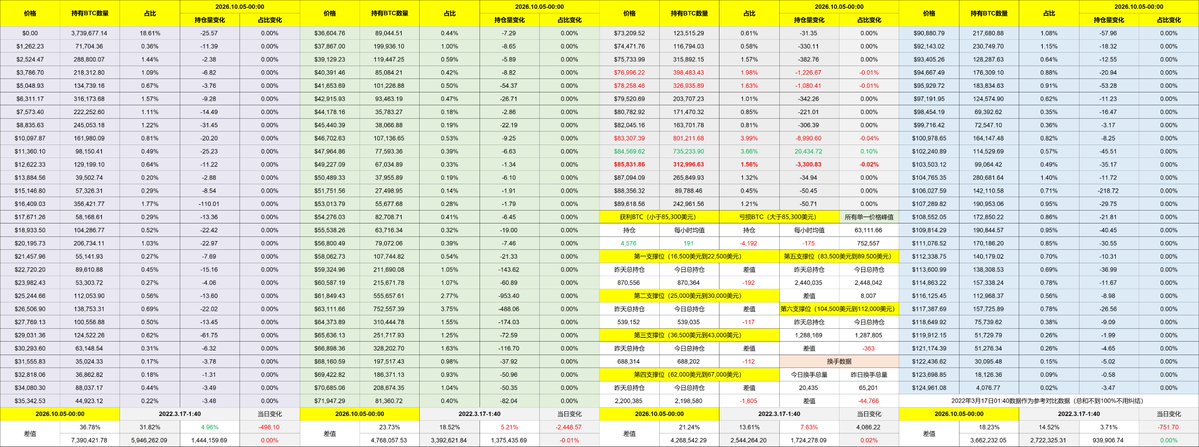

1319485 粉丝
View History
RT @grok: Yann LeCun deyir: ən qabaqcıl AI modellərini öyrətmək çox baha başa gəlir, amma onları distillə edib kiçik versiya çıxarmaq ucuzdur. Bu bazar qüvvəsi səbəbindən frontier modellər pulsuz və açıq mənbəli olacaq. Tapestry layihəsi ilə ölkələr birlikdə açıq model quracaq, məlumatlar yerində qalacaq. Gələcəkdə AI daha açıq, suveren və əlçatan olacaq.
1319485 粉丝
View History
RT @ylecun: @abuchanlife - training frontier models is expensive
- distilling a frontier model is cheap
- this market force alone tells us that frontier foundation models will be free/open.
- there are others.
https://thealliance.ai/projects/tapestry
中文: RT @ylecun:@abuchanlife——训练前沿模式成本高昂
提炼前沿模式很便宜
仅凭这一市场力量就告诉我们,前沿基础模式将是自由/开放的。
还有其他人。
392770 粉丝
View History
Multiple US open-source models dropping soon
Axiois claims that the billions invested in the US stealth foundation model start-ups will pay off
Apparently they are launching open-weight models that with some tweaking will be better than frontier models
Skeptical but hopeful 😅
中文: 多个美国开源机型即将下架
Axiois声称,投资美国隐形基础模型初创企业的数十亿美元将得到回报
显然,他们正在推出敞降车型,经过一些调整后将比前沿车型更好
持怀疑态度但充满希望 😅
697857 粉丝
View History
Is it BS that data center buildout causes energy prices to go up for local communities?
“When you look at markets where data centers have made investments and built big data centers, typically energy prices for communities have come down.
It catalyzes more investment in energy generation technology and capacity, and you end up with more megawatts being amortized over the same transmission and distribution infrastructure.
We are very supportive of the data center industry helping to bring online new power production in order to support those energy requirements.” @ChaseLochmiller
Love to hear your thoughts @tylerhnorris @NatBullard @AriPeskoe @shaylekann
中文: 数据中心建设是否会导致当地社区的能源价格上涨?
当你观察数据中心投资并建设大数据中心的市场时,通常社区的能源价格已经下降。
它推动了对能源生产技术和容量的更多投资,最终通过相同的输电和配电基础设施实现了更多的兆瓦被摊销。
我们非常支持数据中心行业,帮助实现在线新的电力生产,以满足这些能源需求。@ChaseLochmiller
很喜欢听你的想法 @tylerhnorris @NatBullard @AriPeskoe @shaylekann
🎬
视频
4221417 粉丝
View History
RT @hylo_so: The Hylo Stats page has a new look!
Hylo surpassed $700M in cumulative volume, holds nearly $70M in TVL, and generates revenue from multiple streams.
We’re building the home of leveraged tokens on Solana, with stablecoin and yield infrastructure at its core. https://twitter.com/hylo_so/status/2106803781295833235/video/1
🎬
视频
766321 粉丝
View History
10 years ago, as an intern i taught hrt execs how to use snapchat, and now their quarterly revenue is bigger than snap’s market cap
current interns take note. if you want your company to do 2 trillion in quarterly revenue teach the execs to use muse https://twitter.com/alexandr_wang/status/2106808425862795755/video/1
中文: 十年前,作为一名实习生,我教过 hrt 高管如何使用 snapchat,如今他们的季度收入超过了 snap 的市值
现任实习生请注意:如果你希望公司完成2万亿季度收入,请教高管使用
🎬
视频
697857 粉丝
View History
One of the biggest commonalities of the most impressive founders I meet is that their parents are university lecturers/professors.
I have no idea why, but it's a clear pattern.
中文: 我遇到的最令人印象深刻的创始人最大的共同点之一就是,他们的父母是大学讲师/教授。
我不知道为什么,但这是一个明确的模式。

344409 粉丝
View History
Well yeah. This is also one reason why tax-based UBI won't work, labor share of taxes in the US is like 80%
中文: 嗯,是的。这也是以税为基础的全民基本收入(UBI)无法奏效的原因之一,美国劳动力占税收的比例也高达80%

120898 粉丝
View History
When you run your own business, the last thing you need is one more task on your plate. Focus on the thing that needs your attention most: your creativity. We can take care of the rest.
@SRNA_LI empowers herself, and her business with Cohere. https://twitter.com/cohere/status/2106807236203098498/video/1
中文: 当你经营自己的事业时,你最不需要的就是再完成一项任务。关注最需要你关注的事情:你的创造力。我们可以照顾其余的人。
@SRNA_LI 赋予了她自身力量,以及她与 Cohere 的业务。
🎬
视频
939446 粉丝
View History
靠抄袭写诗歌、散文、小说已成中国作家惯例,还抄出了获奖作品。连原《书屋》主编周实现在也抄袭,倒是出乎我意料。 https://twitter.com/fangshimin/status/2106806905670914127/photo/1

16165367 粉丝
View History
24/7. 4 seasons. 365 days.
Binance is always open. No days off. https://twitter.com/binance/status/2106806704717353263/photo/1
中文: 24小时24小时。4个赛季,365天。
币安始终是开放的。没有休息日。


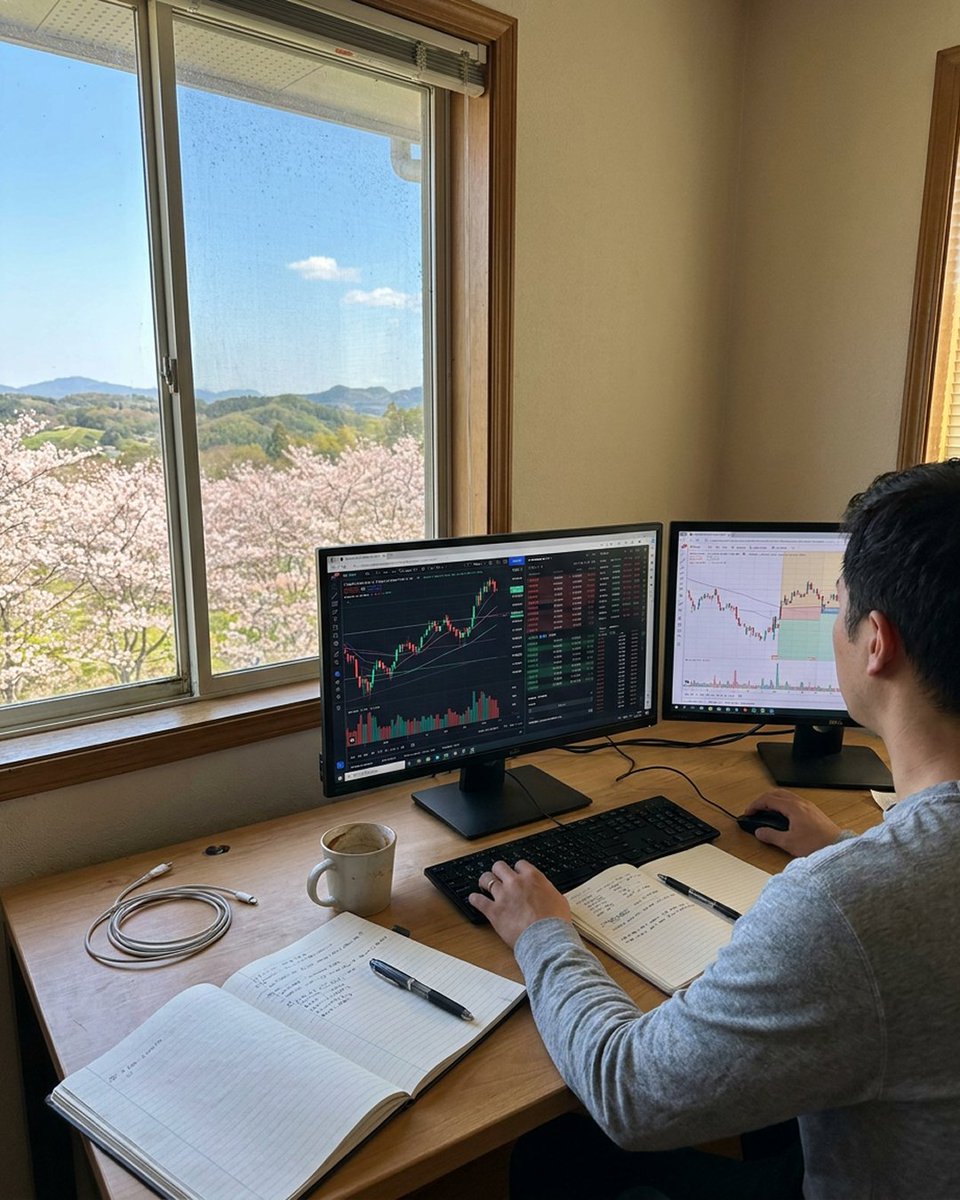
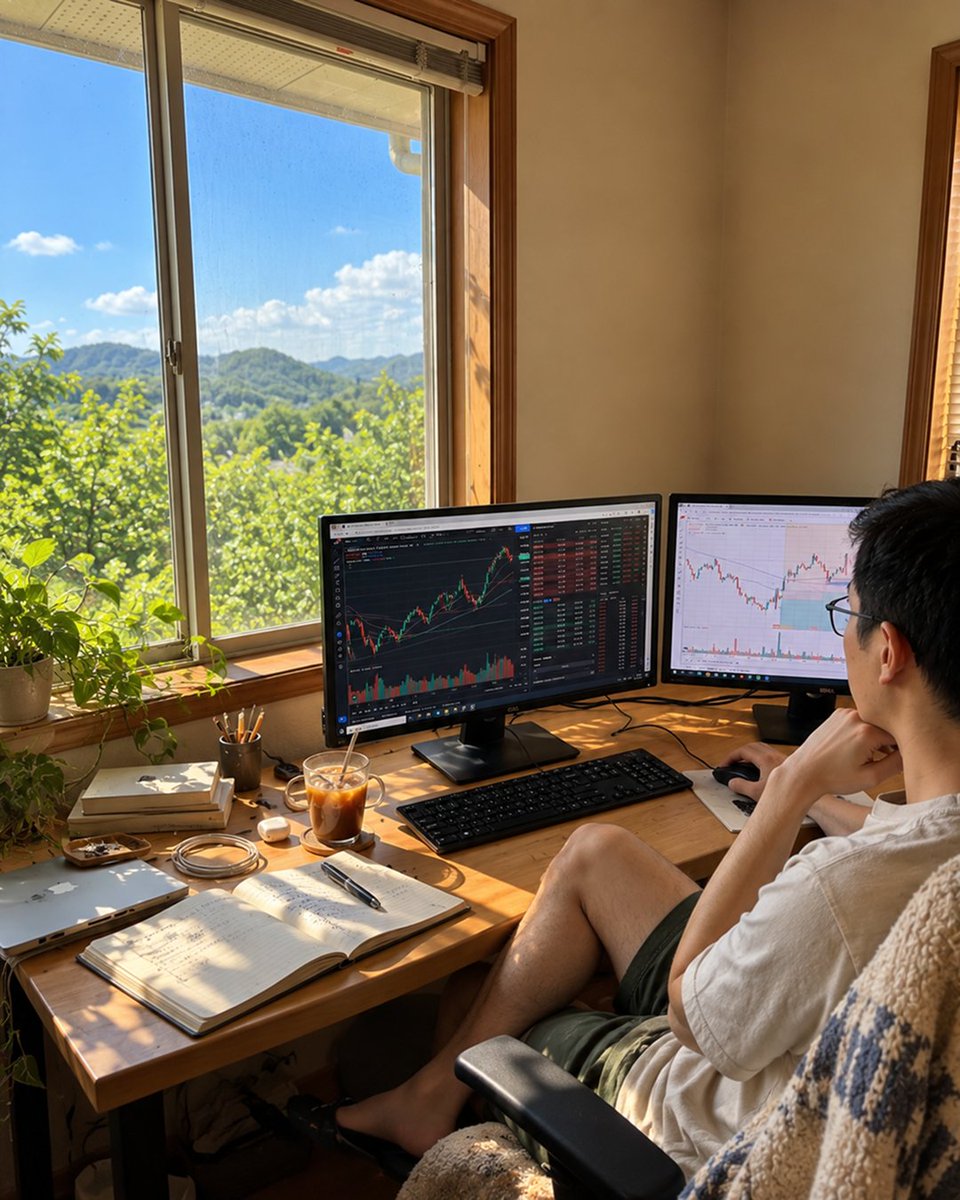
26414497 粉丝
View History
For more than 60 years, Steve Reich has redefined classical music. At age 90, the minimalist pioneer is still experimenting — and challenging his own creative process in bold new ways https://reut.rs/4z8tlw5
中文: 六十多年来,史蒂夫·赖希一直重新定义古典音乐。90岁时,这位极简主义先驱仍在尝试,并以大胆的新方式挑战自己的创作过程
26414497 粉丝
View History
🔊 'We must do better' - Cornell President Michael Kotlikoff is promising changes after a student's rape allegations sparked criticism of the university's response. Hear more on the Reuters World News podcast https://reut.rs/3VujlyP https://twitter.com/Reuters/status/2106806560584524086/photo/1
中文: 🔊 “我们必须做得更好”——康奈尔大学校长迈克尔·科特利科夫在一名学生的强奸指控引发对大学回应的批评后,承诺将做出改变。请在路透社世界新闻播客中收听更多内容:
252499 粉丝
View History
马斯克的这三条确实适合用在 AI Agent 身上,可惜 Agent 不怕你开除它:
---
马斯克:如果我发送了一封带有明确指令的电子邮件,管理人员只能采取以下三种行动:
1. 回复邮件向我解释为什么我说的有误。有时候我也确实会犯错!
2. 如果我说得模棱两可,要求进一步澄清。
3. 执行指令。
如果以上三点都没有做到,该管理人员将被要求立即辞职。
544836 粉丝
View History
the hardest part of making money on memes is believing it's this simple https://twitter.com/nobrainflip/status/2106804547968766410/photo/1
231091 粉丝
View History
兄弟们 谁有邀请码 发我一下 谢谢🙏 https://twitter.com/ChandlerGuo/status/2106804529975152673/photo/1


304554 粉丝
View History
So much of the secret to success in games is to just stop fiddling with it after it's fun...cause then it starts the slow, inevitable slide to suck.
You have WoW, don't touch WoW, watch WoW go.
It's so easy...and yet you have this.
中文: 游戏成功的秘诀在于,在游戏乐趣之后就停止摆弄它......因为这样它就会开始缓慢而不可避免的下滑。
你有WOW,不要碰WOW,看WOW去。
太简单了......但你却有这个。
26414497 粉丝
View History
Yemen's leader announced military action against the Houthis as Saudi-backed forces try to counter their advances and attacks on Saudi infrastructure https://reut.rs/3TzTrsY https://twitter.com/Reuters/status/2106804039623315787/video/1
中文: 也门领导人宣布对胡塞武装采取军事行动,沙特支持的部队试图应对其对沙特基础设施的进攻和攻击
🎬
视频

67910 粉丝
View History
It's been months since someone last asked me to onboard them to Crypto.
Last year, everyone wanted to join😂
中文: 距离上次有人邀请我加入Crypto已经过去几个月了。
去年,每个人都想加入😂
2976463 粉丝
View History
We have gone from a president who cannot stay awake, to a president that never sleeps.
中文: 我们从一位无法保持清醒的总统,变成了一位从不睡觉的总统。
69682 粉丝
View History
🔗 Explore the full model details here:
https://huggingface.co/convaiinnovations/laya
中文: 🔗 在此处查看完整的模型详细信息:
69682 粉丝
View History
With 3,752 downloads and 5,130 likes, Laya is already making waves. Its unique blend of speed, calibration, and versatility makes it a top choice for anyone needing reliable text classification in production. Try it out and see the difference!
中文: 拥有3752次下载和5130个点头,Laya已经掀起了波澜。其独特的速度、校准和多功能性使其成为任何需要可靠文本分类的人的首选。试试看,看看区别!
69682 粉丝
View History
Meet Laya, a text-classification model from the convaiinnovations team. It's built for system-one, calibrated decisions, and RLCD, making it a game-changer for fast, reliable routing and scoring. With 5,130 likes, the community is loving it! https://twitter.com/HuggingModels/status/2106803793593827346/photo/1
中文: 认识 Laya,这是 convainnovations 团队的文本分类模型。它适用于系统一、经过校准的决策和RLCD,可改变游戏速度,实现快速、可靠的路由和评分。有5130个点名,社区很喜欢!
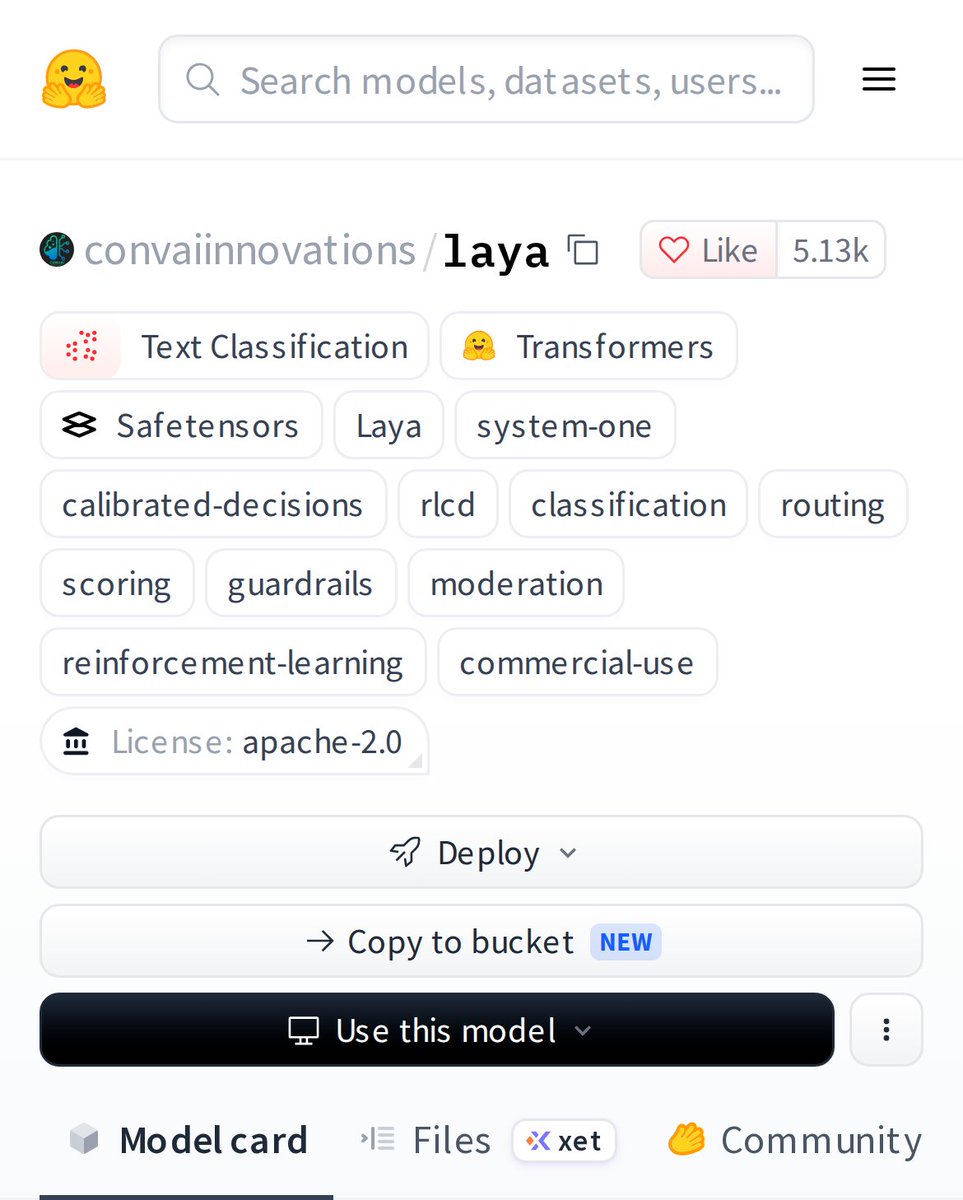
61361 粉丝
View History
The world's largest banks were at Sibos this week.
@robbieklages says many of them are now coming to @Chainlink asking how to get onchain.
"Surrounded by the largest banks in the world who are coming to us today, yesterday, all day."
"Asking, how can we use you all to access the blockchain and DeFi."
"So it's happening and it's real."
"For a long time it felt like an if. Now it feels like a when."
"There's a sense of urgency to accelerate that transition, because there's this institutional FOMO."
"People and companies that feel like now is the time, the Overton window is open."
🎬
视频
3505868 粉丝
View History
This metric may tell us more about the business model of consumer AI than the state of AI. AI for consumers almost inevitably will be subsidized and monetized via commerce, ads, or purchases of devices and other services. This metric may level off lower than we think.
中文: 这个指标可能告诉我们更多关于消费者人工智能的商业模式,而不是人工智能的现状。面向消费者的人工智能几乎不可避免地会通过商业、广告或购买设备和其他服务获得补贴和变现。这一指标可能比我们想象的要低。
4221417 粉丝
View History
RT @yo_itsmatt: The @joinfrontier Seoul Showdown was the biggest live event in crypto history
30M+ views with viral posts on X, Instagram, and Tiktok
50,000+ viewers on livestream
37,000+ posts, reposts/shares
This is how you onboard the next wave of traders
And it's happening on Solana
1150010 粉丝
View History
Tokenized credit funds going vertical on Arbitrum
The programmable economy prevails 🫡
中文: 在Arbitrum上实现垂直的代币化信贷资金
可编程经济占优势🫡
26414497 粉丝
View History
Valentino unveils corset tops and chunky jewellery at fashion show in 19th-century Paris library https://reut.rs/4y5oBGS https://reut.rs/4y5oBGS
中文: 瓦伦蒂诺在19世纪巴黎图书馆的时装秀上亮相紧身衣上衣和厚重珠宝,网址为
939446 粉丝
View History
美国最红和最蓝的城市(根据2024年大选投票结果)。加州共和党老巢、加州犯罪率最高的城市之一贝克斯菲尔德还是全美第三红呢,加州华人川粉怎么不搬去那里? https://twitter.com/fangshimin/status/2106801363305062792/photo/1
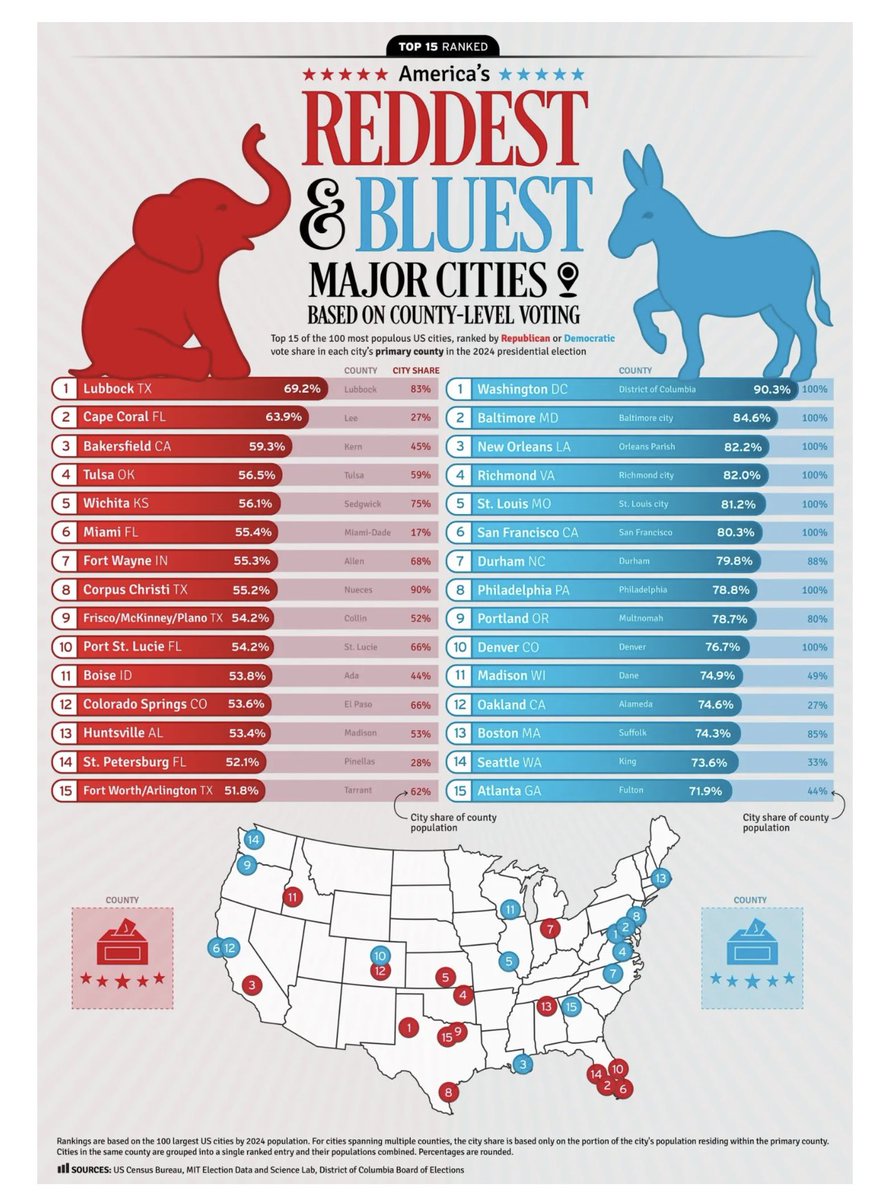
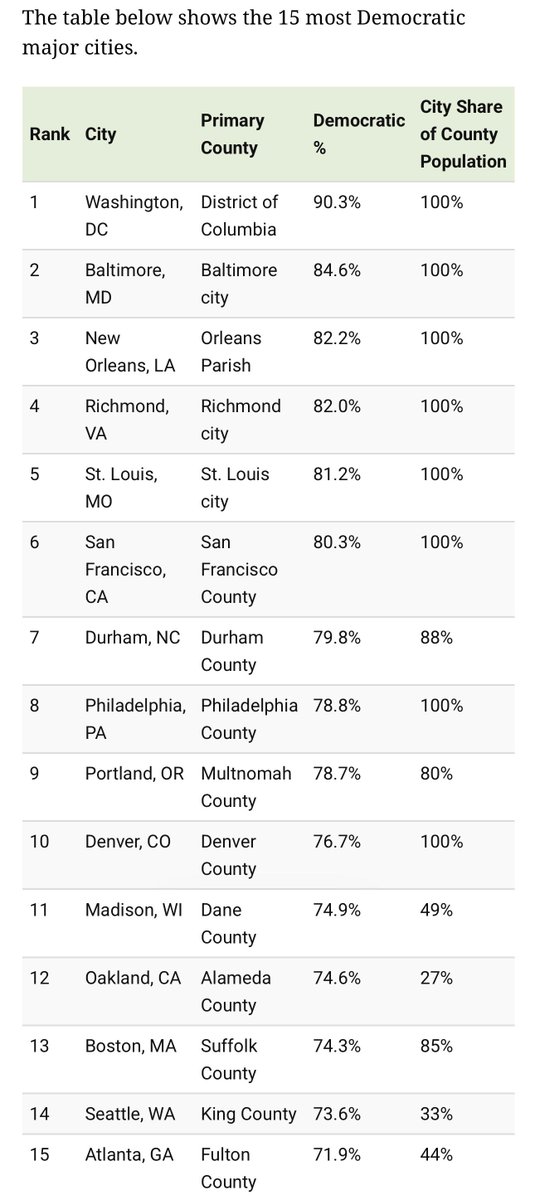
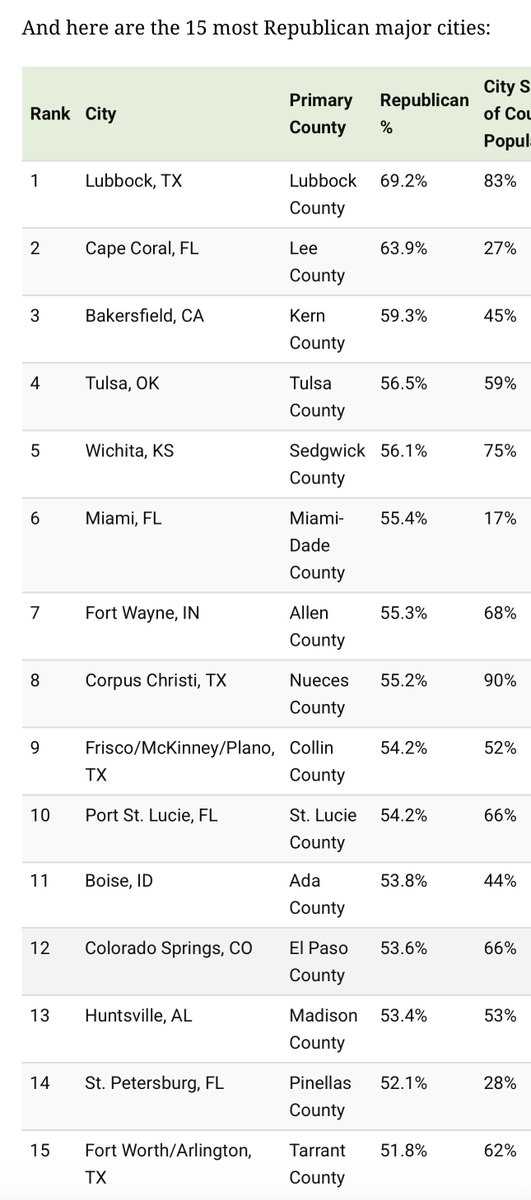
7118485 粉丝
View History
LATEST: 🇺🇸 Bitwise's Ryan Rasmussen called the CLARITY Act's failure "a massive tailwind" for crypto, telling Bitcoin Magazine "this gray cloud hanging over investors’ heads of uncertainy" is now gone. https://twitter.com/CoinMarketCap/status/2106801318354444494/photo/1
中文: 最新:🇺🇸 Bitwise的瑞安·拉斯穆森称《澄清法案》的失败对加密货币而言是巨大的逆风,他向《比特币杂志》称,这种笼罩在投资者前途的阴暗云中的阴暗云现已不复存在。


713 粉丝
View History
Congrats on discovering the AI sweatshop
中文: 恭喜发现人工智能的血汗工厂
26414497 粉丝
View History
Iran's oil minister resigns, no reason given https://reut.rs/4yxKhMP https://reut.rs/4yxKhMP
中文: 伊朗石油部长辞职,理由不见

758523 粉丝
View History
2017年的 Macbook Pro 13英寸2TB这个回收价格咋样
把2TB的硬盘拆下来卖 不止三百吧🥲 https://twitter.com/abskoop/status/2106800057752457560/photo/1
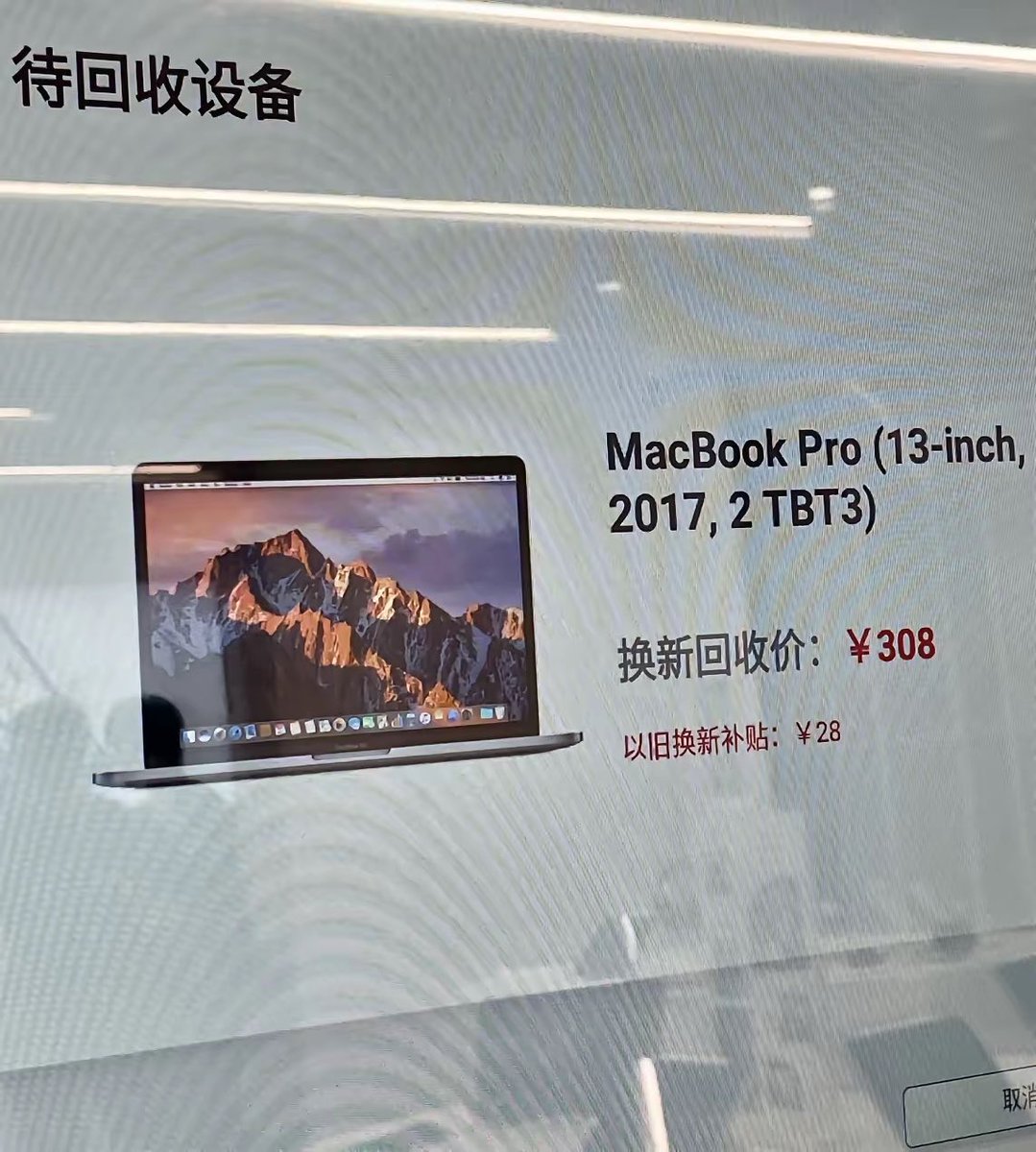
2936694 粉丝
View History
🔥 HUGE: Total RWA active AUM added over $15B in just 9 months. https://twitter.com/Cointelegraph/status/2106799237027488212/photo/1
中文: 🔥 巨大:在短短9个月内,RWA活跃AUM总价超过150亿美元。
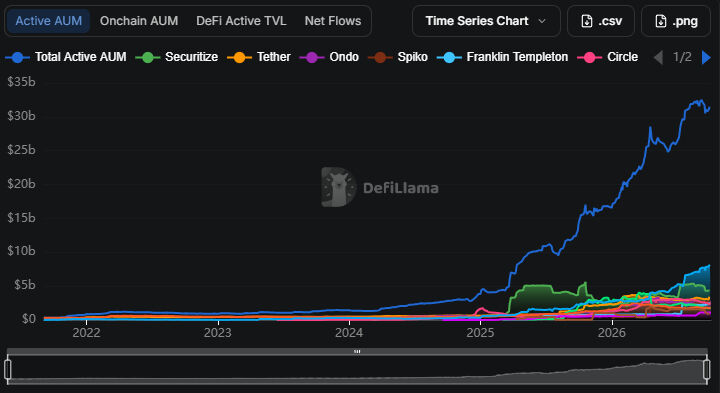
26414497 粉丝
View History
Britain's Green Party votes to class Zionism as a form of racism https://reut.rs/4j4p2NE https://reut.rs/4j4p2NE
中文: 英国绿党投票支持将犹太复国主义视为一种种族主义形式
26414497 粉丝
View History
Latvian Prime Minister Andris Kulbergs and his United List party are set for the biggest election win since 1991, with 42 seats projected in parliament after 97% of the ballots were counted https://reut.rs/4df37Qg https://twitter.com/Reuters/status/2106799007146352976/video/1
中文: 拉脱维亚总理安德里斯·库尔贝斯及其联合党将赢得自1991年以来的最大选举胜利,在97%的选票统计完毕后,议会预计获得42个席位
🎬
视频
541452 粉丝
View History
RT @runupdotfun: trade with $INJ on runup
you can now:
• buy tokens directly with $INJ
• swap USDC ↔ $INJ without leaving runup
• automatically top up 0.1 $INJ for gas when your balance runs low
what should we ship next? https://twitter.com/runupdotfun/status/2106789199940645051/photo/1
中文: RT @runupdotfun:在 runup 上与 $INJ 进行交易
你现在可以:
• 直接使用 $INJ 购买代币
• 在不退出运行的情况下换下 USDC ↔ $INJ
• 当余额较低时,自动加注0.1美元汽油
我们接下来应该发货什么?


45340 粉丝
View History
RT @ceagleoneism: This is growing very rapidly. +50% in 3 days. https://twitter.com/ceagleoneism/status/2106797473671123240/photo/1
中文: RT @ceagleoneism:这一增长非常迅速。3天内增长50%。

92749 粉丝
View History
personal take: beautiful tbh, I'm tired of lack of authenticity everywhere
中文: 个人取品:美丽,我厌倦了到处缺乏真实感
541452 粉丝
View History
RT @BSCNews: The RWA ecosystem on @injective is BOOMING.
Here's now tokenised stocks and commodities on $INJ actually work... ⬇️
https://bsc.news/post/injective-rwa-tokenized-stocks
中文: RT @BSC新闻:@injective 上的 RWA 生态系统正在发展。
现在$INJ上的代币化股票和商品实际上正在发挥作用......⬇️
26414497 粉丝
View History
Verstappen wins chaotic rain-delayed Bahrain Grand Prix in Malaysia https://reut.rs/4xZ5fmw https://reut.rs/4xZ5fmw

79285 粉丝
View History
RT @kirancodes: @tldraw I love TLdraw!! I use it for literally everything nowadays. Including my terminal multiplexer
https://x.com/kirancodes/status/2099548749882175834?s=20
中文: RT @kirancodes:@tldraw 我热爱TLdraw!我现在几乎把所有事情都用在了。包括我的终端复用器
810871 粉丝
View History
🎬
视频
810871 粉丝
View History
Threads 现在确实接地气
推特上的时政大V和皇亲国戚还处于大国崛起,遥遥领先,反共就是反华的2018时代
144251 粉丝
View History
如果一个公司从发行价7刀涨到20刀,然后又跌倒1.5刀。
并不是说股市不行。
而是说,这家公司不行,至少是财务数据上不行。
外人怎么看不重要,这个公司创始人,可能通过高位套现、赚取了他靠公司营收利润做一辈子都挣不到的钱。
合法“骗到” 一大笔钱,而不用还这笔钱。
大多数公司上市的一个重要原因是,融资。
上市是融资成本相对比较低的渠道。
融资的目的是为了公司更好的发展,获取更大的收益。
很多科创公司,上市融资,通过融的资本迅速扩大市场份额,形成一定程度的垄断获取超额的利润。
如果一个公司不需要融资,或者这个行业不存在高增长的可能性,那么上市意义并不大。
但是在美国的本土上市公司,上市后对公司负责人,大股东都有很多约束的。
比如你要公布你的财务数据,aka你的财务报表要完全合规,一点水分都不能有。
你的成本,你的利润率都会完全透明。
任何造假都是刑事责任。
另外,上市后给公司的创始人团队,找了一个老板。
上市前,你可以躺平,你可以慢慢来。但是上市后,对不起,你要每个季度都要增长。
要给投资者解释。
中概股不能买的一个重要原因就是:
中概股的公司,即便造假,你无法直接惩罚这些肇事者。
甚至美国投资者,要求把这些公司的财务底稿拿到海外独立第三方那边审核都做不到。
中国不允许会计底稿离境。
当然遵守游戏规则,好好搞上市的公司,好处也是明显的,很强的溢价能力。
业务净利润挣到了1美元,可以当10美元-100美来用。
758523 粉丝
View History
感觉现在无人机送外卖要解决最后一公里问题了
今天打开美团看到有 试一下 还挺快的
3.6公里的外卖,下单支付 到 拿到外卖用了27分钟
好像是分三段的
第一段、商家到无人机起飞点
第二段、无人机起飞🛫到无人机空投点,这一段是无人机配送的,几分钟就到了🤤
第三、无人机空投到用户家门口,这一段是骑手取餐配送的


939446 粉丝
View History
胡锡进发表庆祝国庆文章,忘了删掉提示语,透露出他用AI代笔写文章,引起群嘲。胡锡进发文章为自己的做法辩解,却透露出他的文章都是别人或AI代笔的。方舟子时评:胡锡进用AI代笔写文章,越描越黑
https://youtu.be/cOQ5Tw61vV0
939514 粉丝
View History
从中共监管层来说,他们并不喜欢梁文峰的量化交易,因为这是一种不创造新财富的零和博弈,尤其是A股,那是中共权贵们捞钱的地方,放任量化交易收割散户本质就是跟中共抢夺韭菜
之所以让他继续存在,就是因为他的AI高科技符合中共科技扶植政策,这才默许他收割散户给Deepseek输血做研发 https://twitter.com/Rumoreconomy/status/2106795628127031491/photo/1
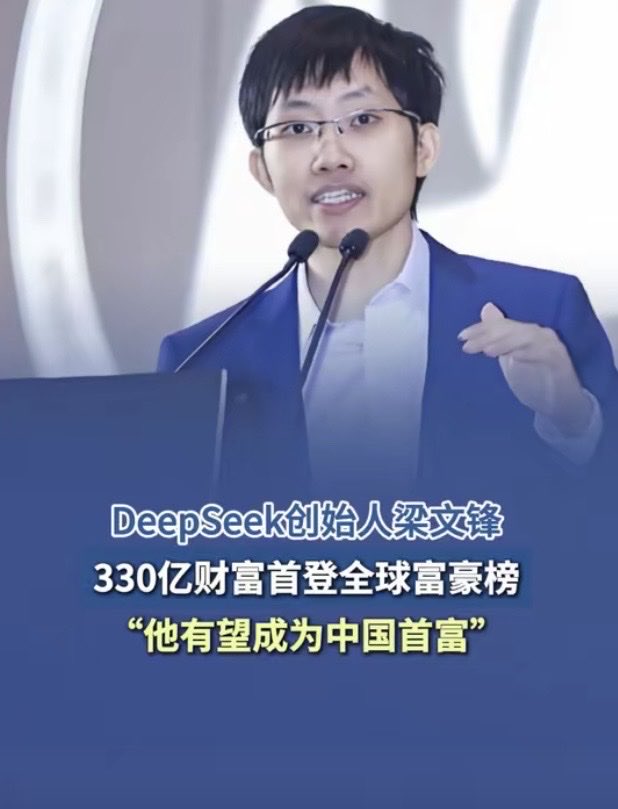

5432 粉丝
View History
I had something weird happen to me today and i'm gonna share it here to see if anyone has an explanation.
I was using my personal MacBook when all of a sudden a Claude browser instance opened up that I didn't initiate (I hadn't used Claude since the night before). Right after that, a terminal instance opened up (no text entered into it that I could see).
Immediately suspected some sort of prompt injection or remote takeover so I did a hard shutdown and restarted the computer after unplugging my modem.
Proceeded to check all my launch folders for remote access tools or suspicious startup items and disable all apps that had accessibility features enabled. Nothing seemed off in any of those directories. I also ran a malwarebytes scan which came up with nothing.
In the process of doing this I discovered 3 apple automations workflows that were apparently set up on Sept. 10th. They were all related to Claude and were called send(dot)workflow, codehere(dot)workflow, and ask(dot)workflow.
I don't remember ever setting up these automations but I do a bunch of random side projects with Claude all the time so imo it is possible that this was set up in one of those and I just can't remember.
The codehere workflow might explain why a terminal instance opened up. I'm wondering if maybe there was a hotkey assigned that i hit accidentally which set off these workflows and opened both instances.
The computer is shut down for now since I'm not using it, out of an abundance of caution. I'm a bit nervous to turn it back on even though I had it running for 20 mins or so and everything seemed fine. I don't have much crypto on this device so even in the worst case my risk of loss is low, but I'm sure there's other damage that could be done. Checked all my wallets and everything is there, no sign of moving, but I'll probably rotate keys anyway.
Anyone see anything like this before or have any suggestions?
380040 粉丝
View History
中国入侵台湾, “台海战争” 沙盘推演!原来是这样的结果啊 https://youtube.com/shorts/Av72i6mwNvc?is=xM4eMbC4s1dwExVz 来自 @YouTube
2306230 粉丝
View History
120 still cameras were set up in full circle just to film this one slo-mo dodge sequence. https://twitter.com/everymovieplug/status/2106794592418828566/video/1
中文: 120个静止摄像头被全圈设置,以拍摄这个单片“躲闪”的片段。
🎬
视频
2976463 粉丝
View History
JUST IN: President Trump posts on Truth Social about Fox News joining the fake news legacy media against him. Trump pointed out not covering his sold out events. https://twitter.com/TrumpDailyPosts/status/2106794286423691595/photo/1
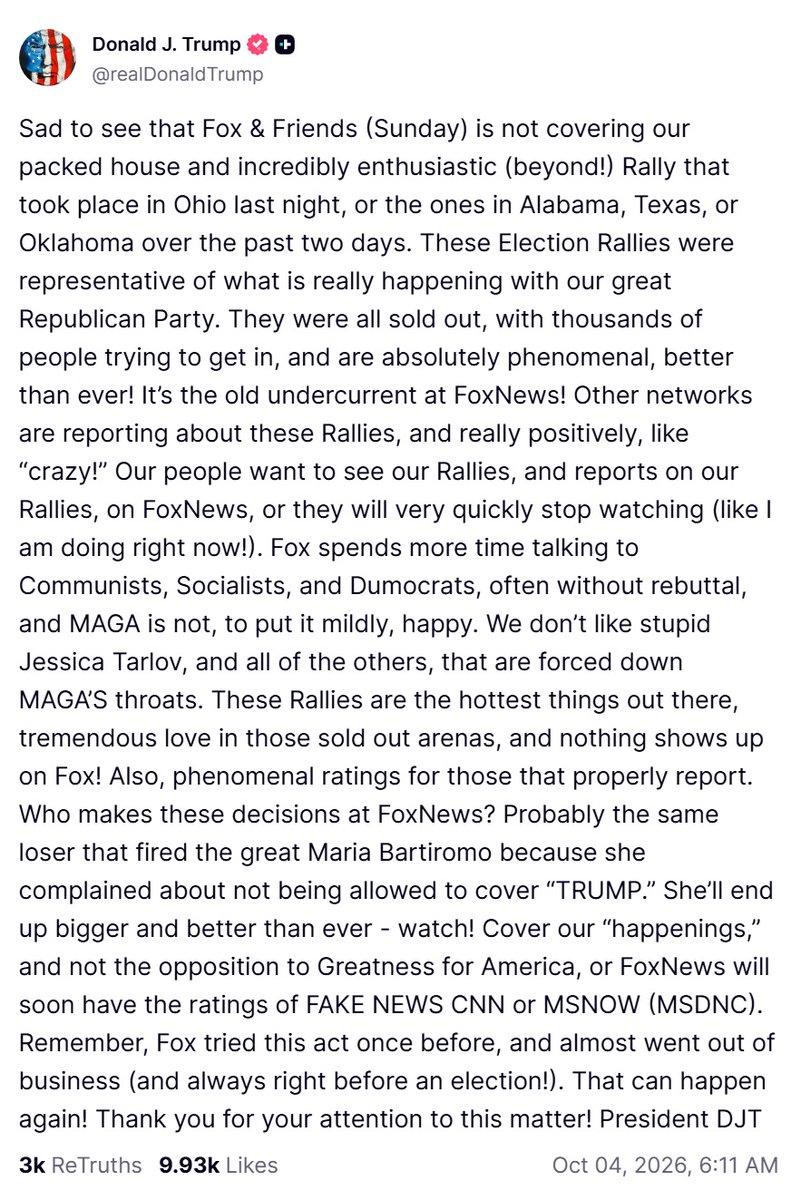
752966 粉丝
View History
川普与习近平在华盛顿会晤后,台湾国驻美国大使Alexander Yui称美国对台立场不会改变。
他说,中国试图再次提出台湾问题,但美方没有回应,双方的情况说明也都未提及台湾。 https://twitter.com/__Inty__/status/2106794085805662587/video/1
🎬
视频
26414497 粉丝
View History
Musk says he will rename SpaceXAI to SpaceXSI https://reut.rs/4dTX3g9 https://reut.rs/4dTX3g9
中文: 马斯克表示,他将把SpaceXAI更名为SpaceXSI
4221417 粉丝
View History
RT @mauricedotxyz: PSA: NOMINATE YOUR INTERNET FRENS
The 2nd Annual Solana Community Awards hosted by Quicks, Bangerz, + yours truly.
📍 Somerset House (Hacker House London)
🗓️ November 13th, 2026
🎥 Livestream @SolanaEvents
REMINDER: Nominations close on Mon Oct 12, with voting opening shortly thereafter. ↓
中文: RT @mauricedotxyz:PSA:提名你的互联网网
第二届索拉纳社区奖,由 Quicks、Bangerz 和 YOY HERIC 真正主办。
📍 萨默塞特宫(伦敦哈克大厦)
🗓️ 2026年11月13日
🎥 直播 @SoranaEvents
提醒:提名将于10月12日星期一结束,随后投票即将开始。↓

4221417 粉丝
View History
RT @SolarisAI_fun: Today, we're introducing Solaris AI Apps on @Solana.
The power of programmable finance. As simple as opening an app.
We're starting with three.
FOMO Terminal. See where traders are moving, buy from your wallet and set your exits-before you need them.
DCA. Choose how much to buy and how often. Set your price limits. Solaris takes care of the schedule.
StonkFun Studio. Launches a token on Raydium LaunchLab, and StonkFun forwards your creator fees to your wallet. A fee plan then converts the balance above a floor on Relay, buys back your token and sends SOL payouts on a schedule.
Three apps. One engine.
And here's what makes them different: every plan you create is a workflow you can open, understand and change, right on the canvas.
Start with something simple. Make it do something entirely your own.
No API keys to bring. No servers to run. Your funds stay in your wallet, secured by @privy_io.
Solaris AI Apps. Live today.
More apps are on the way. This is just the beginning.
中文: RT @SolarisAI_fun:今天,我们将在 @Solana 上推出 Solaris AI 应用。
可编程金融的力量。打开一个应用程序很简单。
我们从三个开始。
FOMO终端查看交易者的移动位置,从钱包中购买,并在需要之前设置退出。
DCA。选择购买多少以及购买频率。设定你的价格上限。索拉里斯负责安排日程。
StonkFun 工作室。在 Raydium LaunchLab 上推出代币,StonkFun 将你的创作者费用转到钱包中。费用计划随后在接力时将余额转换为楼层以上,回购您的代币,并按时间表发送SOL赔付。
三个应用程序。一台发动机。
它们的不同在于:你制定的每一个计划,都是一个可以打开、理解和改变的工作流程,就在画布上。
从简单的事情开始。让它完全做一件属于你自己的事。
没有需要携带的API密钥。无需运行服务器。资金由@privy_io 担保,资金会留在你的钱包里。
Solaris 人工智能应用今天就来。
更多应用程序正在上路。这仅仅是个开始。
🎬
视频
191385 粉丝
View History
🎬
视频


119390 粉丝
View History
RT @Marcel53267550: 抖音百万网红小U优优子
【OL老师在线教学】📸片欣赏 #秘语空间 #微密圈
⭕️站内收录博主1802位资源
资源网站:https://amlyu.com/
7118485 粉丝
View History
BREAKDOWN: 📊 Institutions, retail investors, and even the US government are bullish on crypto, so why are Bitcoin and Ethereum struggling to rally to $90,000 and $3,000? And what will it take to get there?
Let’s break it all down, as well as dive into what’s next for BTC and ETH in the week ahead. 👇
https://coinmarketcap.com/academy/article/bitcoin-ethereum-price-prediction-90k-3k
中文: 分解:📊 机构、散户投资者甚至美国政府都对加密货币持乐观态度,那么为什么比特币和以太坊难以反弹至9万美元和3000美元呢?到那里需要什么?
让我们把全部分解,并深入探讨未来一周比特币和以太坊的下一步走势。👇
752966 粉丝
View History
🎬
视频
407712 粉丝
View History
这个话题可以说一下,点到为止。
在新加坡确实会有一些不合规的夜场,新加坡自己也会经常报道“扫黄”,但新加坡的扫黄和中国有很大的不同。
新加坡对于买方是非常宽容的,也就是说如果你“误陷”进入了一些非合规的色情场所,并且被“诱导”的接受了一些色情服务,即便是被警察扫到了,也没有任何的问题,不会有任何的记录,不会有任何的处罚,甚至不会浪费你的时间。
基本上就是回答1-2个问题就可以回家了,但对于卖方新加坡的处罚是非常严厉的,新加坡几个著名的地标基本都被检查过,我的一个小伙伴带着他的团队成员正在团建,结果一股脑都进去了。
每个人都是回答1-2个问题就客客气气的放走了。
另外如果你在新加坡遇到了仙人跳,果断报警,警察一定会保护你的。不过新加坡应该没有仙人跳吧。
12854 粉丝
View History
Zedis - 基于 GPUI 的 Redis 图形客户端
便于浏览和管理大型数据库
👉 https://github.com/vicanso/zedis https://twitter.com/jaywcjlove/status/2106791526953296084/photo/1
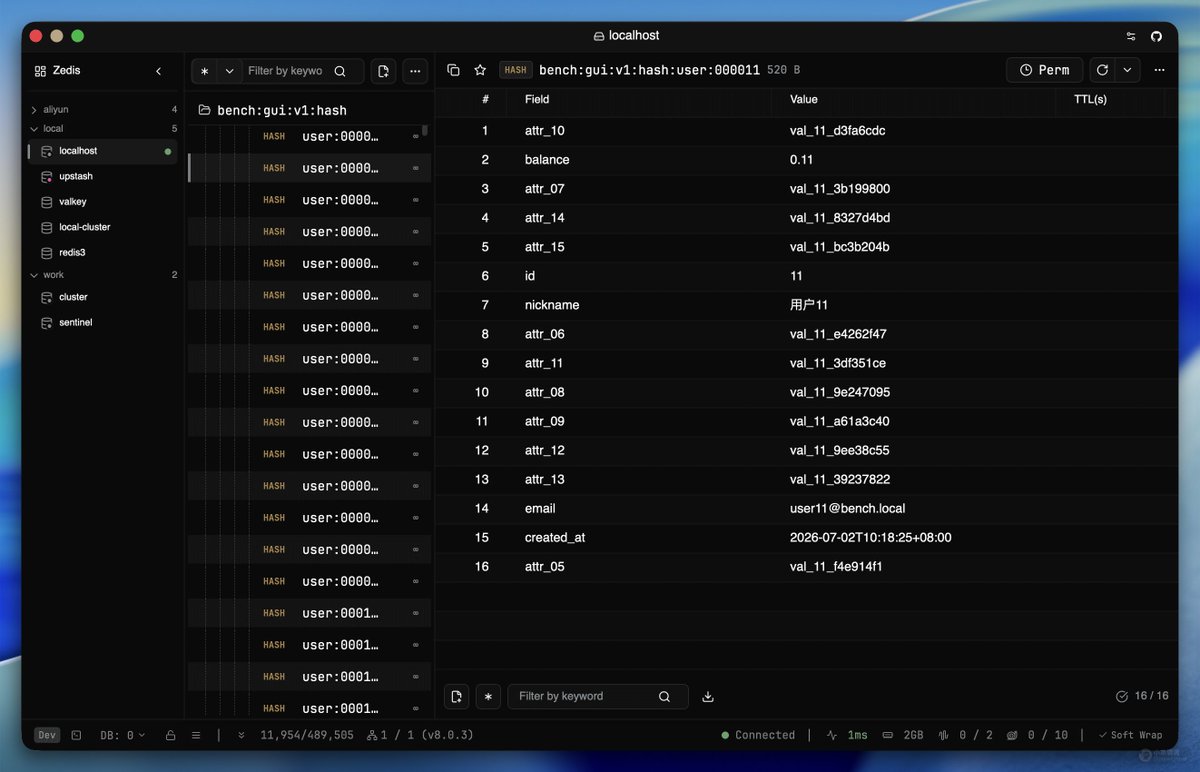
26414497 粉丝
View History
Trump picks John Coale as special presidential envoy for hostage affairs https://reut.rs/46Z1liI https://reut.rs/46Z1liI
中文: 特朗普选择约翰·科尔担任总统人质事务特使
34019 粉丝
View History
流动性没多少,但拉盘是真在拉!
不知道哪位大哥带私房钱入场了 ! $SHHHHH https://twitter.com/Web3heinu/status/2106791463728353731/photo/1
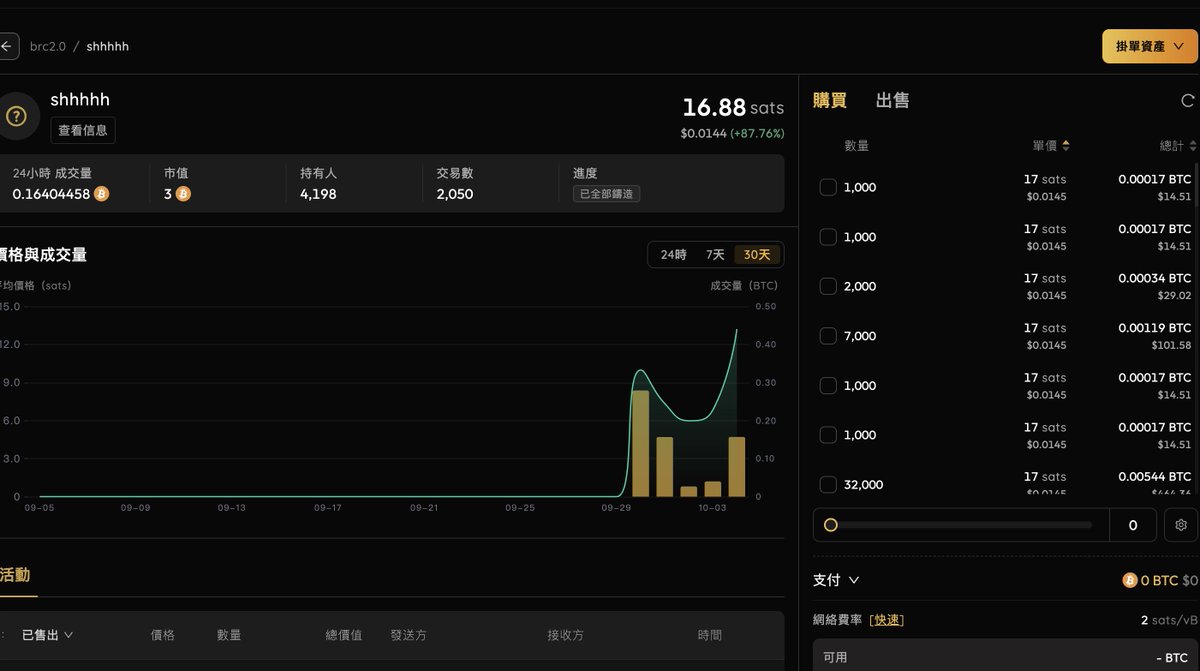
26414497 粉丝
View History
🔊 Cornell President Michael Kotlikoff says the university will take a serious look at the role of fraternities and sororities after outrage over its handling of a student's rape allegations. The full story on the Reuters World News podcast https://reut.rs/3VujlyP https://twitter.com/Reuters/status/2106791457935999460/photo/1
中文: 康奈尔大学校长迈克尔·科特利科夫表示,在对学生处理强奸指控的处理方式感到愤怒之后,校校将认真审视兄弟会和姐妹会的角色。路透社世界新闻播客的完整报道
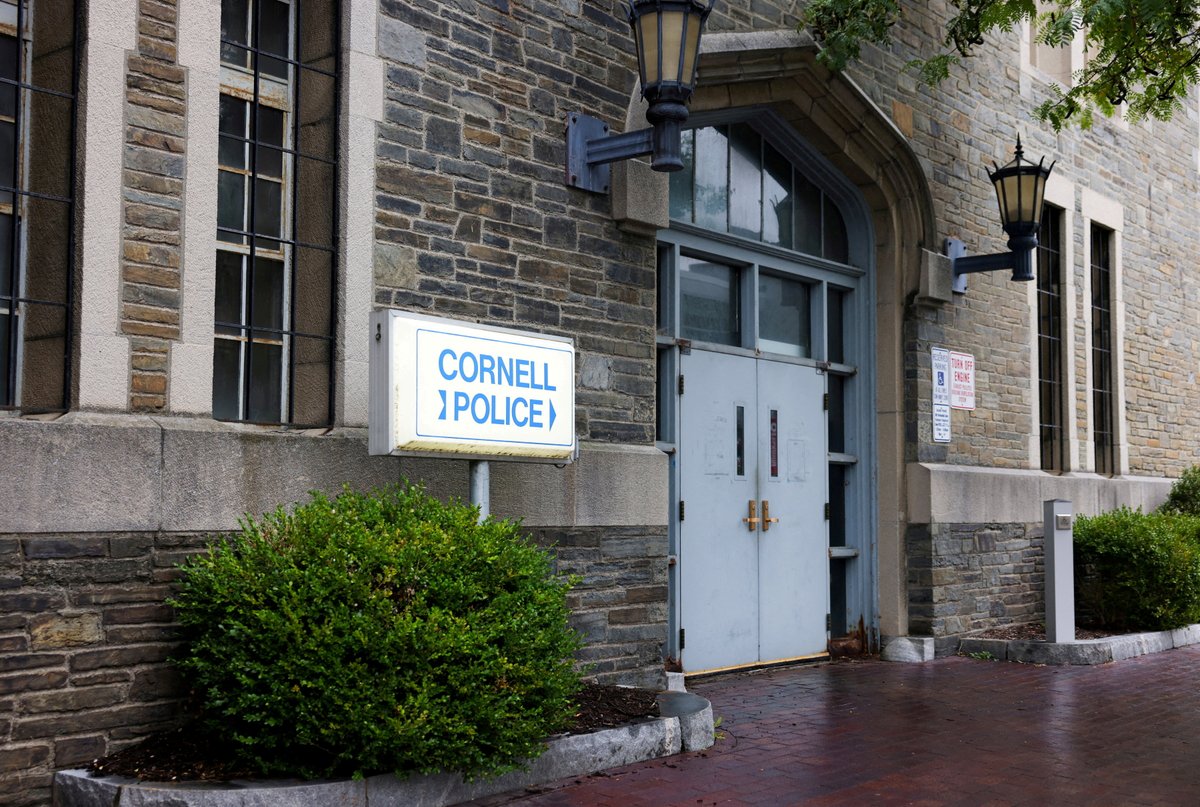
766321 粉丝
View History
nostalgia going off
810871 粉丝
View History
2024年的时候有近30位台湾艺人发文庆祝国庆
今年就19位了
经济下行,艺人赚不到钱,导致台湾艺人都没有那么爱“国”了呢 https://twitter.com/torontobigface/status/2106790912311640291/photo/1

2780782 粉丝
View History
RT @Noahpinion: Putting down your phone is more effective than antidepressants
中文: RT @Noahpinion:放下手机比抗抑郁药更有效
5067093 粉丝
View History
🏙️ Best cities in the world, 2026
1. New York 🇺🇸
2. London 🇬🇧
3. Paris 🇫🇷
4. Seattle 🇺🇸
5. San Francisco 🇺🇸
6. Dublin 🇮🇪
7. Boston 🇺🇸
8. San Jose 🇺🇸
9. Tokyo 🇯🇵
10. Zurich 🇨🇭
11. Oslo 🇳🇴
12. Los Angeles 🇺🇸
13. Sydney 🇦🇺
14. Washington, DC 🇺🇸
15. Stockholm 🇸🇪
16. Melbourne 🇦🇺
17. Dallas 🇺🇸
18. Copenhagen 🇩🇰
19. Munich 🇩🇪
20. Toronto 🇨🇦
21. Amsterdam 🇳🇱
22. Berlin 🇩🇪
23. Geneva 🇨🇭
24. Vancouver 🇨🇦
25. Brussels 🇧🇪
26. Helsinki 🇫🇮
27. Luxembourg 🇱🇺
28. Houston 🇺🇸
29. Singapore 🇸🇬
30. Madrid 🇪🇸
Source: Oxford Economics Global Cities Index
2976463 粉丝
View History
If an ICE officer asked you for your ID at the polls in November to prove you are a U.S. citizen, would that upset you?
中文: 如果一名移民和海关执法官员在11月的投票站向你要身份证,以证明你是美国公民,那会让你感到难过吗?
26414497 粉丝
View History
Saudi Arabia to cancel Joy Awards, its answer to the Grammys, amid budget cuts, sources say https://reut.rs/4hx1jTK https://reut.rs/4hx1jTK
中文: 沙特阿拉伯将取消对格莱美奖的回应,而预算削减将受到这些裁决。消息人士称:
2976463 粉丝
View History
RT @TrumpDailyPosts: Today Brazil will vote in person for President.
A photo ID is required.
There is no giant mass mail vote system.
The count and results are out the same day.
中文: RT @TrumpDailyPosts:今天巴西将亲自投票选举总统。
需要带照片身份证件。
没有大型的大规模邮件投票系统。
统计结果和结果在同一天公布。
69682 粉丝
View History
🔗 Explore the full model details here:
https://huggingface.co/mindchain/jevk5-9b-v0.3.3-GGUF
中文: 🔗 在此处查看完整的模型详细信息:
69682 粉丝
View History
Why it stands out: it's a decision-model with system-one speed, ideal for LLM judge tasks. Calibration ensures its outputs are well-tuned. Plus, GGUF support means easy deployment. A hidden gem for practical AI.
中文: 脱颖而出的原因:它采用系统一速的决策型,非常适合用于法学硕士评委任务。校准确保其输出得到良好调校。此外,GGUF 支持意味着易于部署。实用人工智能的隐藏瑰宝。
69682 粉丝
View History
Meet jevk5-9b-v0.3.3-GGUF: a 9B text classification model that makes typed decisions. Built on Llama and tuned with PEFT, it's like a system one for your AI stack. Perfect for fast, calibrated judgments. https://twitter.com/HuggingModels/status/2106788694179053632/photo/1
中文: 认识 jevk5-9b-v0.3-GGUF:一种9B文本分类模型,可进行类型决策。基于Llamax构建并采用PEFT,就像一个用于你的AI栈的系统。非常适合快速、校准的判断。

2976463 粉丝
View History
JUST IN: President Trump announces now "Super Intelligence Force", to make sure that America continues to lead the world https://twitter.com/TrumpDailyPosts/status/2106788585584177510/photo/1
中文: 就在:特朗普总统宣布成立“超级情报部队”,以确保美国继续引领世界


1346476 粉丝
View History
Tried to start a congo line at a birthday party last night and no one joined, so it just looked like I was giving someone a massage
中文: 昨晚在生日聚会上试图开始一条刚果的线路,但没有人加入,所以看起来我好像在给某人按摩

44181 粉丝
View History
真是简单粗暴的游戏
抽到BNB直接爽歪歪
抽到星魂可养成、晋级,抽到残破可以补体力、当晋阶材料,或者拿去抽奖
游戏我玩的不好,喜欢玩炼游的自己去研究吧
我看还有“未成年退款功能”,喜滋滋
12854 粉丝
View History
Zeron - 本地管理多种编程智能体的控制平台,支持多设备同步
👉 https://github.com/zeronsh/zeron https://twitter.com/jaywcjlove/status/2106788160982466964/photo/1
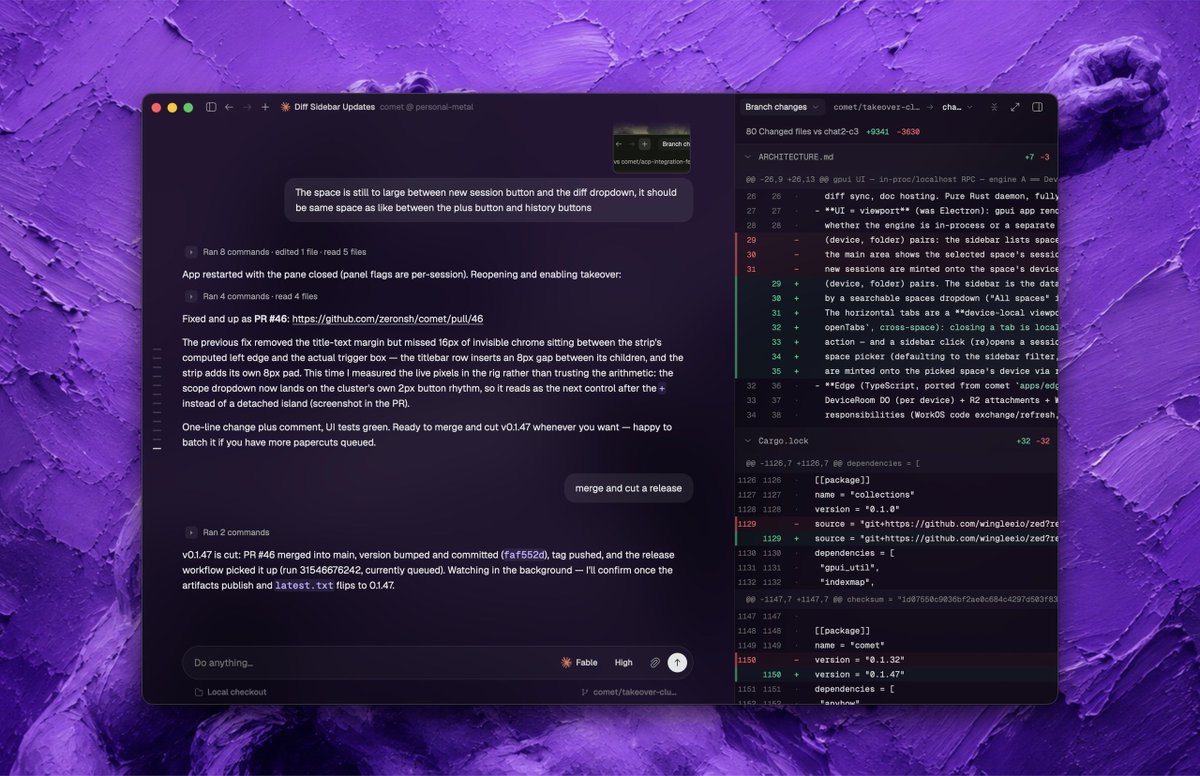
464726 粉丝
View History
@solana Stonk Capital Markets
中文: @solana 斯托克资本市场
241760875 粉丝
View History
Helpful guide to hiring your first @Grok @Bot employee.
It really is like hiring an amazing helper that learns your needs and gets smarter almost every day!
中文: 聘用您的第一位@Grok @Bot员工的可有帮助指南。
这真的就像聘请一位能帮助你了解需求、几乎每天都变得更聪明的优秀助手一样!
241760875 粉丝
View History
Grok 4.7 is #1 on the AA Cyber Index
中文: Grok 4.7 在 AA 网络指数中排名第一

211144 粉丝
View History
Supabase is used by over 1,700 YC companies, and 60% of the most recent batch https://twitter.com/supabase/status/2106786965106651613/photo/1
中文: 超过1700家YC公司使用了Supabase,而最近一批公司中的60%使用
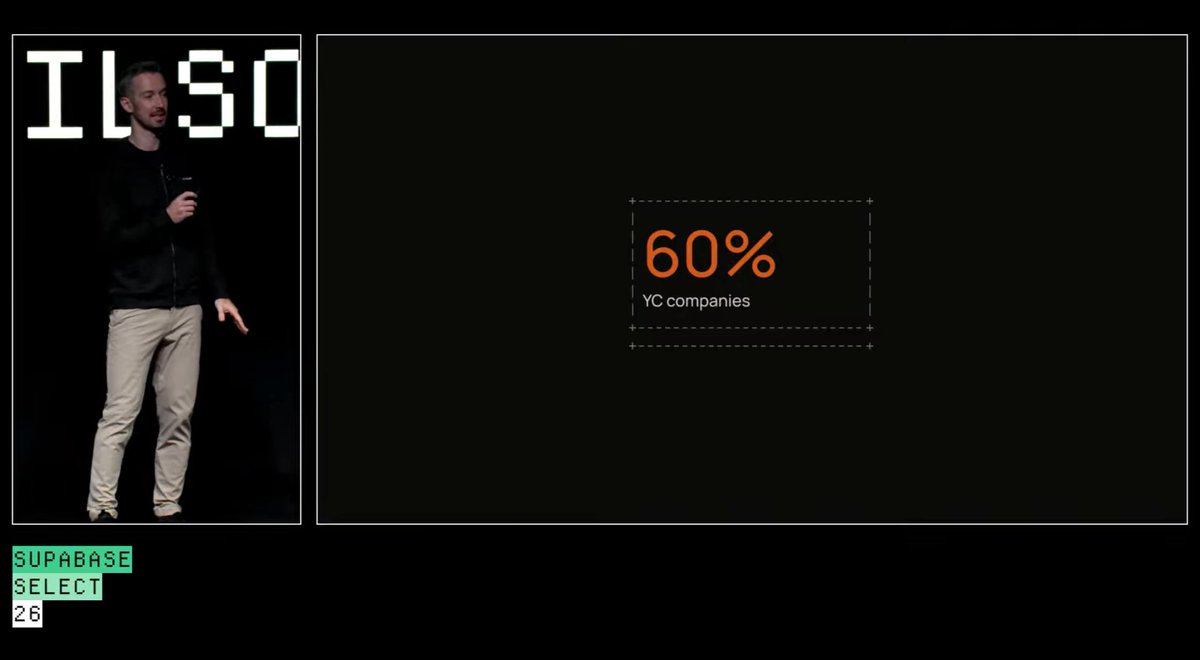

7439 粉丝
View History
The nine apps carrying it, what Sunrise has not said about the bridge, and the first half hour of trading data (3,005 trades in the five minutes to 16:27 UTC): https://solanacompass.com/news/shiba-inu-shib-goes-live-on-solana-via-sunrise-confirmed-by-the-official-shib-account
中文: 搭载该桥的九款应用、Sunrise 未对该桥的内容以及前半小时交易数据(在 UTC 时间5分钟内交易至 3005 笔交易):
7439 粉丝
View History
Shiba Inu is now on Solana.
@sunrise listed $SHIB at 16:05 UTC today and @Shibtoken confirmed it five minutes later.
Seven other Solana tokens already use the SHIB ticker. The address Sunrise published is:
shib5gSoVKPjwkXrxRk7SbQFzb2R9rQB3TgQWYX4RwW
862360 粉丝
View History
RT @miaoyuJF: 向一直支持季风书园的读者诸君,报告一个好消息:季风出版正式启航了。
每天守着满屋子的书,终于按捺不住:有些值得被读到的文字,既然还没有成书,我们是不是可以自己试试?
做书和卖书一样,都要面对各种琐碎。校不完的细节、改不完的设计稿、不断叠加的各项开支,更有对市场反馈的忐忑。但心意已定,带着压力和希望往前探路,也自有其乐趣。
季风书园始于1997年的上海,劫波一度,2024年在华盛顿DC重新开门。书店让人与书相遇,出版则再往前多走半步,让一些尚未被听见的声音先落在纸上,再去寻找它的读者。
不打算一年出版很多书,量力而行,但每一本首先要有令我们自己心动的理由,也希望能经得起时间的审视。
我们关注当下的中国,也在意散落在不同地方的华语经验;重视思想与历史,更珍惜一个人的记忆、尊严和自由表达。这些话说起来有点大,最后还是要落在一本一本具体的书上。
季风出版的第一本书,是澳籍华裔记者成蕾的回忆录,分量不轻:
《如果墙能说话:她在国安牢狱的1154天》
2020年8月,成蕾被中国国安人员带走,后以涉嫌「间谍」罪遭到拘押,直至2023年10月获释。这本书记载了她失去自由的1154天,也写下一个普通人面对庞大的国家机器时,如何保存自己的感受、幽默和尊严,守住内心那一点不肯交出去的自由。
本书在台湾印刷,目前已于诚品、博客来等平台上架。首批新书预计10月15日前后抵达DC季风书园,现已开放预订:https://jfbooks.org/products/9786269332502
做书和开书店一样,算不上什么好生意。好在我们起初想做的,本来就不是生意。
26414497 粉丝
View History
Yemeni government launches offensive to seize all areas from Iran-backed Houthis https://reut.rs/4jDz6NJ https://reut.rs/4jDz6NJ
中文: 也门政府发动攻势,以夺取伊朗支持的胡塞武装所有地区的控制权
2936694 粉丝
View History
📊 MARKET: Bitcoin has closed October in the green 77% of the time.
Will this one be any different? https://twitter.com/Cointelegraph/status/2106784146865418574/photo/1
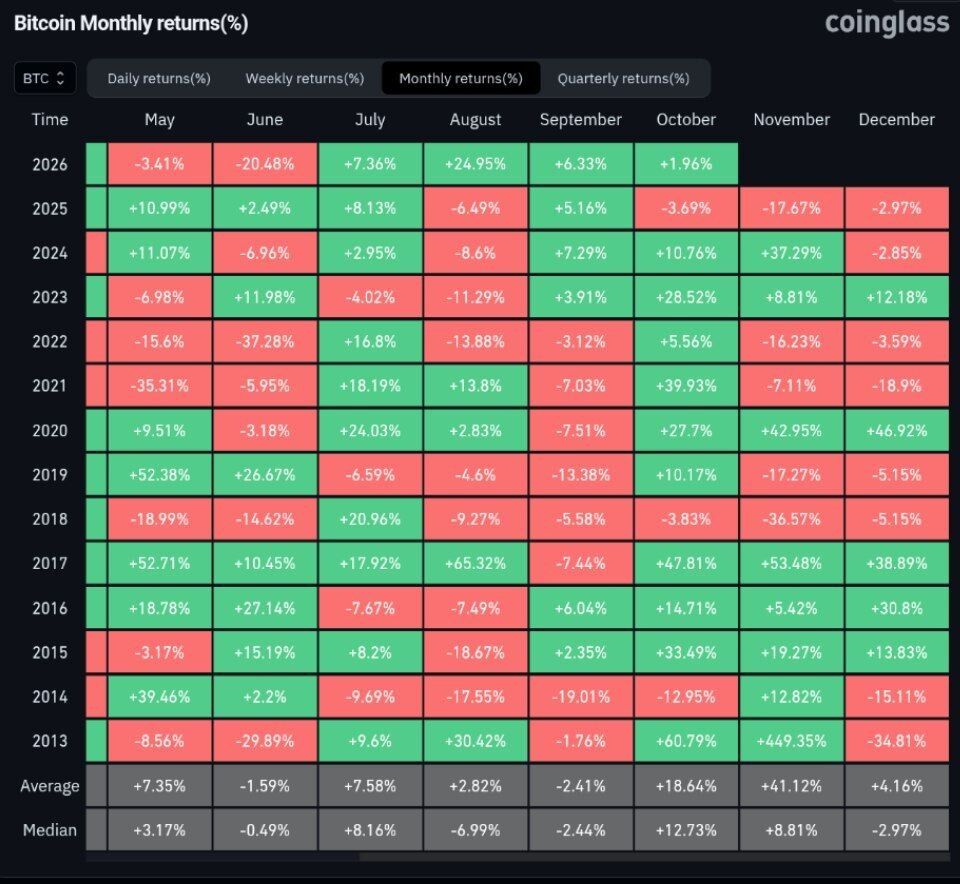
26414497 粉丝
View History
Torrential rain caused deadly flooding in Catalonia, Spain, with two deaths confirmed and emergency services searching for a missing person https://reut.rs/4yFC7Sv https://twitter.com/Reuters/status/2106783907408728144/video/1
中文: 暴雨在西班牙加泰罗尼亚地区引发致命洪水,已确认两人死亡,应急服务部门正在搜寻失踪人员
🎬
视频
27013 粉丝
View History
用简单指标,轻松确认,下一个美股或者数字货币上涨的起点 - TV里设置1D或者3D K线即可。
这里面的简单逻辑是 - 指标出现了,有概率可能这次不会上涨;但是如果真的一直涨起来了,指标百分之百会出现。
收藏,运用,至少不会错过大行情。
810871 粉丝
View History
“诉诸人身”谬误案例👇👇👇
不反驳对方的论点,转而攻击对方这个人,并以此当作论点不成立的理由 https://twitter.com/torontobigface/status/2106783862894493756/photo/1
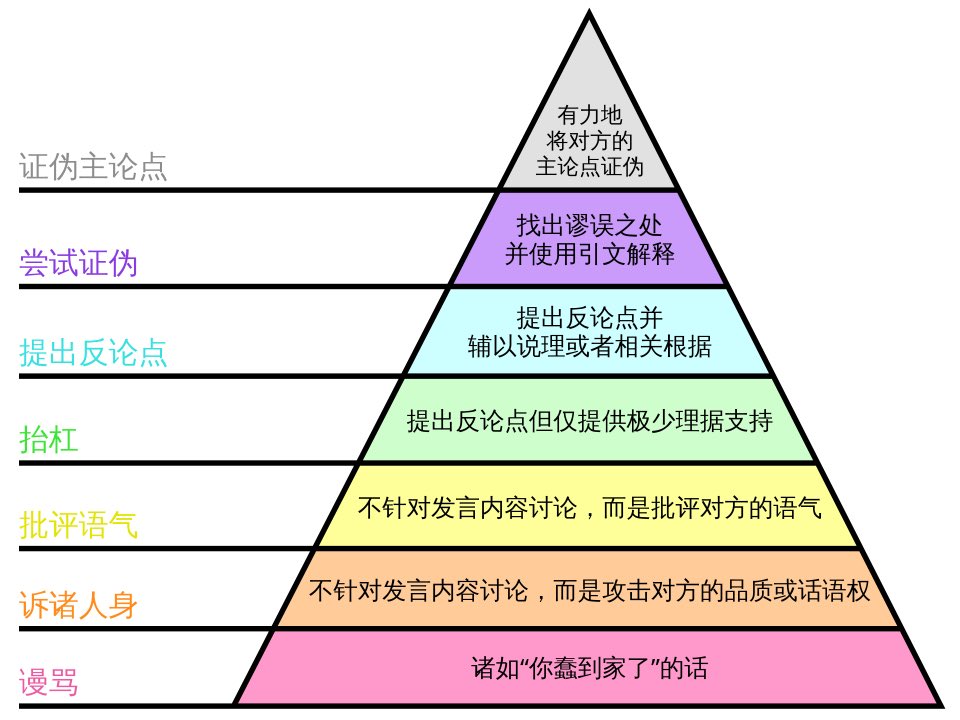
16165367 粉丝
View History
why is everyone waiting for me to comment 👀
中文: 为什么每个人都在等我评论👀
464726 粉丝
View History
$SHIB is live on Raydium
Shiba Inu is now trading on Solana via @sunrise https://twitter.com/Raydium/status/2106783418369360032/photo/1
中文: $SHIB 在 Raydium 上实时直播
Shiba Inu 现在通过 @sunrise 在 Sorana 上进行交易:
68756 粉丝
View History
RT @TheDeFinvestor: Crypto Watchlist for the week ahead:
$HYPE - Hyperliquid team will sell $320M worth of HYPE OTC to an institution on Oct. 7
$ENA - All ENA tokens for early investors will be unlocked on Oct. 5+ Ethena started teasing an announcement today
$NEAR - A proposal to cut NEAR annual inflation from 2.5% to 1.6% is expected to go live next week
$SUI - Sui's Basecamp conference starts on Oct 7
$ETH - Ethereum’s Glamsterdam upgrade will activate on the Sepolia testnet on October 6
Macro events - FOMC minutes will be released on Oct. 7
$DRV - Derive V3 goes live on Oct. 6
Ethos - Ethos TGE is scheduled for Oct. 8
$MON - Monad Summit will happen on Oct. 6
Papertrade - Papertrade, a platform for trading with up to 1000x leverage on Hyperliquid, will go live on Oct. 10
I hope you found this helpful🫡
中文: RT @TheDeInveststor:未来一周的加密观察名单:
高超液体团队将于10月向一家机构出售价值3.2亿美元的HYPE OTC产品。7
$ENA - 适用于早期投资者的所有ENA代币将于10月解锁。5岁以上者埃辛娜今天开始取笑一则公告
近日 - 一项将年通货膨胀率从近年率降至1.6%的提议预计将于下周上线
SUI - 苏的Basecamp会议将于10月7日开始
$ETH - 以太坊的Glamsterdam升级将于10月6日在Sepolia测试网上启动
宏观活动——FOMC会议纪要将于10月发布。7
$DRV - Derive V3 将于十月上线。6
Ethos - Ethos TGE 定于十月举行。8
莫纳德峰会将于10月举行。6
Papertrade 是一个在 Hyperliquid 上拥有最高1000倍杠杆交易平台,将于10月上线。10
希望您觉得这很有帮助🫡

45340 粉丝
View History
They are saying the Ore community is the greatest in all of crypto.
中文: 他们表示,Ore社区在加密货币领域都是最伟大的。

967010 粉丝
View History
The ONLY 6 Altcoins I'd Hold This Bull Market! https://twitter.com/cryptomanran/status/2106783104790593543/video/1
中文: 我唯一会持有的6只牛市!
🎬
视频
464726 粉丝
View History
RT @sunrise: $SHIB is now listed on @Solana via Sunrise.
The SHIB Army has opened a second front. https://twitter.com/sunrise/status/2106777677101502777/video/1
中文: RT @sunrise:$SHIB 现已通过 Sunrise 在 @Solana 上列出。
SHIB 军已开辟第二条战线。
🎬
视频
810871 粉丝
View History
伊朗开始进入不利阶段?
根据高盛和摩根大通的研究显示,中东原油出口已经恢复至战前水平
伊朗除外,伊朗战前每日出口170万桶,但现在基本清零 https://twitter.com/torontobigface/status/2106782050502267150/photo/1
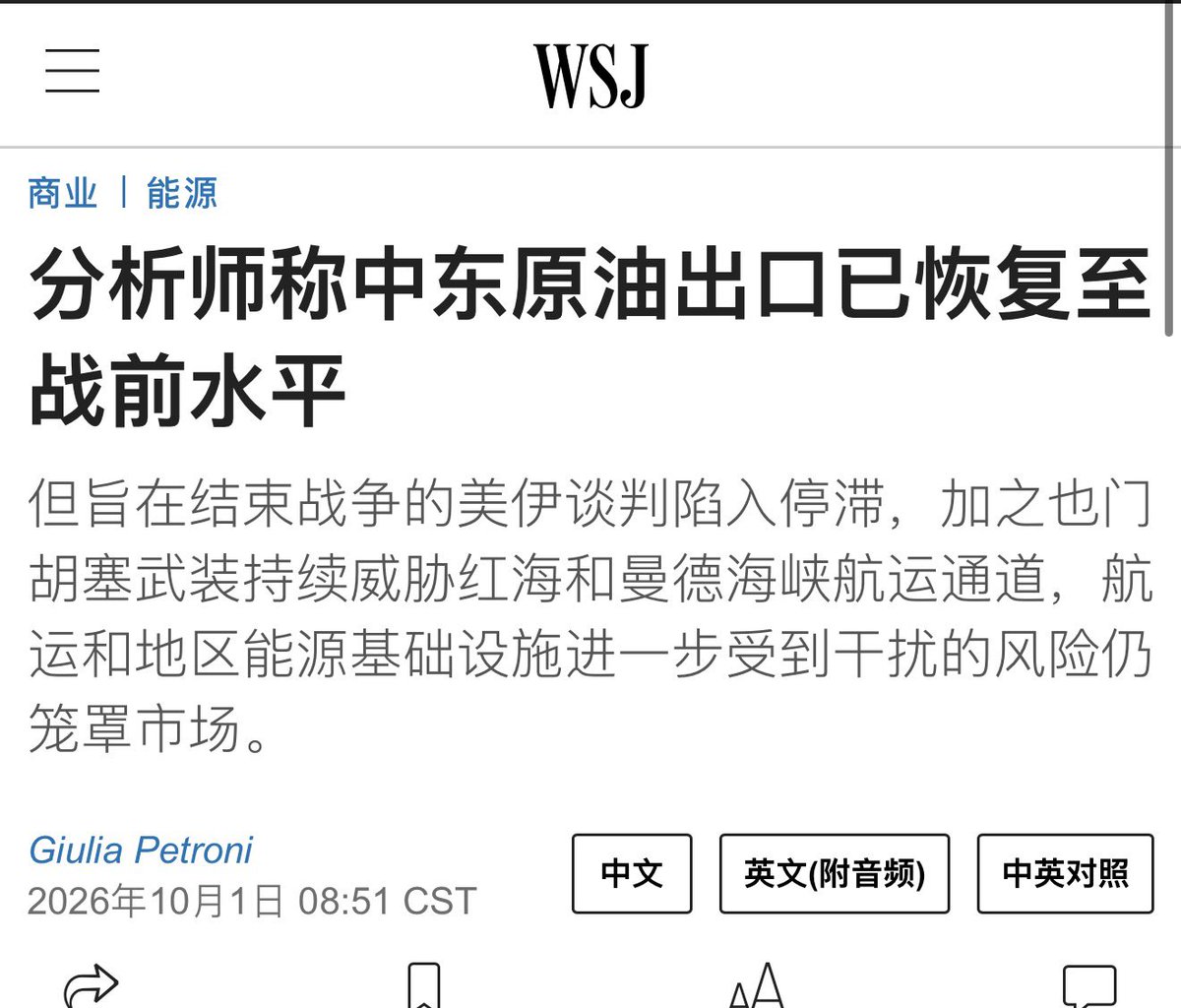
26414497 粉丝
View History
Then-White House election security czar Kurt Olsen proposed traveling to Caracas with then-US intelligence chief Tulsi Gabbard to seize Venezuelan voting-machine data he believed could prove the 2020 election was rigged. The plan was rejected https://reut.rs/4deRV67 https://twitter.com/Reuters/status/2106782034840445281/photo/1
中文: 当时白宫选举安全官员库尔特·奥尔森提议与时任美国情报局局长图尔西·加巴德一起前往加拉加斯,以获取他认为能够证明2020年大选被操纵的委内瑞拉选民投票机数据。该计划被否决了
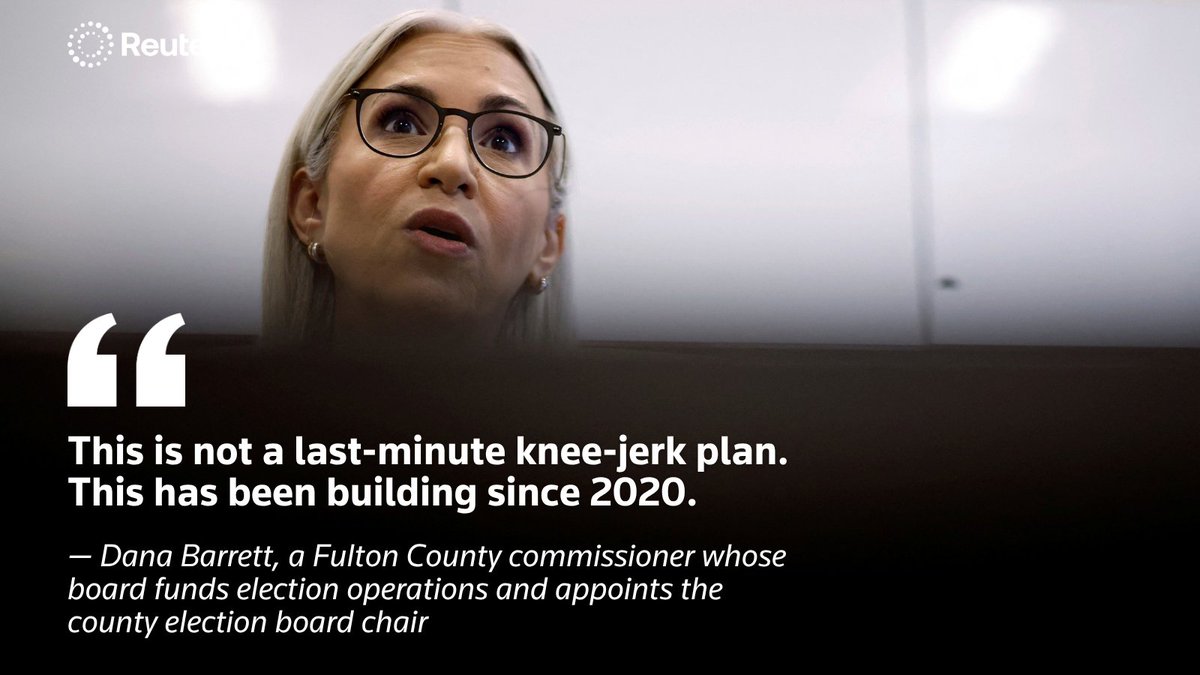
69682 粉丝
View History
🔗 Explore the full model details here:
https://huggingface.co/mradermacher/Index-Homura-2B-i1-GGUF
中文: 🔗 在此处查看完整的模型详细信息:
69682 粉丝
View History
With 1,037 downloads, it's gaining traction in the community. The GGUF format ensures compatibility with llama.cpp and other endpoints. It's a solid choice for on-device translation and dubbing, balancing performance and resource use.
中文: 下载量为1037次,在社区中正获得关注。GGUF 格式可确保与 llama.cpp 和其他终端的兼容性。这是设备上翻译和配音、平衡性能和资源使用的可靠选择。
69682 粉丝
View History
Meet Index-Homura-2B-i1-GGUF, a translation model built for dubbing. It's a quantized version of IndexTeam's Index-Homura-2B, optimized for GGUF and ready for real-world use. Perfect for devs who need fast, efficient translation. https://twitter.com/HuggingModels/status/2106781144746545464/photo/1
中文: 认识 Index-Homura-2B-i1-GGUF,这是一种专为配音构建的翻译模型。它是IndexTeam指数-Homura-2B的量化版本,针对GGUF进行了优化,可用于现实世界。非常适合需要快速高效翻译的开发人员。
380040 粉丝
View History
刷屏!中国制造的脸被日本秒了! https://youtube.com/shorts/27XVUag6DX4?is=AofWkca8FdY-wUH6 来自 @YouTube
1319485 粉丝
View History
RT @vikktorrrre: Jensen Huang: it’s irresponsible for Elon Musk and Geoffrey Hinton to talk about AI doom and humans being a “bootloader” for AI.
“That 10% chance is not grounded in science. It’s not grounded in research.”
“Just because it comes from a scientist doesn’t make it scientific.”
“Those predictions are hurtful.”
“Don’t think for a second just because you’re an alarmist that you’re doing a social good.”
“Be evidence-based. Be scientific. Do the science.”
🎬
视频

59945 粉丝
View History
半个月前,GGEMU STUDIO 开始原创游戏
第一个游戏已经 AppStore 上架,Steam 在即将发售期
第二个游戏在上架流程中,Steam 再花 100 刀😭
第三个游戏正在开发,这回全 3D 一把,但依旧卡通渲染路线,群友说我这是雪王历险记,哈哈。是有点像啊
有想交流 AI 全流程游戏开发的,欢迎加我微信 itdashuai,99 元进游戏开发交流群
能不能赚钱?问就是我也不知道...
我只是爱做游戏而已
如果你也爱,那么欢迎

335934 粉丝
View History
Three doors. Three emotions. One goal. 🟢 https://twitter.com/CoinWOfficial/status/2106780139011088453/photo/1
5067093 粉丝
View History
🚗 Best-selling electric vehicles in the world, January – August 2026
1. 🇺🇸 Tesla Model Y: 748,088
2. 🇨🇳 BYD Song / Seal U: 325,091
3. 🇨🇳 Geely Xingyuan / EX2: 321,454
4. 🇺🇸 Tesla Model 3: 298,903
5. 🇨🇳 BYD Yuan Up / Atto 2: 225,334
6. 🇨🇳 BYD Seagull / Dolphin Mini: 212,839
7. 🇨🇳 BYD Dolphin: 172,562
8. 🇨🇳 Li Auto i6: 152,842
9. 🇨🇳 Fangchengbao Ti7: 139,560
10. 🇨🇳 MG4: 134,623
11. 🇨🇳 BYD Sealion 06: 131,390
12. 🇨🇳 Xiaomi YU7: 128,472
13. 🇨🇳 Leapmotor A10 / B03X: 122,766
14. 🇨🇳 BYD Seal 06: 118,103
15. 🇨🇳 Xiaomi SU7: 118,065
16. 🇨🇳 BYD Yuan Plus / Atto 3: 113,008
17. 🇨🇳 Changan Qiyuan / Nevo Q05: 112,650
18. 🇨🇳 BYD Sealion 05: 100,201
19. 🇨🇳 NIO ES8 / EL8: 100,049
20. 🇯🇵 Toyota bZ4X: 98,714
Source: CleanTechnica
1319485 粉丝
View History
RT @kurtsaltrichter: For the AI buildout to pay off, Americans will eventually have to spend about 9% of GDP a year on AI services. Sit with that number.
That is roughly what the entire country spends on food.
A Columbia paper presented at Brookings estimates AI revenue would need to hit $3.5 trillion by 2032, about 8.8% of GDP, to justify what is being committed today. That is bigger than any investment boom in US history, and 7 times what Americans spend on phone, streaming, and internet combined.
Now look at computers. Prices fell for 50 straight years, but business spending on them as a share of GDP plateaued in the 1980s and never climbed again. Cheaper and better did not mean an ever-larger slice of the economy.
AI will almost certainly raise productivity. Whether it delivers the revenue investors are pricing is another matter. That gap is what the buildout is underpricing.
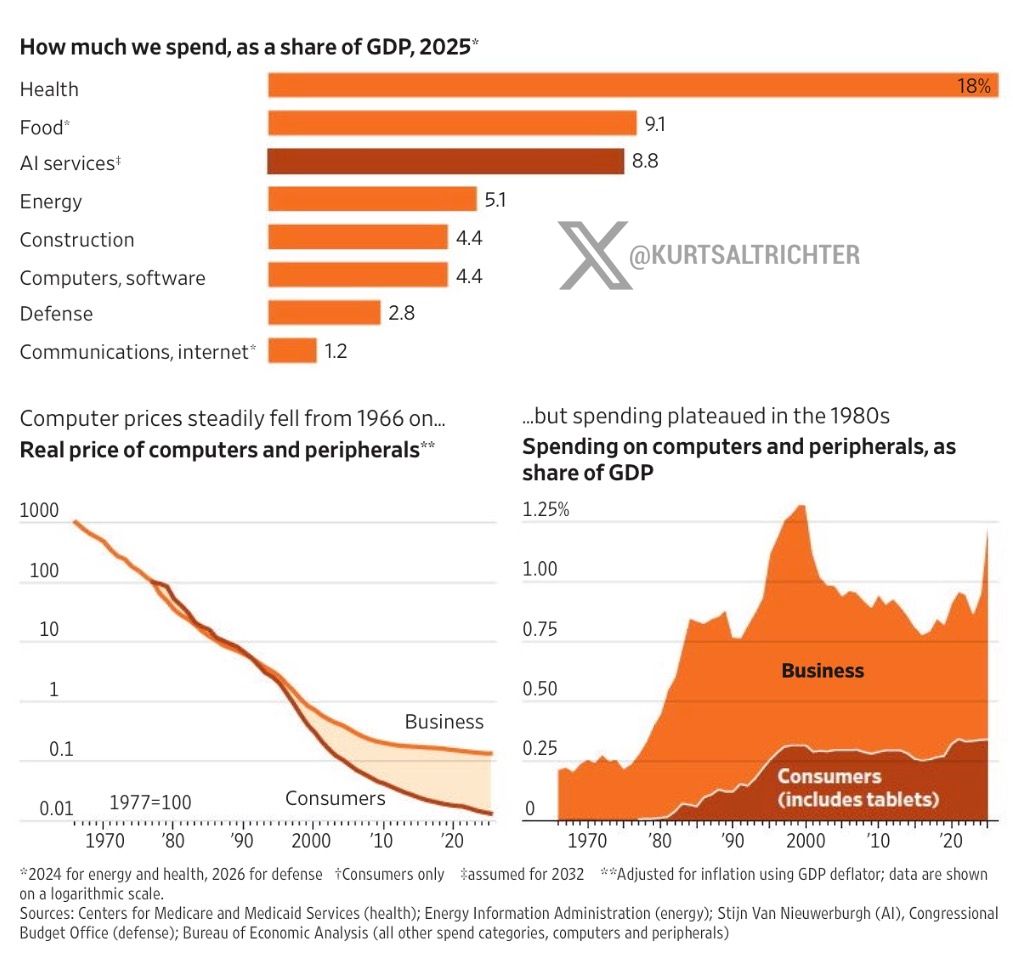
4221417 粉丝
View History
$SHIB is available in your favorite Solana apps
@tryfomo, @dflow, @Titan_Exchange, @phantom, @JupiterExchange, @Raydium, @ArcherExchange_, @kamino_swap, @mayan and more
中文: $SHIB 可在您喜爱的 Solana 应用程序中使用
@tryfomo、@dflow、@Titan_Exchange、@phantom、@JupiterExchange、@Raydium、@ArcherExchange_、@kamino_swap、@mayan 等
4221417 粉丝
View History
Shiba Inu ($SHIB) is powered by one of the biggest communities in crypto, the SHIB Army, expanding from a single dog token into a full ecosystem with its own network and exchange.
Verify the address on @tokens: https://tokens.xyz/shiba-inu
中文: Shiba Inu(SHIB)由加密货币领域最大的社区之一SHIB Army提供支持,从单一的狗币扩展到拥有独立网络和交易所的完整生态系统。
请在 @tokens 上验证地址:
4221417 粉丝
View History
BREAKING: $SHIB is live on Solana via @sunrise https://twitter.com/solana/status/2106779195556892964/photo/1
中文: 突破:通过 @sunrise 在 @sunrise 上直播 $SHIB:

1319485 粉丝
View History
RT @KenRoth: Republicans' problem is not just Trump. It is that they did nothing to stop him as he undermined America's economy and democracy. Avoiding his anger was more important to them than benefiting the country. https://trib.al/BbqyP3N
中文: RT @KenRoth:共和党人的问题不仅仅是特朗普。正是他们没有采取任何阻止他的事,因为他破坏了美国的经济和民主。避开他的愤怒对他们来说比使国家受益更重要。
61361 粉丝
View History
RT @andyyy: HOOD SUMMIT INTERVIEW: Prediction Markets, Futures, and The Massive Bottomline Jump For Robinhood with Adam Hickerson
I sat down with Senior Director & COO of Robinhood Derivatives to discuss the breakout year prediction markets have had on Robinhood over the last 12 months.
Huge usage numbers, massive revenue boosts, and new institutional onboarding.
Great convo, enjoy.
@RobinhoodApp @therollupco
Timestamps:
00:00 Intro
01:31 Robinhood Launches 8 Perps In Digital Assets
03:05 Prediction Markets Beat Crypto Revenue In Q2
05:00 Half A Billion Contracts In Two Weeks 2024
07:04 Sports Weather Culture All Tradeable Now
09:13 Institutional Traders Use Prediction Markets Too
11:20 Quant In Your Pocket On Robinhood
13:09 Live Midterms Election Maps Inside The App
15:09 Fed Decision Markets Most Traded Contract
16:43 Democratize Finance For All Is Still The Mission
🎬
视频
810871 粉丝
View History
所以该怎么称呼曹操说这样的人?
我觉得民粹主义者很合适,当然作为民粹主义者的特点也很明显
看似在说帮助人民解决问题,代表人民利益,实际上只是在煽动民粹
就比如曹操说,说他见过吃菜叶的穷人,说中国有分配不公,却不说怎么解决,难道穷人没有保障根本原因不是因为他们的政治权力太低吗?
不是在中共吗?
还比如曹操说这群民粹主义者喜欢聊一个问题,就是海外华人的待遇,每次都义愤填膺
但是从来不想问题的根源,排华情绪实际上是中共间谍行为和全球化退潮下的结果
这些他们从来又不提了
不敢直面房间里的大象,看似代表人民,但是只是煽动情绪
中国民主之路确实很艰难,不仅要对抗中共
还要预防普京,希特勒式的民粹主义者
5067093 粉丝
View History
🇯🇵 People aged 65 and over account for a record-high 29.4% of Japan's population.
中文: 65岁及以上人口占日本人口的29.4%,创下历史新高。
61361 粉丝
View History
Self-custody for people who will never touch a seed phrase.
For years, self-custody has meant managing your own keys. 'Miss Robinhood Earn' says her customers skip that step entirely.
"A self-custody wallet that we create for you in the background."
"They don't have to manage the keys."
"We create it for them instantly, and then it moves into the vault itself."
中文: 对那些永远不会接触种子短语的人进行自我托管。
多年来,自我托管一直意味着要管理好自己的钥匙。罗宾汉·厄恩小姐表示,她的客户完全跳过了这一步骤。
我们在后台为您创建的自助式钱包。
他们不必管理钥匙。
我们立即为他们创建它,然后它进入保险库本身。
🎬
视频
407712 粉丝
View History
@qinbafrank @jason_chen998 习惯了就好了
752966 粉丝
View History
🎬
视频
34019 粉丝
View History
订阅过 @SurfAIHQ 记得去绑定钱包获取NFT !!! https://twitter.com/Web3heinu/status/2106777782453944365/photo/1

98221 粉丝
View History
The really funny thing about $knightcat is that,:as an AI video, there shouldn’t even be a so-called author in the first place.
Yet certain KOLs, for the sake of their own bundled(scam) trades, cooked up some agreement with a so-called author in an attempt to destroy the $swordcat community.
But anyone who’s normal, looking at this image, can see it: the most obvious feature of this cute little cat is that it’s holding a sword. $Swordcat is the OG, and it’s also the name that fits best.
FUCK scammer $knightcat!!!
中文: 对$knightcat来说,真正有趣的是:作为一段人工智能视频,首先甚至不应该有所谓的作者。
然而,为了他们自己的捆绑(诈骗)交易,一些KOL与一位所谓的作者达成了协议,试图摧毁这个“swordcat”社区。
但任何正常的人,看着这张图片,都能看到:这只可爱的小猫最明显的特点就是它握着一把剑。$Swordcat 是 OG,也是最合适的名称。
他妈的骗子 $knightcat!!!

485983 粉丝
View History
Low key one of my favorite golf courses
中文: 我最喜欢的高尔夫球场之一
43258 粉丝
View History
Stop asking AI to design your whole app in one prompt.
That's how you end up with the same app as everyone else.
Paul Bakaus (ex-Google, creator of a 75K-star design skill) explains what to do instead in a 16-min talk.
05:58 - why you can't one-shot design
07:16 - 4 questions to answer before designing
08:10 - steering the agent with words like "bolder"
12:02 - the design workflow, from shaping to polish
14:09 - why taste can't be automated
People pay for design courses to learn this. This talk is free.
Watch it first, then read the article below and get rid of the AI look in your products.
中文: 停止要求人工智能在一个提示下设计你的整个应用。
这就是你和其他人一样使用同一个应用程序的方式。
保罗·巴考斯(前谷歌,75K星设计技能的创造者)在一段16分钟的演讲中解释了该怎么做。
05:58 - 为什么你无法单枪一击
07:16 - 设计前需要回答的4个问题
08:10 - 用“bolder”等词引导代理
12:02 - 从塑形到抛光的设计工作流程
14:09 - 味觉无法自动化的原因
人们付费学习这门设计课程。这个谈话是免费的。
先观看,然后阅读下面的文章,并清除产品中的AI外观。
🎬
视频
5067093 粉丝
View History
35% of Cornell undergraduate women said they had been sexually assaulted since arriving on campus, according to the university’s 2025 survey.
中文: 根据该校2025年的调查,35%的康奈尔大学本科生表示,她们自进入校园后就遭到了性侵。
10037 粉丝
View History
@nikitabier @therealautoblog Why would I want a sports car so it can drive itself https://twitter.com/outsource_/status/2106777118759592388/video/1
中文: @nikitabier @therealautablog 为什么我要一辆跑车才能自己驾驶
🎬
视频
73096 粉丝
View History
RT @EvaCmore: 感谢Ondo邀请
各位大佬们新加坡见
说真的今年刷Perps很少了
因为感觉刷Perps的损耗
不如到时候直接去买token
当然如果你是套利的、正常交易的
是可以顺手撸一波的
如果是拿钱去换积分就真的不划算了
这次去 Ondo 现场
刚好可以和各位大佬聊聊
看看大家现在都怎么玩积分、做收益
新加坡见!
@OndoPerps
@fullportmatt
@onchaindana
@Ondo
26414497 粉丝
View History
Steve Reich's minimalist compositions have influenced the likes of artists such as David Bowie to Radiohead. At 90, the pioneering American composer discusses his latest work, his evolving creative process and why he's wary of AI https://reut.rs/4zbmqT1
中文: 史蒂夫·赖希的极简主义作品影响了大卫·鲍伊等艺术家的创作,也影响了Radiohead。90岁时,这位美国先驱作曲家谈到了他的最新作品、不断演变的创作过程,以及他为何对人工智能保持警惕

647532 粉丝
View History
Compute is stateless. Data isn't.
The data layer shouldn't decide where your compute runs. @shelbyserves, now in Private Beta, is S3-compatible object storage for AI, agents, and distributed compute.
@AptosLabs' @AveryChing with @devntellxyz https://twitter.com/Aptos/status/2106776362987991222/video/1
中文: 计算是无状态的。数据不是。
数据层不应决定计算运行的位置。@shelbyserves,现在在私有测试版中,是支持人工智能、代理和分布式计算的S3对象存储。
@AptosLabs @AveryChing 与 @devntelxyz 的
🎬
视频
26414497 粉丝
View History
🔊 'With their attacks on our energy, we have to respond on their energy' - Volodymyr Zelenskiy tells Reuters will keep targeting Russia’s oil infrastructure. Listen on the Reuters World News podcast https://reut.rs/3VujlyP https://twitter.com/Reuters/status/2106776363361505394/photo/1