
374200 粉丝
How to enter:
1. Be at the main venue or a side event.
2. Snap a photo making the C hand sign.
3. Post it and tag @ChainbaseHQ.
We'll randomly select and announce 8 winners, then DM them. Each wins a blind box + $C rewards. Boxes ship once production is complete.
中文: 如何进入:
1。参加主会场或副会场。
2。拍一张制作C手标的照片。
3。发布并标记 @ChainbaseHQ。
我们将随机选择并宣布8名获奖者,然后进行DM。每个都赢得一个盲区+ $C 奖励。生产完成后,盒子会发货。
374200 粉丝
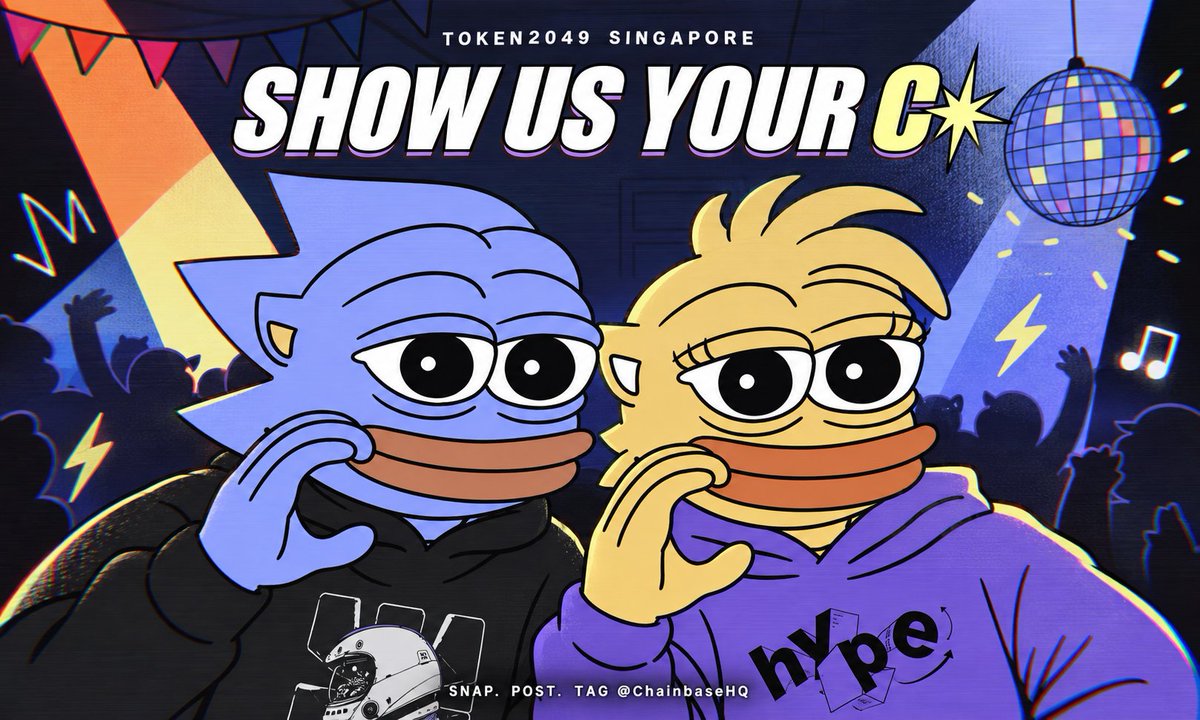
Show us your C at #TOKEN2049 Singapore!
- Snap a C hand sign at the main venue or a side event
- Then post it on X and tag @ChainbaseHQ
You may win a surprise Chainbase × PopX blind box + $C rewards.
Period: Oct 5–11. Full rules below. https://twitter.com/ChainbaseHQ/status/2107021722545484237/photo/1
374200 粉丝
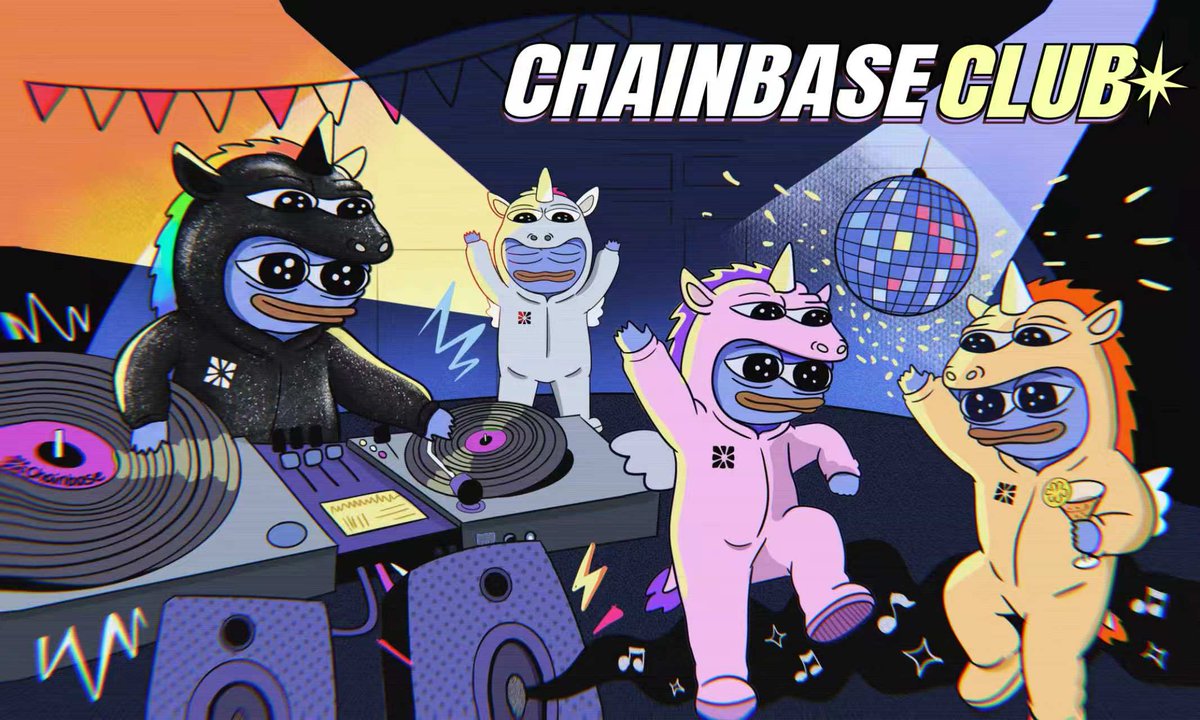
A little sneak peek before TOKEN2049 👀
Chainbase × PopX blind boxes are on the way, with different Bonic figures inside. We're giving away 8 boxes, each with $C rewards.
Come back tomorrow to find out how to join, Chainbasers 💜💛 https://twitter.com/ChainbaseHQ/status/2106737634051789140/photo/1
374200 粉丝
Robinhood's Agent Apps shows how data marketplaces can reach users through the agents they already use.
We're building in the same direction with AgentKey at Chainbase Labs: a marketplace of external data and tools, accessible through one connection.
That connection now covers 77 services and 1,000+ endpoints across search, social, crypto, finance, and more.
Over 20,000 users have signed up so far, and we're continuing to expand what their agents can access.
中文: Robinhood 的代理应用程序展示了数据市场如何通过用户已使用的代理来触达用户。
我们通过Chainbase Labs的AgentKey构建相同的发展方向:一个通过一个连接访问的外部数据和工具市场。
该连接现已涵盖搜索、社交、加密、金融等领域的77项服务和1000多个终端。
截至目前,已有超过2万名用户注册,我们正在继续扩展其代理人员可访问的内容。

374200 粉丝
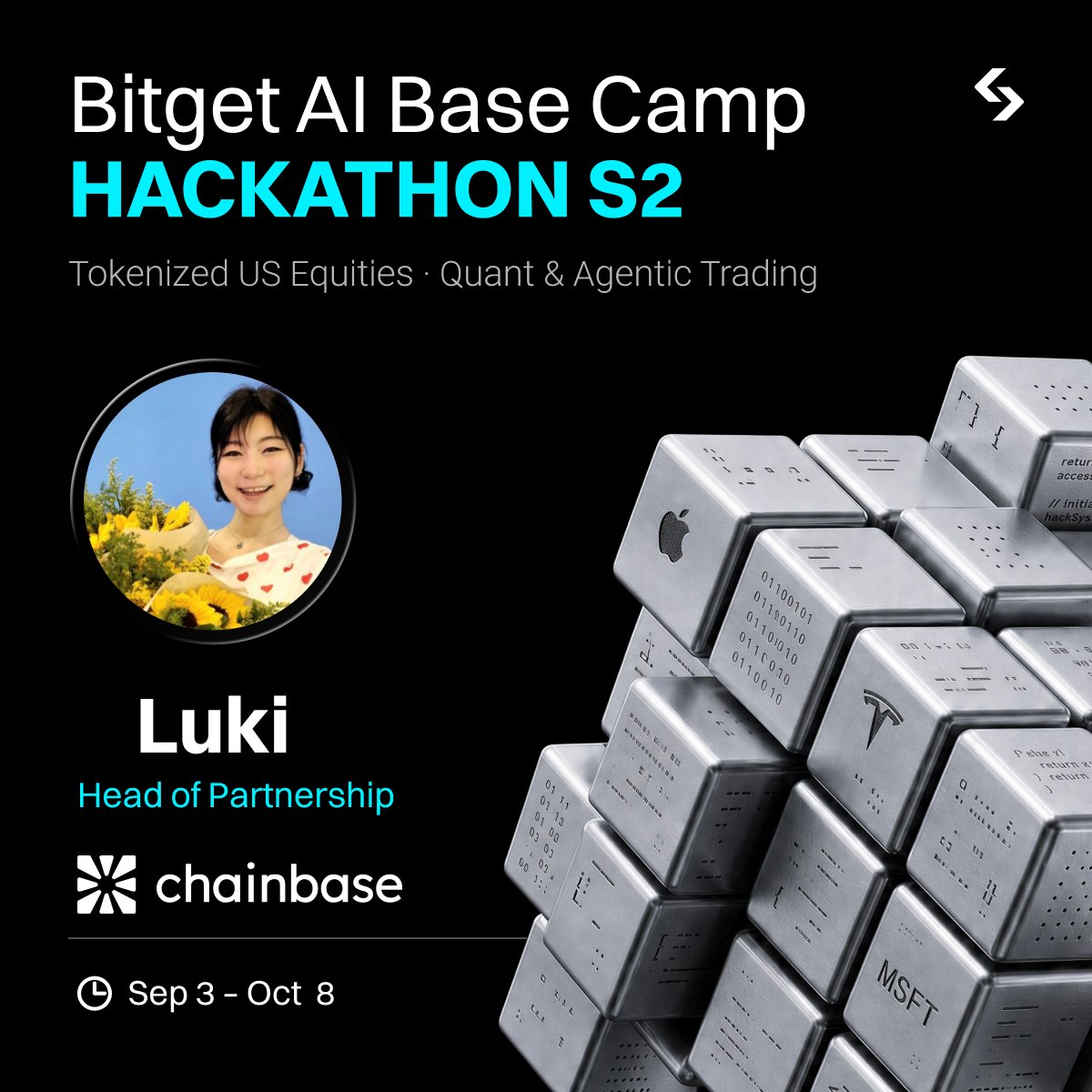
RT @Bitget_AI: Judges backing Hackathon S2: @ChainbaseHQ × @KaitoAI
If your Agent needs verifiable onchain data or AI-native infra to run its logic, these are the judges who'll know exactly what you shipped.
Compete for the $50,000 USDT pool 👉 https://www.bitget.com/activity-hub/hackathon https://twitter.com/Bitget_AI/status/2104878555528307122/photo/1
中文: RT @Bitget_AI:支持 Hackathon S2 的评委:@ChainbaseHQ × @KaitoAI
如果您的代理需要可验证的链上数据或人工智能原生红外来运行其逻辑,那么这些评委将准确了解您发货的内容。
争夺价值5万美元的USDT奖金👉
374200 粉丝
Good time to be building a Hyperdata Network for Super Intelligence.
中文: 为超级智能构建超数据网络的好时机。
374200 粉丝
Celebrating the launch of GPT-6 Astra with a quick AgentKey demo.
We showed how AgentKey connects AI agents to live, external data to answer questions and work through tasks. It was amazing to see it in action.
Looking forward to making this part of everyday work. https://twitter.com/ChainbaseHQ/status/2103090027022651442/photo/1
中文: 通过快速的 AgentKey 演示,庆祝 GPT-6 Astra 的发布。
我们展示了AgentKey如何将人工智能代理与实时的外部数据连接起来,以回答问题并完成任务。看到它在行动中真是令人惊叹。
期待成为日常工作的一部分。

374200 粉丝
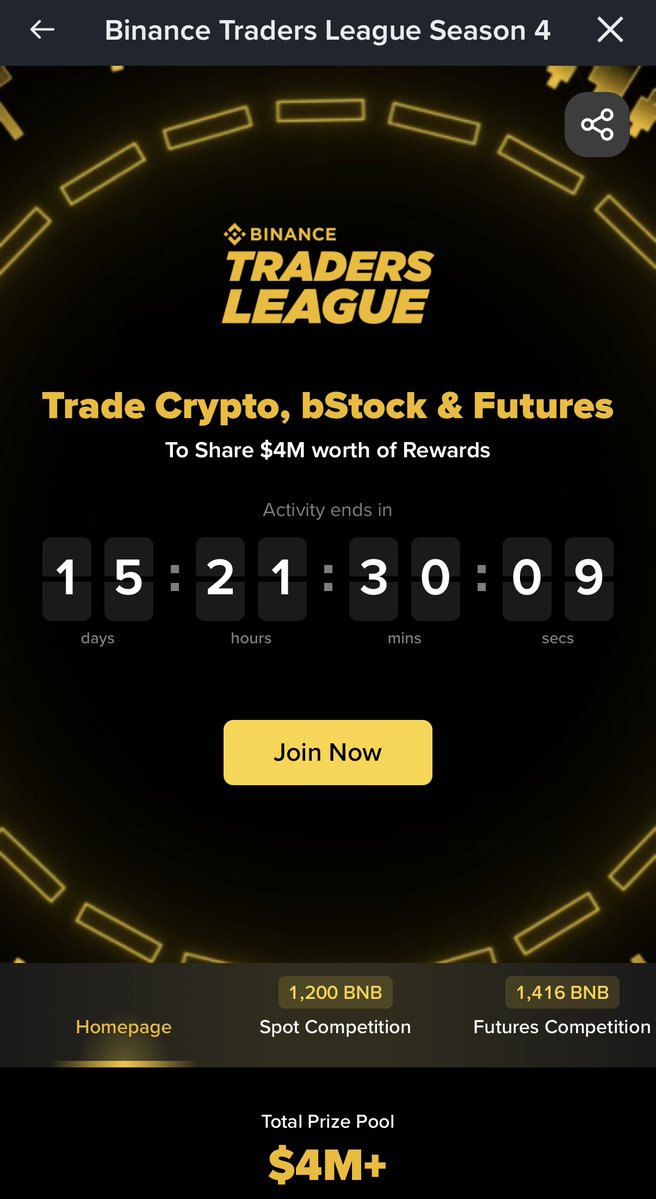
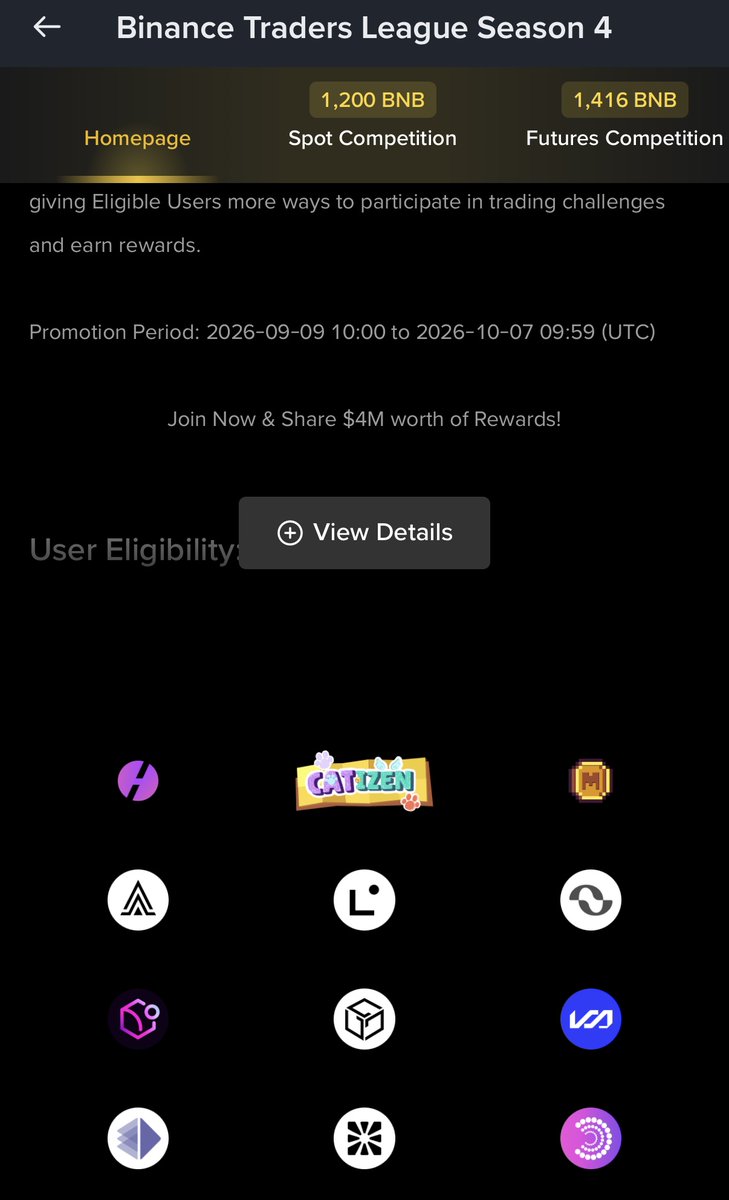
A quick reminder, Chainbasers 👀
$C is part of Binance Traders League Season 4!
Period: Sept 9, 10:00 – Oct 7, 09:59 (UTC)
Don't forget to join & share $4M worth of rewards!
https://www.binance.com/en/activity/trading-competition/202609tradersleague4 https://twitter.com/ChainbaseHQ/status/2102013881841561876/photo/1
中文: 快速提醒一下,链标 👀
$C 是币安交易员联盟第四季的一部分!
时间:9月9日,10:00 – 10月7日 09:59(UTC)
别忘了加入 & 分享价值400万美元的奖励!
374200 粉丝
Jev has us thinking about what developers could build when checking an onchain event costs a fraction of what it used to.
A wallet moves funds. Liquidity leaves a pool. A contract sees a sudden spike in activity. Each could trigger a quick decision about whether to investigate further.
Chainbase makes that activity queryable. A model like Jev could help developers screen incoming events, then use Chainbase to pull transaction history and related contract activity for deeper analysis.
Lower decision costs could make these workflows practical to run continuously, giving developers more ways to put Chainbase data to work.
374200 粉丝
RT @bitget: 8 years don't happen alone.
Thank you to every partner who helped build this trading world with us.
#8uiltForPerfectTrades #BitgetTurns8 https://twitter.com/bitget/status/2100132701797863793/photo/1
中文: RT @bitget:8年不会孤例。
感谢每一位与我们共同帮助构建这一贸易世界的合作伙伴。
#8 工具 永久完美交易 #BitgetTurns8

374200 粉丝
Happy 8th Birthday, Bitget!
Cheers from all of us at Chainbase to the @bitget team and community. Looking forward to another year of building together. #BitgetTurns8 https://twitter.com/ChainbaseHQ/status/2099832931024027884/photo/1

374200 粉丝
Chainbase × @ChatGPT GPT-6 Astra: connecting agents to the world and getting work done.
As GPT-6 Astra gets more attention, one thing becomes clearer: better reasoning needs better access to real-world data.
We explored how Chainbase, Tops, and AgentKey can help agents research, verify, and complete real workflows.
Read more:
https://agentkey.app/blog/chainbase-x-gpt-6-astra-connecting-agents-to-the-world-and-getting-work-done/
中文: Chainbase × @ChatGPT GPT-6 Astra:将代理人员连接到世界各地,并完成工作。
随着GPT-6 Astra受到更多关注,有一点变得更加清晰:更好的推理需要更好地获取真实世界的数据。
我们探讨了Chainbase、Tops和AgentKey如何帮助代理机构研究、验证并完成真实的工作流程。
了解更多:
374200 粉丝
Agents need to understand the market before trading.
Glad to support @Bitget_AI's Agentic Trading Hackathon and the builders exploring what AI × trading can become.
374200 粉丝
RT @Bitget_AI: Meet the partners behind Hackathon S2!
Tokenized stocks unlock 24/7 trading. The era of Agentic Trading is here.
Get your build in front of the ecosystem backing AI × US stock trading — compete for a $50,000 USDT prize pool.
Your turn to build. 👉 https://www.bitget.com/activity-hub/hackathon
Core & community partners: @SolanaFndn @arbitrum @BitgetWallet @KaitoAI @SentientAGI @NeoSoulAI @ChainbaseHQ @EVEDEX @cysic_xyz @codatta_io @GoKiteAI @PKUBlockchain @BlockchainZJU @0xSZUBA @0xUClub @OfficialRUChain @ZuelBlockchain and more joining

374200 粉丝
Trading crypto on @RobinhoodCrypto? Give your AI Agent a little homework.
Token holders. Wallet balances. Onchain transfers.
Chainbase brings the data to your research.
You're welcome.
374200 粉丝
Another step for @agentkeyapp from Chainbase Labs.
With DeepSeek Harness, agents can now combine traceable runtime execution with live data access through MCP.
More capable agents start with better access.
中文: Chainbase Labs 的 @agentkeyapp 又迈出了一步。
使用 DeepSeek Harness,代理现在可以通过 MCP 将可追溯的运行时执行与实时数据访问相结合。
更有能力的代理从更好的访问权限开始。
374200 粉丝
5/ Chainbase's view
At Chainbase, we believe the future of crypto security depends on better data foundations.
The industry already has more raw data than any human team can process. The challenge is turning that raw activity into structured, verifiable, AI-ready context.
That means making onchain signals easier to query, easier to interpret, and easier for both humans and agents to act on.
As attacks become more sophisticated, security infrastructure must become more intelligent too.
Audits help protect what has been built. Real-time data intelligence helps protect what is happening now. And that may become one of the most important layers of crypto security in the AI era.
中文: 5/ 链基视图
在Chainbase,我们相信加密安全的未来取决于更好的数据基础。
该行业已经拥有比任何人类团队所能处理的更多原始数据。挑战在于将原始活动转化为结构化、可验证的、面向人工智能的环境。
这意味着让链上信号更易于查询、更容易解释,并且对人类和代理人员来说也更容易采取行动。
随着攻击变得越来越复杂,安全基础设施也必须变得更加智能化。
审计有助于保护已建成的内容。实时数据智能有助于保护现在发生的事情。这可能成为人工智能时代最重要的加密安全层面之一。
374200 粉丝
4/ The next phase of crypto security
The CoinGecko report also shows that crypto insurance coverage has declined despite rising exploit losses. That is another signal that the industry still lacks strong, scalable ways to measure and manage risk.
If risk cannot be clearly understood, priced, tracked, and verified, protection becomes harder to provide.
This creates a larger opportunity for better data infrastructure.
The next generation of crypto security will likely depend on several layers working together:
- audits before launch
- runtime monitoring after launch
- structured onchain intelligence
- real-time risk detection
- cross-chain fund flow analysis
- AI agents that assist security teams
- transparent data for users, protocols, and insurers
Security will require continuous visibility instead of being solved by any single product or process.
中文: 加密安全的下一阶段
CoinGecko 的报告还显示,尽管漏洞造成的损失不断增加,但加密货币保险的覆盖范围已有所下降。这再次表明,该行业仍然缺乏强大且可扩展的风险衡量与管理方式。
如果风险无法被明确理解、定价、跟踪和验证,保护就更难提供。
这为改善数据基础设施创造了更大的机会。
下一代加密安全可能依赖于多个层级协同工作:
- 发布前的审计
- 启动后的运行时监控
- 结构化链上智能
- 实时风险检测
- 跨链资金流动分析
- 协助安全团队的人工智能代理
- 为用户、协议和保险公司提供透明数据
安全性需要持续的可见性,而不是由任何单一产品或流程来解决。
374200 粉丝
3/ Why AI agents will matter for crypto security
As crypto systems become more complex, human teams alone cannot monitor every signal manually.
AI agents can help with this, but only if they have access to the right data.
A security agent should be able to:
- monitor abnormal wallet behavior
- track cross-chain fund movement
- detect suspicious contract interactions
- compare protocol activity against historical baselines
- surface unusual liquidity or oracle behavior
- summarize potential risk events for human review
- trigger alerts before damage spreads
But an agent cannot do this well if it only sees fragmented raw data.
It needs structured context. It needs to know what a transaction means, how wallets are related, which contracts are involved, whether behavior is expected, and how signals connect across chains and protocols.
That is the difference between simple monitoring and real intelligence.
中文: 为何人工智能代理对加密安全很重要
随着加密系统变得越来越复杂,仅靠人类团队无法手动监控每一个信号。
人工智能代理可以提供帮助,但前提是他们能够获取正确的数据。
安全人员应能够:
- 监控钱包异常行为
- 追踪跨链基金运动
- 检测可疑的合同互动
- 将协议活动与历史基准进行比较
- 显示异常流动性或神行性行为
- 总结潜在风险事件供人类审查
- 在损伤扩散前触发警报
但如果一个代理只看到零散的原始数据,就无法很好地做到这一点。
它需要结构化的上下文。它需要了解交易的含义、钱包的关联程度、涉及哪些合同、行为是否为预期,以及信号在链和协议之间的连接方式。
这就是简单监控与真实智能之间的区别。
374200 粉丝
2/ Risk is becoming a data problem
A modern crypto platform operates across many moving parts:
smart contracts, bridges, oracles, wallets, front ends, validators, liquidity pools, counterparties, cross-chain flows, governance actions, external integrations and more.
Each layer creates signals. Some are normal. Some are suspicious. Some only become meaningful when combined with other data points.
A single transaction may not look dangerous.
A single contract call may not reveal intent.
A single liquidity movement may not trigger an alarm.
But when those signals are connected, structured, and interpreted in context, they can reveal risk patterns much earlier.
This is where crypto security increasingly becomes a data infrastructure problem.
Security teams, protocols, exchanges, and AI agents need a clear view of what is happening onchain and across ecosystems in real time. They need to monitor abnormal activity, trace fund flows, understand counterparties, detect suspicious patterns, and verify whether behavior matches expected system logic.
Raw blockchain data is not enough. Security requires structured, reliable, and interpretable data.
中文: 风险正成为一个数据问题
一个现代加密平台在多个活动领域运作:
智能合约、桥梁、项链、钱包、前端、验证器、流动性池、交易对手、跨链流、治理行动、外部集成等。
每一层都会产生信号。有些是正常的。有些是可疑的。有些只有在与其他数据点结合使用时才会有意义。
单笔交易可能看起来并不危险。
单次合同通话可能不会透露意图。
单一的流动性变动可能不会引发恐慌。
但当这些信号相互关联、结构化并在上下文中被解释时,它们可能会更早地揭示风险模式。
在这里,加密安全正日益成为数据基础设施问题。
安全团队、协议、交换和人工智能代理需要实时清楚地了解链上及跨生态系统中正在发生的事情。他们需要监测异常活动、追踪资金流动、理解交易对手、检测可疑模式,并验证行为是否与预期的系统逻辑相符。
原始区块链数据是不够的。安全需要结构化、可靠且可解释的数据。
374200 粉丝
Crypto security is still far from solved.
The recent CoinGecko 2026 State of Crypto Security Report highlights that, from January 2025 to July 2026, crypto platforms lost $3.63B across 245 incidents.
The causes range from supply-chain attacks and stolen private keys to smart contract exploits, oracle manipulation, fake interfaces, malicious integrations, and infrastructure failures.
The numbers and the deeper message is important: Security risk in crypto is becoming more dynamic, more cross-layer, and harder to capture through one-time checks.

374200 粉丝
This feels like the right direction for MCP.
If agents are going to work with real company tools, teams need clear access control, logs, and trusted data sources.
That's exactly the kind of foundation Chainbase is building for agents.
中文: 这对MCP来说似乎是正确的方向。
如果代理需要使用真正的公司工具,团队需要清晰的访问控制、日志和可信的数据源。
这正是Chainbase为代理商打造的基础。
374200 粉丝
Another step in expanding the data layer for AI agents.
@RootDataCrypto, let's build together.
374200 粉丝
RT @agentkeyapp: Great to bring RootData into the AgentKey marketplace.
This gives AI agents access to structured crypto project data, funding history, event calendars, and news across 20,000+ projects.
A strong new data layer for crypto research agents.